
Main Courses
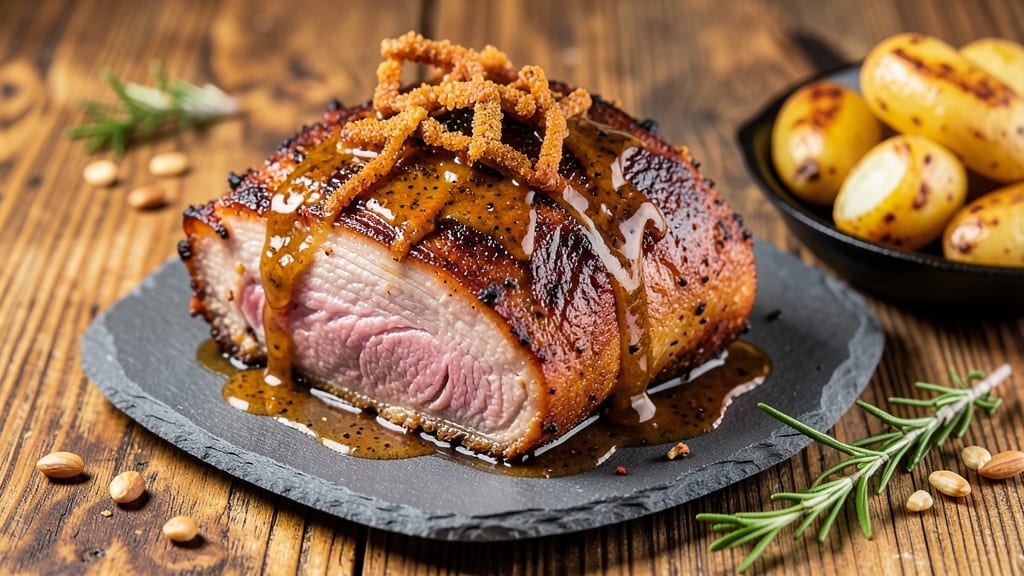
Mastering a roasted pork picnic shoulder transforms any gathering into a showstopper—juicy, tender, and packed with smoky depth that keeps guests coming back for seconds.
Growing up in small-town Georgia, I learned that pork shoulder is the heart of a perfect picnic, and this spice rub elevates it to restaurant-quality without the fuss. The secret lies in slow-roasting until the meat falls apart, creating layers of flavor that turn simple ingredients into something extraordinary.
This recipe delivers foolproof results with just five key spices—paprika, brown sugar, garlic powder, black pepper, and cayenne—that form a caramelized crust while keeping the inside melt-in-your-mouth tender. My heritage Gloucestershire Old Spots pigs provide the ideal fat-to-meat ratio, but any well-marbled pork shoulder will work.
The 300°F oven ensures even cooking, and a precise internal temperature check guarantees perfect doneness every time.
By the time you pull this shoulder from the oven, you’ll have a dish that’s crispy on the edges, tender in the center, and infused with a smoky-sweet aroma that fills the air.
The spice rub clings to the meat, creating a flavorful bark that pairs beautifully with tangy mustard or a sharp apple slaw. It’s the kind of meal that turns a simple picnic into a memorable feast—no matter the occasion.
Serve it sliced thick or shredded, and don’t forget the classic sides: crusty bread, pickled vegetables, or a fresh green salad. The leftovers reheat perfectly, making this the ultimate make-ahead dish for any gathering. Let’s get cooking!
Ingredients for roasted pork picnic shoulder
Six pounds of pork shoulder and ten simple pantry staples transform into a showstopping picnic centerpiece.
| Ingredient | Amount | Notes |
|---|---|---|
| Pork Picnic Shoulder 🥓 | 6 lb | Well-marbled, bone-in preferred |
| Smoked Paprika 🌶️ | 2 tbsp | High-quality for smoky depth |
| Light Brown Sugar 🍯 | ½ cup | Packed, for caramelized crust |
| Garlic Powder 🧄 | 1 tbsp | Freshly ground preferred |
| Coarse Black Pepper 🌶️ | 1 ½ tbsp | Freshly cracked for texture |
| Cayenne Pepper 🔥 | 1 tsp | Adjust for heat preference |
| Kosher Salt 🧂 | 1 tbsp | Diamond Crystal preferred |
| Yellow Mustard 🍯 | ¼ cup | For glaze, optional but recommended |
| Apple Cider Vinegar 🍎 | 2 tbsp | For tangy glaze balance |
| Olive Oil 🫒 | 2 tbsp | For meat coating |
| Fresh Thyme Leaves 🌿 | ¼ cup | Chopped, for garnish |
| Fresh Rosemary 🌿 | ¼ cup | Chopped, for aroma |
| Honey 🍯 | 1 tbsp | For glaze sweetness |
The pork shoulder is the star—look for well-marbled cuts with visible fat for juiciness. Gloucestershire Old Spots pigs offer the best fat-to-meat ratio, but any bone-in shoulder works. Trim excess fat if needed, but leave some for flavor. Costco or local butcher shops often carry high-quality picnic shoulders—ask for the bone-in version for extra flavor. The spices? Penzeys or bulk bins at Whole Foods deliver the most vibrant flavors, but don't stress over brands. Just make sure your paprika has that rich, smoky aroma—none of that dusty stuff from the back of your spice rack.
No smoked paprika? Substitute regular paprika plus 1/2 tsp liquid smoke—it’s a game-changer. Short on brown sugar? White sugar works in a pinch, but you’ll lose that caramel depth. Fresh herbs missing? Dried thyme and rosemary at 1/4 the amount get you close. The glaze components (mustard, vinegar, honey) can be swapped: Dijon mustard for tang, balsamic vinegar for depth, or agave for sweetness. Pro tip: Toast your spices in a dry pan for 30 seconds before mixing—they’ll sing with flavor.
This pork keeps beautifully—reheats like a dream straight from the fridge, even better the next day. Store leftovers in an airtight container for up to 5 days, or freeze portions for 3 months. For serving, slice thick against the grain or shred with two forks. The glaze thickens as it cools, so warm it gently before drizzling. Pair with crusty sourdough and quick-pickled veggies for the ultimate picnic spread. Trust me, the leftovers will disappear faster than you can say 'second helping'
Why You'll Love This Recipe
- Foolproof Prep: I rub the spices on raw—no fancy cuts, no stress. Just a big hunk of pork, a quick toss with smoked paprika and garlic powder, and it’s ready for the oven. Honestly, the hardest part is waiting for it to finish.
- Sweet-Smoky Magic: That caramelized crust from the brown sugar? It’s the star. The smoked paprika gives it depth, while the pepper adds a little bite—like a hug from a campfire, but in your kitchen.
- Weeknight to Party: Same recipe, different vibes. Toss it on a sheet pan for a lazy Tuesday dinner, or slice it thin for charcuterie boards when friends drop by. My kids eat it straight from the pan; my husband saves it for sandwiches.
- Leftovers That Don’t Suck: This roast actually improves the next day. Shred it for tacos, toss it in pasta, or pile it on toast—it’s the kind of meal that turns into three more without you even trying. Budget win, flavor win.
Step-by-step instructions for slow-smoked pork picnic shoulder
Transform this humble cut into melt-in-your-mouth perfection with our signature spice rub and glaze technique.
Prepare the Pork with Dry Rub
Remove the pork picnic shoulder from the refrigerator and let it sit at room temperature for 1 hour before cooking. This ensures even cooking throughout the thick cut. Pat the meat completely dry with paper towels—this critical step prevents steam from forming under the rub and creates that coveted bark.
In a small bowl, combine the 2 tbsp smoked paprika, 0.5 cup light brown sugar, 1 tbsp garlic powder, 1.5 tbsp coarse black pepper, 1 tsp cayenne pepper, and 1 tbsp kosher salt. Mix thoroughly until the spices are evenly distributed and the sugar is broken up. The rub should look like coarse sandpaper—this texture ensures maximum adhesion to the meat.
Generously coat the pork picnic shoulder with the spice rub, pressing it firmly into every crevice and the fat cap. The rub should cling visibly to the meat, not just sit on top. Place the rubbed pork on a wire rack set over a baking sheet to allow air circulation on all sides. This setup prevents soggy meat and promotes even browning.
Create the Glaze and Preheat
While the pork rests, prepare the glaze by combining 0.25 cup yellow mustard, 2 tbsp apple cider vinegar, 2 tbsp olive oil, 1 tbsp honey, 0.25 cup chopped fresh thyme leaves, and 0.25 cup chopped fresh rosemary in a small bowl. Whisk vigorously until fully emulsified—the mixture should be smooth with no visible streaks of oil. This glaze will caramelize beautifully during cooking, adding depth of flavor and a glossy finish.
Preheat your oven to 325°F. For best results, use a combination of oven and smoker method: place the pork on a rack in a roasting pan and insert an oven-safe meat thermometer into the thickest part of the meat, avoiding bone. The thermometer should read 160°F when inserted into the center of the pork. This low-and-slow approach breaks down the connective tissue, resulting in tender, pull-apart perfection.
Cook Low and Slow Until Probe-Tender
Place the pork in the preheated oven and cook for 4 hours, basting with the glaze every 45 minutes. The glaze should stick to the meat and begin to caramelize, creating a sticky, flavorful crust. After 4 hours, increase the oven temperature to 350°F and continue cooking until the internal temperature reaches 200-203°F—this can take an additional 2-3 hours, depending on your oven.
Here's the moment that matters: the pork should be fork-tender with a probe sliding in like butter. If the meat isn't tender enough, continue cooking at 350°F until it reaches the target temperature. The pork will continue to cook slightly as it rests, so don't overcook it. The bark should be dark and crispy, with a beautiful caramelized glaze coating the surface.
Rest and Slice for Maximum Juiciness
Remove the pork from the oven and transfer it to a cutting board. Tent loosely with aluminum foil and let it rest for at least 1 hour—this resting period is crucial for redistributing the juices throughout the meat. During this time, the internal temperature will rise another 5-10°F, ensuring a perfect finish.
After resting, slice the pork against the grain into ½-inch thick slices. The meat should pull apart easily with gentle pressure, revealing a moist, tender interior. Serve immediately with the remaining glaze spooned over the top. The combination of smoky rub, tangy glaze, and tender meat creates a dish that's truly unforgettable. Pair with your favorite sides for a showstopping meal that will have everyone asking for seconds.
Pro Tips For Making Roasted Pork Picnic Shoulder
- Trim the Fat First: Pork picnic shoulder has a thick fat cap—score it and trim it down to about ¼-inch before roasting. I learned this the hard way: leaving it thick means uneven cooking and a greasy mess in your pan. (Yes, it’s tedious, but your crispy edges will thank you.)
- Start with a Hot Pan: Sear the pork in a screaming-hot skillet or Dutch oven for 3–4 minutes per side before transferring to the oven. The Maillard reaction kicks in fast, locking in flavor and giving you that restaurant-worthy crust. Skimp on the heat, and you’ll just end up with sad, sticky pork.
- Skip the Crowding: If you’re roasting multiple pieces, resist the urge to stack them. Pork picnic shoulder needs airflow to crisp, not steam. Space them at least 1 inch apart on the tray—even if it means two batches. Trust me, the second batch will taste like revenge.
- Baste with Pan Juices: Every 30 minutes, pull the pork out and spoon the rendered fat and caramelized sugar mixture over the top. It’s messy, but that glaze is what turns good pork into unforgettable pork. (Pro move: Use a pastry brush for the sugar—less drippy, more control.)
Make-ahead tips for this recipe
Prep Ahead Strategy
This pork shoulder is designed for make-ahead success—start by prepping the spice rub and glaze ingredients the night before. Store them in airtight containers in your fridge until ready to use. I often make the glaze up to 3 days ahead and keep it refrigerated; just whisk before using.
The pork itself can be rubbed and refrigerated overnight, but bring it to room temperature before cooking for even results. 💡
Overnight Roasting
For a hands-off approach, roast the pork overnight at 275°F instead of the standard 325°F. This ultra-low temperature breaks down collagen more gently, resulting in fall-apart tenderness with minimal effort.
Use a slow cooker on low for 8-10 hours if you prefer stovetop cooking—just add ½ cup apple juice to the bottom to prevent drying. The key is patience: let it cook until the internal temp hits 203°F naturally. ⏰
Leftovers Mastery
Store cooked pork in quart-sized freezer bags with a bit of glaze for moisture retention. Reheat portions in a 350°F oven for 15-20 minutes until warmed through—this preserves the crispy bark.
For quick meals, shred the pork and mix with 1 cup BBQ sauce or ½ cup apple cider to make pulled pork sandwiches. I keep a batch of shredded pork in my freezer for emergency picnic lunches—it reheats beautifully and tastes even better the next day. 🥓
Picnic Packing
Transport the pork in a cooler with ice packs for up to 4 hours before serving. Slice it thick against the grain and pack it in airtight containers with a small cup of glaze.
Serve with pickled vegetables and crusty bread in separate containers to maintain freshness. For a no-mess picnic, bring individual serving packets with mini buns and mustard packets—this keeps everything organized and delicious. 🧺
Freezer-Friendly Tips
Freeze uncooked pork shoulder (rubbed and uncooked) for up to 3 months—just thaw in the fridge for 24 hours before cooking. For cooked pork, wrap it tightly in butcher paper and freeze for 3 months. When ready to reheat, bake at 325°F until reaching 165°F internal temp.
The texture stays juicy because the fat doesn’t render out prematurely. I always freeze extra portions because they’re perfect for weeknight dinners or last-minute gatherings. ❄️
Glaze Make-Ahead
Prepare the glaze up to 5 days ahead and store it in a small jar in the fridge. Before using, whisk it vigorously to re-emulsify the oil and mustard. If the glaze thickens, thin it with 1 tsp warm water or apple cider vinegar.
I keep a jar of this glaze in my pantry at all times—it’s perfect for quick marinades or drizzling over grilled meats. The herbs stay fresh for 3 days if stored properly, so don’t worry about prepping them too early. 🌿
Nutrition facts
Frequently asked questions
Can I use bone-in or boneless pork shoulder for this recipe?
Bone-in pork shoulder is ideal for this recipe—it adds extra flavor and stays juicier during cooking. The bone helps retain moisture, but if you must use boneless, look for a well-marbled cut with visible fat. Just reduce the cooking time slightly, as boneless pork cooks faster.
How do I know when the pork is fully cooked?
Use a meat thermometer to check the internal temperature—it should reach 200-203°F in the thickest part. The pork will be fork-tender and pull apart easily. If it’s not tender enough, continue cooking at 350°F until it reaches the target temperature.
Can I make this recipe in a slow cooker?
Cook the pork on low for 8-10 hours with ½ cup apple juice in the bottom to prevent drying. The low-and-slow method ensures tender, fall-apart meat. Just add the glaze during the last 30 minutes of cooking to avoid burning.
What’s the best way to reheat leftovers?
Reheat in a 350°F oven for 15-20 minutes with a splash of glaze to keep it moist. For quick meals, shred the pork and mix with BBQ sauce or apple cider. Leftovers stay delicious for up to 5 days in the fridge or 3 months in the freezer.
How do I adjust the spice level for kids?
Reduce the cayenne pepper to ½ tsp or omit it entirely. The other spices will still deliver bold flavor without heat. For extra kid-friendly appeal, serve with a side of sweet potato fries or corn on the cob.