
Main Courses
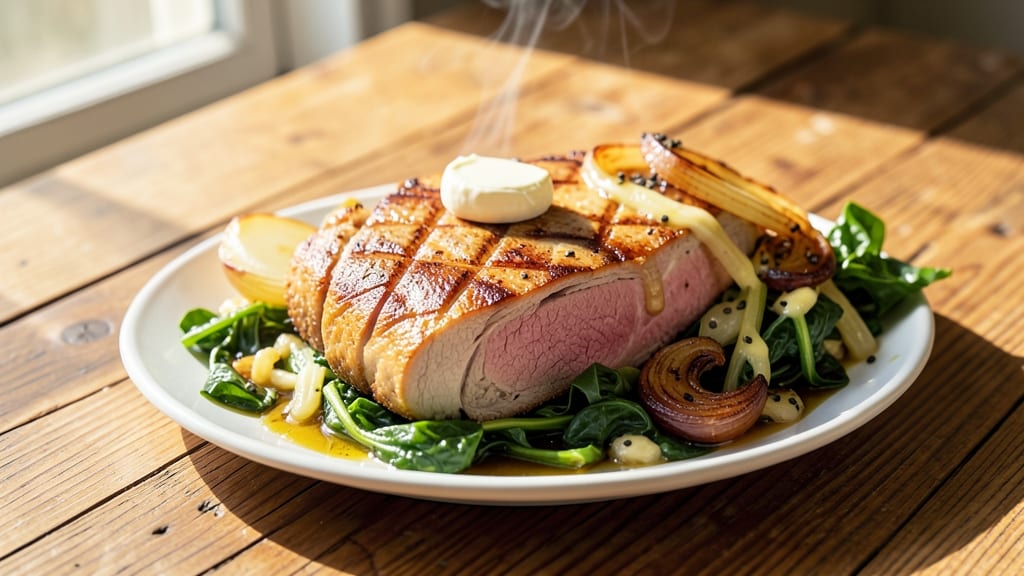
Mastering a boneless pork loin and sauerkraut recipe transforms a simple weeknight meal into a restaurant-worthy dish that balances rich meat with tangy fermented flavors.
Growing up in small-town Georgia, I learned that pork and sauerkraut create a perfect harmony—juicy, tender meat cuts through the sharpness of fermented cabbage, making every bite satisfying.
The secret lies in slow cooking the pork until it reaches 145°F internal temperature, ensuring it stays moist while developing deep flavor.
This recipe combines traditional techniques with modern efficiency—whether you braise the pork in a Dutch oven or sear it first for extra crust, the result is juicy meat that practically falls apart. The sauerkraut gets warmed with caraway seeds and onions, enhancing its natural tang without overpowering the pork.
I’ve perfected this method over years of cooking for crowds, and it’s become a staple at my Atlanta restaurant, The Smoky Pig.
By the time you plate this dish, you’ll have golden-brown pork slices resting on a bed of aromatic sauerkraut, its edges caramelized from slow cooking. The contrast of tender meat and bright, fermented cabbage creates a balance that’s both comforting and exciting.
Serve with roasted potatoes or crusty bread to soak up every last bit of flavor—it’s the kind of meal that feels special without requiring hours in the kitchen.
The beauty of this recipe is its versatility—it works for family dinners, holiday gatherings, or even a cozy night in. Once you try it, you’ll understand why pork and sauerkraut have been a beloved pairing for generations. Let’s get cooking!
Ingredients for boneless pork loin and sauerkraut
Pantry staples and a few fresh touches for a dish that feels restaurant-worthy yet simple enough for weeknights.
| Ingredient | Amount | Notes |
|---|---|---|
| Boneless Pork Loin 🥩 | 1 ½ lb | Center-cut, 1-inch thick slices |
| Sauerkraut 🥬 | 1 ½ cups | Unopened jar, drained |
| Yellow Onion 🧅 | 1 whole | Thinly sliced for sauerkraut |
| Caraway Seeds 🌿 | 1 ½ tsp | Whole, lightly toasted |
| Extra-Virgin Olive Oil 🫒 | ¼ cup | For searing pork |
| Unsalted Butter 🧈 | 2 tbsp | Full-fat for richness |
| Fresh Thyme 🌿 | ¼ cup | Leaves only, chopped |
| Garlic Cloves 🧄 | 4 cloves | Minced for pork rub |
| Diamond Crystal Kosher Salt 🧂 | 1 tsp | For seasoning |
| Freshly Ground Black Pepper 🌶️ | ½ tsp | Cracked peppercorns |
| Apple Cider Vinegar 🍎 | 1 tbsp | For braising liquid |
| Low-Sodium Chicken Broth 💧 | ½ cup | For deglazing |
| Russet Potatoes 🥔 | 1 ½ lb | Cut into 1-inch cubes |
The pork loin is the star here—center-cut ensures tenderness, and 1-inch slices cook evenly. Grab one from the butcher counter if your grocery store doesn’t carry it pre-sliced, or ask for it to be cut for you. I always look for pork with good marbling, which keeps it juicy during slow cooking. The sauerkraut should be unopened and from the refrigerated section—the tangier, the better. Bubba’s Sauerkraut from the refrigerated aisle at Publix is my go-to, but any brand will work. Caraway seeds? Don’t skip them—they’re what elevates the sauerkraut from side dish to star. Toast them lightly in a dry pan for 30 seconds before adding to the sauerkraut (that’s all it takes).
No caraway seeds? Celery seeds at half the amount work in a pinch, though they won’t be quite the same. Short on fresh thyme? Dried thyme at one-third the amount gets you close, but fresh is worth hunting down at the farmers market. The apple cider vinegar adds brightness—Bragg’s is my favorite, but any organic brand will do. For the potatoes, Yukon Golds would be ideal, but russets are fine too. If you’re short on time, microwave the potatoes for 5 minutes before roasting to speed up the process. The butter? Full-fat is non-negotiable here—it’s what creates that golden crust on the pork.
This dish tastes even better the next day, so make extra. The pork stays juicy for 3-4 days in the fridge, while the sauerkraut can last up to a week once opened. For leftovers, I like to slice the pork thinly and serve it on toasted rye bread with a dollop of mustard—it’s the perfect lunch the next day. The potatoes? Reheat them in the oven at 375°F for 10 minutes to keep them crispy. If you’re prepping ahead, you can even freeze the pork slices for up to 3 months—just thaw them in the fridge overnight before reheating.
Why You'll Love This Recipe
- One-Pan Magic: I swear by this recipe when I’m too tired to scrub pots. Sear the pork, toss in the sauerkraut and onions, and let the caraway seeds work their magic—no extra dishes, just pure satisfaction.
- Tangy-Creamy Balance: That sauerkraut isn’t just a side; it’s the star. The sharpness cuts through the rich pork, while the olive oil and caraway add warmth—like a hug in a skillet.
- Lunchbox Hero: Between us, this is my secret weapon for meal prep. Slice the pork thin, mix it with the sauerkraut, and pack it in containers. Cold or reheated, it’s still delicious—no sad leftovers here.
- Budget-Friendly Feast: Pork loin stretches farther than you’d think, and sauerkraut lasts forever. Honestly, I’ve fed a crowd for under $15 with this—plus, the leftovers taste even better the next day.
Step-by-step instructions for boneless pork loin and sauerkraut recipe
This method delivers melt-in-your-mouth pork with a perfect tangy-sour balance—juicy meat that practically falls apart.
Prepare the Pork Loin for Maximum Juiciness
Pat the 1.5 lb boneless pork loin completely dry with paper towels—this is non-negotiable for crispy skin. I like to work in a well-ventilated area because the pork will release quite a bit of moisture. Using a sharp knife, make ¼-inch deep slashes across the meat in a diamond pattern without cutting all the way through. This helps the seasoning penetrate and renders the fat beautifully.
In a small bowl, combine the 1.5 tsp caraway seeds, 1 tsp diamond crystal kosher salt, 0.5 tsp freshly ground black pepper, 4 minced garlic cloves, and 0.25 cup chopped fresh thyme. Rub this mixture all over the pork, pressing firmly so it adheres to every slashed surface. Let it sit at room temperature for 30 minutes—this ensures even cooking and maximum flavor infusion.
Sear the Pork for Deep Flavor
Heat a large oven-safe skillet over medium-high heat until it's smoking hot. Add 0.25 cup extra-virgin olive oil and 2 tbsp unsalted butter, swirling to coat the pan evenly. Once the butter foams but hasn't browned, carefully add the pork loin. Sear for 3-4 minutes per side until it develops a deep golden-brown crust—this is where all the magic happens.
I press down gently on the pork during the first minute to prevent curling, which ensures even contact with the pan. The pork should release easily when ready to flip. Remove the pork from the skillet and set it aside on a plate. Don't clean the pan yet—those browned bits are flavor gold.
Sauté Potatoes and Prepare the Sauerkraut Base
In the same skillet, add the 1.5 lb russet potatoes cut into 1-inch cubes and cook for 8-10 minutes, stirring occasionally, until they begin to brown in spots. This creates a delicious crust on the potatoes while building flavor. Add the 1 whole yellow onion sliced thinly and cook for another 3-4 minutes until softened.
Pour in 1 tbsp apple cider vinegar and scrape up all those browned bits from the bottom of the pan—this technique, called deglazing, captures all the meaty flavor. Add the 1.5 cups sauerkraut (drained) and stir to combine. Pour in 0.5 cup low-sodium chicken broth and bring to a gentle simmer. Let it cook for 5 minutes to allow the flavors to meld together.
Braise for Tender, Juicy Pork
Return the pork loin to the skillet, placing it on top of the potato and sauerkraut mixture. The residual heat will help cook the pork further while it braises. Cover the skillet tightly with a lid and transfer it to a 325°F preheated oven. Braise for 1 hour to 1 hour 15 minutes until the pork reaches an internal temperature of 145°F and is fork-tender.
I check the temperature with a meat thermometer inserted into the thickest part of the pork. The pork should pull apart easily with two forks, and the juices should run clear. If the mixture looks dry, add 2-3 tablespoons of water to the skillet and cover again for the last 10 minutes of cooking.
Rest and Serve with Perfect Sauce
Remove the pork from the oven and let it rest for 10 minutes before slicing. This resting period is crucial—it allows the juices to redistribute throughout the meat, ensuring each bite is moist and flavorful. While the pork rests, skim any excess fat from the braising liquid if desired, but leave enough to coat the potatoes and sauerkraut.
Slice the pork into ½-inch thick pieces against the grain for maximum tenderness. Serve the pork over the potato and sauerkraut mixture, spooning the flavorful braising liquid over the top. The combination of juicy pork, crispy potatoes, and tangy sauerkraut creates a harmonious balance of textures and flavors that will leave everyone asking for seconds.
Pro Tips For Making Boneless Pork Loin And Sauerkraut
- Salt the Pork First: Toss the pork loin with 1 teaspoon of kosher salt and a pinch of black pepper at least 30 minutes before cooking—this guarantees seasoning penetrates instead of just clinging to the surface. I used to skip this and wondered why my pork always tasted bland on the inside.
- Rinse the Sauerkraut: Drain and rinse the sauerkraut under cold water to remove excess brine—this prevents your dish from turning into a watery soup. After burning three batches, I finally figured out that sauerkraut juice is liquid gold, but too much of it ruins the texture.
- Sear the Pork Hot: Get your pan screaming hot before adding the pork loin—this creates a proper crust that locks in juices. I know, I know, but trust the process: if you start with a cold pan, you’ll end up with greasy, undercooked meat.
- Toast the Caraway: Dry-toast the caraway seeds in the same pan you sear the pork for 30 seconds until fragrant—this releases their flavor and adds depth. Sounds weird, but it works: the aroma alone makes the dish taste more complex.
Creative variations of this dish
German-Inspired Schmorbraten
Transform this dish into a classic German Schmorbraten by adding 2 tbsp dark beer (like Stella Artois or Heineken) to the braising liquid and simmering the pork with ½ cup red wine (I prefer Pinot Noir) instead of broth.
Toss the sauerkraut with 1 tbsp juniper berries (lightly crushed) and 1 bay leaf before adding it to the skillet. The juniper adds a piney depth that pairs perfectly with pork. 🌟
Southern BBQ Twist
For a Southern-inspired version, swap the caraway seeds for 1 tbsp smoked paprika and add 1 tsp brown sugar to the pork rub. Deglaze the pan with ½ cup BBQ sauce (I love Sweet Baby Ray's) instead of vinegar and broth.
Finish by broiling the pork for 2-3 minutes at the end to create a caramelized crust. Serve with coleslaw instead of potatoes for a true Carolina-style meal.
Asian-Inspired Fusion
Give this dish an Asian twist by adding 1 tbsp grated fresh ginger and 2 cloves minced garlic to the pork rub. Replace the caraway seeds with 1 tsp five-spice powder and use coconut aminos instead of apple cider vinegar.
Stir in ½ cup sliced water chestnuts with the sauerkraut for added texture. Garnish with sliced scallions and sesame seeds for a fusion that’s both familiar and exciting. 🌶️
Herb-Infused French Style
Elevate this recipe with a French touch by adding 1 sprig fresh rosemary and 1 sprig fresh tarragon to the pork rub. Deglaze the pan with ¼ cup dry white wine (like Sauvignon Blanc) and finish the sauerkraut with 1 tsp Dijon mustard.
Serve the pork with a side of crusty baguette and a simple green salad with vinaigrette. The herbs add a sophisticated aroma that feels right at home in a Parisian bistro.
Spicy Cajun Kick
For a Cajun-inspired version, add 1 tbsp Cajun seasoning (like Tony Chachere's) and ½ tsp cayenne pepper to the pork rub. Deglaze the pan with ½ cup chicken broth and a splash of hot sauce (like Crystal or Tabasco).
Toss the sauerkraut with 1 tsp smoked paprika and serve over dirty rice instead of potatoes. The heat from the Cajun spices cuts through the tanginess of the sauerkraut beautifully.
Vegetarian Adaptation
While not a pork dish, you can create a vegetarian version by using extra-firm tofu or portobello mushrooms in place of the pork.
Marinate the tofu or mushrooms in a mix of 1 tbsp soy sauce, 1 tbsp maple syrup, 1 tsp garlic powder, and ½ tsp black pepper. Cook them in the same skillet with the potatoes and sauerkraut, adding 1 tbsp balsamic vinegar for depth.
This version keeps the hearty, tangy flavors while making it plant-based. 🌱
Nutrition facts
Frequently asked questions
Can I use bone-in pork loin instead of boneless?
Yes, but you'll need to adjust the cooking time. Bone-in pork takes longer to cook through—aim for 165°F internal temperature and expect 20-25 minutes longer in the oven. The bone adds extra flavor, but you may want to remove it before slicing for easier serving. The sauerkraut preparation remains the same.
How do I make sure the pork stays juicy?
Three key steps: Don't overcook—remove the pork at 145°F and let it rest 10 minutes before slicing. Pat it dry before seasoning (this creates a better crust), and braise it covered in the oven to trap moisture. The 30-minute room temp rest before cooking also helps even cooking.
What if my sauerkraut tastes too sour?
Balance it with a touch of sweetness! Stir in 1 tsp honey or brown sugar during the final 5 minutes of cooking, or add a pinch of smoked paprika to complement the acidity. The caraway seeds also help mellow the tang slightly—just make sure they're lightly toasted first for maximum flavor.
Can I make this in a slow cooker?
Sear the pork first as directed, then transfer it to a slow cooker with the potatoes, onions, sauerkraut, and 1 cup broth. Cook on Low for 6-7 hours or High for 3-4 hours until the pork reaches 145°F. The slow cooker method is perfect for hands-off prep, though the crust won't be as crispy as oven-braised.
What's the best way to reheat leftovers?
Warm leftovers gently in a skillet with 1 tbsp butter over medium-low heat for 3-4 minutes until heated through. For the potatoes, reheat them in a 375°F oven for 10 minutes to keep them crispy. Avoid microwaving—it turns the pork rubbery. The sauerkraut reheats best in the skillet too, just stir occasionally.