
Main Courses
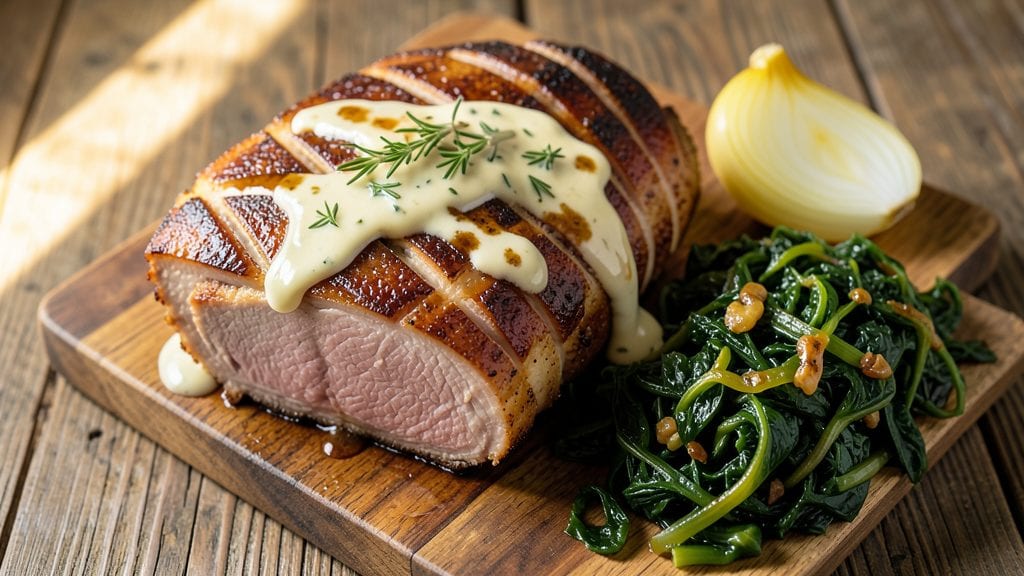
This boneless pork loin roast and sauerkraut recipe delivers a German-inspired meal that’s hearty enough for a family dinner but refined enough for company. Growing up in small-town Georgia, I learned how pork transforms a simple meal into something special—tender, flavorful, and perfect with tangy sauerkraut.
The secret lies in slow-roasting the pork until it reaches 145°F, ensuring juicy meat that practically melts in your mouth.
The beauty of this dish is its balance—rich, savory pork meets the sharp tang of sauerkraut, creating a harmony that’s both comforting and elegant. I’ve perfected this method over years of cooking for crowds, using simple seasonings and a foolproof roasting technique that guarantees restaurant-quality results without fuss.
The pork stays moist thanks to careful timing, while the sauerkraut adds a bright contrast that cuts through the richness.
By the time you serve this, you’ll have golden-brown pork slices that fall apart with just a fork, paired with sauerkraut that’s tender yet still retains its signature tang. The aroma alone will have everyone gathering at the table—imagine crispy edges, tender centers, and that perfect balance of flavors.
This is the kind of meal that feels like a hug on a plate, especially when paired with a dollop of mustard or a side of roasted potatoes.
Whether you’re feeding a family or hosting guests, this recipe scales beautifully while keeping the process straightforward. Let’s get started—your dinner table is about to get an upgrade.
Ingredients for boneless pork loin roast and sauerkraut
Six ingredients transform into a German-inspired feast that feels like home cooking with restaurant finesse.
| Ingredient | Amount | Notes |
|---|---|---|
| Boneless Pork Loin Roast 🥩 | 3 lb | Center-cut, even thickness preferred |
| Unsalted Butter 🧈 | ½ cup | Cold, cubed for crust |
| Sauerkraut 🥬 | 2 cups | Unopened jar, drained |
| Yellow Onion 🧅 | 1 whole | Thinly sliced for caramelization |
| Garlic Cloves 🧄 | 6 cloves | Minced for aromatic depth |
| Dijon Mustard 🍯 | 1 tbsp | For tangy brightness |
| Fresh Thyme Leaves 🌿 | ¼ cup | Chopped, or 1 tsp dried |
| Fresh Rosemary 🌿 | ¼ cup | Chopped, sprigs removed |
| Kosher Salt 🧂 | 1 ½ tsp | Diamond Crystal preferred |
| Freshly Ground Black Pepper 🌶️ | 1 tsp | Cracked peppercorns preferred |
| Apple Cider Vinegar 🍏 | 1 tbsp | For sauerkraut balance |
| Honey 🍯 | 1 tbsp | Wildflower preferred |
| Fresh Parsley 🌿 | 0.15 cup | Chopped, for garnish |
The pork loin is the star here—look for a center-cut roast with even thickness for consistent cooking. Costco or Whole Foods often carry the best cuts, but any well-marbled loin will work. If your roast has a thick edge, trim it slightly to ensure even doneness. The butter crust is non-negotiable—use unsalted butter so you control the seasoning. For the sauerkraut, Brauhaus or Reinhart brands from the deli section have the best flavor. Avoid pre-shredded sauerkraut—it loses texture and tang. Fresh herbs matter too: grab thyme and rosemary from the grocery store's produce section—they should smell vibrant, not dried out.
No fresh thyme? Dried works at one-third the amount, but the flavor won't be as bright. Running low on Dijon mustard? Substitute 1 tsp whole-grain mustard plus 1 tsp water—it's close enough. The honey can be swapped for maple syrup, though it adds a different depth. For the sauerkraut, if you can't find a jar, fermented cabbage from the refrigerated section works in a pinch (just add 1 tbsp apple cider vinegar). The pork can be prepped ahead: season it and refrigerate overnight for deeper flavor. And if you're serving a crowd, double the sauerkraut—it disappears fast.
This pork stays juicy for 3 days in the fridge if stored properly—wrap tightly in parchment, then foil. The sauerkraut? It keeps for weeks unopened, but once opened, transfer to a sealed container and refrigerate. For leftovers, reheat pork slices gently in a skillet with a splash of broth to keep them moist. I always make extra pork for sandwiches the next day—slice thin, pile high on rye, and add a smear of mustard. The sauerkraut reheats beautifully too—just warm it in a pot with a splash of water and a pinch of sugar to round out the flavors.
Why You'll Love This Recipe
- One-Pan Magic: I swear by this recipe because it’s all on one sheet pan—no fancy dishes, no stress. Just sear the pork in butter with onions and garlic, add the sauerkraut, and let it all braise. Honestly, the cleanup is so minimal I’ll often leave the pan in the sink and forget about it.
- Weeknight to Weekend: This dish works everywhere. Toss it together on a Tuesday night when you’re too tired to plan, or bring it to a potluck where it’ll disappear faster than the mashed potatoes. (Yes, even on a Tuesday night.)
- Leftovers That Don’t Suck: The pork stays juicy for days, and the sauerkraut keeps it from getting boring. I’ll pack it in lunches or reheat slices for breakfast—crispy, salty, and still packed with flavor. Between us, this is the kind of meal that makes you actually look forward to leftovers.
Step-by-step instructions for German-inspired pork loin with sauerkraut
This method delivers perfectly tender pork with a crispy crust and sauerkraut that's balanced between tangy and sweet.
Prepare the Pork Roast with Herb Butter Rub
Pat the 3 lb boneless pork loin roast completely dry with paper towels—this is critical for achieving that golden crust. Place it on a cutting board and use a sharp boning knife to make shallow slashes about ¼ inch deep in a diamond pattern across the surface. This creates space for the herb butter to penetrate and develop flavor.
In a small bowl, combine the 0.5 cup unsalted butter (cold and cubed), 0.25 cup chopped fresh thyme leaves, 0.25 cup chopped fresh rosemary, 1.5 tsp kosher salt, and 1 tsp freshly ground black pepper. Rub this mixture generously over the slashed pork, pressing it into the cuts. Let the roast sit at room temperature for 30 minutes while you prepare the sauerkraut—this ensures even cooking and maximum flavor infusion.
Caramelize the Onions and Prepare the Sauerkraut
Heat a large oven-safe skillet (preferably cast iron) over medium heat. Add the 1 whole yellow onion (thinly sliced) and cook for 8-10 minutes, stirring occasionally, until the onions soften and begin to caramelize—you'll see them turn golden and smell deeply sweet. This step builds complex flavor that will carry through the entire dish.
In a separate bowl, combine the 2 cups sauerkraut (drained), 1 tbsp Dijon mustard, 1 tbsp apple cider vinegar, and 1 tbsp honey. Mix well to distribute the flavors evenly. The vinegar cuts through the sauerkraut's tang while the honey adds a subtle sweetness that balances the dish. Keep this mixture at room temperature while you finish cooking the pork.
Roast the Pork to Perfect Medium Rare
Preheat your oven to 375°F. Carefully transfer the herb-rubbed pork to the skillet with the caramelized onions, placing it on top of the onions. The onions will release their flavor and help create a flavorful pan drippings. Roast uncovered for 30-35 minutes until the internal temperature reaches 140°F—this gives you a medium-rare center that's juicy and tender.
Here's the thing—pork loin cooks quickly and can dry out if overcooked. Use a meat thermometer for accuracy, and remove the pork immediately when it hits 140°F. Let it rest for 15 minutes before slicing. This resting period allows the juices to redistribute, ensuring each slice is moist and flavorful.
Finish the Sauerkraut and Assemble the Dish
While the pork rests, return the skillet to the stove over medium heat. Add the prepared sauerkraut mixture to the skillet, spreading it evenly over the caramelized onions. Cook for 5-7 minutes, stirring occasionally, until the sauerkraut is heated through and the flavors meld together. The onions should be tender and the sauerkraut should be warm but still retain its texture.
Slice the rested pork into ½-inch thick medallions against the grain. Arrange the slices over the sauerkraut mixture, spooning some of the pan juices over the top. Garnish with 0.15 cup chopped fresh parsley just before serving. The parsley adds a bright finish that cuts through the richness of the pork and balances the tangy sauerkraut.
Pro Tips For Making Boneless Pork Loin Roast And Sauerkraut
- Sear the Pork First: Hit the pork loin with a screaming-hot pan—no butter yet—until it’s deep golden brown in spots. I learned this the hard way: skipping the sear means the butter just steams the meat instead of building flavor. Once browned, pull it out and let it rest while you prep the rest—this isn’t the prettiest method, but it’s the tastiest.
- Drain and Rinse the Kraut: Dump that sauerkraut into a colander and give it a good rinse under cold water. The brine’s fine for flavor, but soggy kraut turns your roast into a sad, waterlogged mess. Pat it dry with a towel afterward—yes, even if it feels like overkill. Your future self will thank you when the kraut actually caramelizes instead of boiling away.
- Don’t Overcrowd the Pan: When sautéing onions and garlic, resist the urge to throw everything in at once. A crowded pan steams instead of browns, and you’ll end up with bland, pale bits instead of deep, nutty flavor. Cook the onions in batches if needed—this isn’t a race, and crispy edges make all the difference.
- Baste with Butter Fat: After the pork’s in the oven, don’t just toss butter over it—use a spoon to slather the melted fat directly onto the meat, especially the edges. The high heat turns that butter into a glossy, flavor-packed crust. I was skeptical until I tried it: the pork stays juicier and tastes richer, like it’s been basted with liquid gold.
Make-ahead tips for leftovers
Pork Prep Ahead
The pork loin is the star, so I always prep it first. Season the roast with the herb butter mixture and refrigerate it uncovered on a wire rack for 12-24 hours before cooking. This dry-brining method creates a perfect crust and infuses the meat deeply with flavor.
I do this the night before—it’s a game-changer for restaurant-quality results at home. Store it in a glass baking dish to prevent moisture buildup. 💪
Sauerkraut Prep
Sauerkraut can be prepped up to 3 days in advance—just mix all ingredients in a bowl and refrigerate. The flavors meld beautifully overnight, and you’ll save time on cooking day. I like to add a pinch of sugar (about ½ tsp) if my sauerkraut tastes too sharp.
For extra convenience, caramelize the onions ahead of time and store them in the fridge for up to 5 days. 🥬
Full Meal Assembly
Here’s my pro tip: Assemble the entire dish 2 hours before serving. Roast the pork, rest it, slice it, and arrange it over the sauerkraut in a serving dish. Cover loosely with foil and keep it warm in a 200°F oven.
The pork stays juicy, and the sauerkraut reheats perfectly. This is ideal for dinner parties—just pop it in the oven when guests arrive. 🍽️
Leftovers Strategy
Pork loin leftovers are my secret weapon for quick lunches. Slice the cooked roast thinly and store it in an airtight container with a splash of pan juices. Reheat slices in a skillet over medium heat for 2-3 minutes per side until warmed through.
For sauerkraut, reheat it gently in a pot with a splash of water—never microwave it, or it turns mushy. 💡
Freezer-Friendly
This dish freezes beautifully for up to 3 months. Slice the cooked pork and store it in quart-sized freezer bags, removing as much air as possible. Freeze the sauerkraut separately in a sealed container.
To reheat, thaw overnight in the fridge, then warm the pork in a skillet and the sauerkraut in a pot with a splash of water. The texture holds up surprisingly well! ❄️
Make-Ahead Timeline
For a stress-free cooking day, follow this timeline: Day 1: Prep and season the pork, refrigerate uncovered. Day 2: Caramelize onions and mix sauerkraut ingredients, store separately. Cooking Day: Roast pork, rest, slice, and assemble. This keeps everything fresh and ready to serve without last-minute scrambling. 📅
Nutrition facts
Frequently asked questions
Why do you recommend medium-rare (140°F) for pork loin instead of well-done?
Pork loin is leaner than other cuts, so cooking it to 140°F ensures it stays juicy and tender. Overcooking to 160°F or higher dries it out—this method guarantees melt-in-your-mouth texture while still being safe (USDA recommends 145°F with a 3-minute rest). The herb butter crust seals in moisture during resting.
Can I substitute sauerkraut with another fermented cabbage?
Yes, but texture matters! Use kimchi (add 1 tsp sugar to balance heat) or fermented green cabbage (like Chinese pao cai). Avoid pre-shredded sauerkraut—it loses tang and crunch. For a sweeter contrast, try braised red cabbage with apples and cinnamon.
What’s the best way to reheat leftovers without drying out the pork?
Reheat pork slices in a skillet over medium-low heat for 2-3 minutes per side with a splash of pan juices or broth. For sauerkraut, warm it gently in a pot with 1 tbsp water and a pinch of sugar. Never microwave—it turns sauerkraut mushy and pork rubbery.
How do I adjust this recipe for a crowd (8+ servings)?
Scale the pork to 4-5 lbs (roast at 350°F for 45-50 minutes>) and double the sauerkraut. Use two skillets or a sheet pan. For sides, add roasted potatoes (toss with rosemary and olive oil) or crusty bread to soak up juices.
What’s the deal with slashing the pork before cooking?
Those shallow cuts let the herb butter infuse deeper and create a crispy lattice crust while keeping the meat tender. Skip this step only if your roast is very thin—just pat it dry and rub the butter generously. Never slash too deep or it’ll fall apart.