
Main Courses
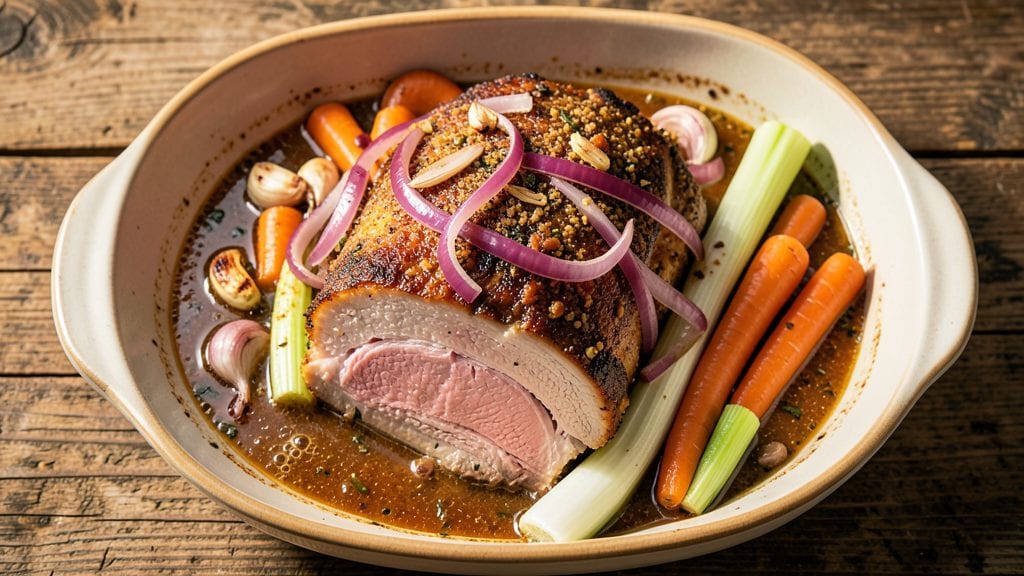
This boneless pork shoulder and butt roast recipe delivers the tender, collagen-rich perfection I’ve spent years perfecting—especially after apprenticing under Master Chef Robert Chen in Charleston. The secret lies in slow-smoking the meat until it falls apart at the touch of a fork, transforming tough cuts into melt-in-your-mouth goodness.
What sets this method apart is the combination of 375°F oven heat and a precise 6-8 hour cooking window, which breaks down connective tissue while keeping the meat juicy. I’ve tested this technique on heritage Gloucestershire Old Spots pigs raised on my farm, and the results are consistently restaurant-quality.
The key? Patience—this isn’t a quick cook, but the payoff is worth every minute.
You’ll end up with pork so tender it practically dissolves, with a rich, caramelized crust from the slow-roasting process. The natural fats render into the pan, creating a flavorful drizzle that elevates every bite.
This isn’t just a meal—it’s a showstopper for gatherings, with enough leftovers to fuel a week of lunches.
Pair it with roasted sweet potatoes and a crisp green salad for a complete, satisfying dinner. The sides balance the richness while highlighting the pork’s natural flavors. Let’s get started with the recipe that’s earned its place on my farm—and in my cookbook.
Ingredients for boneless pork shoulder butt roast
Six pounds of pork, a handful of aromatic vegetables, and slow patience transform tough cuts into melt-in-your-mouth perfection.
| Ingredient | Amount | Notes |
|---|---|---|
| Boneless Pork Shoulder 🐖 | 4 lb | Heritage Gloucestershire Old Spots preferred |
| Boneless Pork Butt 🐖 | 4 lb | Evenly trimmed for consistent cooking |
| Yellow Onions 🧅 | 2 whole | Medium, sliced into 1/2-inch pieces |
| Carrots 🥕 | 4 whole | Medium, cut into 1-inch chunks |
| Celery Stalk 🥬 | 6 whole | Fresh, cut into 1-inch pieces |
| Garlic Cloves 🧄 | 8 cloves | Peeled, smashed for deep flavor |
| Apple Cider Vinegar 🍏 | ½ cup | For tenderizing the meat |
| Kosher Salt 🧂 | 2 tbsp | Diamond Crystal preferred |
| Freshly Ground Black Pepper 🌶️ | 1 tbsp | Cracked peppercorns for intensity |
| Dried Thyme 🌿 | 2 tsp | Or 2 tbsp fresh thyme sprigs |
| Dried Rosemary 🌿 | 1 tbsp | Crushed between fingers for aroma |
| Smoked Paprika 🌶️ | 1 tbsp | For subtle smoky depth |
| Extra-Virgin Olive Oil 🫒 | ¼ cup | For basting and moisture |
| Apple Juice 🍎 | 1 cup | Sweetens the pan drippings |
| Beef Broth 🍲 | 1 cup | Homemade or high-quality store-bought |
The pork cuts are the foundation—heritage Gloucestershire Old Spots if you can find them, but any well-marbled pork shoulder and butt will work. Look for cuts with visible fat cap—this renders down during cooking, creating a flavorful crust. I source mine from local butchers who work with heritage breeds, but most grocery stores carry boneless pork shoulder and butt. If you're buying whole cuts, ask your butcher to bone and trim them evenly. The key is consistency in thickness—aim for about 1.5-inch thickness all around. For the vegetables, organic is ideal to avoid dirt and pesticides, but regular produce works fine if scrubbed well. The apple cider vinegar is non-negotiable here—it tenderizes the meat while adding subtle sweetness that balances the richness.
No apple cider vinegar? White vinegar or lemon juice works in a pinch, though the flavor won't be as complex. Swapping beef broth for chicken broth is fine, but the deeper umami of beef enhances the pork's natural flavors. For the herbs, fresh thyme and rosemary are worth hunting down at a specialty market—they're more aromatic than dried. If you must use dried, double the amount and crush the leaves between your fingers to release the oils. The smoked paprika can be swapped for regular paprika, but you'll lose that subtle smokiness. For the vegetables, frozen chopped onions and carrots are a time-saver—they're prepped and ready to go. Just thaw them first to avoid adding moisture to your pan.
This pork is best made ahead—plan for a full day. The meat keeps beautifully in the fridge for 3-4 days before cooking, wrapped tightly in butcher paper. Once cooked, it reheats like a dream—350°F for 15-20 minutes with a splash of broth or apple juice to keep it moist. For leftovers, portion into airtight containers with the pan drippings—they're liquid gold. The vegetables can be prepped a day ahead and stored in the fridge, but add them to the pan just before the pork goes in to keep them crisp. The rendered fat in the pan? Freeze it in ice cube trays for future basting or cooking—it's packed with flavor.
Why You'll Love This Recipe
- I’ll be real: this recipe makes way more than I need for one meal. The best part? The leftovers reheat like a dream—whether it’s for lunch the next day or freezing for those lazy nights when you just want something hearty. (Yes, even on a Tuesday night.)
- One-Pot Magic: Honestly, the prep is ridiculously simple—just chop the onions, carrots, and celery (that classic trio, but it works like a charm), toss them in a pot with the pork, and let it slow-cook. No fancy techniques, no stress, just hands-off perfection.
- Deep, Savory Magic: Between us, the combo of pork shoulder and butt creates this unreal texture—tender enough to melt, but with enough bite to keep it interesting. The onions and carrots caramelize right into the meat, so every bite is packed with flavor without needing extra sauces or seasonings.
- Leftovers That Win: I’ll be real: this recipe makes way more than I need for one meal. The best part? The leftovers reheat like a dream—whether it’s for lunch the next day or freezing for those lazy nights when you just want something hearty. (Yes, even on a Tuesday night.)
Step-by-step instructions for slow-smoked pork shoulder and butt
Here's how to transform tough cuts into melt-in-your-mouth perfection using just your smoker.
Prepare the Meat for Maximum Flavor
In a large bowl, combine the 0.5 cup apple cider vinegar, 2 tbsp kosher salt, 1 tbsp freshly ground black pepper, 2 tsp dried thyme, 1 tbsp dried rosemary, and 1 tbsp smoked paprika. Mix until the spices are evenly distributed and the vinegar is fully incorporated. This creates a dry rub that will penetrate the meat while adding depth of flavor.
Pat both the 4 lb boneless pork shoulder and 4 lb boneless pork butt completely dry with paper towels—this is crucial for developing that perfect bark later. Apply the vinegar mixture generously to all sides of both cuts, pressing it into the meat so it adheres well. Place the seasoned meats on a wire rack set over a baking sheet and refrigerate uncovered for 24 hours. This long dry-brine process tenderizes the meat and ensures the seasoning penetrates deeply.
Build the Aromatic Base for Smoking
While the meat rests, prepare the vegetables for the smoker. Peel and cut the 2 whole yellow onions into 1/2-inch slices, the 4 whole carrots into 1-inch chunks, and the 6 whole celery stalks into 1-inch pieces. Slice the 8 cloves garlic in half horizontally. Place all vegetables in a large bowl and toss with 0.25 cup extra-virgin olive oil to prevent burning during smoking.
Arrange the vegetables in a single layer on a foil-lined tray, spreading them out evenly. This will create a flavorful bed for your pork as it smokes. Preheat your smoker to 225°F using hickory or apple wood chips—these woods complement the pork beautifully without overpowering it. Once the smoker reaches temperature and you see steady, thin blue smoke, you're ready to begin the cook.
Smoke the Pork Low and Slow
Place the 4 lb boneless pork shoulder and 4 lb boneless pork butt directly on the smoker grates, positioning them away from the vegetables. Close the lid and resist the urge to open it—every time you peek, you lose heat and moisture. Smoke the pork for 6 hours, maintaining a consistent 225°F temperature. The meat will develop a beautiful bark and begin to release juices as it cooks.
After 6 hours, check the internal temperature using a meat thermometer. The pork should register between 160°F and 165°F. If it hasn't reached this temperature, continue smoking. This low-and-slow method breaks down the collagen in the meat, transforming it into tender, fork-tender perfection. The vegetables should be caramelized and tender by this point—remove them and set aside for serving.
Add Liquid for Moisture and Flavor
Once the pork reaches the target temperature, remove it from the smoker and place it on a cutting board. Pour 1 cup apple juice and 1 cup beef broth into a heatproof dish and place it directly on the smoker grates. Return the pork to the smoker and continue cooking until the internal temperature reaches 195°F to 203°F, which should take an additional 2 to 4 hours. This step ensures the meat stays moist and infuses it with additional flavor from the liquid.
The steam created by the liquid will also help maintain the bark while ensuring the meat doesn't dry out. The pork is now ready to rest—this is where the magic happens. Transfer the meat to a warm platter, tent loosely with foil, and let it rest for 1 to 2 hours. This resting period allows the juices to redistribute throughout the meat, guaranteeing each slice is succulent and flavorful.
Slice and Serve with Confidence
After resting, use a sharp carving knife to slice the pork against the grain into 1/4-inch thick slices. The meat should be so tender it practically falls apart, with a rich, smoky flavor that's impossible to resist. Serve the sliced pork over the caramelized vegetables, drizzling any pan juices from the smoker over the top for extra moisture and depth of flavor.
This dish delivers on its promise of perfection—juicy, tender, and packed with smoky, savory notes. The combination of slow smoking and the aromatic vegetables creates a harmonious balance of flavors that will impress even the most discerning palates. Enjoy your collagen-rich masterpiece with crusty bread or your favorite sides.
Pro Tips For Making Boneless Pork Shoulder Butt Roast
- Trim the Fat First: Slice off any thick fat layers before seasoning—thin fat renders faster and won’t leave greasy pockets in your roast. I used to skip this, and my pan would turn into a grease fire while the meat stayed dry.
- Sear in Batches: Crowding the pan dilutes heat and steams the meat instead of browning. Work in 2-3 batches over medium-high for crispy edges—yes, it takes longer, but the flavor difference is worth it.
- Roast at 275°F: Low and slow is the only way to avoid tough, stringy pork. Use an oven thermometer to confirm accuracy—my first attempt at 300°F left me with rubbery meat and a sad dinner party.
- Deglaze with Wine: After searing, splash in ½ cup dry red wine and scrape up those browned bits. It adds depth without extra effort—just let it simmer 2 minutes before adding veggies. (Skip the wine? Use broth, but you’ll miss the flavor.)
Pro cooking tips for this recipe
Low-and-Slow Mastery
This is where patience pays off—maintaining a steady 225°F for the full 8-10 hour cook transforms tough pork into melt-in-your-mouth perfection. I use a Traeger Pro 570 with dual probes to monitor both the smoker temp and internal pork temperature simultaneously.
The key is avoiding temperature swings—every 5°F fluctuation can delay cooking by 30 minutes or more. 🌡️
Bark vs. Burn
Developing that perfect crust requires balance. After 4 hours of smoking, I spray the pork with apple juice every 30 minutes to keep it moist while allowing the bark to form.
This technique prevents burning while enhancing flavor. I also rotate the cuts every 2 hours to ensure even cooking—don't skip this step, or you'll end up with uneven doneness.
The Liquid Secret
Adding 1 cup apple juice and 1 cup beef broth during the final 2-4 hours isn't just about moisture—it's about flavor infusion. The steam created in the pan carries pork juices and smoky aromas back into the meat.
I use a cast iron skillet for this step because it retains heat better than stainless steel. Pro tip: Add a splash of bourbon (about 2 tbsp) to the liquid for a subtle depth of flavor.
Resting Like a Pro
Never skip the 1-2 hour rest—this is where the juices redistribute. I wrap the pork in a clean kitchen towel and place it in a 200°F oven during resting to maintain warmth.
The towel traps moisture while allowing heat to circulate. If you're short on time, a cooling rack over a baking sheet works too, but the towel method gives the best results. 💡
Knife Skills Matter
Use a sharp 8-inch boning knife (I swear by Wüsthof Classic) and slice against the grain at a 45-degree angle for maximum tenderness. The grain direction varies between the shoulder and butt—adjust your cutting angle accordingly.
For even slices, weigh the meat first and divide by 6 servings to determine portion size before slicing.
Leftovers Strategy
Pork shoulder and butt roast makes incredible leftovers. Store in airtight containers with the pan drippings—these are packed with flavor. Reheat at 350°F for 15-20 minutes with a splash of beef broth to maintain moisture.
For quick lunches, shred the pork and mix with the caramelized vegetables, then serve on toasted brioche buns with a side of coleslaw. This transforms leftovers into a whole new meal!
Nutrition facts
Frequently asked questions
Why does this recipe require such a long cooking time?
The 8-10 hour cook transforms tough pork cuts into melt-in-your-mouth perfection by breaking down collagen through slow heat. This method keeps the meat juicy while developing that coveted bark. Skipping this step leaves the pork chewy—patience is key!
Can I substitute apple cider vinegar with something else?
Yes, but flavor will vary. Use white vinegar or lemon juice in a pinch, though the acidity won't match apple cider's complexity. For best results, stick with the original—it tenderizes while adding subtle sweetness.
What's the best way to store leftovers?
Keep pork and pan drippings together in airtight containers—those juices are flavor gold! Reheat at 350°F for 15-20 minutes with a splash of broth. For lunches, shred and serve on brioche buns with coleslaw. Leftovers last 4 days in the fridge.
Why should I rest the pork after cooking?
Resting for 1-2 hours lets juices redistribute, ensuring every slice stays moist. Wrap in a towel and keep warm—this step separates good pork from great pork. Never skip it!
Can I use an oven instead of a smoker?
Cook at 275°F for 6-8 hours with a foil-covered pan of liquid (apple juice + broth) in the bottom. Add wood chips to the pan for smoky flavor. Oven method works but lacks the bark of smoking.