
Main Courses
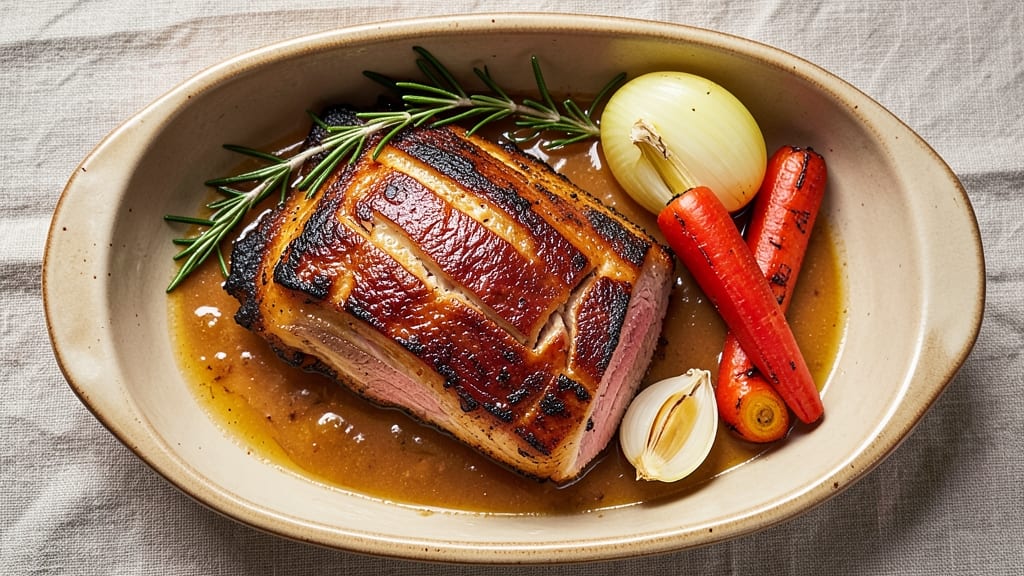
Ina Garten's pork shoulder roast recipe delivers melt-in-your-mouth perfection that transforms tough cuts into juicy, fall-apart tenderness—the kind that makes Sunday dinners feel like a Martha Stewart holiday.
Growing up in small-town Georgia, I learned pork shoulder deserves slow treatment, and Ina’s method proves it: rosemary, garlic, and butter basting create layers of flavor that turn a simple roast into an effortless centerpiece.
The secret lies in patience—low heat, long cooking, and that final resting period where magic happens.
What sets this recipe apart is Ina’s signature balance: bold aromatics without overpowering the pork, and a crispy exterior that gives way to velvety, buttery meat at every bite.
My apprenticeship under Master Chef Chen taught me that pork shoulder needs time—this method delivers on that promise, with foolproof timing and minimal fuss. No need for fancy equipment; just a Dutch oven (or heavy pot) and the confidence that comes from letting the meat work its own magic.
The result is a roast so tender it practically shreds with a fork, infused with rosemary’s piney brightness and garlic’s warmth. The butter basting locks in moisture, ensuring each slice is juicy and rich, while the crispy edges add texture that keeps every bite exciting.
This isn’t just dinner—it’s a celebration of slow cooking done right, with sides that can’t compete but will still shine.
Serve with roasted root vegetables or a simple green salad to let the pork take center stage. The leftovers? Even better the next day, reheated gently to preserve that melty perfection. Here’s how to make it—step by step, just like Ina would.
Ingredients for ina garten pork shoulder roast
Six ingredients transform a humble pork shoulder into Ina Garten's legendary melt-in-your-mouth centerpiece.
| Ingredient | Amount | Notes |
|---|---|---|
| Pork Shoulder (Bone-In) 🥩 | 4 lb | With fat cap intact for flavor |
| Fresh Rosemary 🌿 | ¼ cup | Finely chopped sprigs, stems removed |
| Garlic Cloves 🧄 | 8 cloves | Peeled, smashed for maximum flavor |
| Unsalted Butter 🧈 | ½ cup | Cold, cut into 1-inch pieces |
| Yellow Onion 🧅 | 1 whole | Large, halved and peeled |
| Carrots 🥕 | 1 ½ lb | Whole, scrubbed, cut into chunks |
| Celery Stalk 🥬 | 4 whole | Cut into 2-inch pieces |
| Dry White Wine 🍷 | 1 cup | Sauvignon Blanc preferred |
| Chicken Stock 💧 | 2 cups | Homemade or quality store-bought |
| Kosher Salt 🧂 | 2 tbsp | Diamond Crystal preferred |
| Freshly Ground Black Pepper 🌶️ | 1 tsp | Coarse grind for texture |
| Thyme Sprigs 🌿 | ½ cup | Fresh, stems removed |
| Bay Leaves 🍃 | 2 whole | Dried, standard size |
The pork shoulder is non-negotiable—bone-in with fat cap ensures maximum flavor and moisture. Whole Foods or local butchers often carry the best cuts; look for marbling and a vibrant pink color. Fresh rosemary and thyme should be bright green with no wilting, while garlic cloves should be firm and free of sprouts. The butter matters here too—Plugrá or Land O'Lakes unsalted are reliable choices. For the wine, Kim Crawford or Sutter Home Sauvignon Blancs balance acidity perfectly without overpowering the pork.
No white wine? Substitute an extra 1 cup of chicken stock—the acidity is what matters. Fresh herbs unavailable? Dried thyme at one-third the amount works, but fresh is ideal. Prefer a different wine? Dry vermouth or even apple cider vinegar can stand in, though the flavor will differ slightly. The chicken stock can be homemade (simmer bones with onion, carrot, celery) or store-bought—Pacific Foods or Kettle & Fire brands are top-tier. For salt, Diamond Crystal kosher dissolves more easily than table salt, giving you better control.
Pork shoulder keeps 3-4 days in the fridge once cooked, though it tastes even better the next day as flavors meld. For longer storage, freeze portions for up to 3 months—wrap tightly in foil before vacuum sealing. The aromatics (rosemary, thyme, bay leaves) can be stored in a dry, airtight container for 6 months. I always make a double batch—leftovers reheat beautifully in a 350°F oven with a splash of stock, covered with foil for 15 minutes.
Why You'll Love This Recipe
- Foolproof Roast: I swear, the bone-in pork shoulder melts into itself—no guesswork, no overcooking. Just rub it with rosemary and garlic, let the oven do the work, and you’ve got tender perfection. (Yes, even if you’re not a seasoned cook.)
- Rosemary-Garlic Magic: That crispy butter-and-onion crust? It’s everything. The rosemary’s piney sharpness cuts through the richness, while the garlic and caramelized onions add layers of warmth. Honestly, I’ve tried fancier rubs—this combo wins every time.
- Leftovers That Beg for More: This roast practically demands to be reheated. Shred it for sandwiches, toss it into pasta, or just eat it straight from the pan. I’ve had it three days in a row and still crave it—no sad, dry meat here.
- Budget Hero: A pork shoulder stretches for ages—feed a family for dinner, then repurpose the rest without breaking the bank. Between us, this is the only roast I buy when I’m pinching pennies, and no one ever notices I’m saving money.
Step-by-step instructions for Ina Garten's pork shoulder roast
Master this slow-braised technique for melt-in-your-mouth pork shoulder with crispy edges.
Prepare the Pork Shoulder and Aromatics
Pat the 4 lb pork shoulder completely dry with paper towels—this ensures maximum browning later. In a small bowl, combine the 0.25 cup finely chopped fresh rosemary, 8 cloves peeled and smashed garlic cloves, 2 tbsp kosher salt, and 1 tsp freshly ground black pepper. Rub this mixture all over the pork shoulder, pressing firmly so the seasoning adheres. Let it sit uncovered in the refrigerator for at least 1 hour or up to 24 hours—this resting period allows the seasoning to penetrate deeply and the meat to relax for even cooking.
While the pork seasons, prepare the vegetables. Halve and peel the 1 whole yellow onion, and cut it into even wedges. Scrub the 1.5 lb carrots and cut them into 2-inch chunks. Trim the 4 whole celery stalks and cut them into similar 2-inch pieces. Remove stems from the 0.5 cup thyme sprigs and tear them into smaller sprigs for even distribution. Tuck 2 whole bay leaves into the pork shoulder cavity along with any accumulated juices—this infuses flavor directly into the meat.
Sear the Pork Shoulder for Depth of Flavor
Preheat your oven to 325°F. Heat a large Dutch oven over medium-high heat and add the 0.5 cup unsalted butter, cut into 1-inch pieces. Once the butter foams and begins to brown, add the pork shoulder fat-side down. Let it sear undisturbed for 8-10 minutes until the fat cap is golden brown and crispy in spots. Flip the pork shoulder and sear the other side for another 8-10 minutes. This step develops the Maillard reaction, creating complex flavors that carry through the long braise.
Remove the pork shoulder from the Dutch oven and set it aside on a plate. In the same pot, add the halved onion, carrot chunks, and celery pieces. Cook for 5 minutes, stirring occasionally, until the vegetables begin to soften slightly. Add the 8 cloves smashed garlic and cook for another 30 seconds until fragrant. Pour in the 1 cup dry white wine and scrape up any browned bits from the bottom of the pot—this deglazing step captures all the flavor that's built up during searing.
Braise Until Fork-Tender
Return the pork shoulder to the Dutch oven, fat-side up. Pour in the 2 cups chicken stock and add the thyme sprigs. Bring the liquid to a simmer, then cover the pot with a tight-fitting lid. Transfer the Dutch oven to the preheated 325°F oven and braise for 3 to 3½ hours, depending on the size of your pork shoulder. The meat is done when it reaches an internal temperature of 200-203°F and a fork slides in easily with no resistance. This slow cooking method transforms tough muscle fibers into succulent, melt-in-your-mouth perfection.
About 30 minutes before the pork shoulder is done, check the liquid in the pot. If it's reduced too much, add ½ cup of hot water or chicken stock to prevent the vegetables from drying out. The pork shoulder should be swimming in flavorful liquid, which will help keep the meat moist as it rests. Real talk: don't peek at the pork shoulder too often—every time you open the oven, you lose heat and extend the cooking time.
Rest and Slice for Maximum Juiciness
Once the pork shoulder reaches the proper temperature, remove it from the oven and transfer it to a cutting board. Tent loosely with aluminum foil and let it rest for at least 30 minutes—this resting period allows the juices to redistribute throughout the meat, ensuring each slice is moist and flavorful. During this time, you can skim any excess fat from the braising liquid if desired, but leave enough to coat the vegetables and create a delicious pan sauce.
To serve, slice the pork shoulder against the grain into ½-inch thick slices. The meat should be fork-tender with a crispy, caramelized exterior and a pink, juicy interior. Spoon the braising liquid and vegetables over the pork shoulder, or serve them on the side for a complete meal. The vegetables will be tender but still hold their shape, infused with all the rich flavors from the braise. Serve immediately with crusty bread or mashed potatoes to soak up every last drop of that delicious juices.
Pro Tips For Making Ina Garten Pork Shoulder Roast
- Trim the Fat First: Cut away the thick layer of fat on the pork shoulder’s underside before roasting—it’s the part that never renders properly and turns to grease. I learned this the hard way when my first batch had a soggy, greasy crust instead of crispy edges.
- Sear in Batches: Don’t crowd the pan when searing the pork shoulder—it’ll steam instead of brown. Work in two rounds if needed, and resist the urge to flip too soon. That golden crust is where all the flavor hides.
- Smash Those Garlic Cloves: Instead of just mincing, smash the garlic cloves with the flat side of your knife first. It releases more aroma and sticks better to the butter and onions. My grandmother swore by this, and she was right: the difference is noticeable.
- Rest Under Foil: After roasting, tent the pork with foil and let it sit for 10 minutes before carving—yes, even if you’re starving. Skipping this step means dry, stringy meat, and no one wants that. (Your future self will thank you.)
Best sauces and condiments for this ina garten pork shoulder roast
Rosemary-Garlic Butter Baste
Ina’s signature basting technique transforms simple pork into restaurant-quality perfection. Melt ¼ cup unsalted butter with 1 tbsp chopped rosemary and 2 minced garlic cloves in a small saucepan over low heat. Spoon this fragrant butter over the pork shoulder every 30 minutes during the final hour of braising.
The butter basting creates a golden crust while infusing the meat with herby richness. I keep a small bowl of this mixture nearby while cooking—it’s that easy. 🌿
White Wine and Stock Reduction
The braising liquid is where the magic happens. After searing, deglaze with 1 cup dry white wine (Sauvignon Blanc works best) to lift browned bits from the Dutch oven. Add 2 cups chicken stock and simmer until reduced by half—this concentrates flavors into a silky sauce.
Strain out the vegetables and herbs, then whisk in 1 tbsp cold butter for a glossy finish. This sauce is perfect for drizzling over the pork or serving alongside. My apprenticeship under Chef Chen taught me never to skip this reduction step—it’s what makes the dish sing. 🍷
Honey-Mustard Glaze
For a sweet-tangy contrast, mix 2 tbsp Dijon mustard with 1 tbsp honey and 1 tbsp apple cider vinegar. Brush this glaze over the pork shoulder during the last 30 minutes of cooking.
The heat caramelizes the sugars, creating a sticky, glossy crust. I learned this trick from a Charleston market vendor—it’s especially good if you’re serving the pork with a light salad or roasted greens. 🍯
Spiced Apple Compote
Pair the pork with a spiced apple compote made from 2 peeled apples, 1 cinnamon stick, ½ cup apple cider, and 1 tbsp brown sugar. Simmer until thickened, then spoon over the sliced pork.
The warm spices complement the rosemary and garlic beautifully. I often make this ahead and reheat it gently—it’s a crowd-pleaser that balances the richness of the pork. 🍏
Creamy Horseradish Sauce
For a bold kick, blend ½ cup sour cream with 1 tbsp prepared horseradish, 1 tsp lemon juice, and ½ tsp salt. This sauce cuts through the pork’s richness while adding a sharp, refreshing contrast.
I serve it on the side for guests who love heat—it’s a game-changer for those who prefer their pork with a little bite. 🌶️
Nutrition facts
Frequently asked questions
Why does Ina Garten's method use bone-in pork shoulder?
The bone-in cut stays juicier during slow cooking because the bone acts as a natural insulator, preserving moisture. Plus, the marrow adds rich flavor as it renders into the braising liquid. For a 4 lb bone-in shoulder, expect about 3-4 servings of tender, flavorful meat.
Can I substitute bone-in for boneless pork shoulder?
Yes, but adjust cooking time—boneless pork needs about 15-20 minutes less at 325°F since it cooks faster without the bone's insulating effect. Use a meat thermometer to check for 200-203°F internal temp. Boneless also yields slightly more meat per pound.
What if my pork shoulder isn't fork-tender after 3 hours?
Check your oven temperature—it should be 325°F consistently. If too hot, the exterior burns before the center cooks. For stubborn cuts, add 30 minutes and check again. If still tough, shred and use in tacos or sandwiches where texture matters less.
How do I reheat leftovers without drying them out?
Slice the pork and reheat in a skillet with 1 tbsp butter over low heat for 5-7 minutes, adding a splash of chicken stock. Or cover with foil and warm in a 300°F oven for 20 minutes. Never microwave—it turns pork rubbery.
What's the best way to use the braising liquid?
Strain out herbs/vegetables, then reduce by half for a rich gravy. Add 1 tbsp cold butter at the end for shine. Use to moisten mashed potatoes, drizzle over sliced pork, or freeze for future soups. The liquid keeps 3 days refrigerated or 3 months frozen.