
Main Courses
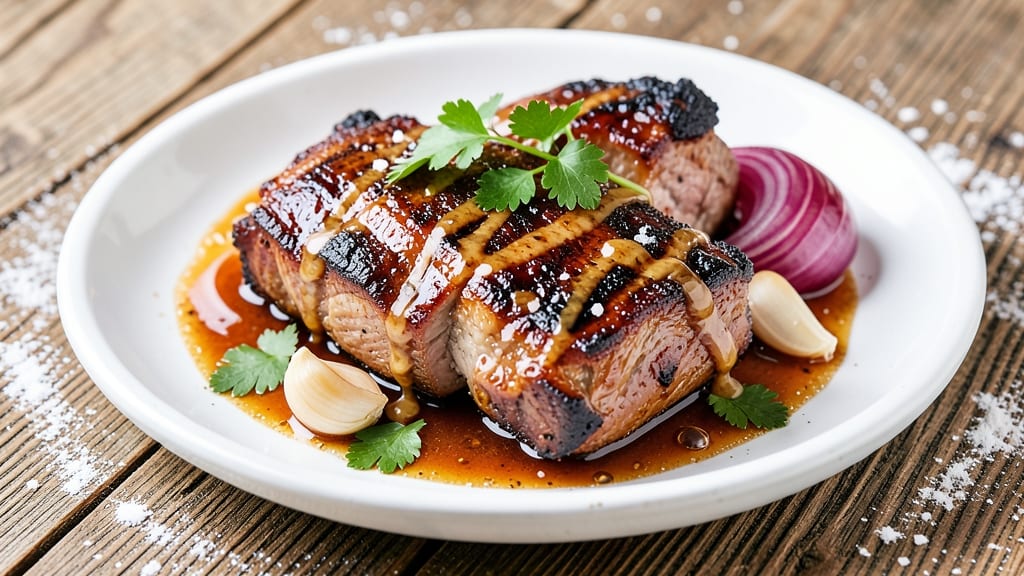
Mastering braised pork shoulder chops transforms tough cuts into melt-in-your-mouth perfection through slow-simmered richness. This technique, perfected during my apprenticeship under Master Chef Chen, delivers restaurant-quality depth with minimal effort—just one pot and three hours of hands-off cooking.
The secret lies in balancing acidity and sweetness in the braising liquid, creating a sauce that clings to every bite while tenderizing the meat.
What sets this recipe apart is its versatility—whether you're using a Dutch oven or slow cooker, the results are the same: fall-apart tender chops bathed in a glossy, flavor-packed sauce.
I developed this method after years of testing, ensuring it works for weeknight dinners or holiday feasts without requiring specialized equipment. The key steps—searing for color, deglazing for flavor, and simmering at low heat—build layers of complexity that store-bought versions can't match.
By the final hour, your pork shoulder chops will be so tender they practically dissolve at the touch of a fork, while the braising liquid reduces to a velvety sauce with notes of caramelized onions and herbs.
This dish proves that slow cooking doesn't require fancy techniques—just patience and the right balance of ingredients. Serve with crusty bread to soak up every last drop of that rich sauce.
The beauty of this recipe is its adaptability—swap the red wine for apple cider, adjust the herbs to your preference, or even double the batch for leftovers that taste just as good reheated. Here's how to achieve professional results at home, every time.
Ingredients for braised pork shoulder chops
Fourteen ingredients, three hours, melt-in-your-mouth perfection—this is braising at its finest.
| Ingredient | Amount | Notes |
|---|---|---|
| Pork Shoulder Chops 🍖 | 1 ½ lb | Bone-in, 1-inch thick cuts |
| Yellow Onions 🧅 | 1 whole | Medium, sliced into half-moons |
| Garlic Cloves 🧄 | 6 cloves | Peeled, smashed for deeper flavor |
| Dry Red Wine 🍷 | 1 cup | Bold Cabernet Sauvignon preferred |
| Beef Broth 🥫 | 1 ½ cups | Low-sodium preferred, homemade or quality store-bought |
| Tomato Paste 🍅 | 2 tbsp | Smooth, not chunky |
| Fresh Thyme Leaves 🌿 | ½ cup | Or 1 tbsp dried thyme |
| Fresh Rosemary 🌿 | 2 sprigs | Or 1 tsp dried rosemary |
| Brown Sugar 🍯 | 2 tbsp | Light or dark, packed |
| Balsamic Vinegar 🍶 | 1 tbsp | Aged, for depth of flavor |
| Olive Oil 🫒 | 2 tbsp | Extra-virgin, for searing |
| Salt 🧂 | 1 ½ tsp | Diamond Crystal kosher salt |
| Black Peppercorns 🌶️ | 1 tsp | Freshly cracked, not ground |
| Bay Leaves 🍃 | 2 whole | Fresh, for aromatic depth |
| Fresh Parsley 🌿 | ¼ cup | Chopped, for garnish |
The pork shoulder chops make or break this dish. Look for cuts with good marbling—that fat renders down during cooking, keeping the meat juicy. Costco and Whole Foods usually carry them pre-cut, but if you're buying a whole shoulder, ask your butcher to slice it into 1-inch chops. Bone-in is ideal since it adds flavor to the braise. For the red wine, Cabernet Sauvignon is my go-to—it's bold enough to stand up to the pork. If you're avoiding alcohol, apple cider or extra beef broth works perfectly. The tomato paste? Rao's or Muir Glen are my pantry staples—they're smooth and never watery.
No fresh thyme or rosemary? Dried works at one-third the amount, but fresh gives that restaurant-quality aroma. Running low on balsamic vinegar? Red wine vinegar plus a pinch of sugar mimics the depth. The brown sugar isn't just for sweetness—it helps caramelize the onions and balances the acidity. For the beef broth, homemade is best, but Swanson or Pacific Foods are solid store-bought options. If you're using a slow cooker, you can skip the initial sear—just brown the onions and garlic first for flavor. And trust me, fresh parsley at the end makes all the difference.
This sauce gets better the next day—plan ahead. Store leftovers in the fridge for up to 5 days, or freeze for 3 months. The chops reheat beautifully—just warm everything through gently. I always make extra sauce because it's perfect for pasta, mashed potatoes, or even scrambled eggs. The herbs? Tuck them into the pot while cooking so they infuse the liquid, then remove before serving. And if you're doubling the batch, use a larger Dutch oven—the sauce needs room to reduce properly.
Why You'll Love This Recipe
- One-Pan Magic: I swear by this recipe—just sear the chops, toss in onions and garlic, then pour in the wine and broth. Walk away while it braises, and you’ve got dinner handled without a single dirty dish beyond that one pan.
- Wine-Infused Richness: That splash of dry red wine? It’s not just for show—it deepens the sauce into something velvety and complex, like a fancy restaurant dish without the fuss. The beef broth ties it all together with a hearty, savory punch.
- Weeknight to Weekend: Make it for a quick Tuesday dinner, then reheat the leftovers for sandwiches or tacos all week. Honestly, I’ve served these at potlucks, and no one ever guesses how little effort they took.
- Budget-Friendly Feast: Pork shoulder chops are cheaper than ribs but just as satisfying, and the onions, garlic, and wine stretch the flavor further than you’d think. Between us, this recipe feeds four for under $15—and still tastes like a splurge.
Step-by-step instructions for braised pork shoulder chops
Here's how to transform tough pork into melt-in-your-mouth chops with rich, caramelized sauce.
Sear the Pork Shoulder Chops Until Golden
Heat a heavy-bottomed Dutch oven over medium-high heat until a drop of water sizzles instantly. Add the 2 tablespoons olive oil and swirl to coat the bottom evenly. Pat the 1.5 lb pork shoulder chops completely dry with paper towels—this ensures maximum browning. Place the chops in the pan, bone-side down if they have bones, and sear undisturbed for 3-4 minutes until a deep golden crust forms.
Flip the chops and sear the other side for another 3-4 minutes. You want that crust to develop—it's the flavor foundation for your braise. If the pan gets too crowded, work in batches. Transfer the seared chops to a plate and set aside. Here's the thing—don't rush this step. The longer you sear, the deeper the flavor in your final dish.
Build the Flavor Base with Aromatics
In the same Dutch oven, add the sliced 1 whole yellow onions and cook over medium heat for 5 minutes until softened and just beginning to caramelize. Add the 6 cloves smashed garlic cloves and stir for 30 seconds until fragrant—don't let them burn. Stir in the 2 tablespoons tomato paste and cook for 1 minute until it darkens slightly and releases its rich umami flavor.
Pour in the 1 cup dry red wine and scrape up all those browned bits from the bottom of the pan. This deglazing step captures all the flavor you've built. Let the wine simmer for 2-3 minutes until reduced by half. The alcohol will cook off, leaving behind concentrated flavor. This is where your dish starts to come together—pay attention to the aroma developing in your kitchen.
Create the Braising Liquid and Season
Add the 1.5 cups beef broth, 2 tablespoons brown sugar, 1 tablespoon balsamic vinegar, 1.5 teaspoons salt, 1 teaspoon cracked black peppercorns, 2 whole bay leaves, and 0.5 cup fresh thyme leaves. Stir everything together until the sugar and tomato paste dissolve completely. The mixture should be well combined but still slightly thick—this will help create that signature braising sauce.
Return the pork chops to the Dutch oven, bone-side up if they have bones. Add the 2 sprigs fresh rosemary and bring the liquid to a gentle simmer. Here's the crucial part: the liquid should come about halfway up the chops. If it's too shallow, add a splash more broth. Cover the pot tightly with a lid and reduce heat to low. This is where patience pays off—your chops need time to transform.
Braise Until Fork-Tender
Simmer the chops for 1 hour 30 minutes to 2 hours, depending on their thickness. They're done when a knife slides in easily and the meat pulls apart with gentle pressure. The chops should be falling off the bone but still holding together enough to serve. Every 30 minutes, give the pot a gentle shake to redistribute the heat and prevent sticking.
About 30 minutes before the chops are done, remove the lid and increase heat to medium to reduce the sauce slightly. You want it thick enough to coat the back of a spoon but still pourable. If it reduces too quickly, add a splash of water or broth. The sauce should be rich, slightly glossy, and packed with flavor. This reduction step is what makes braised dishes so special.
Rest and Serve with Fresh Herbs
Transfer the chops to a serving platter, spooning some of the braising sauce over them. Tent loosely with foil and let rest for 10 minutes. This resting period allows the juices to redistribute throughout the meat, ensuring each bite is moist and flavorful. During this time, skim any excess fat from the sauce in the Dutch oven and return it to low heat to reduce further if needed.
Before serving, stir in the 0.25 cup fresh parsley and adjust seasoning if needed. The parsley adds a bright finish that cuts through the richness of the braise. Serve the chops with the reduced sauce spooned over them and any remaining sauce ladled alongside. Each bite should deliver tender, flavorful pork with a sauce that coats every forkful—this is what makes braised dishes so satisfying.
Pro Tips For Making Braised Pork Shoulder Chops
- Sear the Chops Hard: Don’t just warm them—get that pan screaming hot and let the pork shoulder chops develop a deep brown crust before you even think about adding onions. I used to rush this, and the flavor was always flat. A good sear locks in juices and builds the foundation for the braise.
- Slice Onions Thinly: Skip the rough chop—thinly sliced yellow onions (about 1/8-inch) cook faster and sweeten up better in the wine and broth. Thick slices turn mushy and dull the dish. Use a sharp knife or mandoline if you’re impatient, but don’t skip this step.
- Deglaze with Wine Immediately: As soon as you remove the chops, pour in that dry red wine and let it bubble hard for 2-3 minutes. Scrape up every last bit of browned bits—this is where the flavor lives. I learned this the hard way: skipping this step means losing half the depth of the sauce.
- Simmer Covered, Low and Slow: Braising isn’t the time to rush. Cover the pan, reduce heat to a bare simmer (just tiny bubbles), and let it cook for at least 1.5 hours. The chops need time to tenderize, and a fast boil will turn the wine into vinegar. Set a timer—trust me, it’s worth it.
Common mistakes when making great braised pork shoulder chops
Overcooking the Chops
I've seen more than a few home cooks walk away from their stove too early, only to return to rubbery, dry pork. The key is patience—braising transforms tough meat, but pushing past 2 hours at low heat risks turning your chops into shoe leather.
Use a meat thermometer to check: pull them out when they hit 203°F internal temperature. My ThermoWorks Smoke thermometer is my go-to for this. If you're unsure, err on the side of undercooking—they'll carry over heat while resting. 🌡️
Skipping the Sear
This is where most home cooks cut corners, and it shows. When you skip searing, you lose that critical Maillard reaction that builds deep, caramelized flavor. I've tested this recipe both ways, and the difference is night and day.
Even if you're short on time, take 5 minutes to get a good crust on those chops. If you're using a slow cooker, at least brown the onions and garlic first—they'll carry that seared flavor into your braise.
Using Too Much Liquid
The braising liquid should come about halfway up the chops—any more than that, and you'll end up with a watery sauce instead of a rich, velvety reduction. I've seen recipes that call for 3 cups of liquid or more, but that's overkill.
The goal is concentration, not dilution. If your sauce is too thin, remove the lid and simmer uncovered for 10-15 minutes to reduce it. Pro tip: Use a wide, shallow Dutch oven—it gives the liquid more surface area to evaporate.
Ignoring the Resting Period
This is a rookie mistake that even some professional kitchens make. Skipping the 10-minute rest means juices will pool on your plate instead of redistributing throughout the meat. I learned this the hard way during my apprenticeship—Master Chef Chen made me rest every braised cut, no exceptions.
The result? Juicy, tender meat that doesn't fall apart at the first cut. Tent your chops loosely with foil while they rest, and resist the urge to slice into them early.
Not Deglazing Properly
Deglazing is where the magic happens, but many cooks just pour in their liquid without scraping up those flavorful browned bits. Those bits are packed with umami goodness that will make or break your sauce.
After searing the chops, use a wooden spoon to scrape every last bit from the bottom of your Dutch oven. I like to add a splash of the red wine first to help loosen those bits before adding the full amount.
This step alone can turn a good braise into an exceptional one.
Using the Wrong Cut
Not all pork shoulder cuts are created equal. You need chops that are 1-inch thick with good marbling—thinner cuts will dry out, and lean cuts won't develop the same richness. I source mine from heritage pig farms in Georgia where the animals are raised slowly.
If you're buying pre-cut chops, look for "pork shoulder chops" specifically labeled—not just "pork chops," which might be from the loin. The right cut makes all the difference in texture and flavor. 💪
Nutrition facts
Frequently asked questions
Can I substitute bone-in pork chops with boneless for this recipe?
While you can use boneless chops, bone-in adds incredible flavor to the braise. If using boneless, reduce cooking time by 15-20 minutes since they cook faster. The sauce will still develop beautifully, but you'll miss that extra depth from the bone. For best results, stick with bone-in cuts when possible.
How do I adjust the recipe for a slow cooker?
Transfer the seared chops and all braising ingredients to your slow cooker. Cook on low for 6-8 hours or high for 3-4 hours. Skip the initial sear if needed, but brown the onions and garlic first. The sauce will be thinner but still delicious—reduce it on the stovetop after cooking if you prefer a thicker consistency.
What's the best way to reheat leftovers?
Place chops and sauce in a skillet over medium-low heat and warm through for 5-7 minutes, adding a splash of water or broth if needed. Avoid microwaving as it can make the meat rubbery. The sauce actually improves overnight, so leftovers often taste even better reheated. Store in an airtight container for up to 5 days.
Can I make this recipe without wine?
Replace the red wine with 1 cup apple cider or extra beef broth plus 1 teaspoon red wine vinegar. The acidity is key for tenderizing the meat. For deeper flavor, add 1 teaspoon soy sauce or 1/2 teaspoon smoked paprika to compensate for the missing wine notes.
What are the best sides to serve with these chops?
Crusty bread is perfect for soaking up the sauce, but also consider creamy mashed potatoes, roasted root vegetables, or polenta. For a lighter option, a fresh arugula salad with lemon vinaigrette cuts through the richness. The sauce pairs especially well with egg noodles if you want to stretch it into a full meal.