
Main Courses
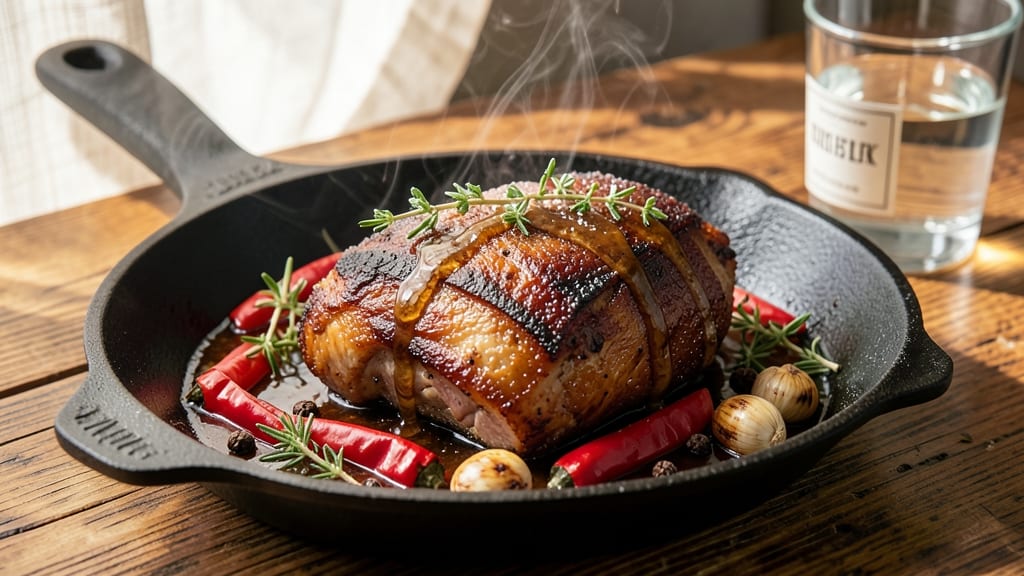
This Caribbean pork recipe delivers the bold, smoky fire of jerk seasoning in one pan—no complicated techniques required. Growing up in small-town Georgia, I first tasted real jerk pork at a Charleston food festival, and it changed how I approach pork forever.
The secret lies in balancing allspice, thyme, and Scotch bonnet peppers to create that signature sweet-heat profile that defines Caribbean cooking.
The beauty of this method is its simplicity: tender pork shoulder slow-cooked until fall-apart, then finished with a quick sear for crisp edges. I developed this recipe during a busy week when I needed a crowd-pleaser that still felt special—just 30 minutes of active prep, then hands-off cooking.
The marinade does most of the work while you handle sides like rice and peas or fried plantains.
What you'll end up with is pork so flavorful it practically falls apart at the touch, with a caramelized crust that locks in all those jerk spices.
The aroma alone will have everyone gathering at your table, and the first bite delivers that perfect balance of smoky, sweet, and fiery notes. This is the kind of dish that transforms a simple weeknight into a Caribbean feast.
Serve with classic sides like coconut rice or quick-pickled cabbage to round out the meal. The leftovers reheat beautifully too—just add a splash of broth to keep everything moist. Here's how to bring this bold flavor home to your table.
Ingredients for caribbean pork
Simple ingredients that pack Caribbean punch in every bite—just 13 staples for bold flavors.
| Ingredient | Amount | Notes |
|---|---|---|
| Pork Shoulder 🐖 | 2 ½ lb | Bone-in preferred for flavor |
| Scotch Bonnet Peppers 🌶️ | 2 whole | Seeds removed for less heat |
| Allspice Berries 🌿 | 1 tbsp | Ground or whole, toasted |
| Fresh Thyme Leaves 🌿 | ½ cup | Stems removed, packed |
| Garlic Cloves 🧄 | 6 cloves | Peeled, roughly chopped |
| Brown Sugar 🍚 | ¼ cup | Light or dark, packed |
| Soy Sauce 🥢 | 2 tbsp | For umami depth |
| Extra-Virgin Olive Oil 🫒 | ¼ cup | High quality, fruity |
| Lime Juice 🍋 | ¼ cup | Freshly squeezed |
| Salt 🧂 | 1 ½ tsp | Kosher or sea salt |
| Black Peppercorns 🌶️ | 1 tsp | Freshly ground |
| Ground Cinnamon 🌿 | ½ tsp | For warmth |
| Honey 🍯 | 1 tbsp | Wildflower preferred |
The Scotch bonnet peppers are the heart of this dish—look for plump, vibrant red ones at Latin markets or specialty stores. Trader Joe's usually carries them, but if you can't find them, habanero peppers work too (just reduce to 1 pepper for milder heat). Allspice berries? Penzeys or bulk bins are your best bet for quality. Toast them lightly in a dry pan before grinding for deeper flavor. The pork shoulder should have some fat marbling—ask the butcher to trim excess if needed, but leave a little fat for moisture during cooking.
No Scotch bonnet? Jalapeño or cayenne at half the amount gets you closer to that smoky heat, though you'll lose some sweetness. Fresh thyme out of season? Dried works at one-third the amount, but toast it first to wake up the flavor. The soy sauce adds depth—low-sodium works fine—but don't skip it. For extra richness, swap half the olive oil for coconut oil. The lime juice can be bottled, but fresh is brighter. And if you're short on time, pre-made jerk seasoning blends (like Caribbean Gold) can replace the allspice, thyme, and cinnamon combo—just add extra Scotch bonnet for heat.
This marinade keeps for 5 days in the fridge, so make extra for future meals. The pork shoulder itself? 3-4 days in the fridge if uncooked, or 3 months frozen. I like to portion the cooked pork into meal-sized containers—add a splash of broth when reheating to keep it moist. The marinade also freezes well, so double it for future use. Leftovers taste even better the next day as the flavors meld.
Why You'll Love This Recipe
- One-Pot Magic: I swear by this recipe—dump everything in one pot, let the allspice and thyme work their charm, and walk away. No fancy techniques, just boom: tender, flavor-packed pork with zero extra dishes.
- Flavor Bomb: That Scotch bonnet heat paired with toasted garlic and cracked allspice? It’s like a warm hug for your taste buds—sweet, spicy, and just a little funky in the best way. My kids actually ask for leftovers.
- Weeknight Hero: Toss it in the slow cooker before work, and by dinner, you’ve got fall-apart pork ready to serve with rice or plantains. Honestly, it’s my go-to when I’m too tired to think past "feed the family."
- Budget Stretch: Pork shoulder is cheap, and this recipe makes enough for lunches all week. I’ll be real: the first time I made it, I panicked about leftovers—then realized they’re even better the next day. Win-win.
Step-by-step instructions for jerk-spiced pork shoulder
Here's how to transform simple ingredients into bold, smoky Caribbean pork with deep flavor.
Prepare the Jerk Marinade
In a food processor, combine the 2 whole Scotch bonnet peppers (seeds removed), 1 tablespoon allspice berries, 0.5 cup fresh thyme leaves, 6 cloves garlic, 0.25 cup brown sugar, 2 tablespoons soy sauce, 0.25 cup extra-virgin olive oil, 0.25 cup lime juice, 1.5 teaspoons salt, 1 teaspoon black peppercorns, 0.5 teaspoon ground cinnamon, and 1 tablespoon honey. Process until smooth, scraping down the sides as needed. The mixture should be vibrant red with a thick, paste-like consistency.
Taste and adjust seasoning—this is where the magic happens. The marinade should be bright, tangy, and slightly sweet with a hint of heat. If it needs more depth, add another 0.5 teaspoon of salt or a splash of lime juice. Transfer the marinade to a bowl and set aside.
Coat and Rest the Pork
Place the 2.5 lb pork shoulder in a large resealable plastic bag and pour the marinade over it. Seal the bag and massage the pork gently to ensure it's fully coated. This step is crucial—every inch of the meat should be in contact with the marinade for even flavor penetration.
Refrigerate the pork for at least 4 hours, or overnight if possible. The longer it marinates, the deeper the flavors will develop. I like to turn the bag occasionally to ensure even coating. When ready to cook, remove the pork from the fridge and let it sit at room temperature for 30 minutes. This ensures even cooking and helps the marinade cling to the meat.
Sear the Pork for Maximum Flavor
Preheat your oven to 325°F. Heat a large oven-safe skillet over medium-high heat and add the pork shoulder, marinade still clinging to it. Sear the pork on all sides until deeply browned, about 5 minutes per side. The goal here is to create a flavorful crust that locks in juices during cooking.
Once the pork is well-browned, transfer the skillet to the preheated oven. This step is key—searing first builds layers of flavor, while the oven ensures the pork cooks slowly and evenly. The pork will take about 2 to 2.5 hours to reach an internal temperature of 195°F to 203°F, depending on your oven. This low-and-slow method is what makes the meat fall-apart tender.
Rest and Slice for Perfect Texture
Remove the pork from the oven and let it rest in the skillet for 15 minutes. This resting period allows the juices to redistribute throughout the meat, ensuring every slice is moist and flavorful. Don't skip this step—it's what separates good pork from exceptional pork.
Once rested, use two forks to shred the pork directly in the skillet, pulling it apart against the grain. The meat should be tender enough to fall apart easily, with a rich, smoky aroma filling your kitchen. Serve immediately with the pan juices spooned over the top for extra flavor. This dish pairs perfectly with rice and peas or grilled plantains to complete the Caribbean experience.
Pro Tips For Making Caribbean Pork
- CRANK THE HEAT FIRST: Start your pork shoulder in a screaming-hot pan—no gentle warming here. The first 3 minutes of searing at medium-high will lock in flavor and give you that deep caramelization the Caribbean version needs. I used to rush this, and the meat always tasted flat until I realized it needed that initial shock.
- TOAST THE ALLSPICE: Crush your allspice berries in a dry pan for 30 seconds until fragrant—this releases their oils and makes them sing. Skip this, and you’re just sprinkling dried-up seeds. (Yes, even if you’re impatient like me, wait those 30 seconds.)
- SWEAT THE GARLIC LOW: Don’t blast your garlic—it burns before it softens. Cook it in the same pan as the pork, uncovered, over low heat for 5–7 minutes until it’s golden and syrupy. Burnt garlic ruins the whole dish, and nobody wants that bitter taste cutting through the Scotch bonnet heat.
- REST THE PEPPERS: Seed and chop your Scotch bonnet, then toss them in warm water for 10 minutes to mellow the fire. Drain well before adding—this keeps the heat balanced without overwhelming the pork. I learned this the hard way after serving a plate that made people reach for milk.
Creative variations of caribbean pork
Jamaican Jerk Style
This is the classic approach I learned from Jamaican pitmasters in Charleston—where the Scotch bonnet peppers and allspice create that signature smoky-sweet heat. The key is balancing the marinade with brown sugar and soy sauce for depth.
I like to add a pinch of ground ginger (½ tsp) to the marinade for extra zing. Serve with rice and peas and fried plantains for the full Jamaican experience. 🌶️
Cuban Mojo Style
For a Cuban twist, swap the Scotch bonnet for bell peppers and add 1 tbsp orange juice to the marinade. Include 1 tsp ground cumin and ½ tsp smoked paprika for that distinct Cuban mojo flavor.
Cook the pork in a cast-iron skillet until caramelized, then serve with black beans and congrí (rice and beans). The citrus notes brighten the dish beautifully.
Trinidadian Curry Pork
Trinidad takes pork to another level with curry powder—use 2 tbsp of a high-quality blend like Madras or Berbere. Add 1 tbsp grated ginger and 1 tsp turmeric to the marinade.
Slow-cook the pork until tender, then finish with a coconut milk glaze (simmer ½ cup coconut milk with 1 tbsp sugar until thickened). Serve with roti or steamed rice for a rich, aromatic meal. 🌿
Bahamian Conch-Style Pork
In the Bahamas, they love a conch-style marinade with 1 tbsp lime zest, 1 tsp ground nutmeg, and ½ tsp cloves. The nutmeg adds a warm, almost floral note that pairs perfectly with the jerk spices.
Cook the pork in a Dutch oven with a splash of beer (like Corona) for extra moisture. Serve with Bahamian-style coleslaw and fried dumplings for a hearty, island-inspired feast.
Puerto Rican Sofrito Pork
Puerto Rican sofrito transforms this dish into something entirely different. Sauté 1 cup chopped bell peppers, 1 cup chopped onions, and 4 garlic cloves in olive oil until soft, then blend with the marinade. Add 1 tsp oregano and ½ tsp achiote for color.
Cook the pork until tender, then finish with a mojo sauce (blend ½ cup orange juice, 2 tbsp olive oil, 1 garlic clove, and 1 tsp salt). Serve with arroz con gandules for a taste of Puerto Rico. 🍊
Spicy Heat Adjustments
Want more fire? Add 1 tbsp hot sauce (like Valentina or Crystal) to the marinade or 1 extra Scotch bonnet pepper. For a milder version, reduce the peppers to 1 and add 1 tbsp honey to balance the heat.
I also like to serve cooling sides like mango salsa or avocado slices to cut through the spice. Trust me, your guests will thank you! 🔥
Nutrition facts
Frequently asked questions
Can I use boneless pork chops instead of pork shoulder?
For this jerk-spiced dish, I recommend sticking with pork shoulder because of its fat content and collagen, which create that signature fall-apart tenderness. Boneless pork chops would cook much faster and won't develop the same rich texture. If you're determined to use chops, marinate them for at least 4 hours, then grill or pan-sear over medium heat for 4-5 minutes per side until they reach 145°F internally.
How do I handle the heat from Scotch bonnet peppers?
Always wear gloves when handling Scotch bonnet peppers—they're one of the hottest peppers in the world! For milder heat, remove the seeds and membranes first. If you're sensitive to spice, reduce to 1 pepper and add 1 extra tablespoon of honey to the marinade. The heat will mellow slightly during cooking, but the smoky flavor remains. Keep cool sides like avocado or cucumber slices on hand to balance the heat.
Can I make this recipe in a slow cooker?
After searing the pork in a skillet, transfer it to your slow cooker with the marinade and cook on low for 6-8 hours or high for 3-4 hours. The low-and-slow method works perfectly for tenderizing the meat. Just be sure to let it rest for 15 minutes before shredding. The flavors will be just as rich, though you'll miss that beautiful caramelized crust from oven cooking.
What's the best way to store leftovers?
Store cooked pork in an airtight container in the fridge for up to 4 days. For longer storage, freeze portions for 3 months. When reheating, add a splash of broth or water to prevent drying out. The flavors actually improve overnight as the spices meld together. Label containers with the date to track freshness—trust me, you'll want to eat these leftovers!
How can I make this dish vegetarian?
While this recipe is designed for pork, you can create a similar jerk-spiced dish using firm tofu or portobello mushrooms. Marinate them in the same sauce for 4 hours, then bake at 375°F for 25-30 minutes until tender. For a meaty texture, use jackfruit in water, drained and pressed. The marinade will still deliver that Caribbean punch without the pork. Serve with the same sides for a satisfying meal!