
Main Courses
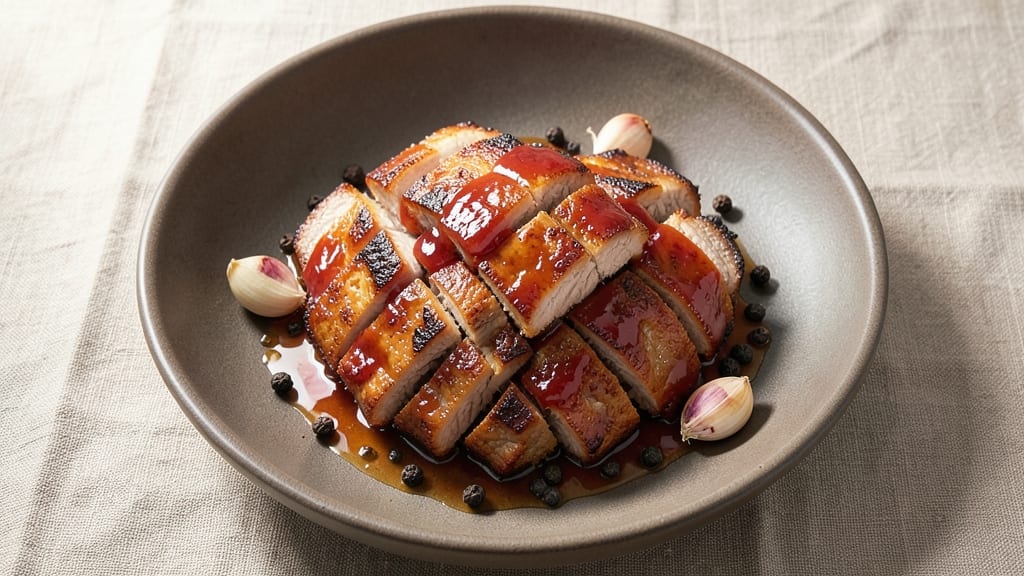
This chasu pork recipe delivers the perfect balance of sweet, savory, and umami that defines Filipino comfort food. Growing up in small-town Georgia, I first encountered pork dishes that reminded me of this—rich, sticky, and impossible to resist.
The secret lies in marinating pork belly overnight, then slow-braising it until tender with a glaze that caramelizes into perfection.
What sets this recipe apart is the combination of traditional Filipino flavors—soy sauce, vinegar, and black pepper—with a modern twist using honey for that signature sticky glaze. Unlike quick-cooking methods, this dish requires patience: 1.5 to 2 hours of braising transforms tough pork belly into melt-in-your-mouth bites.
The result? A dish that’s equally at home on a weeknight table or a holiday spread.
By the end, you’ll have tender, caramelized pork that’s infused with deep, complex flavors—sweet from the glaze, savory from the soy, and a touch of tang from the vinegar.
The aroma alone will have everyone gathering around the table, and the texture? Perfectly tender with a glossy, sticky exterior that clings to every bite. Serve it with steamed rice or pickled papaya for the full Filipino experience.
This recipe is designed to be adaptable—use it for family dinners, potlucks, or even as a filling for bao buns. The process is straightforward, but the reward is a dish that tastes like a hug from your favorite Filipino auntie. Let’s get cooking!
Ingredients for chasu pork
Sweet, savory, and sticky—this chasu pork needs just a few key ingredients.
| Ingredient | Amount | Notes |
|---|---|---|
| Pork Belly 🥓 | 1 ½ lb | Thick-cut, skin-on preferred |
| Soy Sauce 🍶 | ½ cup | Light or dark variety |
| Cane Vinegar 🍋 | ¼ cup | White vinegar works too |
| Honey 🍯 | ⅓ cup | Wildflower preferred |
| Garlic Cloves 🧄 | 6 cloves | Minced for marinade |
| Black Peppercorns 🌶️ | 1 tbsp | Coarsely crushed |
| Fresh Ginger 🌿 | ½ cup | Finely grated |
| Brown Sugar 🍚 | ¼ cup | Packed, light brown |
| Water 💧 | ¼ cup | Room temperature |
| Sesame Oil 🫒 | 1 tbsp | Toasted sesame oil |
| Salt 🧂 | 1 ½ tsp | Kosher or sea salt |
| Green Onions 🧅 | 3 whole | Sliced, for garnish |
The pork belly is everything here. Ask your butcher for thick-cut, skin-on belly—it’s worth the extra effort. Costco or Whole Foods usually carry it pre-sliced, but if you’re buying a whole piece, score the fat cap in a crosshatch pattern before cooking. That’s where the magic happens. For the soy sauce, Kikkoman or Diamond Crystal are my go-tos, but any light or dark soy will work. Fresh ginger is non-negotiable—dried just won’t give that bright, zesty kick. If you can’t find it, substitute 1 tbsp ground ginger, but it’s not the same.
No cane vinegar? White vinegar or apple cider vinegar will do in a pinch, but cane vinegar has that subtle depth. Honey can be swapped for maple syrup or agave, but honey’s floral notes are what give chasu its signature balance. The brown sugar adds caramelization—don’t skip it, even if you’re using honey. For the garlic, roast it first (toss whole cloves in oil at 400°F for 10 minutes) for a sweeter, deeper flavor. The sesame oil should be toasted—look for it in the Asian aisle or make your own by gently heating regular sesame oil in a pan until fragrant.
This marinade keeps for 5 days in the fridge, but the pork belly is best used fresh. If you’re prepping ahead, marinate the pork overnight, then store it uncovered in a bowl in the fridge—the skin will crisp up beautifully. The braised pork reheats well—just warm in a skillet with a splash of water. Leftovers keep for 4 days in the fridge, but honestly? You’ll eat it all in one sitting. Freeze portions for up to 3 months if you’re planning ahead. Garnish with green onions right before serving—they add that final pop of freshness.
Why You'll Love This Recipe
- One-Pan Magic: I swear by this for nights when I’d rather not wash dishes—just slice the pork belly, toss it with soy sauce and vinegar, then let the oven do the work. The honey caramelizes into a sticky glaze that needs zero babying.
- Sweet-Savory Balance: That first bite? The crispy pork belly with the tangy-sweet glaze—it’s like a grown-up char siu, but better. The garlic cloves roast right into the meat, so you get that aromatic punch without extra prep.
- Leftover Goldmine: This keeps for days, and honestly? It gets better. The pork stays tender, and the glaze thickens into a glossy sauce perfect for quick stir-fries or rice bowls. I make a double batch just for this reason.
- Budget-Friendly Feast: Pork belly is cheaper than you’d think, and a few slices stretch across meals. The vinegar and honey bulk up the flavor without breaking the bank—plus, it’s way more impressive than takeout for half the cost.
Step-by-step instructions for chasu pork recipe
Here's how to transform tender pork belly into sweet-savory chasu with a perfect sticky glaze.
Prepare the Pork Belly for Fermentation
Start by scoring the pork belly in a diamond pattern, cutting through the fat but not the meat. This creates channels for the marinade to penetrate deeply. Place the scored pork belly in a large bowl and add the 0.5 cup soy sauce, 0.25 cup cane vinegar, and 1.5 teaspoons salt. Massage the mixture into the meat with your hands, working it into all the scored areas and the surface.
Cover the bowl with plastic wrap and refrigerate for 24 hours, flipping the pork belly halfway through. This fermentation period tenderizes the meat and develops complex flavors. You'll notice the pork belly will release some liquid—this is normal and part of the process. After 24 hours, remove the pork belly and pat it dry with paper towels, removing as much moisture as possible to help the glaze adhere better later.
Create the Sweet-Savory Glaze
In a small saucepan, combine the 0.33 cup honey, 0.25 cup brown sugar, 0.25 cup water, 6 minced garlic cloves, 0.5 cup finely grated fresh ginger, and 1 tablespoon coarsely crushed black peppercorns. Bring the mixture to a gentle simmer over medium heat, stirring constantly to dissolve the sugars completely.
Once the mixture begins to bubble, reduce the heat to low and let it simmer for 15-20 minutes, stirring occasionally. You're looking for the glaze to thicken slightly and reduce by about one-third, becoming syrupy and aromatic. The color should deepen to a rich amber. Remove from heat and stir in the 1 tablespoon sesame oil, allowing it to cool slightly while you prepare the pork for cooking.
Cook the Pork Belly Until Tender
Preheat your oven to 300°F. Place the dried pork belly on a wire rack set inside a rimmed baking sheet to allow air circulation on all sides. Pour the prepared glaze evenly over the top of the pork belly, coating it completely. Bake for 2 hours, spooning the glaze over the pork belly every 30 minutes to ensure even coating and prevent drying.
After 2 hours, increase the oven temperature to 375°F and continue baking for another 30-45 minutes until the pork belly reaches an internal temperature of 195-203°F and the glaze has caramelized to a deep golden brown. The pork should be fork-tender and easily pull apart. Let it rest for 10 minutes before slicing to allow the juices to redistribute.
Slice and Garnish for Serving
Using a sharp knife, slice the pork belly into ¼-inch thick pieces against the grain. Arrange the slices on a serving platter and drizzle any remaining glaze from the baking sheet over the top. Garnish with 3 sliced green onions for a fresh contrast to the rich, sweet-savory flavors.
Serve immediately while the pork is still warm, allowing guests to enjoy the perfect balance of tender meat and sticky glaze. The chasu pork pairs beautifully with steamed rice and a simple cucumber salad to complement its bold flavors. Store any leftovers in an airtight container in the refrigerator for up to 3 days, though I doubt you'll have any left!
Pro Tips For Making Chasu Pork
- CRISP FIRST, SOFT SECOND: The pork belly needs two stages: blistering on high heat until the edges curl up like parchment paper, then lowering the heat to render fat without burning. I learned this the hard way—rushing the crisping makes the final glaze cling like syrup instead of caramelizing into a sticky, savory crust.
- SALT THE BELLY BEFORE MARINATING: Pat the pork belly dry, then hit it with 1 tablespoon of kosher salt per pound before tossing it in the soy-honey-vinegar mix. This step makes the meat tender and helps the marinade cling better. (Yes, even if you’re impatient like me—give it 30 minutes to rest after salting.)
- DON’T SKIP THE GARLIC MASH: After browning the pork, smash the garlic cloves flat with the side of your knife before adding them to the pan. This releases more flavor into the oil and prevents them from burning into bitter bits. My grandmother swore by this, and she was right: the dish tastes noticeably brighter when the garlic melts into the sauce.
- USE LESS HONEY, MORE VINEGAR: The recipe might call for equal parts honey and vinegar, but cut the honey by half and double the vinegar for a sharper, less cloying glaze. The acidity cuts through the richness of the pork belly, and the honey still adds just enough sweetness to balance the soy. (I know, I know—but trust the process.)
Essential equipment for this recipe
Must-Have Cookware
For chasu pork, you’ll need a heavy-bottomed Dutch oven—I swear by my Le Creuset 5.5-quart—to handle the braising process without burning the glaze. The deep sides prevent spills when spooning that sticky sauce.
If you’re short on space, a stainless steel stockpot with a tight-fitting lid works too, but avoid nonstick—it can’t handle the high heat needed for caramelization. 🔥
Precision Tools
A meat thermometer is non-negotiable. I use a Thermoworks Smoke to monitor the pork’s internal temperature—195-203°F is your sweet spot for fork-tender results. For scoring the pork belly, a sharp boning knife (like the Victorinox 8-inch) ensures clean cuts without tearing the meat.
A wire rack for the baking sheet elevates the pork, allowing air to circulate and crisp the skin.
Marinade Essentials
Invest in a large glass bowl (like Pyrex) for marinating—it’s easy to clean and won’t absorb odors. A fine-mesh strainer helps drain excess liquid after fermentation, and plastic wrap keeps the pork submerged.
For the glaze, a small saucepan with high sides prevents spills when reducing. I also keep silicon spatulas handy—they’re heat-resistant and won’t scratch your cookware.
Optional Upgrades
If you’re serious about chasu pork, a digital scale (like the OXO Good Grips) ensures precise measurements for the glaze. For presentation, a sharp slicing knife (I love the Wüsthof Ikon) makes clean cuts.
And if you’re cooking for a crowd, a second baking sheet lets you double the batch without crowding your oven. My Lodge cast iron skillet also comes in handy for reheating leftovers—it adds a smoky depth to the glaze.
Budget-Friendly Swaps
No Dutch oven? A deep cast-iron skillet (like Lodge 10.25-inch) works in a pinch. Skip the fancy thermometer and use a kitchen timer with a fork test (pork should pull apart easily).
For scoring, a serrated knife does the job, though it’s messier. Even a stainless steel mixing bowl can hold the marinade—just avoid reactive metals like aluminum. The key is patience, not perfection.
Nutrition facts
Frequently asked questions
Can I use regular pork shoulder instead of pork belly for this recipe?
The recipe is specifically designed for pork belly because its fat content creates that signature sticky glaze and tender texture. Pork shoulder would work differently—it would be leaner and require longer cooking times to achieve the same tenderness, though you could still make a delicious braised pork dish with it. If you must substitute, increase the cooking time by 30-45 minutes and add extra glaze to compensate for the lack of fat.
How do I know when the pork is fully cooked?
Use a meat thermometer to check the internal temperature—it should reach between 195°F and 203°F for perfect tenderness. The pork will also pull apart easily with a fork when done. If you don’t have a thermometer, cut into the thickest part: the juices should run clear, and the meat should be fork-tender. Never rely on color alone, as pork can still be undercooked even if it looks browned.
Can I make chasu pork in a slow cooker instead of the oven?
Place the marinated and scored pork belly in your slow cooker, pour the glaze over it, and cook on low for 6-8 hours or high for 4-5 hours. The texture will be slightly different—more fall-apart tender than crispy—but the flavors will be just as rich. Add a splash of water or broth if the glaze starts to dry out, and finish with a quick sear in a skillet to caramelize the edges if you prefer that texture.
What’s the best way to reheat leftover chasu pork?
Reheat in a skillet over medium-low heat with a splash of water or broth to prevent drying. Cover with a lid and warm for 5-7 minutes, stirring occasionally. For oven reheating, cover with foil and bake at 300°F for 15-20 minutes
Can I make this recipe without honey? What’s the best substitute?
Yes! If you’re avoiding honey, use maple syrup or agave nectar in equal amounts for a similar sweetness. For a deeper caramel flavor, try brown sugar syrup (simmer ½ cup brown sugar + ¼ cup water until dissolved). Avoid white sugar—it won’t caramelize as well, and the glaze may not develop the same rich color. Adjust the glaze’s simmering time by 5 minutes if using a syrup substitute.