
Main Courses
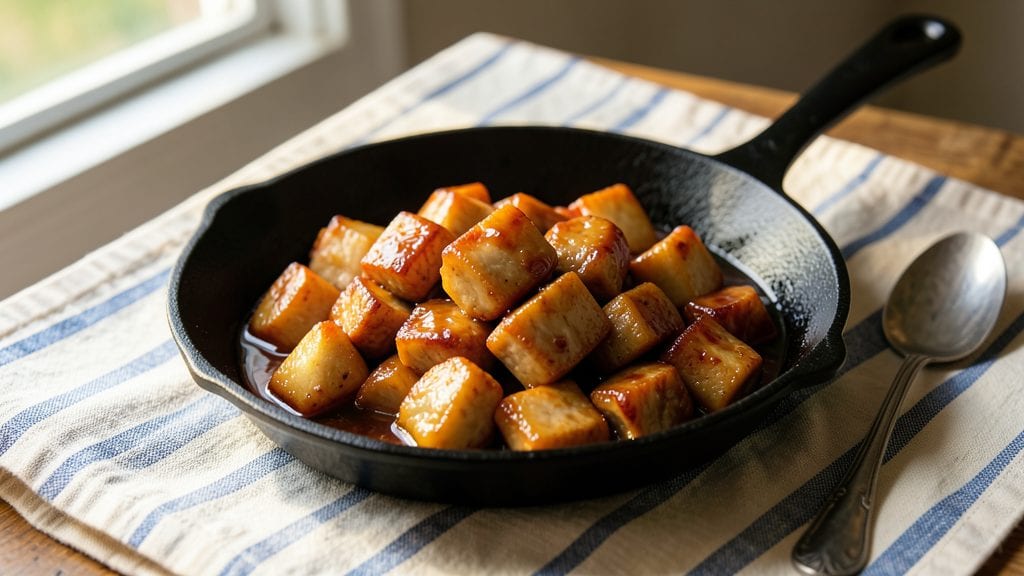
Mastering Chinese pork belly stir fry means achieving that perfect contrast—crispy-skinned, silky-centered bites that balance sweetness and savory depth. Growing up in small-town Georgia, I learned pork transforms with the right technique, and this recipe proves it works across cuisines.
The secret lies in high-heat stir-frying and a sauce that clings without overwhelming.
This method delivers restaurant-quality results at home using just five core ingredients: pork belly, light soy sauce, oyster sauce, garlic, and ginger.
The key is rendering fat first to crisp the skin while keeping the interior tender, then tossing with a sauce that enhances rather than masks the pork's natural flavor. Every bite should offer that satisfying crunch followed by melt-in-your-mouth texture.
What sets this recipe apart is the balance—sweet from the pork's natural sugars, umami from the soy and oyster sauce, and freshness from scallions. Serve over steamed rice or with bok choy to complete the meal.
The technique is straightforward but requires attention to heat control, which makes all the difference between good and exceptional.
For those new to stir-frying, start with a well-heated wok or cast iron skillet—my vintage piece handles heat perfectly—and work in batches to avoid steaming the pork.
The result? A dish that captures the essence of Chinese home cooking while satisfying any pork lover's craving. Let's get started on creating this crowd-pleaser.
Ingredients for chinese pork belly stir fry
Five core ingredients transform simple pork belly into restaurant-quality stir fry magic.
| Ingredient | Amount | Notes |
|---|---|---|
| Pork Belly 🥓 | 1 ½ lb | Skin-on, cut into 1-inch cubes |
| Light Soy Sauce 🥄 | ¼ cup | For marinade and sauce |
| Oyster Sauce 🦪 | ⅛ cup | High-quality, for depth of flavor |
| Garlic Cloves 🧄 | 6 cloves | Mince finely for aromatic base |
| Fresh Ginger 🌿 | 2 tbsp | Grated, for zesty brightness |
| Scallions 🧅 | ¼ cup | Thinly sliced, for fresh finish |
| Neutral Oil 🫒 | ½ cup | Peanut or vegetable oil for frying |
| Brown Sugar 🍯 | 1 tbsp | Enhances natural pork sweetness |
| Sesame Oil 🌰 | 1 tsp | For finishing aroma |
| White Pepper 🌶️ | ½ tsp | Freshly ground for subtle heat |
| Steamed White Rice 🍚 | 2 cups | Cooked, for serving |
The pork belly is non-negotiable—thick-cut with skin delivers that signature crunch. Look for marbled cuts at specialty butchers or the meat department of Whole Foods. If you can't find it pre-cut, ask for a 1.5 lb slab and cube it yourself (wear gloves—it's fatty!). The skin should be thick enough to crisp but not so tough it's chewy. For best results, let it sit at room temperature for 30 minutes before cooking to ensure even browning. If you're short on time, Costco often carries pre-sliced pork belly in the frozen section.
No oyster sauce? Hoisin sauce plus a splash of fish sauce works in a pinch, though the umami won't be identical. The light soy sauce is crucial—dark soy sauce adds color but overpowers. Fresh ginger and garlic should be bright and firm—no shriveled roots here. For scallions, use the green parts too if you're feeling adventurous (they're milder). The brown sugar enhances the pork's natural sweetness, so don't skip it—coconut sugar works too if you're avoiding refined options. And that sesame oil? Use the toasted kind—it makes all the difference in aroma.
Pork belly keeps 3-4 days in the fridge, wrapped tightly in parchment paper. For longer storage, freeze it for up to 6 months—thaw overnight in the fridge before cubing. The cooked pork reheats beautifully in a 350°F oven for 10 minutes, though it loses some crispiness. Make extra sauce and store it separately—it keeps for 1 week in the fridge. The rice? Cook a big batch and freeze portions—microwave with a splash of water to revive it later. This dish tastes even better the next day as flavors meld.
Why You'll Love This Recipe
- Fewer Ingredients, Bigger Impact: I swear by this—just five core ingredients (yes, even the ginger) transform simple pork belly into something restaurant-worthy. No weird pantry searches or obscure spices here; what you’ve got in your fridge will do the trick.
- Crispy-Creamy Magic: That first bite? Chef’s kiss. The pork belly gets a caramelized crust from the wok heat, while the inside stays juicy—all thanks to a splash of oyster sauce and light soy. Honestly, the balance of salty, umami, and a hint of garlic is my new favorite flavor combo.
- Leftover Goldmine: This dish actually improves the next day. Reheat it, toss with rice, or throw it in a wrap—it’s that versatile. (Between us, I’ve even used it as a filling for dumplings. Don’t judge.)
- Budget-Friendly Luxury: Pork belly feels fancy, but here it’s a steal. A single slab stretches across meals, and the sauces (soy + oyster) cost pennies. It’s the kind of dish that makes you feel like you’re treating yourself without breaking the bank.
Step-by-step instructions for Chinese pork belly stir fry
Master the balance of crispy skin and tender meat with this precise technique.
Prepare the Pork Belly for Maximum Crisp
Cut the 1.5 lb pork belly into 1-inch cubes, leaving the skin intact on each piece. This skin will become your crispy shield. Place the cubes in a bowl and pour over the 0.25 cup light soy sauce, 0.125 cup oyster sauce, and 1 tbsp brown sugar. Mix gently to coat evenly - you want the marinade to penetrate but not dissolve the skin.
Cover and refrigerate for at least 4 hours, or overnight for deeper flavor. The longer it marinates, the more tender the meat becomes. After marinating, pat each cube dry with paper towels - this critical step removes excess moisture that would prevent crisping. Arrange them on a wire rack set over a baking sheet and refrigerate uncovered for 1 hour. The cold surface helps render fat while keeping the meat firm.
Render Fat and Build Flavor Foundation
Heat 0.25 cup neutral oil in a wok or deep skillet over medium heat until shimmering. Add the marinated pork belly pieces skin-side down and cook undisturbed for 8-10 minutes until the skin turns golden brown and crispy. Here's the thing - don't move them during this time. The fat needs to render slowly to create that perfect crackling texture.
Once the first side is crispy, flip carefully and cook another 6-8 minutes until the skin is evenly golden. Remove the pork belly and set aside, leaving the rendered fat in the pan. This fat is liquid gold for your stir fry - it contains all the concentrated pork flavor you'll need later.
Create the Signature Sauce
Increase heat to medium-high and add the remaining 0.25 cup neutral oil to the wok. Add the 6 minced garlic cloves and 2 tbsp grated fresh ginger, cooking for 30 seconds until fragrant. Immediately add the 0.25 cup thinly sliced scallions and stir for 1 minute until bright green. Here's where it gets fun - pour in the pork belly pieces and any accumulated juices from the marinade.
Sprinkle with 0.5 tsp freshly ground white pepper and toss everything together for 2 minutes. The pepper adds subtle heat that complements the rich pork flavor. Remove from heat and stir in 1 tsp sesame oil - this adds that unmistakable aromatic finish that makes this dish truly Chinese-inspired.
Finish with Perfect Texture Contrast
Return the wok to medium heat and let the pork belly pieces sit undisturbed for 1 minute to develop additional crispiness on the exposed sides. Then toss gently for 30 seconds to redistribute the sauce. The pork should now have crispy skin on all sides while remaining silky in the center - this is the perfect texture contrast you're aiming for.
Serve immediately over 2 cups steamed white rice, spooning the pork and sauce directly onto each portion. The rice acts as a sponge, soaking up all the flavorful juices while providing the perfect neutral base. The dish should be served while the pork is still crispy - the texture changes quickly once removed from heat.
Pro Tips For Making Chinese Pork Belly Stir Fry
- PREP THE BELLY RIGHT: Score the pork belly in a crosshatch pattern with a sharp knife—about ½-inch apart—and pat it bone-dry with paper towels before cooking. I learned this the hard way: skipping the scoring means uneven rendering, and damp skin = sad, greasy stir-fry instead of crispy edges.
- SALT THE GINGER: Lightly salt the sliced ginger and let it sit for 5 minutes before cooking. It softens the fibers and mellows the bite—trust me, your stir-fry won’t taste like a ginger punch. (Yes, even if you’re impatient like me.)
- STIR-FRY IN BATCHES: Don’t overcrowd the pan—cook the pork belly in two batches if needed. Piling it high steams the meat instead of searing it, and you’ll end up with greasy, soggy slices instead of that glorious caramelized crust everyone craves.
- DEGLAZE WITH SOY: After removing the pork, splash in 1 tablespoon of light soy sauce and scrape up those browned bits—this adds depth without overpowering. I used to skip this, and the sauce always tasted flat. Now it’s the thing that makes the dish sing.
Perfect pairings for this chinese pork belly stir fry
Classic Side Pairings
Steamed jasmine rice is non-negotiable—its delicate floral notes complement the pork's richness without competing. I use Day Break brand jasmine rice because it absorbs the pork juices beautifully while maintaining a light texture.
For a heartier option, try bok choy stir-fry—blanch 4 cups baby bok choy for 2 minutes in the same rendered pork fat, then toss with 1 tsp soy sauce and ½ tsp sesame oil. The slight bitterness cuts through the pork's richness. 🥗
Fresh Vegetable Contrasts
Thinly sliced shredded cabbage adds satisfying crunch—toss 3 cups with 1 tbsp rice vinegar and ½ tsp sugar before serving. For color, add steamed snap peas or carrot ribbons—their natural sweetness enhances the pork's flavor.
I often serve these on the side because they soften quickly when mixed with the hot pork. The contrast in temperatures keeps every bite exciting.
Dipping Sauces
My go-to is a quick chili garlic sauce—mix 2 tbsp chili oil (like Lao Gan Ma brand), 1 tbsp soy sauce, and 1 tsp honey. For something milder, blend ¼ cup hoisin sauce with 1 tsp grated ginger and a splash of rice vinegar.
These sauces let guests customize their heat level while adding another flavor dimension to the meal. 🌶️
Beverage Pairings
Jasmine tea is my default choice—its floral notes mirror the rice while cleansing the palate between bites. For alcohol, a crisp dry Riesling from Germany balances the dish's richness with its bright acidity.
If you prefer beer, try a light lager like Asahi Super Dry, which won't overpower the pork's delicate flavors. Avoid heavy reds or sweet wines—they'll make the dish taste heavier than intended.
Garnish Finishes
Fresh cilantro leaves add a bright pop of color and freshness—sprinkle ¼ cup over each serving just before eating. For extra flair, toast 1 tbsp sesame seeds in a dry pan until golden, then sprinkle over the top.
These final touches elevate the dish from home-cooked to restaurant-quality without changing the core flavors. The garnishes should complement, not overpower—the pork is the star. ✨
Nutrition facts
Frequently asked questions
Why does the pork belly need to marinate overnight?
The overnight marinade works magic by tenderizing the meat's connective tissue while infusing it with flavor. The soy and oyster sauces break down proteins, creating that silky texture you crave. Plus, the sugar in the marinade caramelizes slightly during cooking, adding natural sweetness that balances the savory notes. Skip this step, and you'll miss out on that restaurant-quality melt-in-your-mouth quality.
Can I use a regular skillet instead of a wok?
While woks excel at high-heat stir-frying, a heavy-bottomed cast iron skillet works perfectly. The key is maintaining medium-high heat and working in batches to avoid steaming. Just be patient with the cooking time—skillets may need 1-2 extra minutes per side to achieve the same crispiness. My vintage cast iron handles this dish beautifully, and it's what I use when I'm cooking for my family.
What if my pork belly isn't crispy?
Crispy skin is all about moisture control and heat. First, ensure you pat the pork completely dry before cooking—even tiny droplets of water will prevent browning. Second, cook undisturbed over medium heat until golden brown, about 8-10 minutes per side. If it's still soft, increase the heat slightly and crisp for another 3-4 minutes. Pro tip: Let the pork rest on a wire rack in the fridge for 1 hour before cooking to render excess fat.
How do I make this dish spicier?
For heat lovers, add ½ teaspoon of chili flakes to the marinade or sprinkle 1 teaspoon of gochujang (Korean chili paste) into the sauce. For a smoky kick, toss the cooked pork with ½ teaspoon of smoked paprika before serving. Remember, Chinese cuisine often uses white pepper for subtle heat—don't overdo it, or the pork's delicate flavor will get lost.
Can I prep this ahead of time?
Yes! Marinate the pork belly up to 2 days in advance for deeper flavor. Cook the pork completely through but don't crisp the skin—reheat gently in a 350°F oven for 10 minutes before finishing with a quick sear in a hot pan. The sauce can be made a day ahead and reheated with a splash of water. For best texture, crisp the skin fresh—it's worth the final effort.