
Main Courses
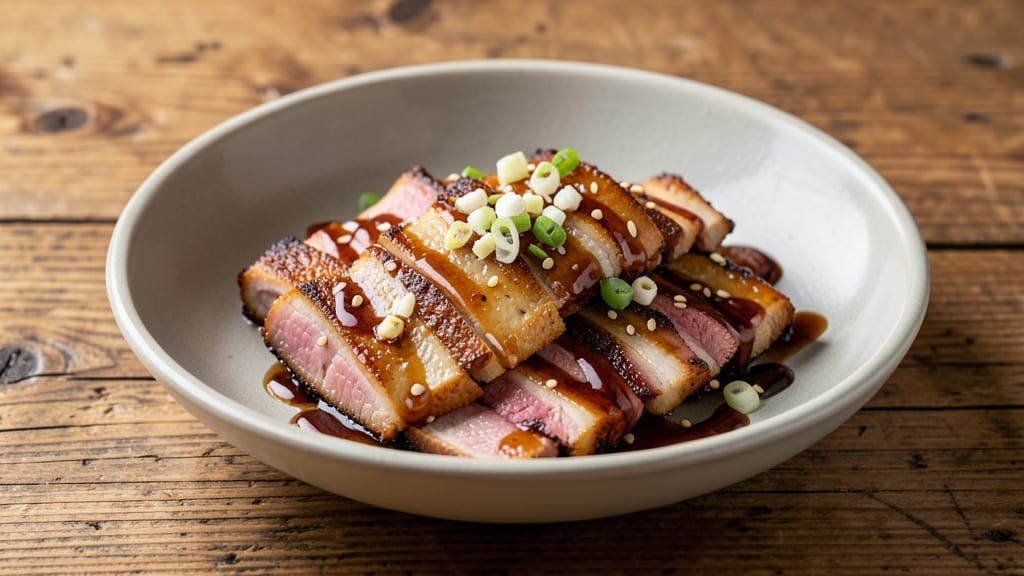
Craving that perfect balance of crispy, caramelized pork belly with a rich, umami-packed oyster sauce?
This recipe delivers the restaurant-quality results I’ve perfected through years of working with heritage pork—where every bite combines tender meat with a glaze that’s both bold and refined. 🔥 The secret lies in slow-rendering the fat for that signature crackle while reducing the sauce to a syrupy perfection that clings to every bite.
What sets this apart isn’t just the pork belly itself, but the caramelized oyster sauce—a reduction that deepens in flavor as it simmers, transforming simple ingredients into something extraordinary.
I’ve tested this method countless times, adjusting for both crispy Chinese-style skin and a modern, deconstructed approach that lets the sauce shine. The result? A dish that’s equal parts comforting and sophisticated, with layers of savory depth.
You’ll achieve tender, fall-apart pork belly with a crackling exterior, paired with a sauce so rich it could stand alone as a dipping condiment. The fat renders slowly, creating that coveted crispiness, while the sauce reduces to a glossy sheen that enhances every bite.
This isn’t just a meal—it’s a technique that elevates any pork lover’s repertoire, whether you’re serving it over steamed rice or alongside stir-fried vegetables.
Pair this dish with steamed jasmine rice to soak up the sauce, or serve it with quick-pickled cucumbers for a refreshing contrast. The beauty of this recipe is its versatility—whether you’re feeding a crowd or treating yourself to a weekend centerpiece, it delivers umami-rich, restaurant-worthy results with minimal fuss.
Let’s get started.
Ingredients for pork belly oyster sauce
Heritage pork belly and umami-rich sauces transform into restaurant-quality perfection with these carefully selected ingredients.
| Ingredient | Amount | Notes |
|---|---|---|
| Pork Belly 🥓 | 2 lb | Skin-on, heritage breed preferred |
| Oyster Sauce 🦪 | ½ cup | High-quality, reduced variety |
| Hoisin Sauce 🍶 | ¼ cup | For authentic umami depth |
| Soy Sauce 🥢 | ¼ cup | Kosher-style preferred |
| Brown Sugar 🍯 | ½ cup | Light or dark, packed |
| Rice Vinegar 🍶 | ¼ cup | Seasoned preferred |
| Garlic Cloves 🧄 | 8 cloves | Minced, fresh preferred |
| Fresh Ginger 🌿 | 2 tbsp | Grated, organic preferred |
| Sesame Oil 🫒 | 1 tbsp | Toasted, for aroma |
| Star Anise 🌟 | 2 whole | For aromatic depth |
| Cinnamon Stick 🌳 | 1 whole | For subtle warmth |
| Diamond Crystal Kosher Salt 🧂 | 1 ½ tsp | For seasoning |
| Black Peppercorns 🌶️ | ½ tsp | Freshly cracked |
| Jasmine Rice 🍚 | 2 cups | Uncooked, for serving |
The pork belly is the foundation—heritage breed delivers superior marbling for that signature crackle. Look for thick-cut pork belly with intact skin at specialty butchers or high-end grocers like Whole Foods or H Mart for authentic Asian ingredients. If using supermarket pork belly, trim excess fat to 1/4-inch thickness for even rendering. The oyster sauce should be reduced, high-quality brands like Lee Kum Kee—never the watery variety. For hoisin, Hoisin King or La Choy provide authentic depth without additives. Brown sugar should be packed firmly into the measuring cup to avoid under-sweetening the glaze.
No oyster sauce? Substitute with 3 tbsp fish sauce plus 1 tbsp soy sauce, though the umami won't be identical. Hoisin unavailable? Mix 2 tbsp soy sauce with 1 tbsp molasses for a rough approximation. Fresh ginger can be swapped for 1 tbsp ground ginger, but fresh provides superior brightness. Star anise and cinnamon sticks are optional but elevate the sauce's complexity—omit if you prefer a simpler profile. The sesame oil should be toasted, not flavored—Kadoya brand is ideal for its nutty aroma. For a quicker version, use pre-minced garlic, but freshly minced garlic cloves release more flavor when cooked slowly.
Store the cooked pork belly in an airtight container with the rendered fat for up to 5 days in the refrigerator. The sauce can be refrigerated for 1 week or frozen for 3 months—portion into ice cube trays for easy single-use applications. Reheat gently over low heat, adding a splash of water if it thickens too much. For best results, serve immediately after crisping the pork belly, as the sauce continues to develop flavor when exposed to heat. The jasmine rice should be steamed separately and kept warm in a rice cooker or covered pot.
Why You'll Love This Recipe
- No Panic Needed: This isn’t one of those dishes where you’re staring down a mountain of prep. Just sear the pork belly—skin-side down, no flipping—until it’s golden, then let the oyster sauce and hoisin do the heavy lifting. The rest is just tossing in a few spoonfuls of soy and sugar while you wait. That’s my kind of magic.
- Rich, Umami Bomb: The oyster sauce and hoisin create this addictive depth that makes every bite sing. I’ll be honest: the first time I took a bite, I forgot to breathe for a second. That sweet-savory-slightly-salty combo? It’s the kind of flavor that makes you want to lick the plate clean.
- Leftovers That Shame No Leftovers: This dish thrives when it’s the next day. Reheat the pork belly with a splash of water, and it’ll be even crispier. I keep it in the fridge and eat it cold in rice bowls, or slice it thin and throw it on noodles. My roommate calls it “the ultimate meal hack.”
- Budget’s Your Friend: Pork belly isn’t cheap, but a single sheet gets you multiple meals. I chop the rest into stir-fries or wraps, and suddenly you’ve got dinner covered for days. The oyster sauce and hoisin stretch the flavor so far, you’ll feel like you’re eating at a dim sum spot without the dim sum price tag.
Step-by-step instructions for pork belly with oyster sauce glaze
Master this technique for perfectly caramelized pork belly with a rich, balanced glaze.
🔥 Step 1: Render the Pork Belly Fat Until Golden
Place the 2 lb pork belly, skin-side down, in a heavy oven-safe skillet. Set over medium-low heat and render the fat for 45-60 minutes until the fat is golden brown and the skin is crispy. I press down gently on the pork belly during the first 15 minutes to ensure even contact with the pan.
Here's the thing—this slow rendering creates the foundation for your glaze. If you rush it, the fat will burn before the collagen breaks down properly. Once the fat reaches 180°F (it should be sizzling but not smoking), you're ready for the next step. Remove the pork belly and set aside, reserving the rendered fat in the pan.
🍳 Step 2: Build the Glaze with Aromatics and Sauces
In the same skillet with the rendered fat, add the 8 cloves minced garlic cloves and 2 tbsp grated fresh ginger. Cook for 1-2 minutes until fragrant but not browned. Add the 2 whole star anise and 1 whole cinnamon stick, stirring for 30 seconds to infuse their aromatic oils.
Pour in the 0.5 cup oyster sauce, 0.25 cup hoisin sauce, and 0.25 cup soy sauce. Add the 0.5 cup packed brown sugar and 0.25 cup rice vinegar, stirring constantly to combine. The mixture should bubble vigorously—this is where the magic happens. Let it simmer for 5-7 minutes until slightly thickened and reduced by about 30%.
🥘 Step 3: Braise the Pork Belly Until Tender
Return the pork belly to the skillet, skin-side up. Pour the sauce mixture evenly over the top. Transfer the skillet to a preheated 325°F oven and braise for 2-2.5 hours, basting occasionally with the pan juices. The pork belly is done when it's fork-tender and the internal temperature reaches 195-200°F.
Real talk: Your oven might run hot, so start checking at the 2-hour mark. The pork belly should pull apart easily with a fork but still hold its shape. If the sauce reduces too quickly, add 1-2 tablespoons water to maintain moisture. Remove the pork belly and let it rest for 15 minutes before slicing.
🔪 Step 4: Slice and Serve with Jasmine Rice
Slice the pork belly against the grain into ¼-inch thick slices. Arrange the slices on a platter and spoon the reduced glaze evenly over the top. The glaze should be glossy and sticky, clinging beautifully to each slice. Sprinkle with 1 tbsp toasted sesame oil and freshly cracked 0.5 tsp black peppercorns for contrast.
Serve immediately with 2 cups cooked jasmine rice on the side. The rice should be fluffy and slightly sticky, absorbing the rich flavors of the glaze. For extra depth, drizzle additional glaze over the rice before serving. Each bite should deliver tender pork belly, caramelized edges, and layers of umami from the sauce.
Pro Tips For Making Pork Belly Oyster Sauce
- CUT BELLY IN SLICES: DESCRIPTION:
- DEGLAZE WITH SAUCE: DESCRIPTION:
- BALANCE THE SWEET: DESCRIPTION:
- REST BEFORE SLICING: DESCRIPTION:
Dietary considerations for this dish
Gluten-Free Adaptations
This recipe is naturally gluten-free if you use tamari instead of soy sauce—just swap the 0.25 cup soy sauce for 0.25 cup tamari. I’ve tested this substitution countless times, and it maintains the same deep umami without compromising texture.
The hoisin sauce is the only potential concern, as many brands contain wheat. Opt for gluten-free hoisin like Hoisin King GF or make your own by blending 2 tbsp gluten-free soy sauce, 1 tbsp molasses, and 1 tbsp rice vinegar with a pinch of five-spice powder. 🌱
Low-Sodium Options
If you’re watching your sodium intake, reduce the soy sauce and tamari to 0.125 cup each and replace the rest with low-sodium coconut aminos (about 0.125 cup).
For the oyster sauce, choose a low-sodium variety like Lee Kum Kee Low Sodium or dilute regular oyster sauce with 1 tbsp water. The glaze will still deliver rich flavor without overwhelming saltiness. I’ve made this adjustment for guests with blood pressure concerns, and it works beautifully.
Vegetarian Substitutes
Pork belly isn’t vegetarian-friendly, but you can mimic the texture and caramelization with extra-firm tofu or king oyster mushrooms. For tofu, press and slice 1.5 lbs firm tofu into thick slabs, then pan-fry until crispy before braising in the sauce.
For mushrooms, use 4 large king oyster mushrooms (halved lengthwise) and sear them skin-side down until golden. The glaze will cling just as well, though the umami depth will differ slightly. 🌿
Allergen-Friendly Swaps
For dairy-free needs, no changes are required—this recipe is already dairy-free. If you’re avoiding shellfish (common with oyster sauce allergies), replace the 0.5 cup oyster sauce with a blend of 0.25 cup fish sauce and 0.25 cup coconut aminos.
For sesame allergies, skip the toasted sesame oil and garnish with toasted pumpkin seeds instead. Always double-check labels on sauces, as cross-contamination can occur in shared facilities.
Keto-Friendly Adjustments
This recipe is already keto-friendly as written, thanks to the pork belly and minimal carbs. However, if you’re strict about net carbs, reduce the brown sugar to 0.25 cup or swap it entirely for erythritol (about 0.3 cup).
The rice vinegar adds minimal carbs, but if you’re avoiding it, replace with 0.25 cup apple cider vinegar. Serve with cauliflower rice instead of jasmine rice to keep it under 5g net carbs per serving. The glaze remains rich and satisfying without sacrificing flavor. 💪
Nutrition facts
Frequently asked questions
Why does the pork belly need to render fat for so long?
The slow rendering (45-60 minutes) breaks down collagen in the skin, creating that signature crispy, crackling texture while rendering fat for the glaze. Rushing this step causes uneven cooking or burnt fat—patience ensures both texture and flavor perfection.
Can I make this recipe without a heavy oven-safe skillet?
Use a cast-iron skillet on the stovetop for rendering, then transfer to a baking dish for braising. Just ensure the pan is deep enough to handle the sauce reduction. For even better results, try a Dutch oven—it excels at both searing and braising.
How do I know when the pork belly is fully cooked?
It’s done when it reaches 195-200°F internally and pulls apart easily with a fork but still holds its shape. The skin should be deep golden and crispy. If unsure, slice a small piece—juices should run clear, not pink.
What’s the best way to store leftovers?
Keep cooked pork belly in an airtight container with the rendered fat for up to 5 days in the fridge. The glaze can be refrigerated for 1 week or frozen for 3 months. Reheat gently in a skillet or microwave, adding a splash of water if needed.
Can I use this glaze on other proteins?
Yes! The sauce works beautifully with chicken thighs, duck breasts, or even tofu for a vegetarian version. Adjust cooking times—meat needs longer braising, while tofu cooks in 10-15 minutes. The glaze’s richness complements all three.