
Side Dishes
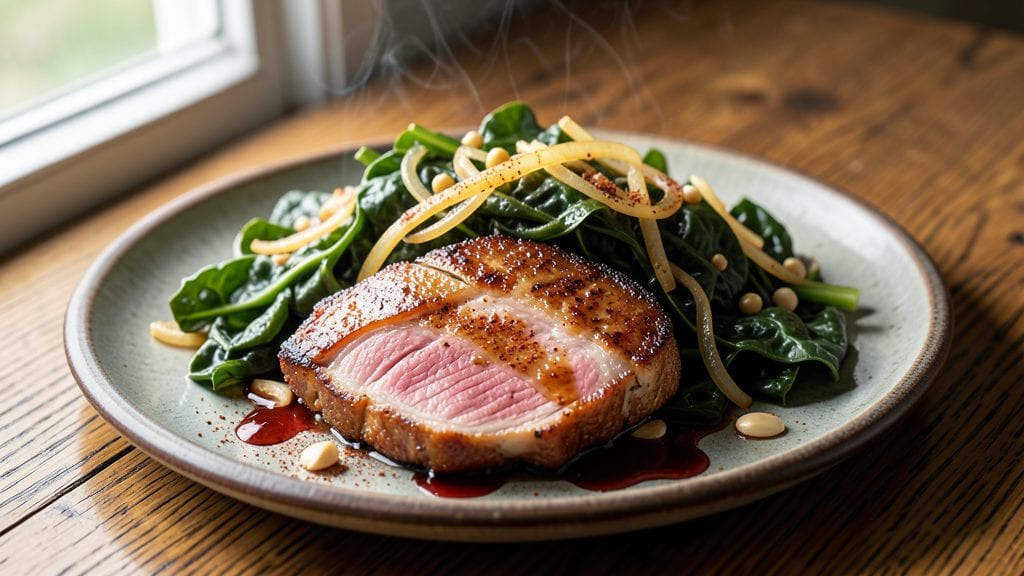
Mastering collard greens and pork belly transforms a simple side dish into a restaurant-quality centerpiece that balances smoky richness with earthy depth. Growing up in small-town Georgia, I learned how pork belly's fat renders into crispy edges while collards soften into tender, flavorful layers—this recipe captures that perfect harmony.
The key lies in slow-cooking the pork belly until it's fork-tender, then crisping it to golden perfection while the greens absorb every drop of that savory, slightly sweet broth.
This dish delivers foolproof results when you follow three critical steps: properly salting the pork belly for even cooking, simmering the collards just until tender (never mushy), and finishing with a crispy crust that adds texture contrast.
I developed this method after years of perfecting whole-hog cooking under Master Chef Chen, where we learned that patience in the slow cooker yields the most rewarding flavors. The combination of smoky pork and tender greens creates a dish that's both comforting and sophisticated—ideal for family gatherings or special occasions.
By the time you serve this, you'll have a plate that looks as impressive as it tastes: crispy pork belly slices fanned over collard greens swimming in a rich, caramelized broth. The pork's fat renders into the greens, creating a sauce that's deeply flavorful without being greasy.
This recipe serves 4-6 and takes about 3 hours of active time (though mostly hands-off), making it perfect for weekend cooking when you can let flavors develop fully. The aroma alone will have everyone gathering at the table.
While this recipe works beautifully as a standalone main, it also pairs exceptionally with cornbread or buttermilk biscuits to soak up every last bit of that delicious broth. For those who prefer a lighter touch, you can reduce the pork belly fat slightly by skimming it during cooking.
The secret to success lies in balancing the richness of the pork with the greens' natural earthiness—trust the process, and you'll achieve a dish that tastes like a home-cooked masterpiece.
Ingredients for collard greens pork belly
Six core ingredients transform humble collards and pork belly into a showstopping Southern masterpiece.
| Ingredient | Amount | Notes |
|---|---|---|
| Pork Belly 🥓 | 2 lb | Skin-on, cut into 1-inch slices |
| Fresh Collard Greens 🌿 | 1 ½ lb | Tough stems removed, chopped |
| Yellow Onion 🧅 | 1 whole | Sliced into half-moons |
| Garlic Cloves 🧄 | 6 cloves | Smashed, not minced |
| Apple Cider Vinegar 🍎 | ¼ cup | For tangy depth |
| Smoked Paprika 🌶️ | 1 tbsp | For smoky flavor |
| Ground Black Pepper 🌶️ | 1 tbsp | Freshly cracked |
| Sea Salt 🧂 | 2 tbsp | Coarse for salting pork |
| Extra-Virgin Olive Oil 🫒 | ½ cup | For crisping pork |
| Bay Leaves 🌿 | 2 whole | Fresh preferred |
| Brown Sugar 🍚 | 2 tbsp | Lightly packed |
| Hot Sauce 🌶️ | 1 tbsp | Optional, for heat |
The pork belly is non-negotiable here—look for thick slices with good marbling at your butcher or the meat department. Costco often has great deals on pre-sliced belly, but if you're buying whole, ask for it to be cut into 1-inch slices. Fresh collard greens are a must; the darker the leaves, the better. I always grab a bunch from the farmers market in season, but the grocery store's pre-washed collards work in a pinch. The key to tender greens is removing the thick stems—just run your fingers along the spine to separate them out. For the apple cider vinegar, Bragg is my go-to, but any organic brand works. Smoked paprika adds that signature Southern smokiness—Penzeys has a great selection if you want to splurge.
No smoked paprika? Substitute 1/2 tbsp liquid smoke plus 1/2 tbsp regular paprika—it's a game changer. Short on apple cider vinegar? White vinegar or lemon juice works, but the flavor won't be quite the same. The brown sugar can be swapped for raw cane sugar if you're avoiding refined sugar. For the hot sauce, Crystal or Tabasco are classic choices, but any heat level will do. Want extra crispiness on your pork? Add 1/2 cup panko breadcrumbs to the oil before frying. And if you're feeling fancy, swap the bay leaves for fresh thyme sprigs—they add a lovely herbal note that pairs perfectly with the pork.
This dish tastes even better the next day, so make extra—it reheats beautifully. Store in the fridge for up to 5 days, covered with the broth. For freezing, portion into containers with the pork belly and greens layered separately—thaw overnight in the fridge before reheating. The pork belly fat will solidify when chilled, so skim it off before serving if you prefer a lighter presentation. Leftovers make amazing sandwiches the next day with a sprinkle of hot sauce and a side of cornbread.
Why You'll Love This Recipe
- Pork Belly Perfection: The pork belly caramelizes into that perfect crispy-crackly skin with just a little patience—no fancy techniques, just a sheet pan and a watch. I’ll be honest: I used to skip the skin, but now I can’t imagine it any other way. That golden, crackling layer? Game-changer.
- Vinegar’s Secret Weapon: The apple cider vinegar isn’t just there for flavor—it tenderizes the collards and cuts through the richness of the pork belly. Honestly, I didn’t expect it to work, but now I add it to everything. The greens turn tender and slightly tangy, like a Southern hug in a bowl.
- Leftovers That Last: This dish tastes even better the next day. I pack the pork belly slices and greens separately, and by lunch, the greens soften into a silky mess while the pork stays juicy. My kids fight over leftovers—I’ve won the battle against food waste and their picky palates.
- One-Pot, Big Rewards: You’re not stuck with just dinner. Double the batch and freeze half for a lazy Monday lunch. Serve it over rice for a hearty meal, or toss the greens into tacos for a bold twist. Between us? It’s my secret weapon for when I need to feed a crowd without the stress.
Step-by-step instructions for collard greens and pork belly
Here's how to create that perfect balance of crispy pork belly and tender collard greens.
Prepare the Pork Belly for Crispy Perfection
Pat the 2 lb pork belly dry with paper towels - you want it completely dry for maximum crispiness. Place it skin-side down on a wire rack set over a baking sheet. This allows air to circulate underneath, which is key for even browning.
In a small bowl, mix together the 2 tbsp sea salt, 1 tbsp smoked paprika, and 1 tbsp ground black pepper. Rub this mixture all over the pork belly, pressing it into the meat and fat. Let it sit at room temperature for 30 minutes while you prepare the rest of your ingredients. This resting period helps the seasoning penetrate and the meat cook more evenly.
Here's the thing - don't skip the drying step. Any moisture left on the pork will steam instead of crisp, and you'll lose that beautiful golden crust we're after. The pork should feel dry to the touch before you proceed.
Render the Fat and Cook the Pork Belly
Preheat your oven to 425°F. Place the seasoned pork belly on the wire rack and roast for 45 minutes. You want to render as much fat as possible during this initial cook. After 45 minutes, flip the pork belly and reduce the oven temperature to 350°F.
Continue roasting for another 45 minutes, flipping once more halfway through. The pork is done when it reaches an internal temperature of 195°F and the fat is golden and crispy. You'll know it's ready when you can easily slide a knife between the meat and fat layers with no resistance.
Remove the pork from the oven and let it rest for 15 minutes before slicing. This resting period is crucial - it allows the juices to redistribute so you don't end up with dry meat. While it rests, you can prepare the collard greens.
Sauté the Aromatics and Cook the Collard Greens
Heat 0.25 cup extra-virgin olive oil in a large pot over medium heat. Add the sliced 1 whole yellow onion and cook for 5 minutes until softened. Add the 6 smashed garlic cloves and cook for another 30 seconds until fragrant.
Increase heat to medium-high and add the chopped 1.5 lb fresh collard greens in batches, stirring to wilt. Sprinkle with the 2 tbsp brown sugar and stir to combine. Add the 0.25 cup apple cider vinegar and the 2 whole bay leaves, then cover and simmer for 20 minutes, stirring occasionally.
After 20 minutes, the collard greens should be tender but still vibrant green. If they're not quite tender enough, continue cooking for another 5-10 minutes. The greens should be soft enough to eat with a fork but still hold their shape.
Combine and Finish the Dish
Slice the rested pork belly into 1-inch thick slices. Add the sliced pork to the pot with the collard greens. Stir in the 1 tbsp hot sauce if you like some heat. Let everything simmer together for 5 minutes to meld the flavors.
The pork should be hot and the collard greens should be coated in the rendered fat from the pork belly. Taste and adjust seasoning if needed - you might want to add a pinch more salt or a splash more apple cider vinegar to balance the flavors.
Serve immediately while the pork is still crispy and the greens are hot. The contrast of tender greens with crispy pork belly and that smoky-sweet sauce is what makes this dish so special. Enjoy with cornbread or crusty bread to soak up all the delicious juices.
Pro Tips For Making Collard Greens Pork Belly
- Render First, Then Braise: Don’t rush the pork belly into the pot—sear it first in a cold pan with just enough oil to cover the bottom. Let it render fat at medium-low heat for 20-25 minutes until the fat drips like water. This isn’t just about flavor; it’s how you get that crispy, golden skin that holds up to the collards later. (Yes, even if you’re tempted to skip this and just dump everything in.)
- Stack Greens Like Lasagna: After blanching the collards, don’t just dump them in the pot. Stack them in layers, overlapping like lasagna sheets, and top each layer with a splash of vinegar and a pinch of salt. This ensures every leaf gets tenderized evenly and absorbs that bright acidity instead of floating around like a sad, wilted mess. Trust me, your future self will thank you when you take that first bite.
- Don’t Crowd the Pot: I learned this the hard way—when I packed the pot with greens and pork belly too tightly, the collards steamed instead of braising, and the fat turned greasy. Leave at least an inch of space between layers so the liquid can circulate. If the pot feels crowded, remove some greens, cook them separately, and add them back at the end. Your dish will taste less like a swamp and more like a restaurant.
- Finish with Vinegar Last: Add the apple cider vinegar early, and you’ll end up with greens that taste vinegary but not balanced. Wait until the last 10 minutes of cooking to pour it in, then stir it in and let it simmer. This lets the acid brighten the dish without turning the pork belly into a pickled nightmare. Sounds weird, but it works—your taste buds will notice.
Storing and reheating this collard greens pork belly
Refrigerator Storage
Store your collard greens and pork belly in an airtight container with the pork belly slices layered on top of the greens. The rendered fat will keep everything moist and flavorful.
I use glass Pyrex containers because they stack neatly in my fridge and maintain the dish's integrity for up to 5 days. The pork belly fat solidifies when chilled, so skim it off before reheating if you prefer a lighter presentation. 🥗
Freezer Prep
For longer storage, portion the dish into freezer-safe containers or quart-sized freezer bags, keeping the pork belly and greens separate. Leave 1-inch headspace for expansion and squeeze out excess air to prevent freezer burn.
This combination freezes beautifully for up to 3 months, though the texture of the pork belly may soften slightly. I recommend thawing overnight in the fridge before reheating. ❄️
Stovetop Reheating
My preferred method is stovetop reheating, which preserves the crispiness of the pork belly. Transfer the dish to a heavy-bottomed pot over medium-low heat and add 2-3 tablespoons of water or broth to prevent sticking.
Cover and heat for 10-15 minutes, stirring occasionally, until everything is hot through. The greens should be tender, and the pork belly should regain some of its crispy edges. 🔥
Microwave Method
For quick reheating, transfer individual portions to a microwave-safe dish and cover loosely with a damp paper towel. Heat on 50% power for 2-3 minutes, stirring halfway, until reaching 165°F internal temperature.
Add a splash of water if the dish seems dry. This method works best for the greens but may not restore the pork belly's crispiness. 💡
Crispy Edge Revival
To restore crispiness to the pork belly after reheating, transfer the slices to a skillet over medium-high heat and cook for 2-3 minutes until golden. Add a splash of extra-virgin olive oil if needed.
This step works wonders for serving directly from the fridge or freezer. I often do this for leftovers to make them feel fresh again. 💛
Broth Boost
If the broth seems thin after reheating, place the pot over low heat and simmer uncovered for 5-10 minutes to reduce it slightly. This concentrates the flavors and creates a richer sauce.
Taste and adjust seasoning with a pinch of salt or a splash of apple cider vinegar to balance the flavors. The dish tastes even better the next day! 🌟
Nutrition facts
Frequently asked questions
Can I substitute pork belly with another cut of pork?
While pork belly is ideal for its fat content and crispy texture, you can use pork shoulder or pork butt as alternatives. These cuts will render fat but won't achieve the same crispy edges. For best results, increase cooking time to 4-5 hours until tender, then crisp separately in a skillet with oil.
How do I prevent the collard greens from turning mushy?
Overcooking is the main culprit! Simmer the greens for 20-25 minutes maximum—just until tender but still vibrant. Avoid covering the pot completely while cooking, as steam can make them soggy. Stir occasionally to distribute heat evenly, and remove the tough stems before cooking.
What's the best way to crisp the pork belly edges?
Pat the pork belly completely dry before seasoning, then roast it skin-side down on a wire rack for even browning. For extra crispiness, broil for 2-3 minutes at the end of cooking. The key is high heat and proper airflow—never crowd the pan with too many slices at once.
Can I make this dish in a slow cooker?
Brown the pork belly first in a skillet, then place it in the slow cooker with all ingredients. Cook on low for 6-8 hours or high for 4-5 hours. The pork will become tender, though the edges won't be as crispy. For crispiness, sear the slices in a hot pan after removing from the slow cooker.
How do I adjust the recipe for fewer servings?
For 4 servings, use 1 lb pork belly and 1 lb collard greens. Halve all other ingredients proportionally. The cooking times remain the same, but reduce the simmering time for greens to 15-20 minutes. The dish will still be rich and flavorful, just scaled down.