
Main Courses
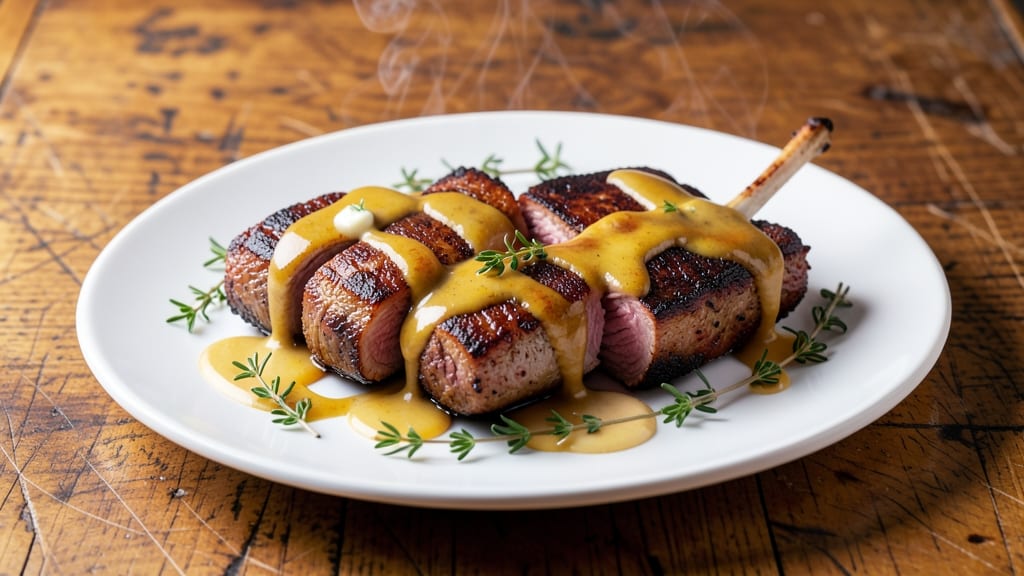
This Dijon mustard pork chops recipe transforms simple weeknight dinner into a restaurant-worthy meal with just a few key techniques. The secret lies in creating that perfect pan-seared crust—golden brown and crackling—while the Dijon mustard glaze adds a tangy, complex flavor that elevates every bite.
I first mastered this method during a particularly hectic week when I needed a dish that felt special without requiring hours in the kitchen.
The beauty of this recipe is its simplicity: five core ingredients, 30 minutes of active time, and one 10-inch skillet—no fancy equipment needed. The Dijon mustard isn't just for flavor; it tenderizes the pork chops while adding that signature depth.
We'll sear them to perfection, then finish with a quick glaze that caramelizes into a sticky, flavorful crust. The result? Juicy, flavorful pork chops that hold their shape and deliver that restaurant-quality taste at home.
What makes this recipe foolproof is the balance between technique and timing. The pan-searing creates that coveted crust, while the Dijon glaze ensures the meat stays moist and packed with flavor.
By the time you plate these, your kitchen will smell like a French bistro, and your guests will never guess how easy they were to make. The best part? This method works equally well for bone-in or boneless chops, making it adaptable to any meal plan.
Serve these pork chops with roasted potatoes, a simple green salad, or buttered noodles to soak up every last bit of that tangy sauce. The combination of textures—crispy crust, tender meat, and velvety glaze—makes this dish impossible to resist. Let's get cooking!
Ingredients for Dijon pork chops
Five core ingredients transform simple pork chops into restaurant-worthy masterpieces with pan-seared perfection.
| Ingredient | Amount | Notes |
|---|---|---|
| Bone-In Pork Chops 🥩 | 4 whole | 1-inch thick, center-cut preferred |
| Dijon Mustard 🍯 | ¼ cup | High-quality, smooth variety |
| Unsalted Butter 🧈 | ½ cup | Cold, cut into 1-inch pieces |
| Extra-Virgin Olive Oil 🫒 | 2 tbsp | High smoke point preferred |
| Fresh Thyme Leaves 🌿 | ¼ cup | Or 1 tbsp dried thyme |
| Kosher Salt 🧂 | 1 ½ tsp | Fine grain preferred |
| Freshly Ground Black Pepper 🌶️ | 1 tsp | Cracked peppercorns preferred |
| Granulated Garlic 🧄 | 1 tsp | Or 2 minced garlic cloves |
| All-Purpose Flour 🌾 | 2 tbsp | For light dusting |
| Fresh Lemon Juice 🍋 | 1 tbsp | From 1 medium lemon |
| Heavy Cream 🥛 | ¼ cup | Full-fat for richness |
The pork chops are your foundation—bone-in, 1-inch thick delivers the best flavor and texture. Local butchers or Whole Foods often carry the best cuts, but any quality grocery store will have them. Look for chops with good marbling and a vibrant pink color. If using boneless, pat them completely dry with paper towels before seasoning—this ensures that perfect crust. Meyers or Hormel are reliable brands if you prefer pre-packaged options, but fresh is always superior for this technique. The Dijon mustard should be smooth and high-quality—avoid the watery varieties that dilute flavor.
No Dijon mustard? Whole-grain mustard thinned with 1 tbsp water works in a pinch, though the texture will differ slightly. The butter must be cold and cubed—this prevents it from melting too quickly during searing. Swapping olive oil for avocado oil gives a higher smoke point, ideal for high-heat searing. Fresh thyme is best, but dried thyme at one-third the amount works if needed. For extra depth, add 1/4 tsp smoked paprika to the flour mixture. The lemon juice can be substituted with white wine vinegar, though the flavor profile shifts slightly.
Store pork chops in the fridge for no more than 2 days before cooking for optimal freshness. The Dijon mustard and heavy cream can be refrigerated for up to 3 months once opened. For meal prep, cook the pork chops completely, then refrigerate in an airtight container with parchment paper between layers. Reheat in a 350°F oven for 10-15 minutes to maintain moisture. The glaze can be made ahead and reheated gently—just add a splash of water to loosen if needed.
Why You'll Love This Recipe
- Foolproof Timing: I swear by this recipe when I’m staring at the clock at 6:30 PM. Bone-in chops take 12 minutes in a screaming-hot pan—no babysitting, no flipping every 30 seconds. The butter pools around the edges while you’re still chopping veggies for the side.
- Umami Magic: That Dijon mustard isn’t just a glaze—it’s the secret weapon. The tang cuts through the richness of the butter, and the thyme? It smells like a French bistro, but honestly, I’m pretty sure my kids don’t even notice how fancy it is (they just eat it all).
- Weeknight to Weekend: Same recipe, different vibes. Toss it on the table with roasted potatoes for a Tuesday night, or pair it with crusty bread and a simple salad for a lazy Sunday. Between us, I’ve even served these at a potluck—no one asked what was in the mustard, but they all had seconds.
- Leftovers That Don’t Suck: Cold Dijon pork chops the next day? Surprisingly good. The butter stays creamy, the mustard mellows into something deeper, and it’s still way better than takeout. Plus, bone-in chops stretch farther than boneless—my wallet thanks me every time.
Step-by-step instructions for Dijon mustard pork chops
Here's how to achieve a perfect pan-seared crust with a rich, tangy Dijon finish every time.
Prepare the Pork Chops and Seasoning
Pat the 4 whole bone-in pork chops dry with paper towels—this ensures maximum browning. I like to press firmly, especially around the edges where moisture tends to linger. Place them on a plate and season both sides generously with the 1.5 teaspoons kosher salt and 1 teaspoon freshly ground black pepper. Let them rest at room temperature for 15 minutes while you prepare the other ingredients.
While the chops rest, mix the 1 teaspoon granulated garlic with the 0.25 cup fresh thyme leaves in a small bowl. This creates a fragrant herb blend that will infuse the butter during cooking. The garlic adds depth without overpowering the Dijon mustard's tangy character. Store this mixture in the fridge until ready to use—it'll keep its flavor better than if left at room temperature.
Create the Dijon Butter Base
In a small saucepan, melt the 0.5 cup unsalted butter over medium heat until fully liquid. Remove from heat and stir in the 0.25 cup Dijon mustard until completely smooth. This creates the flavor foundation for your chops. The mustard's acidity will tenderize the meat as it cooks, while its depth of flavor carries through the entire dish.
Return the pan to low heat and whisk in the 1 tablespoon fresh lemon juice. The citrus brightens the mustard's richness and adds a subtle freshness that balances the dish. Keep this mixture warm but not simmering—you'll use it later to baste the chops. The acidity in this mixture also helps prevent the butter from separating during cooking.
Sear the Pork Chops to Golden Perfection
Heat a large skillet over medium-high heat until very hot. Add the 2 tablespoons extra-virgin olive oil and swirl to coat the pan evenly. Working in batches if needed, add the seasoned pork chops and cook for 3-4 minutes per side until they develop a deep golden-brown crust. This crust is crucial—it seals in the juices and creates that satisfying texture contrast with the tender meat.
Don't move the chops around during cooking. Let them sit undisturbed until you see golden-brown spots forming. This creates those beautiful caramelized patches that add so much flavor. When the crust is well-developed, remove the chops to a plate and tent loosely with foil to keep warm.
Build the Thyme-Cream Sauce
Return the skillet to medium heat and add the thyme-garlic mixture, stirring constantly for 30 seconds until fragrant. This infuses the pan with aromatic flavors that will carry into your sauce. Immediately pour in the Dijon butter mixture and stir vigorously for 1 minute until the sauce thickens slightly and coats the back of a spoon.
Reduce heat to low and stir in the 0.25 cup heavy cream. The cream adds richness and helps emulsify the sauce, creating a velvety texture. Simmer gently for 2 minutes until the sauce reaches your desired consistency—it should coat the back of a spoon but still be pourable. If it thickens too much, add 1-2 tablespoons water to loosen it.
Finish and Serve with Confidence
Return the pork chops to the skillet and spoon the thyme-cream sauce generously over them. Let everything heat through together for 1-2 minutes, spooning the sauce frequently to coat the chops evenly. The residual heat from the pan will finish cooking the chops perfectly while infusing them with the sauce's flavors.
Serve immediately, allowing the sauce to flow beautifully over each chop. The contrast of crispy crust, tender meat, and tangy-creamy sauce makes every bite unforgettable. Pair with roasted potatoes or a simple green salad to complete the meal. The bone-in chops will stay juicy throughout, thanks to the careful cooking technique and flavorful sauce.
Pro Tips For Making Dijon Pork Chops
- Sear the Butter First: Melt the butter in the pan before adding the pork chops—this creates a flavor base that sticks to the meat instead of pooling at the bottom. I used to skip this, and the sauce always tasted thin and weak. Now I add the butter, let it foam, then toss in the chops.
- Use Room-Temp Mustard: Whisk the Dijon mustard into the butter after it’s melted but before it browns—this keeps the sauce from breaking. Cold mustard from the fridge will seize up the butter and make your sauce grainy. Trust me, this is the thing that matters most.
- Don’t Overcrowd the Pan: Cook the chops in batches if needed—even if it means an extra minute of waiting. Crowding steams the meat instead of searing it, and you’ll end up with soggy, unevenly cooked pork. High heat and space = crispy crust.
- Rest Under Foil: After pulling the chops from the pan, tent them loosely with foil for 5 minutes. This traps heat and keeps the meat juicy while you finish the sauce. I know, I know—it’s tempting to serve immediately, but your future self will thank you.
Troubleshooting perfect results
Overcooked Chops
If your pork chops end up dry or overcooked, it’s usually because they spent too long in the pan or were cooked at too high a temperature. The key is to remove them when they reach an internal temperature of 145°F—use a meat thermometer for accuracy.
For bone-in chops, this typically takes 3-4 minutes per side on medium-high heat. If you’re using a thick cut (over 1.5 inches), reduce heat slightly to medium and cook for 4-5 minutes per side.
Remember, the meat continues cooking slightly after removal, so pull it out just before it reaches your target temp. 🌡️
Sauce Too Thin
A thin, watery sauce often happens when the Dijon butter mixture doesn’t reduce enough or the cream gets over-diluted. To fix this, always simmer the sauce gently after adding the cream—never let it boil.
If it’s still too thin, remove from heat and whisk in 1 teaspoon cornstarch mixed with 1 tablespoon cold water until thickened. For next time, reduce the sauce over slightly higher heat (but not boiling) for an extra 30 seconds to concentrate the flavors.
The sauce should coat the back of a spoon but remain pourable.
Pale, Unappetizing Crust
A pale crust means the chops didn’t get hot enough or the pan wasn’t properly preheated. Always heat your skillet over medium-high heat until it’s smoking hot before adding oil.
If your chops aren’t browning, increase heat to high and let the pan get even hotter—you should see ripples in the oil when you swirl it. For extra insurance, pat the chops completely dry with paper towels before seasoning, and don’t overcrowd the pan.
Cook in batches if needed, and resist the urge to move them around while searing. 🔥
Dijon Flavor Too Overpowering
If the Dijon mustard dominates the dish, you’ve likely used too much or added it too late in the process. Start with the 0.25 cup called for and taste as you go—adjust to 0.2 cup if needed.
For a milder flavor, balance the Dijon with an extra 1 tablespoon lemon juice or 1 teaspoon honey in the sauce.
If the mustard taste is still too strong, finish the chops with a quick drizzle of 1 teaspoon heavy cream or a sprinkle of fresh herbs to mellow the sharpness. The cream also helps emulsify any separated butter in the sauce.
Sauce Separates or Curdles
Sauce separation happens when acid (like lemon juice) and fat (butter) aren’t properly emulsified. To prevent this, always whisk the Dijon butter mixture vigorously while warm, and add the lemon juice gradually.
If the sauce curdles, immediately remove it from heat and whisk in 1 tablespoon cold heavy cream or 1 teaspoon Dijon mustard to stabilize it. For next time, temper the cream by whisking it into the warm sauce slowly—never add cold cream to a hot pan.
The sauce should be velvety, not broken or oily. ✨
Chops Stick to the Pan
Sticking occurs when the pan isn’t hot enough or the chops aren’t properly dried. Always heat the skillet over medium-high heat until it’s smoking hot before adding oil.
Pat the chops completely dry with paper towels, especially around the edges, and let them rest at room temperature for 15 minutes before cooking. If they still stick, reduce heat slightly to medium and cook gently.
For extra insurance, dust the chops lightly with 1 tablespoon flour before searing—this creates a light barrier between the meat and pan without overpowering the flavor.
Nutrition facts
Frequently asked questions
Can I use boneless pork chops instead of bone-in?
This recipe works beautifully with boneless chops. Just reduce cooking time to 2-3 minutes per side since they cook faster without the bone. For even cooking, place them in the pan flat-side down first. The Dijon glaze will still create that perfect tangy crust, but monitor them closely to avoid overcooking.
What's the best way to store leftovers?
Store cooked pork chops in an airtight container with parchment paper between layers to prevent sticking. They'll keep fresh in the refrigerator for 3-4 days. For longer storage, freeze them for up to 3 months. Reheat gently in a 350°F oven for 10-15 minutes or until warmed through—microwaving can make the crust soggy.
Can I make the Dijon glaze ahead of time?
Yes! Prepare the Dijon butter base (melted butter + mustard) up to 2 days ahead and store it in the fridge. When ready to cook, simply reheat it gently until smooth. The sauce itself should be made fresh before serving, as the cream needs to be incorporated while warm for the best texture. The glaze can also be reheated with a splash of water if it thickens too much.
How do I adjust the recipe for thicker chops?
For chops over 1.5 inches thick, reduce heat to medium and cook for 4-5 minutes per side. Use a meat thermometer to check doneness—remove at 145°F internal temp. The extra thickness means the center needs more time, but the crust will still form beautifully. You may need to finish cooking in the oven at 400°F for 2-3 minutes if the pan isn't hot enough to sear properly.
What are good side dishes to serve with these?
These pork chops pair perfectly with roasted potatoes, garlic mashed potatoes, or crusty bread to soak up the sauce. For a lighter option, try a simple green salad with lemon vinaigrette or sautéed green beans with almonds. The tangy Dijon flavor also works well with buttered noodles or apple compote for a touch of sweetness.