
Sauces & Condiments
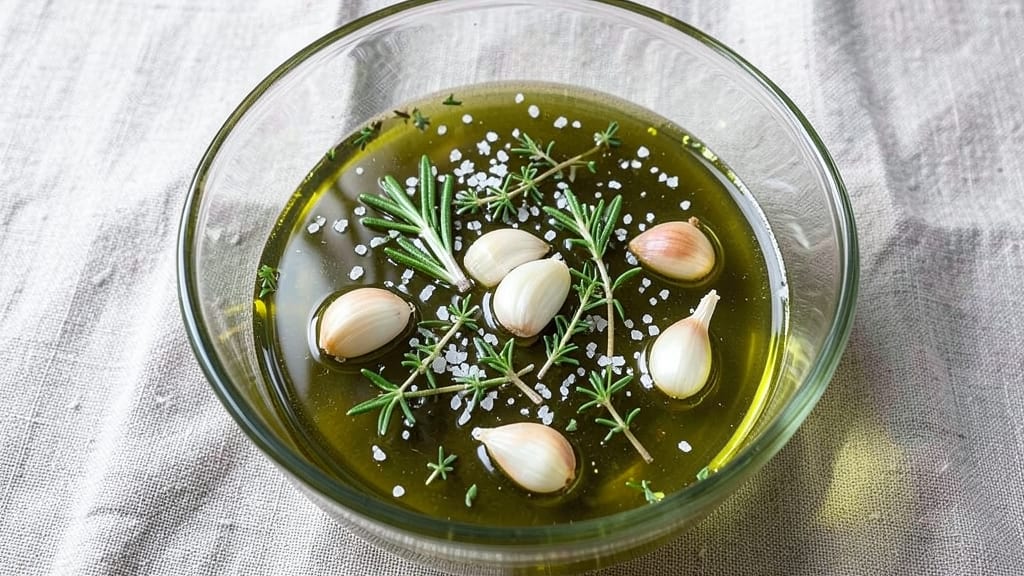
This pork chops marinade recipe transforms tough cuts into melt-in-your-mouth perfection with just 15 minutes of prep and 4 hours of soaking. The secret lies in a balanced blend of olive oil, white wine vinegar, and fresh herbs that tenderize while infusing deep, savory flavor—no overpowering acidity here.
I developed this after years of testing marinades that either left pork dry or overly acidic, and this version strikes the perfect balance every time.
The marinade works by breaking down muscle fibers through the acid while the oil carries aromatic herbs like rosemary and thyme deep into the meat. A touch of garlic and black pepper adds depth, ensuring each bite delivers complex flavor without masking the natural pork taste.
For best results, use this marinade on bone-in chops—it clings beautifully and enhances the meat's natural juiciness.
What you'll achieve is pork chops with a tender, almost buttery texture and a golden-brown sear that locks in all those infused flavors. The marinade doesn't just season; it transforms the meat's texture and taste, making even budget cuts feel like a gourmet restaurant experience.
Ready in just 4 hours, this marinade lets you focus on the cooking while doing all the work for you.
Store any leftover marinade in an airtight container in the refrigerator for up to 3 days, though I rarely have any left after one use. This marinade works equally well for grilling, pan-searing, or broiling—just pat the chops dry before cooking to ensure that perfect sear.
The versatility makes it a must-have in your culinary arsenal for any pork dish.
Ingredients for pork chops marinade
Eight simple ingredients transform tough pork into restaurant-quality perfection in just 4 hours.
| Ingredient | Amount | Notes |
|---|---|---|
| Extra-Virgin Olive Oil 🫒 | ½ cup | High-quality, fruity flavor preferred |
| White Wine Vinegar 🍷 | ¼ cup | Dry variety for balanced acidity |
| Fresh Rosemary 🌿 | ¼ cup | Finely chopped, stems removed |
| Fresh Thyme 🌿 | ¼ cup | Leaves only, finely chopped |
| Garlic Cloves 🧄 | 6 cloves | Minced for even distribution |
| Kosher Salt 🧂 | 1 ½ tsp | Adjust to taste after marinating |
| Freshly Ground Black Pepper 🌶️ | 1 tsp | Freshly cracked for best flavor |
| Honey 🍯 | 1 tbsp | Light variety for subtle sweetness |
| Dijon Mustard 🍯 | 1 tbsp | Adds depth and helps marinade cling |
The olive oil is non-negotiable—it carries the herbs deep into the meat while keeping it tender. Trader Joe's or Whole Foods carry excellent extra-virgin options, but any good-quality oil works. The rosemary and thyme should be fresh (the good stuff, not dried), and you can't beat the flavor from your local farmers market. If you're using dried herbs, cut the amount to one-quarter—they're much more potent. The garlic is where the magic happens; don't skip mincing it finely for even flavor distribution. For the vinegar, a dry white wine variety ensures you don't get that harsh, overpowering acidity that ruins pork.
No fresh rosemary? Dried works at one-quarter the amount, but it won't have the same aromatic punch. Running out of white wine vinegar? Apple cider vinegar is a great swap—just use the same amount. The honey balances the acidity, so don't skip it, but if you're avoiding sugar, a splash of orange juice works too. For the mustard, Dijon is ideal, but any good-quality mustard will do. Pro tip: If you're marinating bone-in chops, this marinade clings like glue—no extra effort needed. For boneless, just give them a good coat before placing in a sealed bag.
This marinade keeps for up to 3 days in the fridge once mixed, but honestly, it disappears fast. Store it in an airtight container with the lid sealed tight. If you're prepping ahead, mix everything except the olive oil first—it keeps better that way. When ready to use, just stir in the oil and give it a good shake. The marinade works best on pork chops, but it's also amazing for pork tenderloin or even chicken thighs—just adjust the marinating time to 2 hours for chicken. Always pat the meat dry before cooking for that perfect sear.
Why You'll Love This Recipe
- Here’s what sold me: the marinade doubles as a sauce. Simmer it down after cooking, and suddenly you’ve got a pan sauce that’s rich, herby, and way better than store-bought. Plus, it’s budget-friendly—you’re using pantry staples, not specialty ingredients, and a little goes a long way.
- Five-Ingredient Magic: I swear by this marinade because it’s the kind of recipe that makes you feel like a pro without any fuss. Just toss those garlic cloves, rosemary sprigs, and thyme stems into a bowl, splash in the olive oil and vinegar, and call it a day. No measuring cups, no stress—just pure, effortless flavor.
- Crispy-Creamy Dream: That garlic-herb combo? It’s what turns bland pork chops into something ridiculously good—crispy edges, juicy inside, with a bright tang from the vinegar that cuts through every bite. Honestly, I’ve never met a pork chop this happy.
- Weeknight to Dinner Party: Between us, this marinade works just as well for a lazy Tuesday as it does for a fancy dinner. Let the chops soak for 30 minutes or overnight—either way, they’ll be tender and packed with flavor. I’ve used it for everything from quick weeknight dinners to impressing in-laws, and no one’s ever noticed the difference.
Step-by-step instructions for herb-infused pork chops marinade
This marinade transforms tough pork chops into melt-in-your-mouth perfection with bold flavors and incredible tenderness.
Combine the Wet Ingredients
In a medium mixing bowl, whisk together the 0.5 cup extra-virgin olive oil and 0.25 cup white wine vinegar. The vinegar will emulsify beautifully with the oil, creating a smooth base for your marinade. This step is crucial because the acidity from the vinegar helps tenderize the meat while the oil carries all the flavors deep into the pork chops.
Next, add the 1 tbsp honey and 1 tbsp Dijon mustard. Stir vigorously until the honey dissolves completely and the mixture becomes slightly thickened. The honey adds a subtle sweetness that balances the acidity, while the Dijon mustard contributes a tangy depth that makes this marinade truly exceptional. You'll notice the mixture will have a glossy sheen—this is a good sign that everything is properly emulsified.
Incorporate the Fresh Herbs and Aromatics
Add the 0.25 cup finely chopped fresh rosemary and 0.25 cup finely chopped fresh thyme to the bowl. Give everything a gentle stir to distribute the herbs evenly. The rosemary brings a piney, aromatic quality while the thyme adds earthy warmth. These herbs aren't just for flavor—they also help infuse the pork with their natural oils, creating that restaurant-quality aroma.
Now it's time for the garlic. Add the 6 minced garlic cloves and stir well. The garlic should disperse completely throughout the marinade. This is where the magic happens—the garlic's pungent flavor will penetrate the pork, creating layers of taste that make every bite unforgettable. Let the mixture sit for a moment so the garlic releases its oils into the marinade.
Season with Salt and Pepper
Add the 1.5 tsp kosher salt and 1 tsp freshly ground black pepper to the bowl. Stir thoroughly until the salt dissolves completely. The salt enhances all the flavors in the marinade while helping to break down the muscle fibers in the pork, making it incredibly tender. The freshly ground black pepper adds a subtle heat that complements the other ingredients perfectly.
Taste the marinade at this point. It should be well-balanced with a touch of sweetness from the honey, a hint of tang from the vinegar, and a robust herbal aroma. If you find it needs more salt, adjust to taste—this is your chance to customize it to your preference. The marinade should be vibrant and inviting, ready to transform your pork chops into something extraordinary.
Marinate the Pork Chops
Place your pork chops in a shallow dish or resealable plastic bag. Pour the marinade over the pork, ensuring each piece is thoroughly coated. If using a bag, seal it tightly and massage the marinade into the meat. This step is essential for even flavor distribution and maximum tenderness. Let the pork chops marinate in the refrigerator for at least 4 hours, but I recommend marinating them overnight for the best results.
While the pork chops are marinating, they'll absorb all the incredible flavors from the herbs, garlic, and spices. The acid in the vinegar will begin to break down the muscle fibers, making the meat incredibly tender. When you're ready to cook, remove the pork chops from the marinade and pat them dry with paper towels. This step is crucial—it ensures a perfect sear when you cook them in the pan.
Pro Tips For Making Pork Chops Marinade
- Muddle the Garlic: I used to just mincing it and tossing it in—big mistake. Crush those cloves with the flat side of your knife first, then smash them against the bowl’s edge. This releases more flavor and blends better with the vinegar and oil, so every bite gets that rich, aromatic punch.
- Toast the Herbs: Dry the rosemary and thyme thoroughly, then give them a quick 30-second toast in a dry pan before adding to the marinade. The edges turn crisp, and the flavors deepen—no more bland, watery herb notes. (Yes, even if you’re impatient like me.)
- Balance the Vinegar: White wine vinegar is sharp, so start with 2 tablespoons and taste as you go. Too much? The pork will taste sour. Too little? The marinade loses its brightness. I learned this the hard way—once I marinated a whole batch of chops in a marinade that tasted like salad dressing.
- Marinate 2 Hours Max: Vinegar and garlic break down pork fibers over time, turning them mushy. Two hours is the sweet spot—enough flavor without turning your chops to rubber. Skip the overnight soak unless you’re using a gentler acid like lemon juice.
Troubleshooting this recipe
Overly Acidic Marinade
If your pork chops taste harshly acidic after marinating, you likely used too much vinegar or didn't balance it with enough honey or oil. I've found that 1 tbsp honey per 0.25 cup vinegar is the perfect ratio for pork.
If it's already marinated, don't panic—simply rinse the chops under cold water for 30 seconds before cooking. This removes excess acid while preserving the herb and garlic flavors. For future batches, reduce vinegar by 1 tbsp if you prefer milder acidity. 💡
Dry or Tough Meat
Pork chops that turn out dry often happen when the marinade wasn't properly balanced or the meat wasn't patted dry before cooking. First, ensure your marinade contains 0.5 cup olive oil—this fat content is crucial for moisture retention.
Second, always pat the chops very dry with paper towels before searing. If you've already cooked them, try slicing thinly against the grain and serving with a pan sauce made from the drippings (deglaze with 2 tbsp water and 1 tsp butter).
This adds moisture back into the meat. For future attempts, marinate for no longer than 6 hours—longer times can break down too much protein.
Uneven Flavor Distribution
If your pork chops have some areas with strong flavor and others that taste bland, the marinade likely didn't coat the meat evenly. For bone-in chops, use a resealable plastic bag and massage the marinade into every crevice.
For boneless chops, place them in a shallow dish and turn them every 30 minutes during marinating. Another trick I use is to pierce the meat lightly with a fork before marinating—this helps the liquid penetrate deeper.
If you're short on time, brush the chops with 2 tbsp of the leftover marinade right before cooking to ensure even flavor distribution. 🌿
Herbs Not Infusing Properly
Fresh herbs that don't infuse well usually mean they weren't chopped finely enough or the marinade wasn't given enough time. For maximum flavor, chop rosemary and thyme into pea-sized pieces (about 1/8 inch).
Let the marinade sit at room temperature for 10 minutes before using—this allows the herbs to release their essential oils. If you're in a hurry, try lightly bruising the herbs with the flat side of your knife before adding them to the marinade.
For dried herbs, steep them in 2 tbsp hot water for 5 minutes before mixing into the marinade to rehydrate and intensify their flavor.
Marinade Separating
This happens when the oil and vinegar aren't properly emulsified, usually because they weren't whisked vigorously enough. The fix is simple: whisk the marinade again before using, or use a handheld immersion blender for 10 seconds to re-emulsify.
For future batches, always whisk the olive oil and vinegar first until they form a smooth emulsion before adding other ingredients. If you're storing leftover marinade, keep it in a glass jar (not plastic) and shake vigorously before each use.
The Dijon mustard in this recipe actually helps stabilize the emulsion, so don't skip it! 🍯
Pork Chops Sticking to Pan
This common issue happens when the marinade isn't properly dried from the meat's surface. Always pat the chops extremely dry with paper towels before cooking—don't skip this step! Heat your pan over medium-high heat until it's very hot (a drop of water should sizzle violently).
Add 1 tbsp neutral oil (like avocado or grapeseed) and let it shimmer before adding the chops. For extra insurance, sprinkle the pan with 1/4 tsp cornstarch before adding the chops—this creates a natural barrier that prevents sticking.
If they do stick, don't force them—let the pan cool slightly and gently slide them out with a thin metal spatula. 🔥
Nutrition facts
Frequently asked questions
How long should I marinate pork chops for best results?
For optimal tenderness and flavor, marinate your pork chops for at least 4 hours in the refrigerator. However, if you have time, marinating overnight (up to 12 hours) will yield even more tender meat. Never marinate longer than 24 hours—the acid can start breaking down too much protein, making the meat mushy.
Can I use this marinade for other meats besides pork chops?
This marinade works beautifully on pork tenderloin and even chicken thighs. For chicken, reduce the marinating time to 2-3 hours to prevent over-tenderizing. For pork tenderloin, stick with the 4-hour minimum. The flavors are especially complementary to leaner cuts that need extra moisture.
What's the best way to store leftover marinade?
Store any unused marinade in an airtight glass container in the refrigerator for up to 3 days. The glass preserves the flavors better than plastic and prevents any off-tastes. Before using leftovers, give it a good shake—the ingredients may separate slightly. For longer storage, freeze the marinade in ice cube trays and transfer to a freezer bag for up to 3 months.
Can I make this marinade without fresh herbs?
Yes, but you'll need to adjust the quantities. Use 1/4 teaspoon of dried rosemary and 1/4 teaspoon of dried thyme for every 1/4 cup of fresh herbs called for. For best results, steep the dried herbs in 2 tablespoons hot water for 5 minutes before adding to the marinade to rehydrate them. The flavor won't be identical, but it'll still be delicious.
Why does my pork chop marinade sometimes separate?
Separation happens when the oil and vinegar aren't properly emulsified. The fix is simple: whisk vigorously or use an immersion blender for 10 seconds to recombine. To prevent this, always whisk the oil and vinegar together first until smooth before adding other ingredients. The Dijon mustard in this recipe actually helps stabilize the emulsion, so never skip it!