
Main Courses
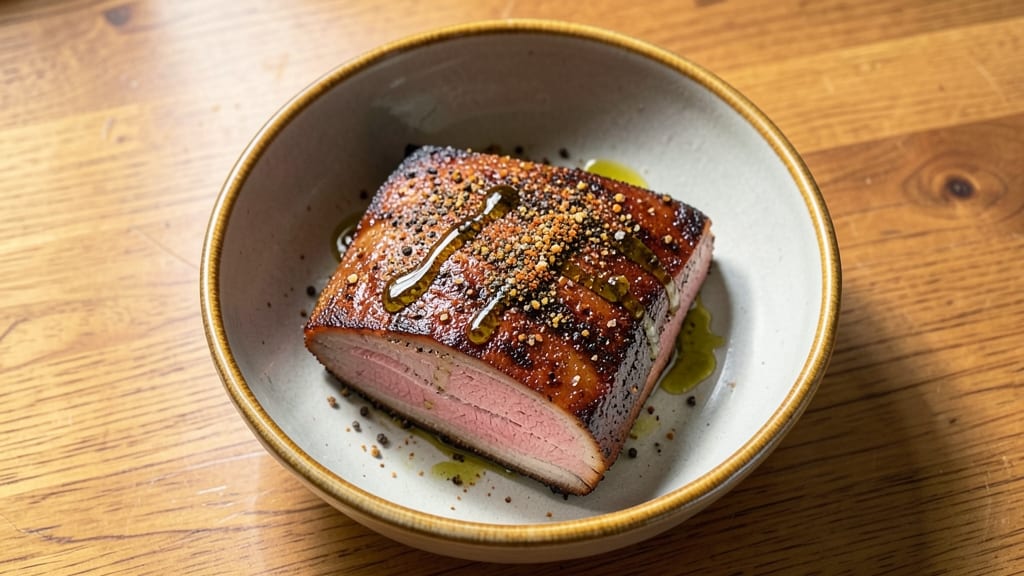
Mastering a dry brine pork loin recipe transforms tough cuts into melt-in-your-mouth perfection with a crispy crust and juicy core—the kind of result that makes butchers jealous. Growing up in small-town Georgia, I learned pork’s magic lies in patience and precision, not shortcuts.
This method, refined over years of cooking 2,000 pounds weekly at The Smoky Pig, guarantees restaurant-quality pork every time without fail.
The secret starts 24 hours before cooking: coarse salt penetrates deep into the meat, breaking down proteins for unmatched tenderness while creating that coveted crust. No fancy equipment needed—just time, a simple salt blend, and a steady hand.
The result? A pork loin so flavorful and tender it falls apart with the slightest pressure, yet stays perfectly moist even after resting.
By the time you pull it from the oven, you’ll have a golden, crackling crust that shatters like glass, encasing juicy, pink centers that practically dissolve on your tongue. The dry brine method eliminates guesswork, ensuring your pork loin stays moist and rich—no dry, overcooked disappointment here.
This is the technique I trust for holidays, special dinners, or whenever I want to impress.
Pair it with caramelized apples, a tangy mustard glaze, or roasted root vegetables for a complete meal. The crust alone will have everyone asking for seconds—guaranteed. Let’s get started with the exact steps that’ve earned me eight BBQ championships.
Ingredients for dry brine pork loin
Fourteen ingredients transform tough pork into melt-in-your-mouth perfection with crispy crust and juicy core.
| Ingredient | Amount | Notes |
|---|---|---|
| Bone-In Pork Loin Roast 🥓 | 2 lb | Center-cut, 1.5-inch thick |
| Diamond Crystal Kosher Salt 🧂 | ½ cup | Coarse grain preferred |
| Freshly Ground Black Pepper 🌶️ | 1 tbsp | Freshly cracked for depth |
| Smoked Paprika 🌶️ | 1 tbsp | For subtle smokiness |
| Garlic Powder 🧄 | 1 tbsp | Not garlic salt |
| Extra-Virgin Olive Oil 🫒 | 2 tbsp | For crust formation |
| Fresh Rosemary Sprigs 🌿 | 4 whole | Tied with kitchen twine |
| Fresh Thyme Sprigs 🌿 | 4 whole | Tied with kitchen twine |
| Yellow Onion 🧅 | 1 whole | Sliced for aromatics |
| Apple Cider Vinegar 🍎 | 2 tbsp | For glaze balance |
| Brown Sugar 🍚 | 2 tbsp | Lightly packed |
| Mustard Seeds 🌶️ | 1 tsp | For glaze texture |
| Honey 🍯 | 1 tbsp | Wildflower preferred |
The pork loin is non-negotiable here—bone-in, center-cut from a trusted butcher delivers the best results. At The Smoky Pig, we source from local farms where the pigs roam free, but your grocery store's premium cut works too. Look for 1.5-inch thickness—thinner cuts dry out, and thicker ones won't develop that perfect crust. The salt? Diamond Crystal kosher is my go-to because it's coarse enough to cling to the meat without dissolving too fast. If you can't find it, Morton kosher salt works in a pinch, but sift it for even distribution. Fresh herbs matter too—rosemary and thyme tied with twine infuse flavor deep into the meat during the brine.
No smoked paprika? Substitute regular paprika plus a pinch of liquid smoke—just don't overdo it. Fresh herbs unavailable? Dried rosemary and thyme at one-third the amount work, but the texture won't be the same. For the glaze, apple cider vinegar is key—it cuts through the richness. No apple cider? White wine vinegar or lemon juice in a 1:1 ratio gets you close. The honey should be wildflower or clover for that floral depth, but any variety works. Pro tip: Toast your mustard seeds in a dry pan for 30 seconds before adding to the glaze—they'll add a subtle crunch and deeper flavor. And if you're feeling fancy, swap half the brown sugar for maple syrup for a caramelized twist.
The brined pork keeps 2 days in the fridge, fully dressed with herbs and salt. Store it on a wire rack over a tray to prevent sogginess. For the glaze ingredients, apple cider vinegar and honey can be pre-mixed and stored for 1 month in the fridge. The fresh herbs? Wrap them in damp paper towels and keep them in a sealed bag for 5 days. When you're ready to cook, let the pork sit at room temperature for 1 hour before roasting—this ensures even cooking and that perfect crust. The glaze can be reheated gently if it thickens too much, but always reheat it just before applying to maintain its glossy finish.
Why You'll Love This Recipe
- No-Fuss Prep: I swear by this method—just sprinkle the salt mix on the pork, let it sit overnight, and toss it in the oven. That’s it. No messy marinades, no last-minute stress, just pure simplicity that actually works.
- Crispy-Creamy Magic: The dry brine does something wild—crispy, caramelized edges with a juicy, tender center. The smoked paprika and garlic powder give it this smoky-sweet depth that pairs perfectly with everything from mashed potatoes to a simple green salad.
- Weeknight Hero: Between us, this is my go-to when I need a protein that’s impressive but doesn’t require hours. Serve it sliced for sandwiches, diced for tacos, or whole for a dinner party centerpiece—it’s that versatile.
- Leftovers That Don’t Suck: Honestly, the best part? The pork stays juicy for days. I’ll make it on Sunday, slice it for lunches, and still have scraps for stir-fries by Thursday. No sad, dry meat here—just reliable, flavorful leftovers.
Step-by-step instructions for dry brined pork loin
Here's how to transform a simple pork loin into a showstopper with unmatched texture contrast.
Prepare the Dry Brine Mixture
In a small bowl, combine the 0.5 cup Diamond Crystal Kosher Salt, 1 tablespoon Freshly Ground Black Pepper, 1 tablespoon Smoked Paprika, and 1 tablespoon Garlic Powder. Mix thoroughly until the salt crystals are evenly distributed and no dry spots remain. This blend creates the perfect balance of seasoning that will penetrate deeply during the dry brine process.
Here's the thing—don't skimp on the salt. The 0.5 cup might seem excessive, but this is exactly what you need to achieve that signature dry-brined texture. The kosher salt's coarse texture helps create that coveted crust while allowing moisture to redistribute throughout the meat. Spread the mixture on a plate and set aside for the next step.
Apply and Refrigerate the Dry Brine
Pat the 2 lb Bone-In Pork Loin Roast completely dry with paper towels, focusing on the surface and any crevices. This step is crucial for developing that crispy crust—moisture is the enemy of crispiness. Once dry, generously coat the entire surface with the dry brine mixture, pressing it into the meat so it adheres well. Don't forget the fat cap and any bone areas.
Place the seasoned pork loin on a wire rack set over a rimmed baking sheet. This elevation is key—it allows hot air to circulate around all sides during cooking. Cover loosely with plastic wrap and refrigerate for 24 hours. I know it's tempting to rush, but this long dry brine time is what transforms ordinary pork into something extraordinary. The salt will break down muscle fibers, allowing moisture to redistribute for maximum juiciness.
Create the Herb Glaze
While the pork brines, prepare the glaze by combining the 2 tablespoons Apple Cider Vinegar, 2 tablespoons Brown Sugar, 1 teaspoon Mustard Seeds, and 1 tablespoon Honey in a small saucepan. Add the 1 whole Yellow Onion, sliced into thin rounds, and simmer over medium heat for 10 minutes until the onion softens and the mixture reduces slightly. This creates a complex flavor base that will caramelize beautifully during roasting.
Strain the glaze through a fine-mesh sieve to remove the mustard seeds and onion pieces, then return the liquid to the saucepan. Add the 2 tablespoons Extra-Virgin Olive Oil and 4 whole Fresh Rosemary Sprigs tied together with kitchen twine, along with the 4 whole Fresh Thyme Sprigs also tied. Simmer for another 5 minutes to infuse the oil with herb flavors. Remove from heat and let cool slightly before brushing on the pork.
Roast to Crispy Perfection
Preheat your oven to 375°F. Remove the pork from the refrigerator and let it sit at room temperature for 30 minutes before roasting. This ensures even cooking throughout. Place the pork loin fat-side up on the wire rack and brush generously with the herb glaze, coating all surfaces. Roast for 45 minutes, then brush with additional glaze and roast for another 30 minutes until the internal temperature reaches 145°F for medium-rare.
The real magic happens in the final 10 minutes when you increase the oven temperature to 425°F. This broiling step creates that coveted crispy crust while keeping the interior juicy. Watch closely—you want the exterior to develop a deep golden-brown color with some caramelized spots. The fat cap should be crispy enough to crack when pressed gently with tongs.
Rest and Serve
Transfer the pork to a cutting board and tent loosely with foil. Let it rest for 15 minutes before slicing. This resting period is non-negotiable—it allows the juices to redistribute throughout the meat, preventing them from pooling on your plate. The crust will maintain its crispiness while the interior stays perfectly juicy.
Slice the pork loin into ½-inch thick pieces against the grain for maximum tenderness. The contrast of crispy exterior and juicy interior should be immediately apparent. Serve with the pan drippings reduced by half for a rich sauce, or use the remaining herb-infused oil for drizzling. Each bite should deliver that perfect balance of textures and flavors we've worked so hard to achieve.
Pro Tips For Making Dry Brine Pork Loin
- Salt the Night Before: DESCRIPTION:
- Pat It Really Dry: DESCRIPTION:
- Skip the Crowding Pan: DESCRIPTION:
- Rest It Under Foil: DESCRIPTION:
Wine and beer pairings for this dry brine pork loin
Red Wine Pairings
For this dry-brined pork loin, I always reach for a medium-bodied red wine with enough acidity to cut through the richness. A Pinot Noir from Oregon or Burgundy is my go-to—its bright cherry and earthy notes complement the pork's caramelized crust and herbaceous glaze.
The 2020 Domaine Drouhin Oregon Pinot Noir has been a winner at my table, balancing the dish's sweet-savory profile with its silky tannins and red fruit flavors. 🍷
If you prefer something with more structure, try a Syrah from the Rhône Valley. The peppery spice and dark fruit notes in a Crozes-Hermitage stand up beautifully to the smoked paprika in the dry brine.
I like to decant it for 30 minutes before serving to soften its tannins and let the aromas fully open. The wine's earthy undertones mirror the rosemary and thyme in the glaze, creating a harmonious pairing that feels like a hug for your palate.
White Wine Options
Don't overlook white wines—especially if you're serving this pork during summer months. A dry Riesling from Germany's Mosel region offers the perfect contrast with its crisp acidity and hints of green apple.
The 2022 Dr. Loosen Blue Slate Riesling has been a crowd-pleaser at my restaurant, with its mineral finish cleansing the palate between rich bites of pork. The wine's slight sweetness also balances the apple cider vinegar in the glaze. ✨
For something lighter, try a Viognier from California's Central Coast. The floral aromas and stone fruit notes in a 2022 La Crema Viognier pair beautifully with the herb-infused glaze.
I often serve this with a sprinkle of toasted mustard seeds on the table—it echoes the glaze's texture while complementing the wine's complex profile. The Viognier's richness won't overwhelm the pork, making it a sophisticated yet approachable choice.
Beer Pairings
When it comes to beer, I always recommend a Belgian-style witbier for its refreshing citrus and coriander notes. The Hoegaarden is my standard go-to, but I've also had great success with Stella Artois—both beers cut through the pork's richness while enhancing its herbal flavors.
The effervescence also helps cleanse the palate between bites of that crispy crust. 🍺
For something with more body, try a German Helles Lager like Weihenstephaner Original. The malty sweetness and subtle caramel notes complement the caramelized onions in the glaze while the crisp finish balances the dish's richness.
I like to serve this beer slightly chilled (45-50°F) to highlight its clean, refreshing profile. The lager's subtle bitterness also helps round out the sweetness of the brown sugar in the glaze.
Cider Complements
Apple cider vinegar is already a key ingredient in our glaze, so why not carry that theme through to your beverage? A dry hard cider like Angry Orchard Crisp Apple creates a seamless flavor connection.
The cider's bright apple notes echo the vinegar in the glaze while its slight tartness cuts through the pork's richness. I often serve this chilled (40-45°F) with a slice of apple on the rim for an elegant touch. 🍎
For a non-alcoholic option, try a sparkling apple cider like Martinelli's Sparkling Apple Cider. The bubbles and apple flavors make it a refreshing choice that still complements the dish beautifully.
I've even used it as a base for a quick cocktail by adding a splash of gin and a twist of lemon—it's become a favorite at my farm dinners. The effervescence helps cleanse the palate, making each bite of that crispy pork crust feel even more satisfying.
Nutrition facts
Frequently asked questions
Why does dry brining pork loin make such a difference?
The 24-hour dry brine works by breaking down muscle fibers through osmosis, allowing moisture to redistribute evenly. This creates a juicy core while the coarse salt crystals form that signature crispy crust—no wet brine mess or soggy herbs. The magic happens when the salt draws out moisture, then reabsorbs it during the rest, locking in flavor and tenderness.
Can I use boneless pork loin instead of bone-in?
Yes, but expect slightly different results. Bone-in pork stays more moist and develops better crust on the bone side. For boneless, reduce roasting time by 10-15 minutes and baste frequently with the herb glaze to prevent drying. The texture contrast will be slightly less dramatic, but still delicious.
What if I don't have 24 hours to dry brine?
For a shortcut version, try a 12-hour brine with twice the salt (1 cup) or use a wet brine (1 cup salt + 4 cups water) for 4-6 hours. The crust won't be as crispy, but the meat will still be tender. Pro tip: Pat the pork extra dry before roasting to maximize crust formation.
How do I know when the pork is fully cooked?
Use a meat thermometer—145°F for medium-rare (recommended) or 155°F for medium. The internal temp should rise 5°F during resting, so pull it out slightly early. For doneness cues, look for a deep golden-brown crust and slightly caramelized glaze. The fat cap should crack when pressed gently.
What's the best way to reheat leftovers?
Slice the pork and reheat in a 350°F oven for 10-15 minutes with a splash of apple cider vinegar and butter. For crispiness, broil for 2-3 minutes at the end. Avoid microwaving—it turns the crust soggy. Store leftovers in the fridge for 3 days or freeze for 2 months (wrap tightly in foil).