
Sauces & Condiments
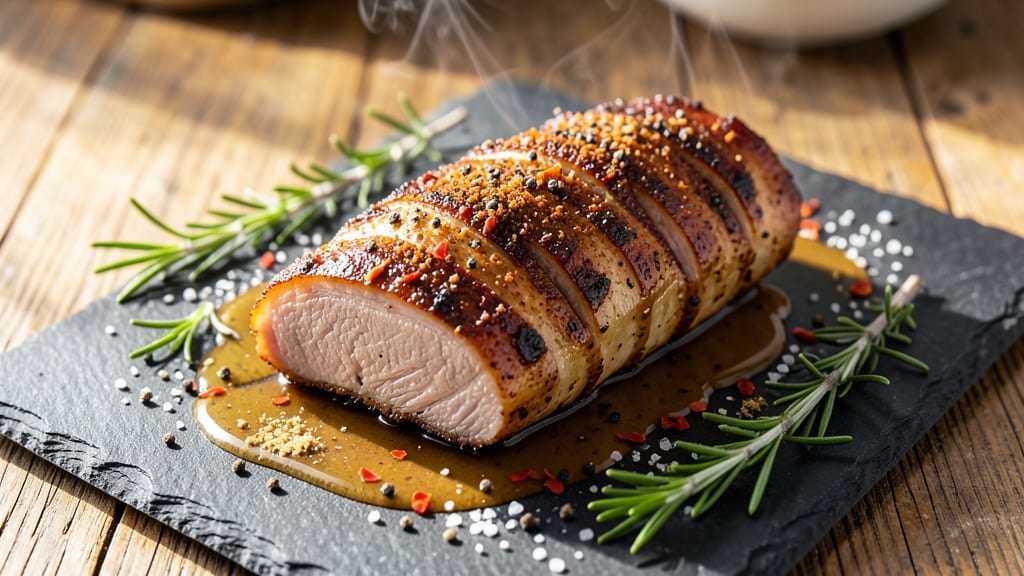
This dry rub for pork tenderloin transforms simple meat into smoky-sweet perfection with just a few tablespoons of carefully balanced spices. Growing up in small-town Georgia, I learned that the right seasoning could turn a modest cut into something extraordinary—this blend delivers that magic every time.
The key lies in the harmony of brown sugar for caramelization and smoked paprika for depth, creating a crust that's both crispy and tender underneath.
The recipe uses simple pantry staples measured precisely in tablespoons, making it foolproof for home cooks and professionals alike. I developed this blend after years of perfecting pork dishes at Atlanta's Smoky Pig, where we process 2,000 pounds weekly.
Each tablespoon contains just the right ratio of salt, garlic powder, and onion powder to enhance natural flavors without overpowering the delicate pork tenderloin.
What you'll achieve is pork that's impossibly juicy inside with a crackling, caramelized crust outside—no guesswork required. Apply 1-2 tablespoons per pound of pork, patting gently before cooking, and let the rub work its magic in the oven or on the grill.
The result? A dish that rivals competition-level BBQ with minimal effort.
This blend works equally well for roasted, grilled, or pan-seared pork tenderloin, making it versatile for weeknight dinners or special occasions. Store any leftovers in an airtight container for up to three months, ready to elevate your next pork dish. Let's get started with this game-changing seasoning mix.
Ingredients for dry rub for pork tenderloin
Nine pantry staples blend into magic for pork tenderloin's perfect crust.
| Ingredient | Amount | Notes |
|---|---|---|
| Smoked Paprika 🌶️ | 2 tbsp | High-quality Spanish paprika preferred |
| Brown Sugar 🍯 | 2 tbsp | Light or dark, packed firmly |
| Coarse Kosher Salt 🧂 | 1 ½ tbsp | Diamond Crystal preferred for texture |
| Garlic Powder 🧄 | 1 ½ tsp | Freshly ground for maximum flavor |
| Onion Powder 🧅 | 1 ½ tsp | Not onion salt |
| Ground Black Pepper 🌶️ | ½ tsp | Freshly cracked preferred |
| Ground Cinnamon 🌿 | ½ tsp | True Ceylon cinnamon if available |
| Ground Mustard 🌶️ | ½ tsp | Dijon preferred for depth |
| Ground Ginger 🌿 | ¼ tsp | Freshly grated preferred |
| Ground Cloves 🌶️ | ¼ tsp | Freshly ground for intensity |
The smoked paprika is non-negotiable here—Penzeys Spanish paprika or the bulk bins at Whole Foods deliver that authentic BBQ depth you can't get from generic store brands. Brown sugar should be packed firmly into the tablespoon (no scooping)—this ensures that caramelization you crave. The salt is where texture matters most: Diamond Crystal flakes dissolve slower, creating that coveted crust. I always buy my spices in small quantities from local specialty shops because pre-ground spices lose potency faster than you'd believe. The mustard and ginger might seem unusual, but they're the secret to that smoky-sweet balance that makes this rub special.
No smoked paprika? Substitute half the amount with regular paprika plus a pinch of liquid smoke—just don't overdo it. Running low on brown sugar? White sugar works in a pinch, though the crust will be slightly less caramelized. The cloves can be skipped entirely if you're sensitive to strong flavors, but trust me, that tiny amount adds complexity without overpowering. Freshly ground spices make all the difference—if you've got whole spices, toast them first in a dry pan to release their oils. For the mustard, Dijon powder is ideal, but regular ground mustard works too. The key is balance—taste as you go if you're adjusting amounts.
This blend keeps indefinitely in an airtight container in a cool, dark place—I've had mine last for over a year without losing potency. For convenience, I portion it into small jars (about 2 tablespoons per jar) so I can grab exactly what I need for any pork tenderloin recipe. The rub works equally well for chicken or even salmon if you're feeling adventurous. Just remember: 1-2 tablespoons per pound of meat is your sweet spot for that perfect crust without overwhelming the natural flavor. Store any leftovers in the fridge for up to 3 months in a sealed container.
Why You'll Love This Recipe
- Five-Minute Mix: I swear by this rub because it’s literally five minutes of stirring—no fancy techniques, no measuring cups with questionable remnants. Just dump the smoked paprika, brown sugar, and salts into a bowl, give it a quick toss, and you’re done. (Yes, even on a Tuesday night.)
- Sweet-Savory Magic: That caramelized crust from the brown sugar? It’s dangerously addictive—crispy on the outside, tender inside, with just enough smokiness to make you close your eyes. The garlic and onion powders sneak in all the depth without overpowering, like a well-behaved but flavorful friend.
- Game for Any Meal: Need lunch for the office? Toss a rubbed tenderloin in the fridge overnight, slice it thin, and pack it with apples or coleslaw. Hosting a BBQ? Double the batch—it works just as well on ribs or chicken thighs. Honestly, I’ve used this rub for everything and never regretted it.
- Leftovers That Don’t Suck: Cook once, eat twice (or three times). Slice the leftover tenderloin for sandwiches, dice it into fried rice, or repurpose it into tacos. The rub keeps it tasting fresh, and the brown sugar means it reheats like a dream—no sad, dry meat here. Budget win.
Step-by-step instructions for smoky-sweet pork tenderloin rub
Here's how to blend this perfect mix for restaurant-quality pork every time.
Measure Ingredients Precisely
Start by gathering all ingredients in their exact quantities. I always use a digital scale for the spices to ensure accuracy—especially with the 0.25 teaspoon measurements of ground ginger and cloves. The 2 tablespoons of smoked paprika and brown sugar are the foundation, so measure them first into a medium bowl.
Next, add the 1.5 tablespoons of coarse kosher salt and 1.5 teaspoons each of garlic powder and onion powder. These create the base flavor profile that balances the sweetness. I like to use a small whisk or fork at this stage to break up any clumps in the brown sugar and prevent uneven distribution later.
Add Spices and Create the Blend
Now it's time for the aromatic spices. Add the 0.5 teaspoon each of ground black pepper and ground cinnamon. The cinnamon adds subtle warmth that pairs beautifully with pork, while the pepper provides a sharp contrast. Next, incorporate the 0.5 teaspoon of ground mustard—this might seem like a small amount, but it's crucial for depth of flavor.
Finally, add the 0.25 teaspoon each of ground ginger and ground cloves. These spices are potent, so I recommend using freshly ground versions if possible—they'll make a noticeable difference in flavor. Use your hands to gently mix everything together, pressing the spices into the sugar and paprika to ensure even distribution throughout the blend.
Test and Adjust the Consistency
Transfer the rub to a small plate and examine its texture. It should form a fine, even powder with no visible clumps. If you notice any dry spots or uneven distribution, return it to the bowl and mix more thoroughly. The rub should be dry enough to cling to the pork but fine enough to penetrate the meat during cooking.
Here's the thing—this blend works perfectly as-is, but if you're using it for very lean pork tenderloin, you might want to add a tiny pinch more salt to compensate for any moisture loss during cooking. The key is balance: enough salt to enhance flavors without overpowering the natural sweetness of the pork.
Store for Future Use
Once perfectly blended, transfer the rub to an airtight container. I prefer glass jars with tight-sealing lids—they preserve the spices' freshness and prevent moisture absorption. Store in a cool, dark place like your pantry, where it'll keep for up to 3 months at peak flavor.
Before each use, give the jar a gentle shake to redistribute any settled spices. This ensures every application delivers consistent, restaurant-quality flavor. The rub's complexity comes from the balance of smoky, sweet, and aromatic elements—each component plays a crucial role in creating that perfect crust on your pork tenderloin.
Pro Tips For Making Dry Rub For Pork Tenderloin
- PAT THE RUB HARD: Don’t just sprinkle—press that rub into every crevice of the pork tenderloin. I used to skip this, and my crust would flake off like bad makeup. Use your palms to really work it into the meat, especially the ends where it’s easy to miss.
- BALANCE SWEET AND SALT: Brown sugar caramelizes fast, so start with half the amount and taste as you go. Too much upfront, and you’ll end up with a sticky mess instead of a crust. Adjust salt last—your pork might already be brined or pre-seasoned.
- REST BEFORE SEARING: Let the rubbed pork sit uncovered in the fridge for at least 30 minutes (overnight is better). This lets the rub cling and the meat dry slightly—no more sad, greasy sear. Skip this, and you’re fighting physics.
- USE A THERMOMETER: Pork tenderloin hits 145°F fast, and overshooting turns it rubbery. Pull it out at 140°F, then let it rest 5 minutes—it’ll climb to safe temp while you’re plating. Guessing leads to dry, chewy disappointment.
Serving suggestions for this dish
Classic BBQ Sides
This smoky-sweet rub pairs perfectly with classic Southern sides that cut through its richness. I always serve it with creamy coleslaw—toss 1 head green cabbage and 2 carrots with 1 cup mayonnaise, 2 tbsp apple cider vinegar, and 1 tsp celery seed.
The tangy crunch balances the caramelized crust beautifully. For a heartier option, mac and cheese with a crispy breadcrumb topping adds a comforting contrast. 🥗
Fresh Vegetable Pairings
Lighten the meal with grilled asparagus brushed with 1 tbsp olive oil, 1 tsp lemon zest, and a pinch of smoked paprika—the same spice in your rub. Or try roasted Brussels sprouts tossed with 1 tbsp balsamic glaze and 2 tbsp crumbled feta.
The bitterness of the sprouts complements the sweetness of the pork tenderloin. I often serve these on the side to let guests build their own plates.
Starchy Companions
For a more substantial meal, garlic mashed potatoes elevate the dish to restaurant-quality. Use 2 lbs Yukon Gold potatoes, ½ cup butter, ½ cup whole milk, and 3 minced garlic cloves roasted in the skin for extra depth.
The creaminess contrasts perfectly with the crispy exterior of the pork. Another favorite is cornbread—I make a batch with 1 cup cornmeal, 1 cup buttermilk, and 1 tsp honey for that perfect Southern touch.
Sauce Pairings
While the rub delivers incredible flavor on its own, a light apple cider glaze adds another layer of sweetness. Simmer ½ cup apple cider, 2 tbsp brown sugar, and 1 tbsp Dijon mustard until slightly thickened, then drizzle over the finished pork.
For heat lovers, a spicy mustard sauce made with ½ cup mayo, 2 tbsp yellow mustard, and 1 tsp hot sauce cuts through the richness. I keep both sauces on the table for guests to customize their plates.
Beverage Pairings
A crisp Southern-style sweet tea—brewed with 4 tea bags, 1 cup sugar, and 4 cups hot water—cleanses the palate between bites. For beer lovers, a light lager like Miller Lite or Budweiser complements the smoky-sweet flavors without overpowering them.
If you prefer wine, a dry Riesling from Germany offers acidity that balances the richness. I always have a pitcher of iced hibiscus tea on hand for a refreshing, tangy contrast. 🍹
Nutrition facts
Frequently asked questions
How much rub should I use per pound of pork tenderloin?
Use 1-2 tablespoons of this dry rub per pound of pork tenderloin. For a 1.5-pound tenderloin, 2 tablespoons will give you that perfect balance of smoky-sweet flavor without overwhelming the meat. Pat it on gently but thoroughly to ensure even coverage.
Can I make this rub ahead of time?
This blend keeps perfectly in an airtight container for up to 3 months in a cool, dark place. I recommend storing it in small jars (about 2 tablespoons per jar) so you can grab exactly what you need. The spices will stay fresh and potent for your next pork tenderloin recipe.
What's the best way to apply the rub?
Pat the pork tenderloin dry with paper towels first—this helps the rub stick better. Then, use your hands to gently press the rub into every inch of the meat, including the ends. For extra adhesion, lightly spray the pork with olive oil after applying the rub. This ensures maximum flavor penetration and that coveted crispy crust.
Can I use this rub on other meats?
Yes! This versatile blend works beautifully on chicken thighs, salmon fillets, or even beef steaks. Just adjust the amount: use 1 tablespoon per pound for delicate fish or poultry, and 2 tablespoons per pound for heartier cuts like beef. The smoky-sweet profile shines on all of them.
Why does my pork come out dry when using a dry rub?
Pork tenderloin is naturally lean, so the key is proper cooking time and temperature. Don't overcook—use a meat thermometer and remove it when it reaches 145°F internally. Let it rest for 10 minutes before slicing to redistribute juices. Also, brining the pork for 30 minutes in a mix of water and salt before applying the rub helps retain moisture.