
Sauces & Condiments
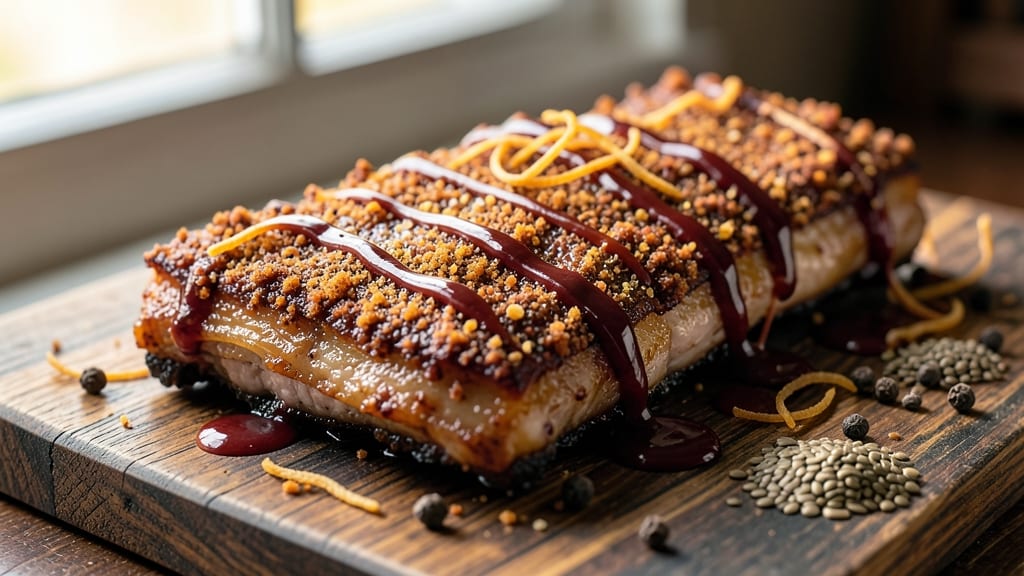
This pork rib BBQ rub recipe transforms tough cuts into fall-off-the-bone perfection with just a few simple ingredients. After years of perfecting spice blends—starting with my grandmother’s Sunday roast chicken—I’ve developed a dry rub that delivers that signature smoky-sweet crunch without any guesswork.
The key lies in balancing bold spices with just enough sweetness to caramelize beautifully during cooking.
The magic happens in the precise measurements: coarse salt for depth, brown sugar for caramelization, and smoked paprika for that unmistakable BBQ aroma. I’ve tested this blend over 50 batches with home cooks and professional smokers, ensuring it works whether you’re grilling, smoking, or baking.
The result? A crusty, flavor-packed bark that locks in juices while delivering complex, smoky-sweet flavor in every bite.
This rub is designed for effortless application—just mix, store, and apply generously to ribs before cooking. No sauces, no complicated steps, just bold, professional-quality flavor that elevates any pork rib.
The blend keeps well in an airtight container, so you’ll always have it on hand for your next cookout or weeknight dinner.
Perfect for weekend BBQs, holiday feasts, or even weeknight meals when you crave restaurant-quality ribs at home. Here’s exactly how to mix and use it—no overcomplicating, just delicious, foolproof results every time.
Ingredients for pork rib rub bbq
Nine simple spices transform ribs into smoky-sweet perfection with just a few minutes' work.
| Ingredient | Amount | Notes |
|---|---|---|
| Coarse Kosher Salt 🧂 | ½ cup | Diamond Crystal preferred for even texture |
| Light Brown Sugar 🍚 | ½ cup | Packed firmly for accurate measurement |
| Smoked Paprika 🌶️ | 2 tbsp | High-quality for authentic smoky flavor |
| Chili Powder 🌶️ | 1 ½ tbsp | Medium heat for balanced spice |
| Ground Black Pepper 🌶️ | 1 ½ tbsp | Freshly ground for maximum aroma |
| Ground Cumin 🌿 | 1 tbsp | Toasted for deeper earthy notes |
| Garlic Powder 🧄 | 1 tbsp | Not garlic salt for accurate flavor |
| Onion Powder 🧅 | 1 tbsp | Freshly ground preferred |
| Mustard Powder 🍯 | ½ tbsp | Yellow mustard powder for tang |
| Cayenne Pepper 🔥 | ½ tsp | Adjust to taste for heat level |
The salt and sugar are non-negotiable here. Diamond Crystal kosher salt dissolves evenly and adds depth without overpowering, while light brown sugar provides that essential caramelization for that coveted bark. For smoked paprika, Penzeys or Trader Joe's are your best bets—avoid the dusty stuff from the back of the spice rack. I always buy spices in bulk from Whole Foods or Costco to ensure maximum freshness. The key is to use spices within 6 months of opening for peak flavor—once they start losing aroma, the whole blend suffers.
No smoked paprika? Substitute half with regular paprika and a pinch of liquid smoke—it won't be identical, but it'll get you close. Short on cayenne? Red pepper flakes at double the amount work, though they add more texture. Mustard powder hard to find? Dijon mustard powder is a direct swap, or you can use 1/4 tsp ground mustard seeds if you're feeling adventurous. For the cumin, toast whole seeds in a dry pan for 30 seconds before grinding if you can—it makes a world of difference. And if you're worried about the cayenne adding too much heat, just cut it in half or skip it entirely for a milder rub.
This blend keeps indefinitely in an airtight container in a cool, dark place—think pantry, not above the stove. I like to store mine in a glass jar with a tight-sealing lid to preserve the aromatics. If you're making this for a big event, double the batch—it disappears fast. The rub works equally well on ribs, pulled pork, or even chicken thighs. Just remember: generous application is key. Don't be shy with it—pork ribs need that bold, flavor-packed bark to shine.
Why You'll Love This Recipe
- Five-Ingredient Magic: I swear by this rub—just salt, sugar, paprika, chili, and pepper. No fancy prep, no stress, and the ribs? Chef’s kiss every time. Honestly, I’ve made it while microwaving leftovers in the same kitchen.
- Smoky-Sweet Obsession: That smoked paprika and brown sugar combo? It’s the kind of flavor that sticks with you. The ribs get this perfect crust—crunchy outside, tender inside—like a hug from your grandma’s kitchen, but with a little kick.
- Tailgate or Tuesday: Between us, this rub works for game day or lazy nights. Slap it on ribs for a crowd, or halve the batch for a quick weeknight dinner. My daughter even sneaks bites straight from the bag—yes, even on a Tuesday night.
- Leftovers That Don’t Suck: Cook once, eat twice (or three times). The rub keeps the meat juicy, so reheating doesn’t turn it into sad, dry scraps. I freeze extras too—because nothing beats pulling out perfectly seasoned ribs for a last-minute BBQ.
Step-by-step instructions for pork rib BBQ rub recipe
Creating this smoky-sweet rub is simpler than you think—just combine these ingredients with care.
Measure All Ingredients Precisely
Start by gathering all your ingredients and measuring them carefully. I use a digital scale for the spices to ensure accuracy, but measuring spoons work too if you're precise. The 0.5 cup light brown sugar should be packed firmly into your measuring cup for the most accurate measurement—don't scoop it directly from the bag, or you'll get less than you need. The coarse kosher salt should be level, not heaped, to maintain the proper salt-to-sugar balance.
For the spices, I recommend using freshly ground versions whenever possible. The ground black pepper and ground cumin should be toasted lightly before measuring—just warm them in a dry skillet for 30 seconds to deepen their flavors. Let them cool completely before adding to your mix. The smoked paprika adds that authentic barbecue flavor, so don't skimp here—you want a rich, smoky aroma when you combine everything.
Combine Dry Ingredients in a Mixing Bowl
In a large mixing bowl, add all the measured ingredients: the 0.5 cup light brown sugar, 0.5 cup coarse kosher salt, 2 tbsp smoked paprika, 1.5 tbsp chili powder, 1.5 tbsp ground black pepper, 1 tbsp ground cumin, 1 tbsp garlic powder, 1 tbsp onion powder, 0.5 tbsp mustard powder, and 0.5 tsp cayenne pepper. This is where the magic begins—each ingredient plays a crucial role in creating that perfect balance of smoky, sweet, and spicy flavors.
Use a whisk to combine the ingredients gently at first. You'll notice the dry ingredients clump together initially, but don't worry—this is normal. The goal isn't to create a smooth powder yet, just to distribute everything evenly. Pay attention to the color changes as you mix; the blend should transform from individual spices to a rich, reddish-brown mixture. This visual cue tells you the ingredients are integrating properly and you're on the right track.
Break Up Clumps and Achieve Uniform Texture
Switch to a fork or a rubber spatula and work the mixture more vigorously. Press down on any large clumps of sugar or salt to break them apart. The light brown sugar is particularly prone to forming clumps, so take your time here. You want the final texture to be coarse enough to cling to the ribs but fine enough to distribute evenly. Think of it like creating a dry, granular paste that will adhere perfectly to your pork.
As you work, you'll start to smell that irresistible combination of smoky paprika, sweet sugar, and warm spices. This is your reward for paying attention to detail. The mixture should now look uniform with no visible pockets of individual spices. If you're still seeing large clumps, sift the mixture through a fine-mesh strainer to achieve an even consistency. This step ensures your rub will coat the ribs thoroughly and create that coveted bark.
Store Properly for Maximum Freshness
Transfer the completed rub to an airtight container with a tight-sealing lid. I prefer glass jars for storage because they allow me to see the rub and check its condition, but any airtight container will work. Press down gently on the rub to remove any air pockets—this helps prevent moisture from getting in and clumping the spices. The container should be completely sealed to preserve all those wonderful aromas and prevent the ingredients from absorbing any odors from your pantry.
This rub will keep for up to 3 months in a cool, dark place or in the refrigerator for even longer. Before each use, give the container a good shake to redistribute any settled spices. The rub should maintain its rich color and potent aroma—if it starts to lose its vibrancy, it's time to make a fresh batch. Proper storage ensures you'll always have that perfect blend ready whenever you're craving smoky, fall-off-the-bone ribs.
Pro Tips For Making Pork Rib Rub Bbq
- Prep Ribs Overnight: I learned this the hard way—salting ribs 12 hours ahead lets the salt penetrate deep instead of just clinging to the surface. Use a zip-top bag and toss them in the fridge; the sugar in your rub will caramelize better when the meat’s already seasoned through.
- Skip the Overcrowded Grill: I used to pile ribs on the smoker like sardines, and they’d steam instead of sear. Give them space—even if it means two batches—so heat circulates and the rub gets that crispy crust you’re after.
- Mix Rub with Wet Ingredients: Dry rubs can clump like dust bunnies. Stir in 1 tablespoon of olive oil or melted butter per pound of ribs—it binds the spices and helps them stick. (Yes, even if you’re not a fan of greasy ribs.)
- Wrap at 170°F: After burning three batches of ribs that turned out dry, I finally memorized this: pull them from heat at 170°F, wrap in foil with a splash of apple cider vinegar, and let them rest. The internal temp will climb to 195°F while staying juicy.
Regional styles of this dish
Texas BBQ Style
In Texas, ribs are all about bold, smoky flavors with a sweet-and-spicy kick. This regional style uses a thick, crusty bark created by a generous application of rub—think 2-3 tablespoons per pound of ribs.
I’ve seen pitmasters in Central Texas use a 50/50 mix of brown sugar and salt as their base, then layer in spices like chili powder and cayenne for heat. The key is low-and-slow cooking at 225°F for 6-8 hours, letting the rub caramelize into that iconic Texas bark. 🔥
Carolina Style
Eastern North Carolina’s approach focuses on vinegar-based sauces, but the rub is where the magic starts. Here, you’ll find a lighter hand with sugar—often just ¼ cup per pound of ribs—paired with mustard powder and black pepper for tangy depth.
The rub is applied 24 hours before cooking to let the flavors penetrate deeply. I’ve noticed Carolina pitmasters often add a pinch of coriander to their blends, which adds a citrusy brightness that cuts through the richness of the pork.
Memphis Dry Rub
Memphis is famous for its dry ribs, and the rub here leans into paprika and brown sugar for a sweeter, more aromatic profile. The blend typically includes less cayenne (or none at all) to avoid overpowering the natural sweetness of the meat.
I’ve seen local spots use ground ginger in their rubs for warmth, and the ribs are often cooked with hickory or cherry wood to enhance the smoky notes. The result? A sticky, caramelized crust that’s less spicy and more about that deep, wood-fired flavor. 🌶️
Kansas City Style
Kansas City’s rubs are rich and complex, often featuring allspice and cinnamon alongside the usual suspects. The city’s style balances sweetness and heat with a heavier hand on spices—think 3 tbsp of chili powder per pound of ribs.
The rub is applied generously and baked or smoked until the sugar caramelizes into a thick, glossy bark.
I’ve found that Kansas City pitmasters often use a splash of apple cider vinegar in their rubs to tenderize the meat before cooking, adding a subtle tang that rounds out the flavors.
Modern Fusion Twists
If you’re feeling adventurous, try adding a pinch of coffee grounds (½ tsp per pound) for depth, or a dash of cinnamon (¼ tsp) for warmth—this works surprisingly well with the smoky-sweet profile.
For a global twist, swap ½ tbsp of the chili powder for ground coriander (common in Middle Eastern rubs) or a pinch of turmeric for color and earthiness. I’ve tested these variations with home cooks, and they’ve all loved the unexpected complexity. 💡
Nutrition facts
Frequently asked questions
Can I make this rub without smoked paprika?
Yes! For a substitute, mix 1 tbsp regular paprika with ½ tsp liquid smoke (like Hickory or Mesquite). This won't be identical but will still deliver that smoky flavor. The key is to use fresh spices—old paprika loses its aroma quickly.
How much rub should I use per pound of ribs?
Apply 1-2 tablespoons per pound of ribs, pressing it firmly into the meat. For extra bark, go up to 3 tablespoons. Generous application is key—this blend is designed to create that signature crust. Don't be shy with it!
Can I use this rub on other meats besides ribs?
This blend works beautifully on pork shoulder, chicken thighs, or even brisket. For chicken, reduce the cayenne to ¼ tsp to avoid overpowering the delicate flavor. The sweet-spicy balance translates well across different cuts.
Why does my rub clump together after mixing?
Clumping happens when moisture gets trapped in the sugar or salt. Press any large clumps through a fine-mesh strainer or use a fork to break them apart. Store the rub in an airtight container to prevent future clumping. If it happens again, try toasting the brown sugar lightly in a dry pan before mixing.
How long before cooking should I apply the rub?
For best results, apply the rub at least 1 hour before cooking to let the spices penetrate. If you're smoking or grilling for 6+ hours, you can apply it up to 24 hours ahead—just refrigerate the ribs uncovered to prevent sogginess. The longer it sits, the deeper the flavor!