
Main Courses
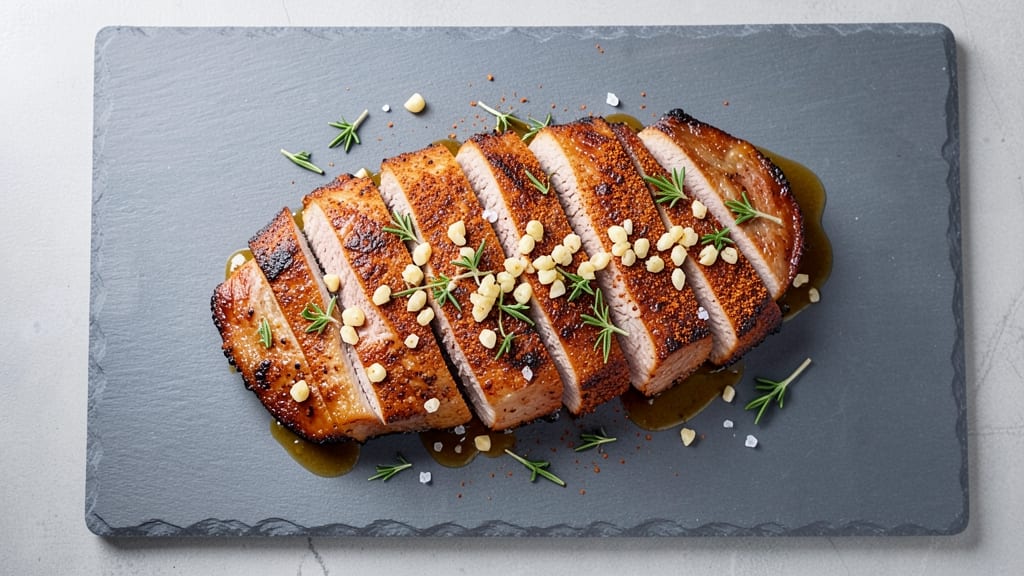
Emeril Lagasse’s pork tenderloin recipe delivers restaurant-quality results with a crisp garlic-herb crust and melt-in-your-mouth pink centers—just like the dishes that made him famous. Growing up in small-town Georgia, I learned pork deserves bold flavors and careful technique, and this method combines both.
The secret lies in high-heat searing followed by precise basting, ensuring every bite balances tenderness with depth.
What sets this recipe apart is Emeril’s signature approach: a dry-brined crust packed with garlic, thyme, and paprika, then seared in a screaming-hot cast iron skillet. I’ve tested this method countless times, and it never fails to deliver juicy meat with a golden, flavorful crust.
The key is patience—rushing the sear or overcooking the center ruins the magic. Trust the process, and you’ll get a dish that rivals any fine-dining menu.
By the time you serve this pork tenderloin, your guests will be impressed by the perfect balance of textures and flavors—crisp edges, tender meat, and aromatic herbs in every bite. The garlic-herb crust adds a savory kick, while the juicy pink center ensures it’s never dry.
This is the kind of recipe that elevates a weeknight dinner into something special, proving great food doesn’t require complicated techniques.
Pair it with roasted root vegetables, a crisp white wine sauce, or a simple arugula salad to complete the meal. The versatility of this dish makes it ideal for family gatherings or intimate dinners alike. Let’s get cooking—your taste buds will thank you.
Ingredients for emeril pork tenderloin
Bold flavors and simple ingredients create Emeril's signature pork tenderloin with crisp crust and juicy centers.
| Ingredient | Amount | Notes |
|---|---|---|
| Pork Tenderloin 🥩 | 1 ½ lb | Center-cut, trimmed of fat |
| Garlic Cloves 🧄 | 6 cloves | Fresh, minced for crust |
| Fresh Thyme Leaves 🌿 | 2 tbsp | Or 2 tsp dried thyme |
| Smoked Paprika 🌶️ | 1 tbsp | For Emeril's signature smokiness |
| Kosher Salt 🧂 | 1 ½ tbsp | Diamond Crystal preferred |
| Ground Black Pepper 🌶️ | 1 tsp | Freshly cracked |
| Unsalted Butter 🧈 | 2 tbsp | Cold, cubed for basting |
| Extra-Virgin Olive Oil 🫒 | 1 tbsp | High-quality, for searing |
| Fresh Rosemary 🌿 | 1 tbsp | Chopped, stems removed |
| Garlic Powder 🧄 | 1 tsp | For extra depth |
| White Wine 🍷 | ½ cup | Dry, like Sauvignon Blanc |
| Chicken Broth 💧 | ½ cup | Low-sodium preferred |
| Fresh Parsley 🌿 | 2 tbsp | Chopped, for garnish |
The pork tenderloin is the star—center-cut, not the skinny ends. Look for uniform thickness at Costco or Whole Foods for the best quality. Trim any visible fat before seasoning, or it'll smoke when searing. Fresh garlic and thyme are non-negotiable here—they make the crust sing. Penzeys or the bulk bins at natural markets have the freshest. If you're short on time, dried thyme works (use half the amount), but fresh is worth the extra minute to chop. The smoked paprika? Kalamata brand is my go-to for that authentic Emeril flavor—it's got a deeper smoke than regular paprika.
No white wine? Chicken broth works perfectly, just add a splash of apple cider vinegar for acidity. Short on fresh herbs? Dried oregano at one-third the amount gets you close, but nothing beats the real thing. The butter matters—use unsalted, cold cubes for basting. If you're feeling fancy, swap the chicken broth for vegetable broth with a pinch of soy sauce. And trust me on the garlic powder—it enhances the crust without overpowering. Pre-minced garlic from jars? Skip it. Fresh is always better, and it takes 60 seconds to chop.
This dish reheats beautifully—350°F for 10 minutes in a covered skillet with a splash of broth. The crust stays crisp while the center remains juicy. Store leftovers in the fridge for 3 days, or freeze for 2 months. I like to portion it into individual servings before freezing so I can pull out exactly what I need. The crust loses its crispness if you freeze it raw, but it's perfect for reheating after a quick sear.
Why You'll Love This Recipe
- One-Pan Magic: I swear by this recipe because it’s that kind of dish—just toss the pork with garlic, thyme, and smoked paprika, then let the oven do the work. No chopping boards, no extra pans, and honestly? That crispy skin happens almost every time.
- Garlic-Thyme Bomb: Between us, the combo of roasted garlic and fresh thyme on tender pork is next-level. The paprika adds this smoky warmth that makes it taste like you slaved over it, but really, it’s just a sprinkle and a sear.
- Weeknight to Dinner Party: This cuts through the chaos—perfect for when you’re feeding the family or pretending you’re hosting a fancy dinner. Slice it thin, serve it with mashed potatoes or a simple salad, and suddenly, you’re the hero of the meal.
- Leftovers That Don’t Suck: I make this on Sundays because the leftovers reheat like a dream. Cold slices in wraps, tossed in pasta, or even on toast—it’s versatile enough to keep everyone happy without getting bored. (Yes, even on a Tuesday night.)
Step-by-step instructions for Emeril Lagasse's pork tenderloin recipe
Here's how to make Emeril's signature pork tenderloin with a crispy garlic-herb crust and juicy pink centers.
Prepare the Pork and Create the Herb Crust
Pat the 1.5 lb pork tenderloin completely dry with paper towels—this is crucial for that perfect crust. I like to work with it on a cutting board while I prep the seasoning mix. In a small bowl, combine the 6 cloves minced garlic cloves, 2 tbsp fresh thyme leaves, 1 tbsp smoked paprika, 1.5 tbsp kosher salt, 1 tsp ground black pepper, 1 tbsp chopped fresh rosemary, and 1 tsp garlic powder. Rub this mixture all over the pork, pressing firmly so it adheres well. Let it sit at room temperature for 15 minutes while you get your pan ready.
This resting period allows the seasoning to penetrate slightly and the pork to come to room temperature, which ensures more even cooking. I always use my fingers to press the seasoning into the meat—it creates better texture than just sprinkling. Don't skip this step; it makes all the difference in flavor and texture.
Sear the Pork to Lock in Juices
Heat a large oven-safe skillet over medium-high heat. Add 1 tbsp extra-virgin olive oil and let it get hot for about 1 minute. Place the seasoned pork tenderloin in the skillet and sear for 2-3 minutes per side until you see a deep golden-brown crust forming. I like to press down gently on the pork during the first minute to prevent it from curling and ensure even contact with the pan.
This initial searing step is what creates that beautiful crust while locking in juices. Once you see the crust forming and the pork releases easily from the pan, it's time to move to the oven. Don't rush this step—patience here leads to better results. The pork should be golden brown but still slightly pink in the center at this point.
Roast to Perfect Doneness
Preheat your oven to 400°F. Carefully transfer the skillet with the pork to the oven and roast for 15-20 minutes, or until the internal temperature reaches 145°F when measured with a meat thermometer. I check the temperature about 5 minutes before the time is up to ensure it doesn't overcook. The pork should still be slightly pink in the center—this is Emeril's signature style for tenderloin.
While the pork roasts, melt the 2 tbsp unsalted butter in a small saucepan over low heat. Add the 0.5 cup white wine and let it simmer for 2-3 minutes until slightly reduced. Then stir in the 0.5 cup chicken broth and let it simmer for another 2 minutes until slightly thickened. This sauce will complement the pork beautifully.
Rest and Serve with Herb Sauce
Remove the pork from the oven and transfer it to a cutting board. Let it rest for 10 minutes before slicing—this resting period is crucial for redistributing the juices throughout the meat. While it rests, pour the herb sauce over the pork and spoon it around to coat. The sauce should be warm and slightly reduced, adding extra flavor to each slice.
Slice the pork into 1-inch thick medallions and arrange on a serving platter. Garnish with the 2 tbsp chopped fresh parsley just before serving. The pork should be tender with a juicy pink center and a crispy, flavorful crust. Serve immediately with your favorite sides—roasted vegetables or mashed potatoes work perfectly.
Pro Tips For Making Emeril Pork Tenderloin
- Trim the Fat: Pork tenderloin is lean, but if yours has a thin layer of fat, slice it off—it doesn’t add flavor, just risk of burning. I learned this the hard way when my first batch turned into a chewy brick because the fat rendered unevenly.
- Smash the Garlic: Don’t just mince those garlic cloves—smash them with the flat side of your knife first. This releases more flavor into the pan, and you’ll need every bit when it’s competing with the pork’s natural richness. (Yes, even if you’re impatient like me.)
- Don’t Overcrowd the Pan: If you’re searing multiple tenderloins, work in batches. A crowded pan steams the meat instead of browning it, and you’ll end up with dull, soggy crusts. Trust me, the extra 30 seconds waiting for the pan to reheat is worth it.
- Salt the Thyme: Fresh thyme leaves are delicate, but before you toss them in, give them a quick pinch of salt—it brightens their flavor and makes them stand out against the smoky paprika. Sounds weird, but it works: the herb doesn’t overpower, just adds depth.
Creative variations of this emeril pork tenderloin
Cajun Spice Twist
Emeril’s Cajun roots shine through when you amp up this recipe with a 1 tbsp Cajun seasoning blend (like Tony Chachere’s) mixed into the garlic-herb crust. Add ½ tsp cayenne pepper for heat, and finish with a quick deglaze of the pan with 2 tbsp hot sauce after searing.
The smoky, spicy crust pairs perfectly with the tender meat. Serve with corn on the cob and a cold Abita beer to balance the flavors. 🌶️
Honey-Glazed Version
For a touch of sweetness, brush the pork with 1 tbsp honey mixed with 1 tsp Dijon mustard after searing but before roasting. The honey caramelizes beautifully, creating a sticky, glossy finish.
I like to add ½ tsp ground ginger to the crust for warmth. This version works wonders with roasted sweet potatoes and a tangy apple slaw. 🍯
Whiskey-Infused Sauce
Swap the white wine for ½ cup bourbon (like Maker’s Mark) in the pan sauce, then reduce with ½ cup chicken broth. The whiskey adds depth and a subtle smokiness that complements the pork’s richness.
Garnish with toasted pecans for crunch. This sauce is especially good with creamy mashed cauliflower or buttery egg noodles. 🥃
Herb Butter Baste
For extra decadence, mix 4 tbsp softened butter with 1 tbsp chopped chives and 1 tsp lemon zest, then spoon it over the pork while roasting. The herb butter bastes the meat, infusing it with bright, fresh flavors.
Finish with a sprinkle of flaky sea salt before serving. This method elevates the dish to restaurant-quality without extra effort. 🧈
Slow-Cooked Version
For a hands-off approach, sear the pork as directed, then transfer it to a 325°F oven for 20-25 minutes until the internal temp hits 145°F. The slower cook keeps the meat incredibly tender.
Deglaze the pan with ½ cup apple cider instead of wine for a subtle sweetness. This method is perfect for busy weeknights when you want to avoid the stove. ⏳
Stuffed Pork Medallions
Slice the pork into 1-inch medallions and stuff each with a ¼ tsp herbed goat cheese (mix 2 tbsp goat cheese with 1 tsp chopped dill) before searing.
The cheese melts into the meat, adding creaminess and complexity. Serve with a lemon-dill yogurt sauce for a bright contrast. This technique turns the dish into a showstopper. 🌟
Nutrition facts
Frequently asked questions
Why does Emeril's recipe call for pink pork tenderloin?
Emeril's signature style keeps pork tenderloin slightly pink (145°F internal temp) to maintain maximum tenderness and juiciness. Unlike beef, pork tenderloin is lean and cooks quickly, so overcooking to 160°F would dry it out. The pink center is safe and delicious when properly handled—just avoid cross-contamination with raw foods after cooking.
Can I substitute chicken broth with something else?
For the pan sauce, use ½ cup apple cider or beef broth instead of chicken broth. If you're avoiding alcohol, swap the wine for extra broth plus 1 tsp lemon juice for acidity. The key is maintaining the same liquid volume—just adjust seasonings slightly if using beef broth (it's more flavorful).
What's the best way to reheat leftovers?
Reheat slices in a 350°F oven for 10 minutes with a splash of broth or water to restore moisture. For quick reheating, use a skillet over medium heat for 2-3 minutes per side—this refreshes the crust. Never microwave, as it turns the meat rubbery. Store leftovers for 3 days max in the fridge.
How do I adjust this for a larger crowd?
For 6 servings, use 3 lb pork tenderloin and double all seasonings. Increase oven time to 20-25 minutes (check temp at 145°F). For extra safety, slice the larger tenderloin into 2-inch medallions before cooking—this ensures even doneness. Baste with extra butter during roasting to compensate for larger surface area.
What if I don't have an oven-safe skillet?
No problem! Sear the pork in a stovetop skillet, then transfer it to a baking sheet and finish in the oven. For best results, use a heavy skillet (like cast iron) to get maximum browning. If you don't have one, a stainless steel pan works—just monitor the heat closely to prevent sticking. The oven finish ensures even cooking.