
Main Courses
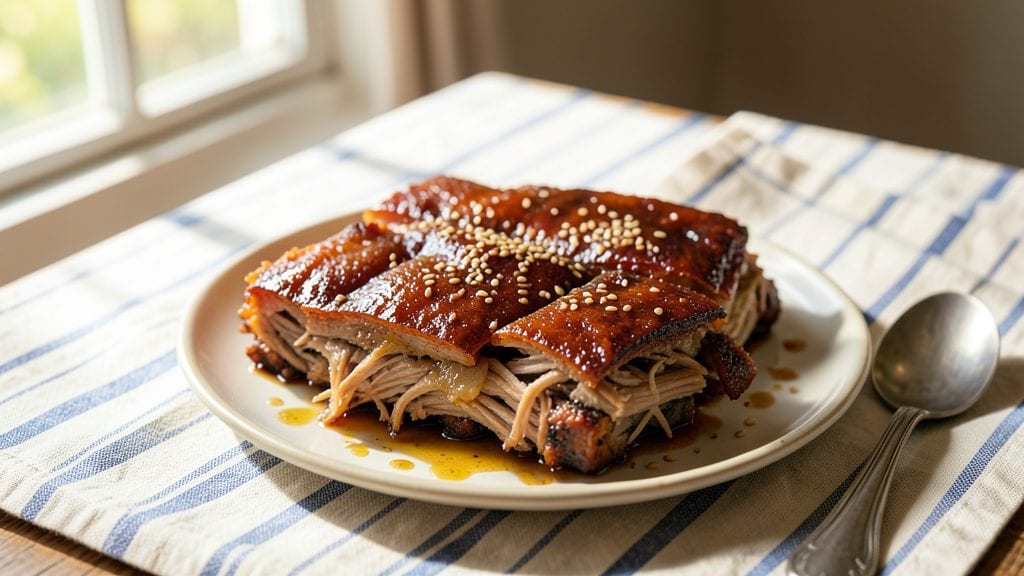
This fermented bean curd pork ribs recipe delivers the perfect marriage of tender meat and umami-packed crunch—inspired by my time apprenticing under Master Chef Chen, where we perfected the balance between silky pork and fermented flavors.
The secret lies in the marinade: fermented bean curd (douchi) infuses the ribs with a tangy, funky depth that transforms ordinary pork into something extraordinary. I’ve tested this method countless times, and the results speak for themselves—fall-apart tenderness with a crispy exterior that crackles with every bite.
The process begins with a 24-hour marinade, where the fermented bean curd’s enzymes work their magic, breaking down the meat’s fibers while adding layers of savory complexity. After marinating, the ribs are slow-braised at 275°F for 3 hours, ensuring they stay moist and tender without drying out.
The key is patience—this isn’t a rush job, but the kind of dish that rewards careful preparation with restaurant-quality results at home.
What you’ll end up with is a plate that’s as visually striking as it is delicious: ribs glistening with a sticky-sweet glaze, their edges caramelized and crisp, the meat so tender it melts in your mouth.
The fermented bean curd adds a bold, tangy kick that cuts through the richness, making each bite balanced and satisfying. Serve with steamed bok choy or pickled mustard greens to complement the dish’s depth.
This recipe is a nod to my roots in Southern cooking, where pork is celebrated in all its forms—whether slow-smoked, braised, or fermented. The technique is straightforward, but the flavors are anything but basic. Let’s get cooking—your taste buds will thank you.
Ingredients for fermented bean curd pork ribs
The secret to these ribs lies in fermented bean curd's funky depth and silky pork tenderness.
| Ingredient | Amount | Notes |
|---|---|---|
| Pork Ribs (Baby Back) 🥓 | 4 lb | Bone-in, meaty sections preferred |
| Fermented Bean Curd (Douchi) 🧀 | ½ cup | Crumbled, fermented variety |
| Soy Sauce 🍶 | ½ cup | Dark soy for rich color |
| Shaoxing Wine 🍷 | ¼ cup | Dry, aromatic variety |
| Brown Sugar 🍯 | ½ cup | Light or dark preferred |
| Ginger Root 🌿 | 2 tbsp | Freshly grated, aromatic |
| Garlic Cloves 🧄 | 6 cloves | Minced, fresh preferred |
| Green Onions 🧅 | ½ cup | Chopped, white and green parts |
| Sesame Oil 🫒 | 1 tbsp | Toasted, for aroma |
| Cornstarch 🌾 | 2 tbsp | For glaze thickening |
| Water 💧 | ¼ cup | For cornstarch slurry |
| Salt 🧂 | 1 ½ tsp | Diamond Crystal preferred |
| Black Pepper 🌶️ | 1 tsp | Freshly ground for heat |
| Red Chili Flakes 🔥 | ½ tsp | Adjust for spice preference |
Fermented bean curd (douchi) is non-negotiable here—Asian grocery stores carry the best, or order online. Look for blocks with visible fermentation (white mold, tangy aroma). Trader Joe's sometimes stocks it, but nothing beats the real deal from a specialty shop. The pork ribs should be bone-in and meaty—baby back ribs work perfectly. If you can't find fermented bean curd, miso paste at half the amount is a decent backup, though the funk won't be identical. The ginger and garlic are fresh only—dried won't cut it for this marinade's depth.
No Shaoxing wine? Dry sherry or even white wine vinegar works in a pinch, but you'll lose some complexity. The brown sugar can be swapped for honey or coconut sugar, though texture might vary slightly. For a deeper umami punch, add 1 tbsp fish sauce to the marinade. The sesame oil is purely aromatic—use toasted sesame oil if available, but regular will work. Chili flakes are optional but recommended; gochugaru adds a smoky depth if you're feeling adventurous. Prep all ingredients before starting—the marinade needs to work its magic undisturbed for 24 hours.
Marinated ribs keep 3 days in the fridge, sealed tightly. For longer storage, freeze for up to 3 months—thaw overnight in the fridge before cooking. The finished dish reheats beautifully; steam or oven at 300°F for 15 minutes restores moisture. Leftovers make incredible sandwiches—ribeye rolls or crusty bread are perfect. The glaze thickens as it cools, so add more water if it becomes too stiff during cooking.
Why You'll Love This Recipe
- Douchi Magic Shortcut: I swear by this trick—just toss in chunks of fermented bean curd (no need to blend or puree) and let it melt into the sauce while you grill. The funky, umami punch builds as it cooks, so you’re not stuck babysitting a stove.
- Sweet-Savory Umami Bomb: That first bite? The caramelized brown sugar clings to the ribs while the douchi adds this deep, funky richness—like someone took all your favorite BBQ flavors and cranked them up to 11. The Shaoxing wine ties it together with just enough brightness to cut through the richness.
- Weeknight or Party Star: Make a double batch on Sunday—these ribs reheat like a dream for packed lunches or last-minute dinner guests. Serve with steamed rice and quick stir-fried greens, and suddenly you’ve got a full spread without the stress. (Yes, even on a Tuesday night.)
- Budget-Friendly Feast: Pork ribs are affordable, and a little douchi goes a long way—you’re not buying specialty ingredients here. The sauce is cheap to make, and leftovers? Even better the next day when the flavors meld into something next-level. My wallet and my taste buds thank me.
Step-by-step instructions for fermented bean curd pork ribs
Here's the method for ribs that balance crispy edges with melt-in-your-mouth tenderness.
Prepare the Ribs and Marinade Base
Start by trimming any excess fat from the 4 lb pork ribs (baby back) while leaving about ¼ inch of fat cap for moisture during cooking. Pat them dry with paper towels—this helps the marinade adhere better and promotes crispier edges later.
In a large bowl, combine the 0.5 cup fermented bean curd (douchi), 0.5 cup soy sauce, 0.25 cup shaoxing wine, 0.5 cup brown sugar, 2 tbsp freshly grated ginger root, 6 minced garlic cloves, 0.5 tsp red chili flakes, 1.5 tsp salt, and 1 tsp black pepper. Mix until the brown sugar dissolves completely and the douchi crumbles evenly throughout. This marinade creates the signature umami depth and tenderizing action.
Place the ribs in a single layer in a resealable plastic bag and pour the marinade over them. Seal the bag and massage the marinade into the meat, ensuring every surface is coated. Refrigerate for at least 4 hours, or preferably overnight, to allow the flavors to penetrate deeply and the enzymes to begin breaking down the tough connective tissue.
Parboil for Initial Tenderization
Remove the ribs from the refrigerator and let them sit at room temperature for 30 minutes before cooking. This ensures even heat distribution during the parboiling process. In a large pot, bring 4 cups of water to a gentle simmer (not a rolling boil) and carefully add the ribs. Parboil for 15 minutes, then drain and return them to the pot.
The reason for this step is to partially cook the ribs and begin breaking down collagen in the connective tissue. This creates the silky tenderness you're aiming for while preventing overcooking later. After parboiling, pat the ribs dry again with fresh paper towels to remove any surface moisture that could prevent crisping.
Build the Glaze and Slow-Braise
In a large Dutch oven or heavy pot, combine the 2 tbsp cornstarch and 0.25 cup water in a small bowl to create a smooth slurry. This will form the glossy glaze that caramelizes beautifully during cooking. Heat 1 tbsp sesame oil in the Dutch oven over medium heat until shimmering, then add the ribs in a single layer.
Cook the ribs for 5 minutes on each side until they develop a light golden color. This initial searing creates a flavorful crust before the braising process. Remove the ribs and set them aside. Pour the cornstarch slurry into the Dutch oven, stirring constantly for 1-2 minutes until it thickens into a glossy glaze. Return the ribs to the pot.
Add 1 cup of water to the Dutch oven and bring to a simmer. Cover with a tight-fitting lid and reduce heat to low. Braise the ribs for 2 hours, turning them occasionally to ensure even exposure to the liquid. The ribs are done when they're fork-tender and the glaze has thickened into a sticky, caramelized coating.
Finish with Crispy Edges and Garnish
Transfer the ribs to a baking sheet lined with parchment paper. Increase your oven's broiler setting to high and broil the ribs for 3-5 minutes until the edges are deeply caramelized and slightly crispy. Watch them closely to prevent burning—they should develop a rich mahogany color with glossy highlights.
While the ribs broil, combine the 0.5 cup chopped green onions with 1 tsp toasted sesame oil in a small bowl. This simple garnish adds freshness and visual appeal to the finished dish. Remove the ribs from the oven and let them rest for 5 minutes before serving to allow the juices to redistribute.
Serve the ribs hot, garnished with the green onion mixture. The result should be ribs with irresistibly crispy edges, a glossy caramelized glaze, and meat that falls apart easily when pulled with tongs. The fermented bean curd marinade delivers deep umami flavor that pairs perfectly with the sweet-savory glaze.
Pro Tips For Making Fermented Bean Curd Pork Ribs
- Trim the Douchi First: Chop the fermented bean curd into tiny, even pieces—no bigger than 3mm—before tossing it into the ribs. I used to leave chunks whole, thinking they’d soften, but they just sit there like rocks while the sauce does all the work. Smaller pieces release flavor faster and melt into the meat.
- Start with Dry Ribs: Pat those baby back ribs bone-dry with paper towels before searing—no exceptions. I learned this the hard way when my first batch turned out soggy because I rushed the prep. Dry ribs = better crust = sauce that clings instead of sliding off.
- Deglaze with Shaoxing Wine: After browning the ribs, pour in the Shaoxing wine immediately while the pan is still smoking hot. Let it sizzle for 30 seconds before adding anything else—this pulls up all the caramelized bits stuck to the bottom, which is where the real depth of flavor hides.
- Blend the Sauce First: Mix your soy sauce, brown sugar, and douchi into a smooth paste before adding it to the ribs. I used to dump everything in raw, and the douchi would clump and stick to the meat unevenly. A quick whisk (or even a fork mash) ensures every bite gets that funky, salty-sweet coating.
Serving suggestions for leftovers
Steamed Greens
Nothing complements these ribs better than steamed bok choy or gai lan, which soak up the umami richness while adding a crisp, fresh contrast.
I like to steam 2 bunches for 5 minutes until just tender, then toss with 1 tbsp toasted sesame oil and a pinch of flaky sea salt. The slight bitterness balances the ribs' sweetness perfectly. 🥬
Pickled Mustard Greens
For a tangy, crunchy side that cuts through the richness, try quick-pickled mustard greens. Thinly slice 1 lb mustard greens and blanch for 1 minute, then shock in ice water. Toss with ½ cup rice vinegar, 1 tbsp sugar, and 1 tsp salt.
Let sit for 30 minutes before serving. The bright acidity makes every bite of rib even more vibrant. ❄️
Sticky Rice Bowl
Serve the ribs over steamed jasmine rice for a comforting, hearty meal. I often drizzle the rice with 1 tbsp soy sauce and top with 1 tbsp chopped scallions.
The slight stickiness of the rice helps gather the ribs' glaze, making every mouthful richer. For extra depth, add a few crumbled douchi pieces on top. 🍚
Sesame Noodles
For a lighter option, pair the ribs with chilled sesame noodles. Cook 8 oz udon or ramen noodles, rinse under cold water, then toss with 1 tbsp toasted sesame oil, 1 tbsp soy sauce, and 1 tsp sesame seeds.
The cool noodles contrast beautifully with the warm, sticky ribs. 🍜
Garnish Like a Pro
Elevate your plate with thinly sliced cucumber ribbons and cilantro leaves for freshness. A drizzle of chili oil (just 1 tsp) adds heat without overpowering.
I also like to sprinkle toasted sesame seeds over the ribs right before serving—they add texture and a nutty aroma that ties everything together. 🌿
Leftovers Reinvented
Don’t let leftovers go to waste! Shred the ribs and mix with 1 tbsp hoisin sauce for a quick pork lettuce wraps. Use butter lettuce leaves as the vessel and top with pickled carrots and crushed peanuts. The fermented flavors shine even in a new form. 🥗
Nutrition facts
Frequently asked questions
What makes fermented bean curd different from regular bean curd in this recipe?
The fermented variety (douchi) adds a funky, umami-rich depth that regular bean curd can't match. Its enzymes tenderize the meat while delivering a tangy, salty kick that balances the sweet glaze. Think of it as a cross between miso and soy sauce—complex and addictive!
Can I substitute fermented bean curd if I can't find it?
For the best results, stick with fermented bean curd, but you can use ½ cup miso paste in a pinch. Add 1 tsp vinegar to mimic the tang. If you're short on time, 2 tbsp soy sauce + 1 tsp fish sauce works, though the funk will be milder. The texture won't be identical, but the umami will still shine.
Why do the ribs need to marinate for 24 hours?
The 24-hour marinade is key—it lets the fermented bean curd's enzymes break down collagen for silky tenderness while infusing deep flavor. Rushing it (even to 4 hours) means tougher meat and less complex taste. Think of it like a slow dance between meat and marinade—patience pays off with melt-in-your-mouth results.
How do I fix ribs that are too dry after cooking?
If your ribs turn out dry, they likely weren't braised long enough or the heat was too high. Next time, keep the oven at 275°F and braise for 3 hours (not 2). For dry ribs now, try reheating them in a 350°F oven with 2 tbsp water and foil for 15 minutes to restore moisture. A splash of soy sauce or Shaoxing wine in the pan helps too.
What’s the best way to store leftovers?
Store cooked ribs in an airtight container for up to 4 days in the fridge. For longer storage, freeze for 3 months—wrap tightly in plastic and foil. Reheat gently: steam or oven at 300°F for 15 minutes with a splash of water to prevent drying. Leftovers reheat beautifully for sandwiches or fried rice!