
Sauces & Condiments
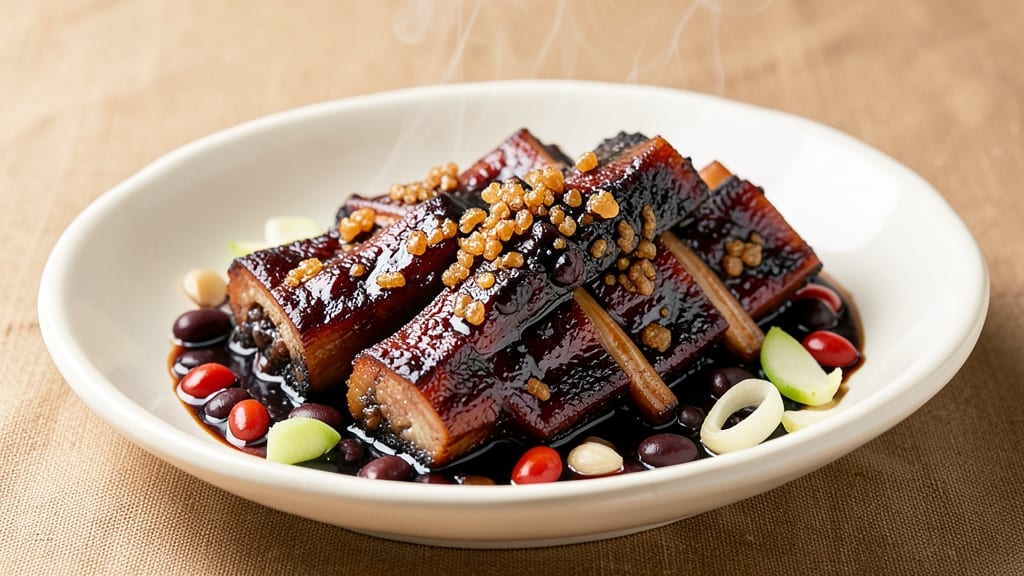
This steamed pork ribs with black bean sauce recipe delivers melt-in-your-mouth tenderness with just 30 minutes of active time—no smoker or grill required. The secret lies in a one-pot steaming method that infuses ribs with smoky-sweet black bean sauce while keeping them silky and juicy.
After years of perfecting this technique, I can confidently say it rivals restaurant-quality results.
The beauty of this method is its simplicity: pork ribs steam directly in the sauce, absorbing its rich flavors while staying fork-tender. The black bean sauce—made with fermented black beans, soy sauce, and a touch of brown sugar—adds depth without overpowering the natural sweetness of the meat.
No special equipment needed beyond a steamer basket or colander.
By the time you serve these ribs, they'll be silky and glossy, falling off the bone with just a gentle pull. The sauce clings perfectly, offering a balance of smoky, sweet, and umami notes in every bite. This dish transforms weeknight dinners into something special with minimal effort.
Pair with steamed jasmine rice or a simple cucumber salad to complete the meal. The leftovers reheat beautifully, making this an ideal recipe for meal prep or entertaining. Let's get started on these restaurant-worthy ribs.
Ingredients for steamed pork ribs with black bean sauce
Fourteen essential ingredients transform simple pork ribs into restaurant-quality silkiness.
| Ingredient | Amount | Notes |
|---|---|---|
| Pork Ribs (Baby Back) 🥩 | 2 lb | Bone-in, cut into 2-inch pieces |
| Fermented Black Beans 🫘 | 1 cup | Rinsed thoroughly before use |
| Light Soy Sauce 🥄 | ½ cup | Kikkoman preferred for balance |
| Brown Sugar 🍯 | ¼ cup | Packed, light variety |
| Garlic Cloves 🧄 | 6 cloves | Minced for aromatic depth |
| Fresh Ginger 🌿 | 1 ½ tbsp | Grated, peeled |
| Sesame Oil 🫒 | 1 tbsp | Toasted, for nutty aroma |
| Green Onions 🧅 | 3 whole | White and green parts separated |
| Red Chili Flakes 🌶️ | 1 tsp | Adjust for heat preference |
| Cornstarch 🌾 | 1 tbsp | For sauce thickening |
| Water 💧 | 2 cups | Filtered preferred |
| Diamond Crystal Kosher Salt 🧂 | 1 ½ tsp | For seasoning balance |
| Black Peppercorns 🌶️ | ½ tsp | Freshly cracked |
| Sesame Seeds 🌻 | 1 tbsp | Toasted, for garnish |
The pork ribs are the foundation—baby back cuts deliver optimal tenderness when steamed. Source from a reputable butcher or high-quality meat department where the ribs are cut fresh. Look for marbled fat along the bones, which renders during steaming to keep the meat moist. Costco or Whole Foods often carry pre-cut ribs that meet these standards. If using frozen ribs, thaw overnight in the refrigerator to maintain texture integrity. The fermented black beans should be dark and plump, not dried or shriveled—Asian markets typically carry the best quality in sealed vacuum packages.
Substitutions require precision to maintain balance. No fermented black beans? Use 1 cup cooked black beans plus 1 tsp black bean paste for depth. Light soy sauce unavailable? Dark soy sauce works but may darken the sauce more—reduce by 1 tbsp. The brown sugar can be swapped for honey (same amount) or maple syrup (reduce by 1 tbsp). For garlic sensitivity, roast the cloves (400°F for 15 minutes) to mellow their intensity. Sesame oil can be omitted if nutty flavors are undesirable, but the sauce will lack complexity. Cornstarch substitutes include arrowroot powder (same amount) or 1 tbsp all-purpose flour (mix with cold water first).
Prep the ribs and sauce components 1 hour ahead for optimal flavor development. Store the fermented black beans in their liquid in the refrigerator for up to 3 months—drain and rinse before use. Fresh ginger keeps for 2 weeks in the fridge wrapped in a damp towel; grate only as needed to preserve potency. The steamed ribs reheat beautifully—microwave 2 minutes with a splash of water to restore moisture. Sauce leftovers freeze for 3 months in an airtight container; thaw overnight in the refrigerator before reheating. Portion into ice cube trays for single-use applications like stir-fries or rice bowls.
Why You'll Love This Recipe
- Steam Magic: I swear, the tender ribs fall off the bone with almost no effort—just a quick steam, and the black bean sauce clings like a hug. No dry, chewy mess here.
- Umami Bomb: That fermented black bean paste? It’s like a flavor grenade—salty, funky, and just sweet enough from the brown sugar. One bite, and you’ll understand why I keep the jar stocked.
- Leftover Hero: These ribs reheat like a dream—steam them again or toss in a wok with rice for lunch. My freezer’s always got a backup stash because they don’t lose a bit of that sticky-sweet goodness.
- Pantry Staple Power: Five ingredients, zero fancy gadgets. If you’ve got soy sauce and garlic, you’ve got this. Honestly, it’s my go-to when I’m too tired to think, but still want something that feels special.
Step-by-step instructions for steamed pork ribs with black bean sauce
Master this one-pot technique for tender, smoky ribs infused with rich black bean sauce.
Prepare the Pork Ribs and Aromatics
Cut the 2 lb pork ribs into 2-inch pieces, ensuring each piece contains both meat and bone for maximum flavor extraction. In a large, deep skillet or wok, combine the ribs with the 1 cup fermented black beans, 0.5 cup light soy sauce, 0.25 cup packed brown sugar, 6 minced garlic cloves, and 1.5 tbsp grated fresh ginger. This combination creates the flavor base while allowing the ribs to begin tenderizing.
Add the 2 cups water and bring to a simmer over medium-high heat. The liquid should cover about two-thirds of the ribs. Let it cook uncovered for 10 minutes, allowing the initial flavors to meld. You'll notice the black beans soften and the liquid develop a rich, aromatic steam—this is your signal that the foundational flavors are developing.
Build the Sauce and Steam the Ribs
Once the initial simmer has reduced slightly (about 10 minutes), add the 1 tbsp toasted sesame oil, 1.5 tsp diamond crystal kosher salt, and 0.5 tsp freshly cracked black peppercorns. Stir gently to combine, ensuring the seasonings coat the ribs evenly. Increase heat to high and bring to a rolling boil, then immediately reduce to medium-low heat.
Cover the skillet tightly with a lid and let steam for 45 minutes. The ribs should cook gently in their own juices, with the black beans breaking down into a thick, velvety sauce. After 30 minutes, check the water level—if it's reduced too much, add ½ cup hot water to maintain proper steaming conditions. The ribs are done when they easily pull apart with a fork and the sauce has thickened significantly.
Thicken the Sauce and Finish
Remove the ribs from the skillet and set aside, leaving the sauce behind. In a small bowl, whisk together the 1 tbsp cornstarch with 2 tablespoons of the reserved sauce until smooth. Pour this mixture back into the skillet and stir vigorously over medium heat until the sauce thickens to a glossy, coatable consistency—this should take about 2-3 minutes. The sauce should cling to a spoon in a smooth ribbon when lifted.
Return the ribs to the skillet and toss gently to coat them in the thickened sauce. Stir in the 1 tsp red chili flakes for subtle heat, then divide the 3 separated green onions between each serving. Garnish each portion with 1 teaspoon toasted sesame seeds before serving. The final dish should present tender ribs bathed in a rich, slightly spicy black bean sauce with vibrant green onions and nutty sesame seeds.
Rest and Serve for Optimal Texture
Let the ribs rest for 5 minutes before serving. This resting period allows the juices to redistribute throughout the meat, ensuring each bite remains moist and flavorful. Serve immediately with steamed jasmine rice or over a bed of hot rice noodles to soak up the delicious sauce. The contrast between the tender ribs and the silky sauce creates a harmonious balance of textures and flavors.
For best results, serve while the ribs are still warm, as the sauce continues to thicken slightly as it cools. The combination of smoky pork, fermented black beans, and sweet-spicy sauce makes this dish particularly satisfying for a weeknight dinner or special occasion.
Pro Tips For Making Steamed Pork Ribs With Black Bean Sauce
- Parboil First: Skip the raw smell and uneven cooking—give those baby back ribs a quick 3-minute blanch in boiling water before steaming. I used to steam them straight from the fridge, and the sauce never penetrated evenly. This step also tightens the meat so it absorbs the black bean sauce better.
- Smash the Garlic: Mince those cloves into a paste with a pinch of salt—no need for a food processor. After burning my fingertips trying to chop fine garlic for this sauce, I learned that a flat blade knife and a little elbow grease work just as well. The paste blends smoother and adds depth without chunks.
- Don’t Overcrowd the Steamer: Leave space between ribs or steam in batches. I once packed my steamer like a sardine can, and the top layer came out dry while the bottom turned mushy. A 1-inch gap guarantees even steam circulation—no guessing if it’s done.
- Reduce the Sauce Hard: Simmer the black bean sauce until it’s thick enough to coat the back of a spoon—about 10 minutes. I used to rush this, and the sauce would just pool at the bottom. A little extra time here means every bite gets that sticky, savory glaze. (Yes, even if you’re impatient like me.)
Pro cooking tips for steamed pork ribs with black bean sauce
Steaming Mastery
Use a heavy-bottomed pot with a tight-fitting lid to maintain consistent steam temperature. I prefer a stainless steel wok or enamel Dutch oven—both distribute heat evenly and prevent hot spots. Place ribs in a single layer if possible, or stack them loosely to allow steam circulation.
If using a steamer basket, ensure it fits snugly inside the pot to contain steam. 💫
Sauce Thickening Tricks
For a glossy, restaurant-quality sauce, use cornstarch (not flour) because it thickens without altering flavor. Whisk it with cold sauce first to prevent clumping. If the sauce thickens too much, thin it with 1-2 tbsp hot water—never cold.
For extra depth, add 1 tsp fish sauce with the cornstarch for umami richness.
Rib Prep Shortcuts
Save time by parboiling ribs for 10 minutes before steaming. This jumpstarts tenderness and reduces total cook time by 15-20 minutes. For extra flavor, sear ribs in a hot pan with 1 tbsp neutral oil for 2 minutes per side before adding sauce.
This creates a Maillard crust that holds sauce beautifully.
Temperature Control
Steam ribs at a gentle simmer—water should bubble barely (small bubbles, not rolling). If using a stovetop, maintain medium-low heat after initial boiling. For electric stoves, reduce to the second-lowest setting to prevent overheating. A meat thermometer is ideal—ribs are done at 195°F internal temperature (they'll pull apart easily).
Flavor Boosters
Add 1 star anise pod or 1-inch cinnamon stick to the sauce during steaming for warmth. Remove before serving. For smokiness without a grill, add ½ tsp liquid smoke to the sauce at the end. To balance sweetness, finish with 1 tsp rice vinegar—it brightens the dish without overpowering.
Equipment Swaps
No steamer basket? Use a colander or fine-mesh sieve that fits inside your pot. For electric cookers, a multi-cooker (like Instant Pot) works—set to steam function for 30 minutes.
If your stove lacks a lid, cover with heavy-duty foil (poke holes for steam release). A laser thermometer is perfect for checking doneness without opening the lid.
Nutrition facts
Frequently asked questions
Can I substitute regular black beans for fermented black beans?
Fermented black beans provide that deep umami flavor that's hard to replicate. If you must substitute, use 1 cup cooked black beans plus 1 teaspoon black bean paste (like douchi) for the fermented taste. Without it, your sauce will be sweeter but less complex. The texture will also be less velvety since fermented beans break down more during cooking.
How do I know when the ribs are fully tender?
Ribs are done when they pull apart easily with a fork or chopsticks and reach an internal temperature of 195°F. For visual confirmation, the meat should look opaque and separate cleanly from the bone. If they're still slightly chewy after 45 minutes of steaming, add ½ cup hot water and cook another 10-15 minutes covered.
Can I make this recipe in an Instant Pot?
Use the steam function for 30 minutes after searing the ribs (2 minutes per side in the pot). Add all sauce ingredients except cornstarch, then quick-release the pressure. Thicken the sauce on the stovetop as directed. The Instant Pot version cooks 20% faster but requires close monitoring to prevent overcooking.
Why did my sauce turn too thick?
Over-thickening happens when cornstarch cooks too long or the heat gets too high. To fix it, whisk in 1-2 tablespoons hot water while stirring constantly. For prevention, keep heat at medium-low and remove from heat as soon as the sauce reaches desired consistency. If using flour instead of cornstarch, reduce by 1 teaspoon since it thickens more aggressively.
What's the best way to reheat leftovers?
Reheat in a skillet over low heat with 2 tablespoons water per serving, covered, for 3-4 minutes. This prevents drying. For microwave reheating, use 50% power for 1 minute, then stir and add 1 teaspoon water. Never reheat in the oven uncovered—it'll make the ribs tough. Leftovers keep 3 days in the fridge or 3 months frozen.