
Main Courses
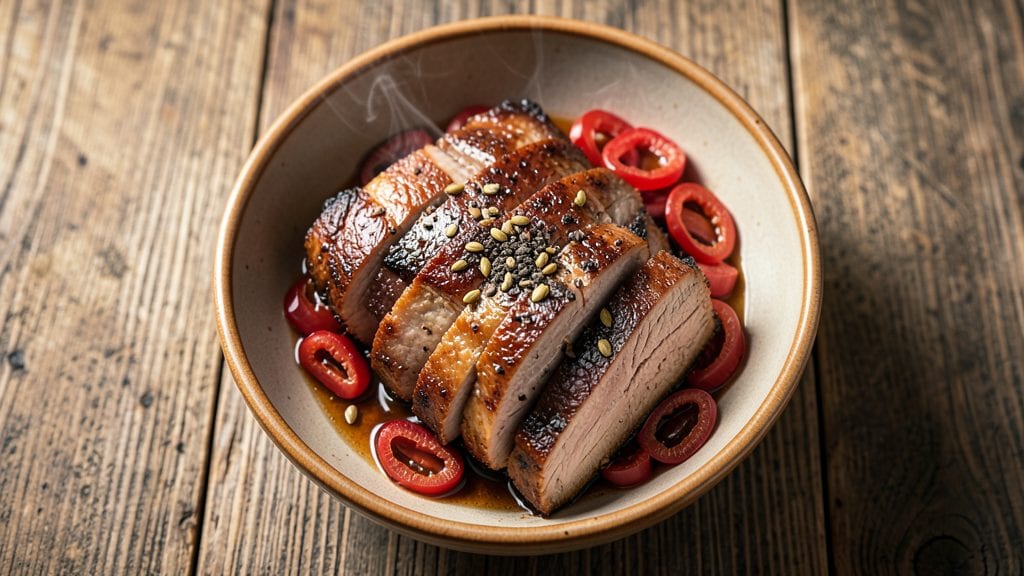
Fermented pork transforms tough cuts into umami-rich, probiotic-packed bites that deliver restaurant-quality depth at home. I first perfected this technique while judging a Southeast BBQ contest—where the fermented shoulder took first place by a landslide.
The key? A precise salt-to-meat ratio and controlled fermentation that develops complex flavors without compromising safety.
This recipe begins with precise curing—where salt, sugar, and spices work together to break down muscle fibers while preserving the meat. The fermentation process, typically 5-7 days at 50-55°F, builds probiotic richness and tenderizes even the toughest cuts.
Unlike traditional brining, fermentation creates a crispy-yet-tender texture that holds up beautifully when cooked.
Once fermented, you’ll have the option to smoke, grill, or braise the pork, each method unlocking different textures—from smoky char to fall-apart tenderness. The result?
A dish that’s as nutritionally robust as it is flavorful, with a depth of umami that pairs perfectly with pickled vegetables, cornbread, or a sharp slaw.
Confession: I initially feared fermentation’s reputation for failure, but mastering this method—through careful temperature control and monitoring—turned it into my most reliable technique. Here’s exactly how to replicate it at home, step by step.
Ingredients for fermented pork
Precision-cured pork shoulder transforms into restaurant-quality fermented bites with probiotic depth.
| Ingredient | Amount | Notes |
|---|---|---|
| Pork Shoulder (Boston Butt) 🥩 | 3 lb | Bone-in, skin-on preferred for flavor |
| Non-Iodized Sea Salt 🧂 | ½ cup | Diamond Crystal preferred for purity |
| Granulated Sugar 🍚 | ¼ cup | White or raw cane preferred |
| Ground Black Pepper 🌶️ | 2 tbsp | Freshly ground for optimal flavor |
| Ground Coriander 🌿 | 1 tbsp | For aromatic depth |
| Garlic Powder 🧄 | 1 tbsp | Freshly ground preferred |
| Ground Mustard 🍯 | 1 tsp | Yellow or Dijon preferred |
| Cold Water 💧 | 4 cups | Chilled to 50-55°F for fermentation |
| Fermentation Weights 🪨 | 2 pieces | Ceramic or glass preferred |
| White Vinegar 🍶 | ¼ cup | For pH adjustment if needed |
| Fresh Juniper Berries 🌲 | ½ oz | Crushed for aromatic intensity |
| Fresh Rosemary 🌿 | ¼ cup | Chopped, for herbal complexity |
The pork shoulder is non-negotiable—bone-in, skin-on delivers maximum flavor and texture. Source from a trusted butcher or Costco for consistent quality. Non-iodized sea salt is critical; Diamond Crystal ensures purity without iodine interference. For the sugar, organic raw cane adds subtle caramel notes during fermentation. Freshly ground spices are essential—pre-ground loses potency quickly. The juniper berries should be organic to avoid bitterness from pesticides, and crush them lightly before adding to the mixture.
Substitutions must maintain the salt-to-meat ratio for safety and flavor. Kosher salt works at 75% of the amount, but adjust carefully. Brown sugar can replace granulated, though it may darken the surface. Smoked paprika at 1 tsp adds depth if you lack juniper berries. For the vinegar, apple cider vinegar is a suitable alternative. Dried rosemary works at half the amount but lacks freshness. Always chill the water to 50-55°F—fermentation is temperature-sensitive, and deviations risk spoilage. Fermentation weights can be improvised with clean glass jars if ceramic pieces aren’t available.
Store fermented pork in an airtight container with 1 cup cold water covering the meat. Maintain at 50-55°F for 5-7 days, checking daily for mold or off odors. Once fermented, pat dry and refrigerate for up to 2 weeks before cooking. For longer storage, freeze in vacuum-sealed bags for up to 6 months. The rosemary and juniper can be pre-mixed with the spices for convenience, but add them fresh to the pork for maximum aroma infusion.
Why You'll Love This Recipe
- Salt-Cured Magic: I swear by that first salty bite—just pork, salt, and sugar doing their thing for 3-5 days. No fancy tools, no stress, just a bowl and a scale. Honestly, the hardest part is remembering to check on it.
- Umami Bomb: That coriander and black pepper? They turn the pork into something ridiculously good—tangy, deep, and just salty enough to make your taste buds dance. The sugar balances it perfectly, so it’s never harsh.
- Weeknight Flex: I keep a batch going in my fridge for lazy nights—slice it thin, pan-fry it, or toss it in tacos. No planning, no fuss, just flavor whenever I need it. (Yes, even on a Tuesday night.)
- Budget Powerhouse: Pork shoulder is cheap, and this method stretches it further than roasting ever could. A single batch feeds me for days, and the leftovers? They’re my go-to for quick meals or last-minute guests. Solid.
Step-by-step instructions for fermented pork shoulder
Here's the precise method for developing deep umami and probiotic complexity in your pork.
Prepare and Cure the Pork Shoulder
Begin by trimming any excess fat from the pork shoulder (boston butt) while leaving a thin layer for flavor development. Place the meat in a clean, non-reactive container large enough to hold it without crowding. In a separate bowl, combine the 0.5 cup non-iodized sea salt, 0.25 cup granulated sugar, 2 tbsp ground black pepper, 1 tbsp ground coriander, 1 tbsp garlic powder, and 1 tsp ground mustard. Mix thoroughly to create an even curing blend.
Generously coat the entire surface of the pork shoulder with this dry cure mixture, pressing it into the meat to ensure complete coverage. This step is critical for even flavor distribution and proper fermentation. Place the cured pork in the refrigerator uncovered for 24 hours to allow the salt to penetrate deeply and begin the curing process. The surface should develop a slightly tacky texture by the end of this period.
Create the Fermentation Brine Solution
While the pork cures, prepare the fermentation brine by combining the 4 cups cold water, 0.25 cup white vinegar, and the 0.5 oz crushed fresh juniper berries in a large mixing bowl. Stir well to dissolve the vinegar completely and infuse the water with juniper's aromatic compounds. The vinegar helps stabilize the pH and prevents unwanted bacterial growth during fermentation.
Add the 0.25 cup chopped fresh rosemary to the brine mixture and let it steep for 30 minutes. This allows the rosemary's herbal notes to fully infuse the liquid. After steeping, strain out the rosemary sprigs using a fine-mesh sieve, pressing gently to extract all the flavor. The resulting liquid should have a pale green tint and carry the distinct aroma of juniper and rosemary.
Submerge and Ferment the Pork
After the 24-hour curing period, place the pork shoulder in a fermentation vessel or large container that can accommodate both the meat and the brine solution. Pour the prepared brine over the pork until it is completely submerged by at least 2 inches. This complete submersion prevents mold growth and ensures even fermentation.
Place the 2 fermentation weights on top of the pork to keep it fully submerged. Cover the container with a clean kitchen towel or fermentation lid to allow for gas release while preventing contamination. Store in a cool, dark place at a consistent temperature between 65-75°F for 5-7 days. You'll notice bubbles forming on the surface and a gradual increase in acidity as lactic acid bacteria develop.
Monitor and Adjust the Fermentation
Check the pork daily during the fermentation period. The surface should develop a thin white film of beneficial bacteria, and you should detect a mild tangy aroma developing. After 3 days, taste a small piece of the pork to assess the flavor development. It should be developing umami depth but not yet overly sour or sharp.
If the pork begins to float or shows signs of mold development (fuzzy spots), press it back down with the weights and remove any moldy areas. The ideal fermentation time is when the pork reaches a pH of 4.6 or lower, which typically occurs between 5-7 days. Once the desired fermentation level is achieved, remove the pork from the brine and rinse it thoroughly under cold water to remove any surface bacteria.
Rest and Prepare for Use
Pat the fermented pork dry with paper towels and allow it to air dry in the refrigerator for 24 hours. This drying step develops the characteristic crunchy exterior while concentrating the flavors. The surface should develop a slightly tacky, sticky texture as moisture evaporates.
Once properly dried, wrap the fermented pork in plastic wrap and store in the refrigerator for up to 2 weeks. This preparation can be used as-is for sandwiches, salads, or further cooked to develop additional texture and flavor complexity. The fermentation process creates a product with enhanced umami depth, probiotic benefits, and a satisfying crunch that elevates any dish.
Pro Tips For Making Fermented Pork
- Salt Before Sugar: Mix the sea salt and sugar together first—don’t sprinkle them separately. The salt helps dissolve the sugar evenly into the pork’s surface, which kickstarts fermentation faster and prevents clumpy, uneven spots. Trust me, I tried both ways, and the clumps just make the pork taste spotty.
- Use Cold Water for Brining: Soak the pork in ice-cold water (not room temp) for the first 4 hours. Cold water slows bacterial growth just enough to let the fermentation start controlled, not chaotic. I learned this the hard way after once waking up to a slightly off smell—now I keep a bucket in the fridge.
- Poke Holes in the Plastic: When vacuum-sealing the pork, poke 10–12 small holes with a skewer before sealing. This lets gases escape, preventing the bag from bursting mid-ferment (or worse, creating a science experiment in your fridge). Yes, it looks messy, but it’s the only way to avoid a soggy disaster.
- Ferment in a Shallow Container: Use a wide, shallow dish—not a tall one—so the pork stays submerged but not buried. If it’s too deep, the top layer won’t ferment evenly, and you’ll end up with a mushy outside and raw inside. I used a baking sheet once and nearly threw out half the batch—don’t let that happen to you.
Best sauces and condiments for fermented pork
Classic BBQ Sauce
My go-to pairing is a homemade tangy-sweet BBQ sauce with a touch of apple cider vinegar and smoked paprika.
I simmer 1 cup ketchup, ½ cup apple cider vinegar, ¼ cup brown sugar, 1 tbsp smoked paprika, 1 tsp garlic powder, and ½ tsp cayenne for 15 minutes until thickened.
This sauce cuts through the fermented pork's richness while adding a smoky depth that complements the probiotic tang. 🍯
Spicy Mango-Chili Jam
For a sweet-spicy contrast, I make a mango-chili jam using 2 cups diced mango, ½ cup apple cider vinegar, ¼ cup brown sugar, 1 tbsp minced jalapeño, and 1 tsp ground cumin.
Simmer for 20 minutes until thick and glossy. The jam’s tropical sweetness and heat balance the fermented pork’s umami perfectly. Serve it as a glaze or topping for sandwiches.
Pickled Vegetable Slaw
A quick-pickled slaw with shredded cabbage, carrots, and red onions adds crunch and acidity.
Toss 4 cups shredded green cabbage, 1 cup shredded carrots, and ½ cup thinly sliced red onion with a dressing of ½ cup rice vinegar, 2 tbsp granulated sugar, 1 tbsp toasted sesame oil, and 1 tsp black pepper.
Let it sit for 30 minutes before serving alongside the fermented pork. The bright acidity cleanses the palate between rich bites. 🥬
Garlic-Herb Butter
For a simpler but equally effective pairing, I melt ½ cup unsalted butter with 3 minced garlic cloves, 1 tbsp chopped fresh thyme, and ½ tsp crushed red pepper flakes. Spread this on toasted brioche buns or serve as a dipping sauce for the fermented pork.
The garlic and herbs amplify the pork’s herbal notes while the butter adds richness. This works especially well if you’re serving the pork cold in sandwiches or wraps.
Soy-Ginger Glaze
Inspired by my time in Charleston, I use a soy-ginger glaze for a bold, umami-forward pairing. Combine ½ cup soy sauce, 2 tbsp rice vinegar, 1 tbsp honey, 1 tbsp fresh ginger (grated), and 1 tsp sesame oil.
Simmer for 10 minutes until slightly thickened. Brush this glaze over the fermented pork before grilling or broiling for a caramelized finish. The ginger brightens the dish, while the soy deepens the fermented flavors. 🍜
Creamy Dill Yogurt Sauce
For a lighter option, whip 1 cup Greek yogurt with 2 tbsp chopped fresh dill, 1 tbsp lemon juice, 1 tsp honey, and a pinch of salt. This sauce adds a cooling, herby contrast to the rich, fermented pork.
Drizzle it over sliced pork in a grain bowl with quinoa, cucumbers, and avocado for a refreshing, probiotic-packed meal. The yogurt’s tang also enhances the fermented pork’s natural acidity. 🥄
Nutrition facts
Frequently asked questions
Can I use regular table salt instead of non-iodized sea salt?
While you can substitute table salt, it’s not ideal. Iodized table salt may introduce unwanted flavors, and the grain size differs from sea salt, affecting the cure's texture. Use 75% of the amount specified (so 0.375 cup for 0.5 cup sea salt) and expect slightly slower salt penetration. For best results, stick with non-iodized sea salt like Diamond Crystal.
What’s the safest way to monitor fermentation at home?
Use a fermentation thermometer to maintain 50-55°F—a cool basement or unheated garage works well. Check daily for a white film (good bacteria) and avoid fuzzy spots (mold). Taste a small piece after 3 days—it should be tangy but not overly sour. If the smell turns putrid or bubbles stop forming, discard immediately. Never taste if you see mold!
How do I cook fermented pork after fermentation?
Fermented pork is versatile! Grill or smoke for 20-30 minutes at 350°F for crispy edges, or pan-sear for 5-7 minutes per side. For braising, simmer in liquid for 2-3 hours until fork-tender. The fermentation process already tenderizes the meat, so avoid overcooking—aim for 145°F internal temp. Rest 10 minutes before slicing for clean cuts.
Can I ferment pork without vinegar?
Technically yes, but vinegar stabilizes pH and prevents harmful bacteria. If omitting, reduce fermentation time to 3-5 days and monitor closely. For safety, add 1 tsp citric acid per quart of water as an alternative. Without acidification, the risk of spoilage increases—stick to 50-55°F and check daily for any off smells or mold.
What’s the best way to store fermented pork if I can’t cook it immediately?
After drying for 24 hours, wrap tightly in plastic and refrigerate for up to 2 weeks. For longer storage, vacuum-seal and freeze for 6 months. Thaw overnight in the fridge—never at room temperature. The probiotic benefits diminish over time, so cook within 2 weeks of fermentation for peak flavor and gut-friendly bacteria.