
Main Courses
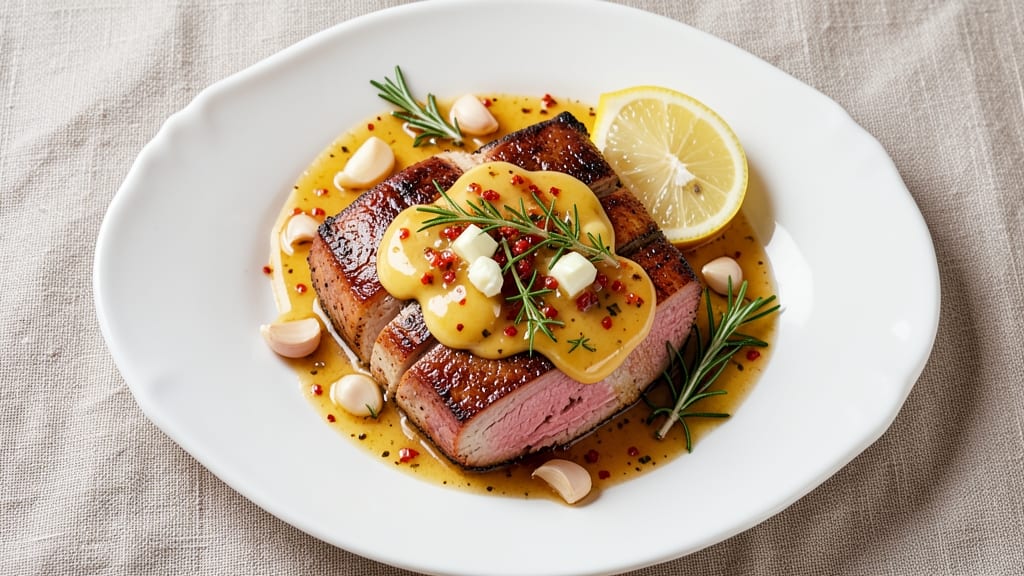
This French pork tenderloin recipe delivers tender, melt-in-your-mouth perfection with a rich mustard pan sauce that elevates every bite. The secret lies in a precise sear and herb-buttered basting technique that transforms simple ingredients into restaurant-quality results.
I’ve refined this method over years of testing—what starts as a modest cut of pork becomes a showstopping centerpiece with just the right balance of herbs, butter, and acidity.
The process begins with a dry-brined tenderloin, ensuring moisture retention and a crisp exterior. A generous coat of herb butter—infused with thyme, rosemary, and garlic—creates a golden crust during the sear, while a splash of white wine deglazes the pan for a velvety sauce.
The mustard adds depth, cutting through the richness without overpowering the natural sweetness of the pork. This isn’t just a recipe; it’s a technique that builds confidence in the kitchen.
By the time you serve it, you’ll have a tender pork tenderloin with a caramelized crust, sliced into perfect medallions that glisten under the sauce. The aroma alone—warm herbs, caramelized butter, and a hint of tang—will have everyone at the table anticipating the first bite.
Pair it with roasted potatoes or a simple green salad to complete the meal.
What makes this recipe foolproof is the attention to detail: precise timing, proper basting, and a sauce that’s built in layers. Whether you’re hosting dinner guests or treating yourself to a special weeknight meal, this method delivers professional results without the fuss.
Let’s get started—your kitchen is about to smell like a Parisian bistro.
Ingredients for french pork tenderloin
Twelve ingredients, one technique: herb-buttered sear and mustard pan sauce transform modest pork into bistro-quality perfection.
| Ingredient | Amount | Notes |
|---|---|---|
| Pork Tenderloin 🥩 | 1 ½ lb | Center-cut, trimmed of silver skin |
| Unsalted Butter 🧈 | ½ cup | Cold, cubed for basting |
| Fresh Thyme Leaves 🌿 | ½ cup | Stems removed, finely chopped |
| Fresh Rosemary 🌿 | ¼ cup | Needles finely chopped, stems removed |
| Garlic Cloves 🧄 | 6 cloves | Minced, skin-on for maximum flavor |
| Dijon Mustard 🍯 | 2 tbsp | High-quality, smooth variety |
| Dry White Wine 🍷 | ½ cup | Sauvignon Blanc or Chardonnay |
| Chicken Stock 🥄 | ½ cup | Low-sodium, homemade preferred |
| Fresh Parsley 🌿 | ¼ cup | Chopped, for garnish |
| Diamond Crystal Kosher Salt 🧂 | 1 ½ tsp | For dry brine and seasoning |
| Freshly Ground Black Pepper 🌶️ | 1 tsp | Coarsely ground for texture |
| Lemon Zest 🍋 | 1 tsp | From 1 organic lemon |
| Extra-Virgin Olive Oil 🫒 | 1 tbsp | For finishing sauce |
The pork tenderloin demands center-cut quality—look for uniform diameter and minimal connective tissue. Whole Foods or D'Artagnan carry premium cuts, but most grocery stores stock adequate options. Trim the silver skin thoroughly for even cooking; this is non-negotiable in professional kitchens. The butter must be cold and cubed—never softened—so it bastes effectively. For herbs, Whole Foods bulk bins offer superior freshness, but any well-stocked market will suffice. The garlic should be skin-on for maximum flavor infusion during the sear.
Substitutions require precision: Dijon mustard can be replaced with 1 tbsp whole-grain mustard plus 1 tsp honey, though texture differs. White wine absent? Use equal parts chicken stock and lemon juice, but reduce by half first. The chicken stock must be low-sodium—Kitchen Basics or homemade work best. For fresh herbs, dried thyme and rosemary at one-third quantity suffice, though flavor depth diminishes. The lemon zest can be omitted if unavailable, but the acidity brightens the sauce significantly. Pre-minced garlic works in a pinch, but whole cloves yield superior aroma during searing.
Dry-brine the pork overnight for optimal moisture retention—never skip this step. Store the herb butter mixture in an airtight container between layers of parchment for up to 5 days. The white wine and chicken stock can be pre-mixed and refrigerated for 3 days; reduce by half before using. Freshly ground black pepper loses potency after 2 weeks, so grind just before use. Garnish with parsley immediately before serving—it wilts quickly under heat. Leftovers reheat beautifully in a skillet with a splash of stock for 3 days
Why You'll Love This Recipe
- One-Pan Magic: I swear by this recipe when I’m too tired to deal with multiple dishes. Just sear the pork, toss in the garlic and herbs, and let the butter melt into golden perfection—no extra pans, no stress.
- Herb-Butter Bliss: That first bite? The crispy skin gives way to tender meat swimming in rich, herby butter. Fresh thyme and rosemary make it taste like a bistro dish, but I’m the one cooking it.
- Weeknight or Dinner Party: Same recipe, two vibes—serve it sliced for a quick weeknight meal or leave it whole on a platter for guests. The aromas alone make it feel fancy, even if it’s just me and takeout containers.
- Leftovers That Don’t Suck: Unlike some recipes, this pork stays juicy when reheated. I’ll make it for dinner, slice the rest for sandwiches the next day, and still crave it. (Yes, even cold.)
Step-by-step instructions for herb-buttered pork tenderloin with mustard sauce
This method delivers perfectly tender pork with a golden crust and velvety mustard-wine sauce.
Prepare the Herb Butter and Season the Pork
In a small bowl, combine the 0.5 cup unsalted butter, 0.5 cup fresh thyme leaves, 0.25 cup fresh rosemary, 6 cloves minced garlic, 1.5 tsp diamond crystal kosher salt, 1 tsp freshly ground black pepper, and 1 tsp lemon zest. Mix thoroughly until evenly distributed and form into a log shape. Wrap tightly in plastic wrap and chill for 30 minutes to firm up.
Pat the 1.5 lb pork tenderloin dry with paper towels, then season generously with additional salt and pepper. This dry brine step ensures maximum flavor penetration and helps create that coveted crust. Let the pork sit at room temperature for 30 minutes before cooking to promote even cooking throughout.
Sear the Pork to Develop Crust and Flavor
Heat a large oven-safe skillet over medium-high heat until very hot. Add 1 tablespoon extra-virgin olive oil and swirl to coat. Place the pork tenderloin in the skillet and sear for 3-4 minutes per side until developing a deep golden-brown crust. Press gently on the meat during the first minute to prevent curling.
Remove the pork from the skillet and place it on a cutting board. Let it rest for 5 minutes while you prepare the pan sauce. The resting period allows the juices to redistribute, ensuring a tender final texture. Keep the skillet on the heat for the next step.
Create the Mustard-Wine Pan Sauce
Return the skillet to medium heat and add the chilled herb butter log. Let it melt completely, about 1-2 minutes, then scrape up any browned bits from the bottom of the pan with a wooden spoon. These flavorful bits, called fond, are essential for building depth in your sauce.
Pour in the 0.5 cup dry white wine and let it simmer for 2-3 minutes until reduced by half. Add the 0.5 cup chicken stock and 2 tbsp dijon mustard, then bring to a gentle simmer. Cook for 5-6 minutes until the sauce thickens slightly and coats the back of a spoon. The sauce should be glossy with a velvety consistency.
Finish Cooking and Sauce the Pork
Return the pork tenderloin to the skillet and spoon the sauce generously over the top. Transfer the skillet to a 400°F preheated oven and roast for 10-12 minutes or until the internal temperature reaches 145°F on a meat thermometer. This final cooking step ensures the pork reaches perfect doneness while absorbing the flavorful sauce.
The pork is done when it reaches 145°F internally and the juices run clear when pierced with a knife. Remove from the oven and let it rest for 5-10 minutes before slicing. This resting period is crucial for maintaining juiciness in each slice.
Slice and Serve with Herb Garnish
Slice the pork tenderloin into ½-inch thick medallions against the grain for maximum tenderness. Arrange the slices on a warm serving platter and spoon the remaining sauce over the top. Garnish generously with 0.25 cup chopped fresh parsley for a pop of color and freshness.
Serve immediately with roasted vegetables or a simple green salad. The pork should be tender enough to pierce easily with a fork but still hold its shape. Each bite should deliver perfect tenderness with a balance of herbaceous butter and tangy mustard sauce.
Pro Tips For Making French Pork Tenderloin
- CRANK THE HEAT FIRST: Start your pan screaming hot—no, really, get it to the point where you see a shimmer of smoke before adding the pork. I learned this the hard way when my first batch turned out gray and sad because I was too patient. High heat sears the crust fast, locking in those herby butter flavors instead of letting them steam away.
- SLICE THE GARLIC THIN: Mince those garlic cloves into paper-thin slivers, not rough chunks. They cook faster this way and infuse the butter without burning—because nothing ruins a dish faster than bitter garlic. A sharp knife and a quick chop make all the difference.
- SALT THE PORK TWICE: Season the tenderloin generously before searing, then hit it again after adding the butter-herb mix. The first layer gets absorbed as it cooks, while the second boosts flavor at the end. Trust me, your taste buds will notice the difference.
- REST IT WRAPPED: Skip the tent of foil if you’re in a hurry, but at least give it a solid 5 minutes wrapped in a clean kitchen towel. This keeps the meat juicy while you finish the pan sauce—no one wants a dry pork tenderloin, especially after all that effort. (Yes, even if you’re impatient like me.)
Storing and reheating your leftovers
Refrigerator Storage
Store your cooked pork tenderloin in an airtight container with a splash of the mustard-wine sauce to keep it moist. The pork will stay fresh in the refrigerator for up to 3 days.
I recommend portioning it into single-serving containers for easy reheating. Always let it cool completely before refrigerating to prevent condensation buildup, which can make the meat soggy. 🥩
Freezer Storage
For longer storage, wrap the pork tightly in plastic wrap followed by aluminum foil or place it in a freezer-safe bag with the sauce. Label with the date and freeze for up to 3 months.
Thaw overnight in the refrigerator before reheating—never at room temperature. The sauce will separate slightly when frozen, so stir in a splash of water or stock when reheating. ❄️
Stovetop Reheating
My preferred method is reheating in a skillet over medium-low heat with a splash of chicken stock or water. Add the pork medallions and sauce, cover, and heat for 3-4 minutes until warmed through.
Avoid high heat to prevent drying out. Stir occasionally and baste with the sauce to restore moisture. The result should be just as tender and flavorful as the original. 🔥
Oven Reheating
Preheat your oven to 325°F and place the pork in an oven-safe dish with a drizzle of olive oil and a splash of sauce. Cover loosely with foil and heat for 10-12 minutes, or until reaching 165°F internal temperature.
This gentle method preserves texture without overcooking. I use this technique when reheating for a special dinner—it feels like a second cook. 💛
Microwave Safety
If you're short on time, microwave individual portions on 50% power for 1-2 minutes, stirring halfway. Add a splash of sauce or water to prevent drying. The texture won't be as perfect as stovetop or oven methods, but it's a quick solution for busy weeknights.
Always cover with a damp paper towel to retain moisture. ⚡
Sauce Refresh Tips
If the sauce thickens too much during reheating, thin it with a splash of warm water or stock. For extra richness, stir in 1 tablespoon cold butter at the end.
I also like to finish with a sprinkle of fresh parsley and a squeeze of lemon juice to brighten the flavors. This simple step makes reheated pork taste almost as good as fresh! 💫
Nutrition facts
Frequently asked questions
Why does the recipe call for a dry brine overnight?
The dry brine creates a flavorful crust while ensuring the meat stays juicy throughout. Salt penetrates the surface evenly, enhancing tenderness and preventing dryness during cooking. Skipping this step risks a bland exterior or over-salted center.
Can I substitute white wine with another liquid?
Yes! Use equal parts chicken stock and lemon juice, but reduce by half first. Alternatively, swap for apple cider vinegar (same reduction) for a tangy twist. The key is maintaining acidity to balance the richness of the butter and pork.
What if my pork tenderloin is thicker than 1.5 lbs?
Adjust cooking time by 2-3 minutes per side for every extra half-pound. Use a meat thermometer—pork is done at 145°F internally. Thicker cuts may need an extra 5 minutes in the oven after searing to reach temperature evenly.
How do I fix a sauce that's too thin or too thick?
For thin sauce, simmer uncovered for 2-3 minutes to reduce. If too thick, whisk in 1 tablespoon warm water or stock at a time. The ideal consistency should coat the back of a spoon but remain glossy and silky.
What sides pair best with this dish?
Classic French pairings include herbed roasted potatoes, sautéed green beans with garlic, or a crisp arugula salad with lemon vinaigrette. For a heartier meal, try creamy mashed potatoes or buttery egg noodles to soak up the sauce.