
Main Courses
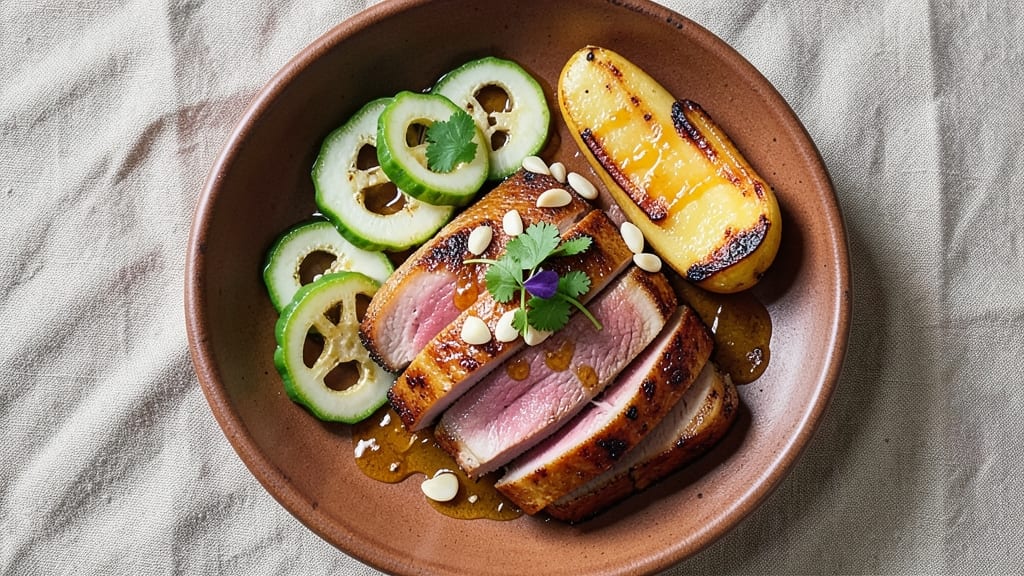
This Goya pork tenderloin recipe transforms simple ingredients into a dish that carries the bright, complex flavors of Caribbean cooking—where sweet plantains and citrus meet tender pork in perfect harmony.
Growing up in small-town Georgia, I first encountered goya (bitter melon) through my grandmother’s Latin American neighbors, and this recipe became my bridge between Southern comfort and bold island spices.
The secret lies in balancing the earthy bitterness of goya with the natural sweetness of plantains and orange, creating a glaze that caramelizes beautifully while keeping the pork impossibly tender.
The technique is straightforward but precise: a quick marinade with citrus and spices, followed by a slow roast that renders fat and develops deep flavor without drying out the meat.
What makes this dish special is how the goya’s natural bitterness mellows into a savory depth, while the plantain glaze adds a caramelized richness that pairs beautifully with the pork’s natural sweetness. This isn’t just another pork recipe—it’s a celebration of flavor contrasts that feels both familiar and exciting.
By the time you serve it, you’ll have a tender, golden-brown pork tenderloin glistening with a sticky-sweet glaze, where every bite delivers layers of citrus, plantain, and just a hint of goya’s earthy complexity.
The dish holds its own as a centerpiece but also pairs wonderfully with sides like black beans, rice, or a simple arugula salad to balance the richness. It’s the kind of meal that feels like a hug from a family gathering, even when you’re cooking for one.
Perfect for weeknight dinners or special occasions, this recipe scales effortlessly—whether you’re feeding a crowd or treating yourself to a restaurant-worthy meal at home. The key is patience in the roasting and attention to the glaze’s caramelization. Let’s get cooking—your taste buds will thank you.
Ingredients for goya pork tenderloin
Caribbean flavors meet Southern comfort with these 14 essential ingredients for goya pork tenderloin.
| Ingredient | Amount | Notes |
|---|---|---|
| Pork Tenderloin 🥩 | 1 ½ lb | Center-cut for even cooking |
| Goya (Bitter Melon) 🍈 | ½ cup | Fresh or canned, chopped small |
| Ripe Plantains 🍌 | 2 whole | Blackened skin, peeled and sliced |
| Orange Juice 🍊 | ½ cup | Freshly squeezed, no pulp |
| Orange Zest 🍊 | 1 tbsp | From 1 large orange |
| Garlic Cloves 🧄 | 4 cloves | Minced for marinade |
| Ground Cumin 🌿 | 1 tbsp | Toasted for deeper flavor |
| Dried Oregano 🍃 | 1 tbsp | Mexican oregano preferred |
| Brown Sugar 🍚 | ¼ cup | Light or dark preferred |
| Olive Oil 🫒 | 2 tbsp | Extra-virgin for richness |
| Salt 🧂 | 1 ½ tsp | Diamond Crystal preferred |
| Black Pepper 🌶️ | ½ tsp | Freshly ground preferred |
| Honey 🍯 | 1 tbsp | Wildflower preferred |
| Apple Cider Vinegar 🍎 | 1 tbsp | For tangy balance |
Goya is the star here—fresh is ideal but canned works in a pinch. Look for bright green, firm goya at Latin markets or well-stocked grocery stores like Whole Foods. The plantains should be black-skinned but firm—ripe enough to caramelize but not mushy. For the pork, center-cut tenderloin stays juicier than the ends. I always grab mine from Costco when I'm making a big batch, but the regular supermarket stuff works fine for four servings. The orange juice needs to be freshly squeezed—bottled won't give you that bright, citrusy punch.
No goya? Substitute with 1/2 cup chopped bitter gourd if you can find it, or 1/4 cup chopped eggplant plus 1 tsp vinegar for a milder taste. Running low on plantains? Sweet potatoes work in a bind, but you'll lose that caramelized sweetness. The orange zest can be swapped for lemon zest at half the amount, though it'll be slightly different. For the spices, Mexican oregano is key—Italian oregano won't give you that same depth. Toast your cumin seeds in a dry pan for 30 seconds first (that's where the magic happens), but pre-ground is fine if you're short on time. The honey adds just enough depth to balance the bitterness—don't skip it.
This glaze keeps beautifully—store it in an airtight container in the fridge for up to 5 days. The pork reheats wonderfully, but it's even better the next day once all the flavors meld. For make-ahead meals, I portion the glaze separately and reheat it with the pork—3 minutes at 350°F brings it back to life. The goya and plantains can be prepped a day ahead and stored in the fridge, saving you time on cooking day. If you're feeding a crowd, double the glaze recipe—it freezes perfectly for 3 months.
Why You'll Love This Recipe
- One-Pan Magic: I swear by this—just toss everything on a sheet pan, roast, and walk away. The bitter melon caramelizes right alongside the pork, while the plantains soften into sweet, buttery slices. No chopping boards, no fuss, just hands-off cooking that still feels special.
- Tropical Twist: That bright orange zest and juice cut through the earthy goya like a citrusy hug. The pork stays juicy, the plantains add natural sweetness, and the bitter melon? It’s weirdly addictive once you let the sugar and acid balance it out. Honestly, it’s the kind of flavor combo that makes you want to eat it for breakfast.
- Leftover Goldmine: This recipe actually tastes better the next day. The flavors meld into something richer, and the pork gets even more tender. I double the batch on Sundays—some for dinner, some for lunches, and the rest gets repurposed into sandwiches or fried rice. Zero waste, all win.
- Budget-Friendly Feast: Pork tenderloin is lean but filling, goya stretches like a hero ingredient, and plantains are cheaper than you’d think. I’ll be real: this feeds four for under $15, and it’s way more impressive than takeout. Plus, the leftovers stretch across meals without breaking the bank.
Step-by-step instructions for sweet plantain and orange glazed pork tenderloin
Here's how to transform simple ingredients into a perfectly tender pork tenderloin with a caramelized plantain-orange glaze.
Marinate the Pork for Maximum Tenderness
In a large bowl, combine the 1.5 lb pork tenderloin, 4 minced garlic cloves, 1 tbsp ground cumin, 1 tbsp dried oregano, 1.5 tsp salt, and 0.5 tsp black pepper. Using your hands, gently massage the marinade into the meat until fully coated. This ensures even seasoning and helps break down muscle fibers for fork-tender results.
Transfer the pork to a resealable plastic bag and add 2 tbsp olive oil, 1 tbsp honey, and 1 tbsp apple cider vinegar. Seal the bag and refrigerate for at least 4 hours, or preferably overnight. The acid in the vinegar and the honey will work together to tenderize the meat while infusing it with flavor. When ready to cook, remove the pork from the fridge and let it sit at room temperature for 30 minutes before cooking.
Sear the Pork for a Perfect Crust
Preheat your oven to 400°F. Heat a large oven-safe skillet over medium-high heat and add the marinated pork tenderloin. Sear on all sides for 2-3 minutes per side until the exterior develops a deep golden-brown crust. This step is crucial—it locks in juices and creates that beautiful caramelized exterior we want.
Once seared, transfer the skillet to the preheated oven. Roast the pork for 15-20 minutes, or until the internal temperature reaches 145°F when measured with a meat thermometer. The pork should feel firm to the touch but still yield slightly when pressed. Remove the pork from the oven and let it rest for 10 minutes before slicing—this resting period ensures juicy, tender meat every time.
Prepare the Sweet Plantain and Goya Glaze
While the pork rests, peel and slice the 2 whole ripe plantains into ¼-inch thick rounds. In the same skillet you used for searing (no need to clean it—the fond adds flavor), heat 1 tbsp olive oil over medium heat. Add the plantain slices and cook for 3-4 minutes per side until they develop golden-brown caramelization. Remove the plantains and set aside.
In a small saucepan, combine 0.5 cup orange juice, 1 tbsp orange zest, 0.25 cup brown sugar, and 0.5 cup chopped goya (bitter melon). Bring to a simmer over medium heat and cook for 5-7 minutes, stirring occasionally, until the mixture thickens slightly and the bitter melon softens. The glaze should coat the back of a spoon—this is your signature sauce that balances sweetness with subtle bitterness.
Glaze and Serve the Pork
Return the plantain slices to the skillet and pour the orange-goya glaze over them. Toss everything together and cook for an additional 2 minutes until the plantains are heated through and the glaze has thickened slightly. Slice the rested pork tenderloin into ½-inch thick medallions and arrange them on a serving platter.
Drizzle the plantain-orange glaze generously over the pork, reserving a small amount for garnish. The combination of tender pork, caramelized plantains, and the bright citrus glaze creates a harmonious balance of flavors. Serve immediately with a side of steamed greens or a fresh citrus salad to complement the dish's vibrant notes.
Pro Tips For Making Goya Pork Tenderloin
- Trim the Goya: Bitter melon has a tough, fibrous skin that won’t soften—peel it like a cucumber with a paring knife. I used to waste time slicing it whole, but a quick spiral cut (yes, even the core) makes it cook faster and absorb the orange sauce better. Save the seeds if you’re feeling adventurous—they’re edible and add a peppery kick.
- Sear the Pork First: Skip the slow start—get that pork tenderloin screaming hot in a dry pan for 2-3 minutes per side before adding liquids. The crust locks in juices, and the caramelized edges play hide-and-seek with the goya’s bitterness. I learned this the hard way after serving dry, sad pork that tasted like it was raised on regret.
- Char the Plantains: Ripe plantains need direct heat—slather them in oil and sear them over high flame until blackened in spots. The contrast between the caramelized edges and creamy interior is what makes this dish sing. If you’re nervous about burning them, cut them thinner (¼-inch) and keep a spray bottle handy for quick cooling.
- Reduce the Sauce Low: After deglazing the pan with orange juice and zest, let the sauce bubble gently until it coats the back of a spoon—about 5-7 minutes. Rushing this step leaves you with a watery glaze that clings like pity. I now set a timer and walk away; the aroma alone is worth the wait.
Wine and beer pairings for this goya pork tenderloin
Caribbean Orange Wines
For this dish, I reach for Spanish Albariño from Rías Baixas—its crisp acidity and citrus notes mirror the orange glaze perfectly. The wine’s mineral finish cuts through the pork’s richness while complementing the goya’s earthy depth.
I also love Argentinian Torrontés, a floral white with tropical fruit undertones that echo the plantains. Serve slightly chilled (45-50°F) to enhance the citrus flavors without overpowering the dish. 🍷
Craft Beer Pairings
A Belgian Witbier like Hoegaarden provides the ideal balance—the coriander and orange peel notes harmonize beautifully with the glaze. The slight effervescence cleanses your palate between bites of tender pork.
For a darker option, try a honey-brown ale with 10-12% ABV, like Allagash White, which complements the caramelized plantains. 🍺
Unexpected Red Wine
Don’t overlook Pinot Noir from Oregon—its bright acidity and red fruit notes stand up to the dish’s complexity. I prefer a Willamette Valley example with 12-13% ABV and subtle earthiness that pairs surprisingly well with goya.
Decant for 30 minutes to soften tannins and let the wine breathe alongside the pork’s flavors. 🍇
Non-Alcoholic Options
For a refreshing non-alcoholic match, blend sparkling orange juice with 1 tsp honey and a splash of ginger beer. The effervescence mimics wine’s cleansing effect, while the honey enhances the glaze’s sweetness. Serve over ice for a bright, citrus-forward accompaniment that feels celebratory. 🥤
Regional Adaptations
In Puerto Rico, this dish often pairs with Medalla Light beer—its crisp, clean profile highlights the goya’s bitterness. For a Dominican Republic twist, try a local rum punch (mix dark rum, pineapple juice, and lime) to complement the caramelized plantains.
These regional drinks add cultural authenticity to your meal. 🌴
Nutrition facts
Frequently asked questions
What's the secret to keeping pork tenderloin juicy?
Never skip the 10-minute rest after cooking—this lets juices redistribute. Also, use a meat thermometer to hit 145°F internal temp (not guess by color). The marinade with honey and vinegar tenderizes while keeping moisture locked in.
Can I substitute goya (bitter melon) in this recipe?
Yes! Use ½ cup chopped bitter gourd if available, or swap for ¼ cup eggplant + 1 tsp vinegar for a milder taste. The key is balancing bitterness—skip it entirely and reduce the orange juice by 2 tbsp to maintain flavor harmony.
How do I know when plantains are perfectly ripe?
Look for blackened skin but firm flesh—they should yield slightly when pressed. Overripe plantains (soft and mushy) won't caramelize well. For extra insurance, peel one and check for golden-yellow color inside.
Can I make this recipe ahead of time?
Prep the glaze and chop ingredients 1 day ahead. Store the marinade separately from the pork. Cook fresh for best texture, but reheat sliced pork with reserved glaze at 350°F for 3 minutes—it reheats beautifully.
What sides complement this dish?
Try black beans or coconut rice to balance the richness, plus a citrus salad with avocado and lime. For contrast, add grilled asparagus or roasted yuca. The plantain glaze pairs especially well with tangy coleslaw.