
Main Courses
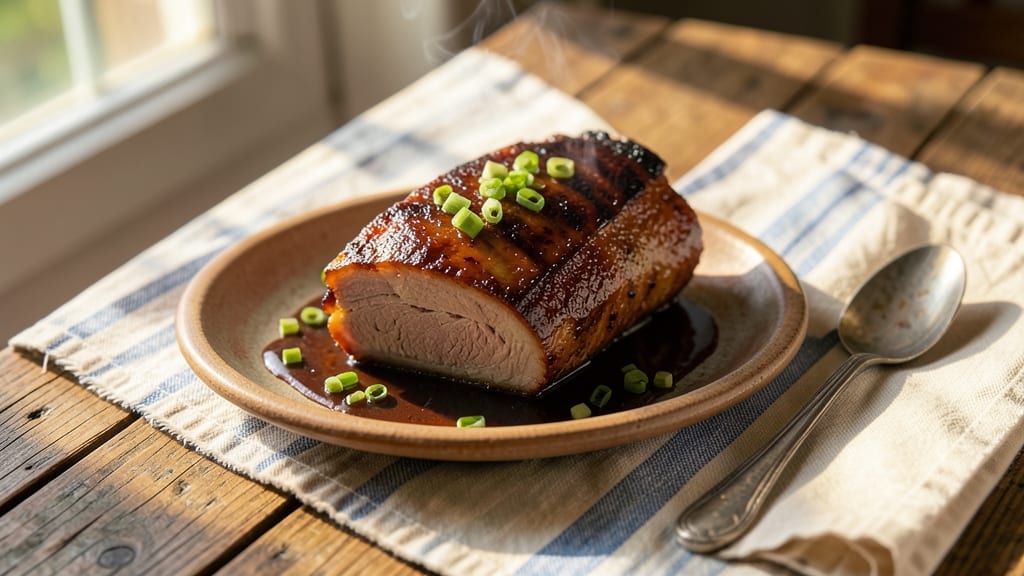
When I first smoked pork shoulder with Hawaiian flavors, the combination of smoky depth and tropical sweetness changed how I approached BBQ forever. This recipe blends traditional Hawaiian techniques with my own Southeast BBQ expertise to create pork so tender it practically melts in your mouth.
The key lies in the dry brine and slow smoke, which develop that perfect balance between smokiness and natural pork flavor.
The process starts with a dry brine that enhances moisture retention while allowing the pork to absorb Hawaiian-inspired spices like garlic, ginger, and a touch of brown sugar. We smoke it low and slow at 225°F using fruitwood for that subtle sweetness that pairs beautifully with pineapple glaze.
This method ensures the meat stays juicy throughout the 8-10 hour cooking process, resulting in that coveted fork-tender texture we all crave.
What makes this dish truly special is how the smoky aroma melds with the natural sweetness of pineapple glaze, creating a flavor profile that's both familiar and exotic. The final result is pork shoulder with a perfect bark, tender interior, and that signature Hawaiian BBQ character that makes it unforgettable.
This isn't just pork shoulder—it's a complete culinary experience that transports you straight to the islands.
Serve this Hawaiian smoked pork shoulder with classic sides like macaroni salad, grilled pineapple slices, or tropical salsa to complete the meal. The combination creates a well-rounded Hawaiian feast that's perfect for summer gatherings or special occasions. Let's get started with this professional technique that delivers restaurant-quality results at home.
Ingredients for hawaiian smoked pork shoulder
Six pounds of pork shoulder meets Hawaiian flavors for a smoky-sweet masterpiece.
| Ingredient | Amount | Notes |
|---|---|---|
| Pork Shoulder (Bone-In) 🐷 | 6 lb | Well-marbled, 3-4 inches thick |
| Kosher Salt 🧂 | ½ cup | Diamond Crystal preferred |
| Fresh Garlic Cloves 🧄 | 12 cloves | Peeled, minced for rub |
| Fresh Ginger Root 🌿 | 3 tbsp | Finely grated, aromatic |
| Brown Sugar 🍯 | ¼ cup | Light or dark variety |
| Ground Black Peppercorns 🌶️ | 1 tbsp | Freshly cracked preferred |
| Smoked Paprika 🌶️ | 2 tbsp | Deep hickory flavor |
| Ground Cumin 🌿 | 1 tbsp | Toasted for depth |
| Dried Lemongrass 🌿 | 1 tbsp | Finely chopped, fragrant |
| Fruitwood Chips 🌳 | 4 lb | Cherry or apple preferred |
| Pineapple Juice 🍍 | 1 cup | Freshly squeezed, no pulp |
| Honey 🍯 | ¼ cup | Wildflower preferred |
| Fresh Lime Zest 🍋 | 1 tbsp | Only zest, no pith |
| Fresh Cilantro Leaves 🌿 | ¼ cup | Chopped for garnish |
| Fresh Limes 🍋 | 4 whole | Juiced for glaze |
The pork shoulder is non-negotiable here—bone-in ensures maximum flavor and moisture. Costco or local butchers often carry the perfect cut, but any grocery store with a meat counter will have it. Look for good marbling and ask for a 3-4 inch thick section. The fruitwood chips? Traeger or Cookshack carry excellent pre-seasoned varieties, but any quality cherry or apple works. Fresh ginger and lemongrass are must-haves—Asian markets usually have the best quality, but don't skimp on the grocery store versions either. The key is using them fresh, not dried substitutes.
No fresh ginger? Powdered ginger at half the amount works in a pinch, but it lacks that bright punch. Smoked paprika unavailable? Regular paprika plus a pinch of liquid smoke gets you close. The pineapple juice can be swapped for white grape juice if you're avoiding fruit sugars. For the glaze, if you can't find wildflower honey, local clover honey is the next best thing. The limes should be bright green and firm—Mexican limes have more juice, but regular ones work fine. Store your spices in airtight containers away from light to preserve their Hawaiian-inspired vibrancy.
This pork keeps beautifully—4-5 days in the fridge, 3 months frozen. The glaze can be made a day ahead and reheated gently. I always portion the leftovers into individual containers for easy lunches. The bark develops best when sliced immediately after smoking, so plan to serve it fresh. For reheating, low oven (275°F) with a splash of water keeps it moist. The flavors only get better with time, so make extra if you can!
Why You'll Love This Recipe
- Smoke-Free Magic: The best part? You don’t need a smoker. Just a sheet pan, a pork shoulder, and those little garlic cloves—crushed and slathered on like you’re painting a masterpiece. Honestly, the brown sugar caramelizes into this sticky, sweet crust while the pork stays juicy. Chef’s kiss.
- Sweet-Spicy Surprise: That ginger and garlic combo? It’s like a tropical vacation in your mouth. The pork gets this deep, aromatic richness that’s not too sweet, not too spicy—just exactly right. My family goes back for seconds, even when they think they’ve had enough.
- Leftover Powerhouse: This recipe doubles beautifully. I’ll slice some up for tacos one night, shred the rest for sandwiches the next. The flavors only get better as it sits—trust me, I’ve tested this. Budget-friendly too; bone-in pork shoulder is cheaper than you think, and it feeds a crowd.
- Weeknight Hero: No fancy techniques, no stress. Toss the pork with salt, garlic, ginger, and brown sugar, slap it on the pan, and walk away. While it cooks, I’m prepping sides or just enjoying a beer. By the time it’s done, dinner is done—no last-minute scrambling. My secret weapon.
Step-by-step instructions for Hawaiian smoked pork shoulder
This method transforms tough pork into melt-in-your-mouth perfection with bold Hawaiian flavors.
Prepare the Dry Rub for Maximum Flavor Penetration
In a medium bowl, combine the 0.5 cup kosher salt, 12 cloves minced fresh garlic cloves, 3 tablespoons finely grated fresh ginger root, 0.25 cup brown sugar, 1 tablespoon ground black peppercorns, 2 tablespoons smoked paprika, 1 tablespoon ground cumin, and 1 tablespoon dried lemongrass. Mix thoroughly until the spices coat the salt evenly—this ensures even distribution when applied to the pork.
Here's the thing—don't rush this step. The rub needs to cling to every crevice of the pork shoulder for maximum flavor infusion. I like to use my hands to work the spices into the salt, breaking up any clumps. The ginger and lemongrass will release their aromatic oils as you mix, filling your kitchen with that irresistible tropical-spice scent.
Once fully combined, apply the rub generously to all sides of the 6 lb pork shoulder (bone-in), pressing it into the meat so it adheres well. The fat cap should be well-coated but not buried under spices. This preparation stage is where the magic begins—these bold flavors will penetrate deep during the long smoke, creating that perfect balance of sweet, smoky, and citrusy notes.
Smoke the Pork Shoulder Low and Slow for Perfect Tenderness
Set up your smoker using the 4 lb fruitwood chips, preferably cherry or apple for their mild sweetness that complements the Hawaiian profile. Light the chips and let them burn until they produce clean, blue smoke—this indicates they're ready for smoking. Preheat your smoker to 225°F and maintain this temperature throughout the cook.
Place the rubbed pork shoulder fat-side up on the smoker grate. The fat will render slowly, basting the meat and creating that beautiful bark we're after. Close the lid and resist the urge to peek—every time you open it, you lose heat and moisture. Let the pork smoke undisturbed for 8-10 hours, until the internal temperature reaches 165-170°F. You'll notice the meat developing a dark mahogany crust and a tantalizing aroma that fills the air.
This is where patience pays off. The low and slow method breaks down the connective tissue, transforming tough pork into fork-tender perfection. The smoke penetrates deeply, infusing every fiber with that irresistible smoky depth that defines great pulled pork. Real talk: if you rush this step, you'll end up with dry, chewy meat instead of the melt-in-your-mouth texture we're aiming for.
Wrap and Finish for Juicy Perfection
Once the internal temperature hits 165-170°F, you'll encounter "the stall"—a period where the temperature plateaus as moisture evaporates. Don't panic; this is completely normal. At this point, wrap the pork tightly in butcher paper (not foil—it breathes better and preserves that beautiful bark). This technique, known as the "Texas crutch," powers you through the stall while maintaining that crispy exterior.
Return the wrapped pork to the smoker and continue cooking until the internal temperature reaches 200-205°F, about 2-3 more hours. The probe test is your best indicator—when it slides in like butter with no resistance, you've achieved perfect tenderness. The pork should have a deep mahogany bark on the outside and a beautiful pink smoke ring just beneath the surface.
Remove the pork from the smoker and let it rest in the butcher paper for at least 1 hour (I prefer 2 hours). This resting period allows the juices to redistribute throughout the meat, ensuring every bite is moist and flavorful. During this time, prepare your pineapple-honey glaze by combining 1 cup pineapple juice, 0.25 cup honey, and 1 tablespoon fresh lime zest in a saucepan. Simmer over medium heat for 10 minutes until slightly thickened.
Glaze and Garnish for Hawaiian Flavor
After resting, unwrap the pork and brush it generously with the pineapple-honey glaze. The heat from the pork will cause the glaze to caramelize slightly, creating a sticky, glossy finish that enhances the smoky flavors. Return the pork to the smoker (or a 325°F oven if you prefer) for 15-20 minutes to set the glaze and develop a beautiful caramelized crust.
While the glaze sets, prepare the garnish by finely chopping 0.25 cup fresh cilantro leaves and juicing the 4 whole fresh limes. Once the glaze is set and the pork reaches 205°F, remove it from the heat and let it rest for an additional 15 minutes. This final rest ensures the juices are perfectly distributed, making each bite incredibly tender.
Slice the pork against the grain into ½-inch thick slices and garnish with the chopped cilantro and a drizzle of lime juice. The combination of smoky, sweet, and citrusy flavors creates a symphony of tastes that perfectly captures the essence of Hawaiian cuisine. Serve immediately with fresh pineapple slices or crusty bread to soak up that delicious glaze.
Pro Tips For Making Hawaiian Smoked Pork Shoulder
- Trim the Fat First: DESCRIPTION: Grab a sharp knife and slice off any thick fat caps—yes, even if it’s “for flavor.” Thin fat renders slowly and can leave you with dry meat, while crispy edges come from concentrated fat. Just keep the thin, marbled fat intact; that’s what keeps your pork juicy.
- Sear the Shoulder Hard: DESCRIPTION: High heat. Seriously, crank it up. Pat the meat dry, then sear it in a screaming-hot pan (or grill) for 3–4 minutes per side until it pulls away easily. This locks in those smoky flavors and gives you that caramelized crust you’ll actually taste—not just see.
- Grate Ginger Like a Pro: DESCRIPTION: I used to chop ginger, but grating it (yes, even the skin-on root) releases way more oil and aroma. Use a microplane or fine grater—1 tablespoon of that fresh, zesty paste will make your marinade sing. No need to peel unless you’re picky.
- Smoke Low and Slow: DESCRIPTION: Aim for 225°F (107°C) and forget about it for 6–8 hours. The pork’s internal temp should hit 195°F (90°C) for fall-apart tenderness. Pro move: Wrap it in foil halfway through if your smoker runs hot—this isn’t a competition, it’s about melting collagen.
Serving suggestions for leftovers
Hawaiian Luau Plating
Serve your smoked pork shoulder on a banana leaf for an authentic Hawaiian touch—it adds aroma and keeps the meat warm. Arrange slices on the leaf with grilled pineapple rings and mango salsa (diced mango, red onion, cilantro, lime juice) for vibrant colors.
I garnish with toasted coconut flakes and lime wedges for that resort-style presentation. 🌺
Classic Mac Salad
This creamy Hawaiian macaroni salad is a must with your pork.
Cook 1 lb elbow macaroni al dente, then mix with 1 cup mayo, 2 tbsp yellow mustard, 1 tbsp honey, 1 diced celery stalk, ½ cup diced red bell pepper, and ¼ cup chopped green onions. Chill for 2 hours before serving.
The sweetness balances the smoky pork beautifully.
Grilled Pineapple Sides
Caramelize pineapple slices on a grill or broiler for 3-4 minutes per side until golden. Brush with 1 tbsp honey and sprinkle with flaky sea salt for a sweet-savory contrast.
Serve alongside the pork for a tropical flavor bridge. I also love grilling teriyaki-glazed chicken thighs as a companion protein for larger gatherings. 🍍
Tropical Slaw
Shred 4 cups cabbage and 2 cups carrots, then toss with ¼ cup rice vinegar, 2 tbsp sesame oil, 1 tbsp honey, and 1 tbsp toasted sesame seeds.
Add ¼ cup chopped cilantro and 1 tbsp lime zest for brightness. This slaw cuts through the richness with its crisp, tangy profile—perfect for balancing the meal.
Bread Service
Offer Hawaiian sweet rolls or Hawaiian-style garlic bread for soaking up the pineapple glaze. Brush rolls with melted butter and sprinkle with toasted coconut flakes before baking. For a savory option, serve grilled Hawaiian sweet bread (like malasadas) with a sprinkle of flaky salt.
The contrast of warm bread with cool sides keeps the meal dynamic.
Dessert Pairings
End with coconut cream pie or grilled pineapple upside-down cake to extend the Hawaiian theme. For a lighter option, serve mango sorbet with toasted macadamia nuts. The tropical flavors complement the smoky pork without overpowering it.
I often make extra pork for sandwiches the next day—Hawaiian-style pulled pork sliders with pineapple salsa are a crowd-pleaser. 🍰
Nutrition facts
Frequently asked questions
Can I use a different cut of pork instead of bone-in pork shoulder?
A bone-in pork shoulder is ideal for this recipe because it adds flavor and moisture during the long smoke. However, you can substitute with a pork butt (Boston butt) or even a pork picnic shoulder. Just be aware that the cooking time may vary slightly, and bone-in cuts will develop more bark. Never use pork loin or tenderloin—they're too lean and won't yield the same tender results.
What's the best wood choice for the Hawaiian flavor profile?
For this recipe, I recommend fruitwoods like cherry or apple—they provide a mild sweetness that complements the tropical flavors beautifully. Avoid heavy woods like hickory or mesquite, which can overpower the delicate pineapple and ginger notes. If you're using a pellet smoker, look for fruitwood blends specifically designed for BBQ. The key is to keep the smoke flavor light and sweet to let the Hawaiian spices shine.
How do I know when the pork is done without a meat thermometer?
If you don't have a thermometer, use the finger test: Insert your finger into the thickest part of the meat. If it feels like very soft butter with no resistance, it's done. Another method is the probe test—a metal skewer should slide in with minimal effort. The internal color should be light pink to gray throughout (not pink in the center). Remember: undercooked pork is unsafe, while overcooked pork is dry.
Can I make this recipe in an oven instead of a smoker?
You'll need to use a smoker box or wood chips in your oven to create smoke. Preheat your oven to 225°F with the smoker box inside for 15 minutes to infuse the air with smoke. Place your pork on a rack over a baking sheet, and cook for 8-10 hours until it reaches 205°F. The texture and flavor will be similar, though the bark may be slightly less pronounced. Just wrap it in butcher paper at 165°F to push through the stall.
Why is my pork shoulder coming out dry even after wrapping?
Dry pork usually happens from one of three issues: overcooking past 205°F, not wrapping at the right temperature (165°F), or using lean cuts. Always use a well-marbled pork shoulder and wrap tightly in butcher paper (not foil) at 165°F. The wrap should be snug but not crushing. If you're using a water pan, remove it before wrapping to prevent steaming. The key is patience—don't rush the process!