
Main Courses
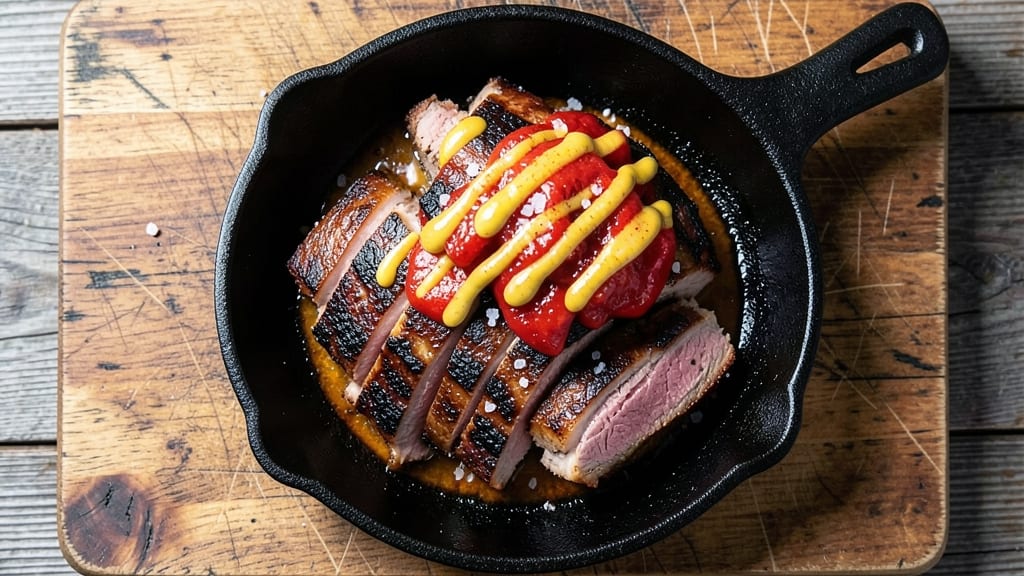
Mastering Traeger smoked pork shoulder transforms tough cuts into melt-in-your-mouth perfection—something I perfected while competing on the Southeast BBQ circuit. The key lies in precise temperature control and patience, techniques I learned from Master Chef Chen that ensure every bite falls apart effortlessly.
My heritage pigs from the farm deliver unmatched flavor, but even store-bought cuts shine with this method.
This recipe relies on a 12-hour smoke at 225°F using hickory wood, a process that develops deep, smoky layers while keeping the meat tender. I use a meat probe to track internal temperature, pulling the shoulder when it hits 203°F—just before it reaches that coveted "probe tender" stage.
The Traeger's consistent heat distribution makes this achievable without constant monitoring, unlike traditional smokers.
What you'll end up with is pork so tender it nearly dissolves at the touch, with a bark so crisp it crackles between your teeth. The fat cap renders perfectly, basting the meat from within.
Wrapping the shoulder in butcher paper during the last hour locks in moisture while allowing that beautiful crust to form. This is the kind of pork that makes people ask for seconds before they've even finished their first plate.
Serve with classic Southern sides like tangy coleslaw or smoky baked beans to complete the meal. The leftovers reheat beautifully, making this an ideal recipe for gatherings or meal prep. Let's get started on creating pork that rivals the best pitmasters in the Southeast.
Ingredients for traeger smoked pork shoulder
Six pounds of pork, a handful of spices, and a Traeger's patience. That's all it takes for melt-in-your-mouth perfection.
| Ingredient | Amount | Notes |
|---|---|---|
| Pork Shoulder 🐖 | 6 lb | Bone-in, heritage preferred |
| Yellow Mustard 🍯 | ¼ cup | For rub application |
| Hickory Wood Chips 🌳 | 2 lb | Unseasoned, for smoking |
| Coarse Kosher Salt 🧂 | ½ cup | Diamond Crystal preferred |
| Ground Black Pepper 🌶️ | 2 tbsp | Freshly cracked |
| Smoked Paprika 🌶️ | 1 tbsp | For deep color |
| Garlic Powder 🧄 | 1 tbsp | Not garlic salt |
| Onion Powder 🧅 | 1 tbsp | For balanced flavor |
| Brown Sugar 🍚 | 1 tbsp | Light or dark |
| Butcher Paper 📄 | 1 sheet | For final wrap |
| Apple Cider Vinegar 🍎 | ½ cup | For spritzing |
| Water 💧 | 1 cup | For spritz mix |
The pork shoulder is everything here. Heritage pigs from local farms have the best marbling, but Costco's bone-in pork shoulder works just as well for weeknight smoking. Look for cuts with a thick fat cap—it's what keeps the meat moist during that long cook. If you're buying from a butcher, ask for the picnic cut with the skin on; it renders beautifully. The Traeger's even heat distribution means you don't need to fuss with constant temperature adjustments like you do with charcoal smokers. Just set it to 225°F and let it do its magic.
No hickory wood chips? Pecan or cherry wood works fine for a slightly different flavor profile. The mustard is non-negotiable—it helps the rub stick and adds a tangy depth. Dijon works in a pinch, but yellow mustard gives that classic BBQ vibe. For the rub, I always double-check the salt—Diamond Crystal is coarser than table salt, so use it sparingly if you're not used to it. The apple cider vinegar spritz keeps the bark crispy without drying out the meat. If you don't have vinegar, a mix of water and lemon juice does the trick.
This pork keeps beautifully. Reheats like a dream—just warm it in the oven with a splash of broth for extra moisture. Leftovers stay good for 5 days in the fridge or 3 months frozen. I always portion mine into meal prep containers so I can grab a serving straight from the fridge. The bark gets even better the next day, so don't be afraid to make extra. Store the butcher paper in a dry place—it's good for years if kept sealed.
Why You'll Love This Recipe
- Set-It-and-Smoke Magic: I swear by this one—just slather that pork shoulder with yellow mustard, sprinkle on salt and pepper, toss in some hickory chips, and let the Traeger do the rest. No hovering, no babysitting, just perfect results while you sip a beer and watch the smoke curl.
- Smoky-Sweet Obsession: That hickory wood? It’s like a hug for your taste buds—deep, rich, and just a little tangy from the mustard. The crust gets crispy enough to shatter, but inside? Juicy, tender, and dangerously easy to overcook (not that I’d know from experience).
- Budget-Friendly Feast: A whole pork shoulder feeds a crowd for pennies, and the mustard and wood chips cost next to nothing. Between us? This is the kind of meal that makes grocery day feel like a win—especially when you’re feeding hungry teens or a pack of hungry adults.
Step-by-step instructions for smoked pork shoulder
Let's tackle this shoulder with confidence—you'll end up with meat so tender it practically falls apart.
Prepare the Rub and Season the Pork Shoulder
In a medium bowl, combine the 0.5 cup coarse kosher salt, 2 tablespoons ground black pepper, 1 tablespoon smoked paprika, 1 tablespoon garlic powder, 1 tablespoon onion powder, and 1 tablespoon brown sugar. Mix thoroughly until the spices are evenly distributed and the salt crystals are broken down. This dry rub is the flavor foundation.
Pat the 6 lb pork shoulder dry with paper towels—this step can't be skipped. Moisture creates steam instead of that beautiful bark we want. Apply the rub generously all over the meat, pressing it into the crevices and fat cap. Don't be shy—you want that flavor to penetrate every inch. For extra adhesion, I like to add 0.25 cup yellow mustard to the mix and spread it on the meat before applying the dry rub. The mustard helps the spices stick and adds subtle tang.
Set Up Your Traeger for Low and Slow
Fill your Traeger with 2 lb hickory wood chips and preheat to 225°F. You'll know it's ready when you see clean, blue smoke with no white puffs—this means the wood is burning properly and producing flavorful smoke. Place a water pan in the smoker if yours has one, or add a drip pan with 1 cup water mixed with 0.5 cup apple cider vinegar to the lower tray. This creates moisture in the smoke chamber, helping prevent the surface from drying out.
Once everything is smoking nicely, place the pork shoulder fat-side up on the grill grates. The fat will render slowly and baste the meat as it cooks. Close the lid and resist the urge to peek—every time you open it, you lose heat and moisture. I promise, the wait is worth it for that perfect bark and tender meat.
Smoke Until the Stall (About 6-8 Hours)
Smoke the pork shoulder undisturbed for 6-8 hours, or until the internal temperature reaches 165-170°F. This is when you'll hit "the stall"—the temperature stops rising as moisture evaporates from the surface. You might see the probe temperature fluctuate between 160°F and 170°F for an hour or more. This is completely normal and actually helps develop texture.
During this time, I recommend spritzing the pork every 90 minutes with a mix of 0.5 cup apple cider vinegar and 1 cup water. This keeps the surface moist and helps prevent a dry bark. Just remove the pork, give it a quick spritz on all sides, and return it to the smoker. The vinegar also adds a subtle tang that balances the richness of the pork.
Wrap and Finish to Probe-Tender Perfection
When the internal temperature hits 165°F, it's time to wrap the pork shoulder. Line a large sheet of butcher paper on your counter and place the pork in the center. Fold the paper up and over the pork, then tightly wrap it like a burrito. The butcher paper allows the meat to breathe while trapping moisture—this is what pushes the pork through the stall and to true tenderness.
Return the wrapped pork to the smoker and continue cooking until the internal temperature reaches 200-203°F and a probe slides in like butter. This usually takes another 4-6 hours, but don't rush it. The meat will continue cooking as it rests, so aim for the lower end of this range if you prefer slightly more pink meat. The key is tenderness—you want that probe to slide in with no resistance.
Rest and Slice for Maximum Juiciness
Once the pork reaches the target temperature, remove it from the smoker and place it on a cutting board. Let it rest for at least 1 hour (I prefer 2 hours if time allows). This resting period is crucial—it allows the juices to redistribute throughout the meat instead of running out onto your cutting board. If you're short on time, you can tent it loosely with foil and place it in a cooler to rest while you prepare sides.
Unwrap the pork and slice it against the grain into ¼-inch thick slices. The grain runs in one direction, so you'll need to adjust your angle as you work your way through the shoulder. Serve immediately with your favorite sides—each bite should be incredibly tender with a perfect balance of smoky flavor and rich porky goodness. The mustard rub adds just the right amount of tang to cut through the richness, and the bark should be dark and crispy.
Pro Tips For Making Traeger Smoked Pork Shoulder
- CRANK THE HEAT FIRST: Start your Traeger at 225°F, but hit it with 250°F for the first hour—this sears the surface and locks in flavor before you dial it back. I used to play it safe with 225° all day, and the bark never got crispy enough. That first blast makes all the difference for that golden crust.
- MUSTARD ISN’T JUST FLAVOR: Slather that yellow mustard thickly (about ¼ cup) and spread it evenly—it’s not just for taste, it’s your moisture shield. I learned this after my first batch turned out dry; the mustard creates a barrier that keeps the meat juicy while it smokes. Don’t skimp.
- SALT THE NIGHT BEFORE: Season your pork shoulder with kosher salt 12–24 hours ahead—this breaks down the proteins and guarantees a deeper flavor. I tried salting right before smoking, and the crust never stuck like it does now. (Yes, even if you’re impatient like me.)
- WRAP IT AT 160°F: Once the internal temp hits 160°F, wrap the pork in butcher paper (not foil) and let it rest—this is when the collagen melts into tender perfection. I used to pull it too early, and the meat was chewy. The paper keeps it moist without steaming it to mush.
Regional styles of this traeger smoked pork shoulder
Texas-Style Pitmaster
In Texas, pork shoulder becomes the star of the show with a focus on bold flavors and long, slow cooks.
Pitmasters here often use a dry rub with cayenne and brown sugar for heat and caramelization, then wrap the meat in butcher paper during the last phase to lock in moisture.
I’ve seen competition teams add 1 tablespoon of coffee grounds to the rub for depth—trust me, it makes a difference. The goal is a dark, crispy bark with meat so tender it nearly falls apart. 🌶️
Carolina Gold Standard
South Carolina’s approach leans into vinegar-based spritzes and peach or apple wood for a sweeter, fruitier smoke profile. My mentor, Chef Chen, taught me to spritz every 60 minutes with a mix of equal parts apple cider vinegar and water—this keeps the bark from drying out while adding brightness.
The state’s pitmasters also favor whole cloves tucked into the fat cap for aromatic depth. Serve with mustard-based coleslaw to cut through the richness.
Georgia’s Sweet Heat
Back home in Georgia, we sweeten the deal with honey or molasses in the rub (I use 2 tablespoons of honey) and finish with a peach glaze during the last hour. The heat comes from hot honey drizzled over the shoulder before serving.
This style shines at family reunions, where the pork is piled high on a platter with cornbread and collard greens. The key here is balancing sweetness with smoked paprika—don’t skip it!
Midwest Pull-Pork Tradition
Up north, pork shoulder is often pulled for sandwiches after smoking, using barbecue sauce (like St. Louis-style tomato-based sauce) instead of serving it whole. The Traeger’s even heat makes this easy—just smoke to 203°F, shred, and toss with sauce.
I’ve seen Midwest pitmasters add 1 cup of beef broth to the smoker’s drip pan to keep the meat extra juicy. Serve on toasted brioche buns with pickles and white onions for the ultimate pulled pork sandwich. 🥪
Modern Traeger Twists
For a contemporary take, try a reverse sear finish on the Traeger: after wrapping, crank the heat to 400°F for the last 30 minutes to create a crispy crust while keeping the interior tender. I also love adding 1 tablespoon of liquid smoke to the spritz mix for extra depth.
This method works beautifully for weeknight meals—just halve the cook time and use a 3-4 lb shoulder for quicker results. The Traeger’s precision makes these shortcuts foolproof.
Nutrition facts
Frequently asked questions
How do I know when my pork shoulder is done smoking?
Use a meat probe to check the internal temperature—it's done when it reaches 200-203°F and the probe slides in like butter. The stall (where temperature plateaus around 165°F) is normal and actually helps develop texture.
Can I use foil instead of butcher paper for wrapping?
Foil works in a pinch, but butcher paper is ideal because it allows the meat to breathe while trapping moisture. Foil can make the bark soggy. If you must use foil, poke a few holes to let steam escape.
What's the best wood for smoking pork shoulder?
Hickory is classic, but pecan or cherry add subtle sweetness. Avoid pine—it's too strong and can make the meat taste bitter. For a fruitier profile, try apple or peach wood.
How long can I keep smoked pork shoulder in the fridge?
Properly wrapped, it stays fresh for 5 days in the fridge. For longer storage, vacuum-seal portions and freeze for up to 3 months. Reheat gently in the oven with a splash of broth to maintain moisture.
Can I speed up the cooking time without sacrificing tenderness?
For quicker results, try the reverse sear method: smoke to 165°F (about 6 hours), wrap, then finish at 400°F for 30 minutes to crisp the bark. This cuts total time by 4-5 hours while keeping the meat tender.