
Main Courses
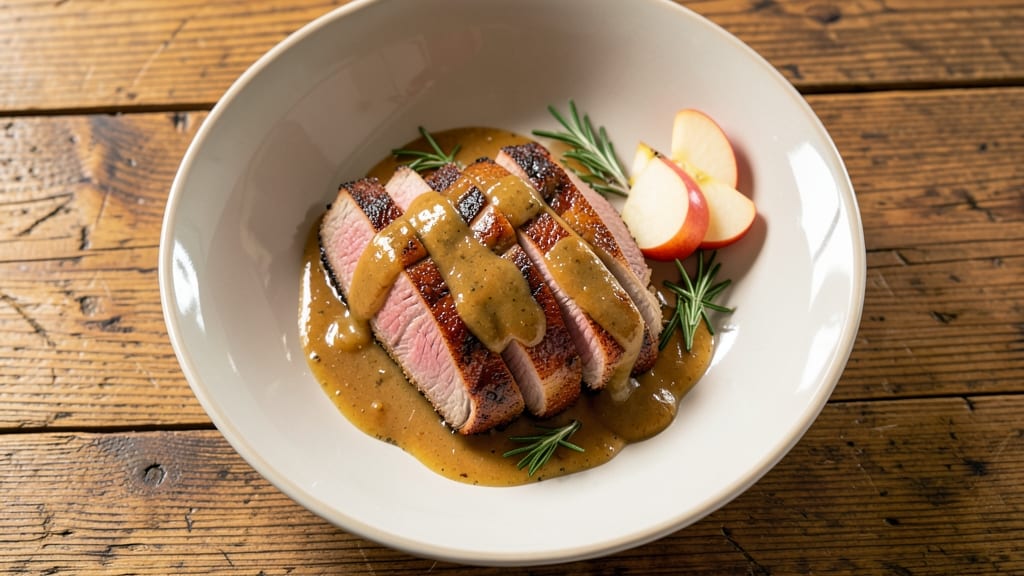
This honey mustard pork tenderloin recipe transforms a simple protein into a showstopper with just 30 minutes of active time—and the secret lies in balancing sweet and tangy flavors while keeping the meat tender.
Standing on a step stool in my grandmother’s kitchen in Sicily, I learned how a well-balanced glaze could elevate humble ingredients to restaurant-quality, and this dish is proof. The key? A perfect sear followed by basting that caramelizes the edges into sticky, sweet perfection.
The magic happens when you marinate the pork in a blend of honey, Dijon mustard, and a touch of apple cider vinegar, which tenderizes the meat while building layers of flavor.
Cooking at 375°F ensures a juicy interior with a caramelized crust, and the resting time—never skipped—lets those flavors meld together. This isn’t just dinner; it’s a centerpiece that pairs beautifully with roasted potatoes or green beans, making it ideal for weeknight dinners or special occasions.
What you’ll end up with is a tender, glistened pork tenderloin that’s sweet, tangy, and perfectly caramelized—every bite a balance of textures and flavors.
The glaze clings to the meat without overwhelming it, and the crust holds up even when sliced, so each piece delivers that perfect combination of juicy interior and crispy exterior. This is the kind of dish that makes cooking feel like a celebration, not a chore.
Ready in just 30 minutes, this recipe delivers restaurant-quality results with minimal effort, proving that even weeknight dinners can feel like a special occasion. Let’s get started—your taste buds will thank you.
Ingredients for honey mustard pork tenderloin
Sweet, tangy, and perfectly caramelized—just 12 ingredients transform simple pork into restaurant-worthy magic.
| Ingredient | Amount | Notes |
|---|---|---|
| Pork Tenderloin 🥩 | 1 ½ lb | Center-cut, trimmed of fat |
| Honey 🍯 | ½ cup | Pure, clover variety preferred |
| Dijon Mustard 🍯 | ¼ cup | Smooth, not coarse |
| Apple Cider Vinegar 🍏 | 2 tbsp | Unfiltered for tang |
| Olive Oil 🫒 | 2 tbsp | Extra-virgin for searing |
| Brown Sugar 🍚 | 1 tbsp | Light or dark works |
| Garlic Cloves 🧄 | 3 cloves | Minced for marinade |
| Salt 🧂 | 1 tsp | Kosher or sea salt |
| Black Pepper 🌶️ | ½ tsp | Freshly ground preferred |
| Fresh Rosemary 🌿 | 1 tbsp | Chopped, for garnish |
| Fresh Thyme 🌿 | 1 tbsp | Leaves only, chopped |
| Butter 🧈 | 2 tbsp | Unsalted, for basting |
The pork tenderloin is star here—center-cut is key for even cooking. Trader Joe's or Whole Foods usually carry the best quality, but any grocery store will have it. Look for pieces that are firm and pale pink, not gray or slimy. The 1.5 lb size is ideal for 4 servings, but if yours is smaller, just adjust the marinade. I always trim off any visible fat—it can make the meat greasy during searing. For extra tenderness, let the meat sit at room temperature for 20-30 minutes before cooking.
No Dijon mustard? Yellow mustard plus 1 tsp lemon juice works in a pinch. Honey too expensive? Maple syrup gives a similar depth, though it's slightly earthier. The apple cider vinegar adds that tangy kick—white vinegar in a bind, but it's more assertive. Fresh herbs are ideal, but dried thyme at half the amount gets you close. The butter for basting? Full-fat is non-negotiable here—it's what creates that glossy, caramelized crust. If you're short on time, microwave the butter for 40 seconds to just melt it before basting.
This glaze reheats beautifully—just warm it in the microwave for 20-30 seconds and brush it back on. The pork keeps 3-4 days in the fridge, though it's best on day one. For meal prep, slice it and store in an airtight container. The glaze thickens when chilled, so reheat gently. Leftovers make killer sandwiches or wraps—just add some shredded lettuce and a drizzle of the extra glaze. Freezes for 2 months if you want to make it ahead.
Why You'll Love This Recipe
- I’ll be real: most pork leftovers dry out. Not this. The tenderloin stays juicy, and the glaze keeps it tasting fresh even after three days. Shred it for tacos, dice it into salads, or just reheat slices in a pan—it’s always reliable. (Yes, even on a Tuesday night.)
- Five-Ingredient Magic: I swear, this recipe feels like cheating. Just pork, honey, mustard, vinegar, and oil—no fancy marinades or hours of prep. Slather, sear, and roast while you fold laundry. That’s it.
- Sweet-Savory Balance: Honestly, the honey and Dijon mustard combo is dangerously good. The vinegar cuts through the richness just enough to keep it bright, while the caramelized edges? Absolute perfection. It’s the kind of flavor that makes people ask for seconds before you even sit down.
- Weeknight to Dinner Party: Between us, this is my go-to for busy nights and when I want to impress. Slice it thin for sandwiches, serve it whole with roasted veggies, or even toss it in a grain bowl. The sauce? It doubles as a dip if you’re feeling fancy. No stress, all wins.
Step-by-step instructions for honey mustard pork tenderloin
Here's how to transform simple ingredients into melt-in-your-mouth pork with perfect tenderness.
Prepare the Glaze and Season the Pork
In a small bowl, whisk together the 0.5 cup honey, 0.25 cup Dijon mustard, 2 tablespoons apple cider vinegar, 1 tablespoon brown sugar, 3 minced garlic cloves, 1 teaspoon salt, and 0.5 teaspoon black pepper. This creates a balanced glaze where the sweet honey and tangy vinegar play off the mustard's depth. Let the mixture sit for 5 minutes while you prep the pork—this allows the flavors to meld slightly.
Pat the 1.5 lb pork tenderloin completely dry with paper towels. You want it bone-dry for that perfect caramelized crust later. Season all sides generously with the remaining 1 teaspoon salt and 0.5 teaspoon black pepper, pressing the seasoning into the meat so it sticks. Here's the thing—don't skip this step. Proper seasoning ensures every bite has that perfect balance of sweet, tangy, and savory flavors.
Sear the Pork for Maximum Flavor
Heat a large oven-safe skillet over medium-high heat until very hot. Add the 2 tablespoons olive oil and swirl to coat the pan. Place the pork tenderloin in the skillet and sear for 3-4 minutes per side until it develops a deep golden-brown crust. This searing step is crucial—it locks in juices and creates that beautiful caramelized exterior we're after.
Don't move the pork around during searing. Let it sit undisturbed for 2 minutes on each side so it develops that perfect crust. If you notice the oil starts to smoke excessively, reduce the heat slightly. The pork is ready to flip when it releases easily from the pan—this usually happens after about 2 minutes of undisturbed cooking.
Glaze and Roast to Perfect Tenderness
Remove the pork from the skillet and transfer it to a plate. Pour the honey mustard mixture into the hot skillet, scraping up any browned bits from the bottom. Return the pork to the skillet, spooning the glaze evenly over the top. This is where the magic happens—the glaze will caramelize beautifully as it roasts.
Transfer the skillet to a 400°F preheated oven and roast for 15-18 minutes, spooning the glaze over the pork every 5 minutes. You're looking for an internal temperature of 145°F when measured with a meat thermometer. The pork should have a beautiful caramelized glaze that's slightly bubbly but not burnt. If the glaze thickens too much before the pork is done, add 1 tablespoon water to loosen it.
Rest and Serve with Herb Garnish
Once the pork reaches 145°F, remove it from the oven and transfer to a cutting board. Let it rest for 10 minutes before slicing. This resting period is essential—it allows the juices to redistribute throughout the meat, ensuring each slice is moist and tender. If you skip this step, you'll end up with dry pork, and that's something we definitely want to avoid.
While the pork rests, melt the 2 tablespoons butter in a small saucepan over low heat. Stir in the 1 tablespoon chopped fresh rosemary and 1 tablespoon chopped fresh thyme, letting the aroma fill your kitchen. This fragrant butter makes an excellent dipping sauce for the pork slices. Slice the pork into ½-inch thick pieces and serve with the herb butter drizzled over the top. The contrast of the warm, sweet pork with the fresh herbs is absolutely divine.
Pro Tips For Making Honey Mustard Pork Tenderloin
- Pat the pork dry: The honey-mustard glaze won’t stick worth a damn if your meat is swimming in juices. Grab paper towels and wipe it down like you’re polishing a car—this isn’t the time to skimp, especially with tenderloin.
- Use real Dijon, not powdered: That "mustard powder" in the spice aisle? Skip it. Real Dijon has the depth and texture to cut through the honey’s sweetness and balance the vinegar’s tang. I learned this after making a batch that tasted like saccharine syrup—no thanks.
- Don’t rush the glaze reduction: Let that honey-mustard-vinegar mix simmer for at least 3-4 minutes until it thickens just enough to coat the back of a spoon. Rushed glaze = sticky mess. I used to eyeball it and end up with a watery drizzle—now I wait, and the flavor sticks.
- Rest the meat before slicing: Even tenderloin needs a breather. Tent it loosely with foil and let it sit for 5-10 minutes after roasting. Cutting into it too soon means dry, stringy slices—no one wants that, especially after all that work. (Yes, even if you’re impatient like me.)
Serving suggestions for this dish
Plating with Fresh Herbs
After slicing, arrange the pork tenderloin on a warm platter and immediately drizzle with the fragrant rosemary-thyme butter I mentioned earlier. The warm, earthy notes from the herbs cut through the sweetness beautifully.
I always garnish with thin rosemary sprigs and a sprinkle of flaky sea salt—just a pinch—to enhance the flavors without overwhelming them. The contrast of the glossy glaze with the fresh greenery makes the dish look as good as it tastes. 🌿
Wine Pairings
This dish calls for a crisp white wine that can stand up to the honey's sweetness. I reach for a dry Riesling from Germany or a Sauvignon Blanc from the Loire Valley—the acidity cleanses the palate between bites.
For red wine lovers, a light Pinot Noir works perfectly, as its fruity notes complement the glaze without competing. Avoid heavy, oaky whites or bold reds that might clash with the tangy-sweet balance. 🍷
Side Dish Harmony
The honey mustard glaze pairs wonderfully with roasted baby potatoes tossed in olive oil and rosemary. The earthy potatoes balance the sweetness of the pork beautifully. Alternatively, garlic green beans sautéed with a touch of lemon add a bright, fresh contrast.
I also love serving it with creamy mashed cauliflower for a lighter option that still feels indulgent. Each bite becomes a perfect harmony of textures. 🥔
Make-Ahead Dipping Sauce
If you're entertaining, prepare the herb butter ahead of time and store it in an airtight container in the fridge. Just melt it gently in a saucepan before serving.
For extra convenience, make a honey mustard dipping sauce by thinning the glaze with 2 tablespoons water and keeping it in a small jar. It tastes even better after a day—just reheat it briefly before serving. This way, you can focus on enjoying your meal rather than cooking. 💫
Family-Style Serving
For a cozy family dinner, serve the pork tenderloin family-style on a large wooden board with the sides arranged around it. The rustic presentation feels special and encourages everyone to share. I love adding a simple arugula salad with lemon vinaigrette on the side to cut through the richness.
The fresh greens add a refreshing bite that balances the dish perfectly. This approach makes the meal feel like a celebration, even on weeknights. 🍽️
Nutrition facts
Frequently asked questions
Can I use regular mustard instead of Dijon?
You can substitute yellow mustard, but add 1 teaspoon lemon juice to mimic Dijon's tang. The texture will be slightly grainier, but the flavor will still work beautifully with the honey glaze. For a smoother result, blend the yellow mustard first.
Why is my pork tenderloin dry even after resting?
Overcooking is the most common cause. Use a meat thermometer and remove the pork when it hits 145°F—never let it go above 150°F. Also, patting the meat dry before seasoning helps create a better crust, but don't overdo it or the exterior may dry out too quickly. A 10-minute rest is non-negotiable for juices to redistribute.
Can I make this recipe in a slow cooker?
Yes! Sear the pork first, then transfer it to a slow cooker with the glaze. Cook on low for 3-4 hours or high for 2 hours, basting occasionally. The slow cooking method keeps the meat incredibly tender, but the glaze may be thinner—reduce it on the stovetop afterward if needed. The texture will be more fall-apart than seared.
What's the best way to reheat leftovers?
Slice the pork and reheat in a skillet with 1 tablespoon butter over medium-low heat for 3-4 minutes until warmed through. For extra moisture, add 1 tablespoon water or broth to the pan. Microwaving works too—cover with a damp paper towel and heat for 20-30 seconds to prevent drying. The glaze reheats beautifully either way!
How do I adjust this for a larger group?
Double the recipe, but use two 1.5 lb pork tenderloins instead of one 3 lb cut. Larger tenderloins can dry out faster. For the glaze, increase each ingredient by 50%, but keep the proportions identical. Cook both pieces at the same time on separate oven racks for even browning. Serve with extra sides like roasted potatoes or a fresh salad to accommodate the crowd.