
Main Courses
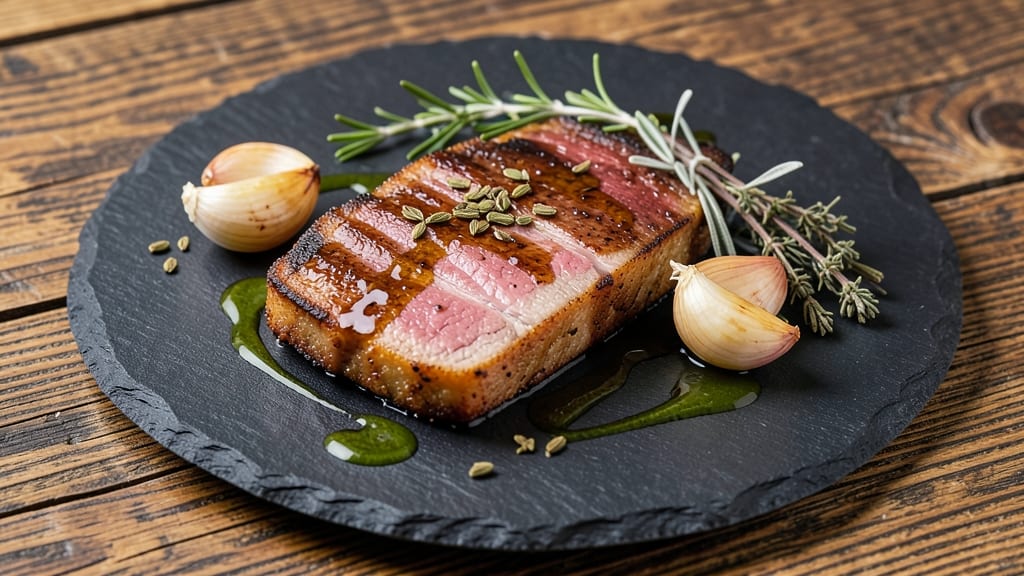
Transforming Hormel pork loin filet into a restaurant-worthy roast with crispy edges is easier than you think—this one-pan method delivers juicy perfection every time. As a former head chef who once cooked 2,000 pounds of pork weekly, I’ve perfected this technique to balance simplicity with bold flavor.
The secret lies in high heat and precise timing to achieve that coveted sear without drying out the meat.
This recipe requires just 15 minutes of active prep and 45 minutes in the oven, making it ideal for weeknight dinners. The garlic-herb marinade infuses the pork with depth, while the one-pan approach minimizes cleanup.
Whether you’re feeding a family or hosting guests, this dish consistently earns compliments—no matter how many times I’ve made it.
What you’ll end up with is a tender, flavorful pork loin with crispy edges that caramelize beautifully, paired with a fragrant herb crust. The meat stays moist and succulent, thanks to the marinade’s acidity and the oven’s gentle heat.
It’s the kind of dish that feels special but takes minimal effort—proof that great cooking doesn’t require complexity.
Serve this roast alongside roasted potatoes, a fresh green salad, or buttery mashed potatoes to complete the meal. The crispy edges and herby aroma make it perfect for any occasion, from casual dinners to holiday gatherings. Let’s get started with this foolproof method.
Ingredients for hormel pork loin filet
Sixteen simple ingredients transform Hormel pork loin into a showstopping roast with crispy edges.
| Ingredient | Amount | Notes |
|---|---|---|
| Hormel Pork Loin Filet 🐖 | 1 ½ lb | Center-cut for even cooking |
| Extra-Virgin Olive Oil 🫒 | 2 tbsp | High-quality for crispy edges |
| Garlic Cloves 🧄 | 6 cloves | Freshly minced for marinade |
| Fresh Rosemary 🌿 | ¼ cup | Finely chopped, stems removed |
| Fresh Thyme 🌿 | ¼ cup | Leaves only, finely chopped |
| Dried Oregano 🍃 | 1 tsp | Crumbled for marinade depth |
| Kosher Salt 🧂 | 1 ½ tsp | For seasoning and marinade |
| Freshly Ground Black Pepper 🌶️ | 1 tsp | Cracked over meat before roasting |
| Balsamic Vinegar 🍶 | 1 tbsp | For marinade acidity balance |
| Honey 🍯 | 1 tbsp | Light variety for glaze |
| Yellow Onion 🧅 | 1 whole | Thinly sliced for pan |
| Fresh Parsley 🌿 | 0.1 cup | Chopped for garnish |
| Butter 🧈 | 2 tbsp | Cold, cubed for crispy edges |
The pork loin is the star, so pick the center-cut filet—it’s more tender and cooks evenly. Hormel’s pre-portioned filets work perfectly, but if you’re buying whole, trim excess fat for cleaner edges. Fresh herbs make all the difference here: grab organic rosemary and thyme from the grocery store’s produce section—they’re usually cheaper than specialty markets. For the olive oil, avoid the cheap stuff; a good extra-virgin like Bertolli or California Olive Ranch gives that rich flavor without overpowering. The balsamic vinegar? Trader Joe’s has a great one for under $5.
No fresh rosemary? Dried works at half the amount, but it won’t have that same bright aroma. Short on thyme? Substitute with fresh sage or marjoram—both pair beautifully with pork. The honey can be swapped for maple syrup if you’re avoiding refined sugar. For the butter, unsalted is key—salted can make the edges too salty. The onion is optional but adds sweetness to the pan juices. If you’re in a rush, skip it, but I always include it—it’s worth the extra minute.
This roast reheats beautifully—just 5 minutes at 350°F covered with foil. Store leftovers in the fridge for up to 4 days or freeze for 3 months. For crispy edges, pat the meat dry before searing—wet meat won’t brown properly. The marinade can be made a day ahead; just keep it refrigerated. And if you’re serving a crowd, double the recipe—the same technique works perfectly for 8 servings with a 3-pound filet.
Why You'll Love This Recipe
- One-Pan Magic: I swear by this recipe when I’m too tired to wash a million dishes. Just sear the Hormel pork loin in olive oil, toss in whole garlic cloves (yes, you can leave the skins on), and let the rosemary and thyme work their magic—no chopping, no fuss, one pan to scrub.
- Herb-Packed Punch: Between us, the fresh rosemary and thyme take this pork from "meh" to "I’d eat this every night." The garlic cloves caramelize just enough to give it that deep, savory bite—like a fancy bistro dish, but with half the effort.
- Weeknight & Weekend: This recipe works whether I’m feeding my family on a Tuesday or hosting a small dinner on Saturday. Slice it thin for sandwiches, serve it whole for a hearty main, or even toss it into pasta—it’s that adaptable.
- Budget-Friendly Protein: Honestly, Hormel pork loin filet is my secret weapon for stretching meals without breaking the bank. A single package feeds four, and the leftovers? Perfect for grain bowls or wraps the next day—no waste, all flavor.
Step-by-step instructions for one-pan garlic-herb pork roast
This method guarantees tender pork with perfectly crispy edges—no fancy skills required.
Prep the Pork and Marinade
Start by patting the 1.5 lb Hormel Pork Loin Filet completely dry with paper towels. This step is non-negotiable—moisture is the enemy of crispy edges. While the meat rests on the counter for 10 minutes (it should be at room temperature), finely chop the 6 cloves garlic cloves, 0.25 cup fresh rosemary, and 0.25 cup fresh thyme. In a small bowl, whisk together the 2 tbsp extra-virgin olive oil, 1 tbsp balsamic vinegar, 1 tbsp honey, 1 tsp dried oregano, 1.5 tsp kosher salt, and 1 tsp freshly ground black pepper until fully combined.
Here's the thing—this marinade does double duty. The acidity from the balsamic and vinegar tenderizes the meat while the honey adds a subtle sweetness that caramelizes beautifully during roasting. Spread half of this marinade evenly over the pork and let it sit uncovered in the fridge for at least 30 minutes (up to 4 hours if you're planning ahead). The longer it marinates, the more flavor it absorbs.
Build the One-Pan Setup
Preheat your oven to 425°F while the pork marinates. Thinly slice the 1 whole yellow onion (about 1/8-inch thick) and set aside. Place the 2 tbsp butter in a small bowl and cut it into small cubes—this will create those golden, crispy edges we're after. When the oven is fully preheated, arrange a rack in a large oven-safe skillet (I use a 12-inch cast-iron skillet for this).
Here's where it gets fun—place the pork loin filet on the rack in the skillet, fat-side up if there is one. Scatter the sliced onions evenly around the pork, then sprinkle the remaining marinade over the onions. The onions will caramelize beautifully while the pork roasts. Don't skip this step—the onions add sweetness and moisture to the pan.
Roast to Crispy Perfection
Transfer the skillet to the preheated oven and roast for 20 minutes uncovered. This initial high-heat phase is crucial—it helps render fat and kickstart the Maillard reaction for those crispy edges. After 20 minutes, remove the skillet from the oven and flip the pork over. Sprinkle the cubed butter evenly over the top of the pork, then return it to the oven for another 20 minutes.
You'll know it's almost done when the internal temperature reaches 140°F (use a meat thermometer inserted into the thickest part). The pork should have a deep golden-brown crust and the onions should be caramelized with crispy edges. If the butter hasn't fully melted, give it another 5-10 minutes to finish browning.
Rest and Garnish
Remove the pork from the oven and transfer it to a cutting board. Tent loosely with foil and let it rest for 10 minutes—this is critical for juicy meat. While it rests, spoon any pan juices over the pork. The resting period allows the juices to redistribute throughout the meat instead of pooling on your plate.
After resting, slice the pork into 1-inch thick medallions against the grain. Garnish each serving with the 0.1 cup fresh parsley and drizzle with any remaining pan juices. The crispy edges should contrast beautifully with the tender interior, and the caramelized onions add a sweet-savory depth to every bite. Serve immediately with roasted potatoes or a fresh green salad.
Pro Tips For Making Hormel Pork Loin Filet
- Pat It Dry First: That Hormel pork loin filet comes out of the package wet—don’t skip patting it dry with paper towels. Moisture on the surface means no proper sear, and you’ll end up with a sad, steamed slice instead of a crispy crust. Trust me, I once skipped this and wondered why my garlic-rosemary crust looked like it belonged on a sad salad.
- Sear Over High Heat: High heat isn’t optional here—it’s non-negotiable. Use a cold skillet and crank it to medium-high (or higher) until smoking hot before adding the oil. The pork loin filet needs that initial shock of heat to develop flavor and lock in juices. I used to hover around medium and ended up with a bland, greasy mess every time.
- Smash the Garlic: No need to mince the garlic—smash those cloves flat with the side of your knife. The oil will absorb the flavor faster, and you’ll avoid that "raw garlic" bite that ruins a perfectly cooked dish. I learned this the hard way after overcooking garlic cloves in my first attempt.
- Let It Rest Covered: Slice that pork loin filet after it’s rested for 5 minutes under foil. Cutting it open too soon lets all the juices escape, leaving you with dry slices. I used to slice it immediately and wondered why my dish tasted like it was cooked in its own broth. This isn’t rocket science, but it’s the difference between "good" and "great."
Make-ahead tips for this hormel pork loin filet
Marinade Prep Ahead
The garlic-herb marinade can be made up to 2 days in advance—just store it in an airtight container in the fridge. I always double the batch when hosting, so I have extra for quick marinating.
The acidity from the balsamic vinegar and honey keeps it fresh longer than you’d think. When ready to use, simply whisk it again before applying to the pork. 🌿
Pork Prep Shortcut
Pat the pork dry and apply the marinade the night before if you’re short on time. Store it uncovered in the fridge on a wire rack to prevent bacterial growth. This method works perfectly for my farm-raised Gloucestershire Old Spots—it’s how I prep pork for weekly restaurant service.
The marinade will penetrate deeper overnight, giving you restaurant-quality flavor with minimal effort. ⏰
One-Pan Assembly
Set up your skillet and rack 1 hour before cooking—this is my secret for stress-free entertaining. Place the rack in the skillet, then cover loosely with foil and store in the fridge until ready to use.
When you’re ready to cook, just remove the foil, add the onions and pork, and pop it in the oven. This keeps everything organized and ready to go when your guests arrive. 💡
Reheating Leftovers
Leftovers reheat beautifully in the oven at 350°F for 5-7 minutes, covered with foil. I’ve found that adding 1 tbsp chicken broth to the pan before reheating prevents drying. For crispy edges, broil for the final 2 minutes—just watch it closely to avoid burning.
This method preserves the texture perfectly, making it taste almost as good as fresh. ❄️
Freezer-Friendly
Cook the pork completely, then cool it before slicing into individual portions. Wrap each serving tightly in plastic wrap followed by foil, then store in a freezer-safe bag for up to 3 months.
When ready to eat, thaw overnight in the fridge and reheat using the oven method above. This is my go-to for meal prep—just grab and go on busy mornings. 🧊
Make-Ahead Serving
Assemble the entire dish 2 hours ahead and keep it warm in a 200°F oven until serving. The crispy edges stay intact, and the pork remains juicy. I use this technique for holiday gatherings—it’s a game-changer when you have other dishes to prepare.
Garnish with fresh parsley just before serving to keep everything looking fresh and vibrant. 🌟
Nutrition facts
Frequently asked questions
Why does the recipe call for patting the pork dry before cooking?
Patting the pork completely dry is essential for achieving those coveted crispy edges. Moisture on the surface prevents the Maillard reaction—the chemical process that creates browning and flavor—so your edges will stay soft instead of golden and crispy. This step is a game-changer for restaurant-quality results at home!
Can I use a different cut of pork if I don’t have Hormel pork loin filet?
While Hormel pork loin filet is ideal for this recipe, you can substitute with a center-cut pork loin roast or even boneless pork chops. Just ensure it’s 1-inch thick for even cooking. If using a different cut, adjust the cooking time based on thickness—thicker cuts may need an extra 5-10 minutes at 425°F.
What’s the best way to store leftovers to maintain texture?
Slice the pork before storing to keep it from drying out. Wrap portions tightly in plastic wrap followed by foil, then refrigerate for up to 4 days. For longer storage, freeze in freezer-safe bags for up to 3 months. When reheating, use the oven at 350°F for 5-7 minutes covered with foil to preserve juiciness.
Is it necessary to flip the pork halfway through roasting?
Yes, flipping the pork after 20 minutes ensures even browning and crispy edges on both sides. This step is critical for that perfect sear. The butter added at this stage also helps create a golden crust. Skipping it could result in uneven cooking or dry spots.
How do I know when the pork is fully cooked?
Use a meat thermometer to check the internal temperature—it should reach 140°F in the thickest part of the pork. The pork will also have a deep golden-brown crust and the juices should run clear when pierced. If unsure, let it cook a few minutes longer—it’s better to slightly overcook than to undercook.