
Main Courses
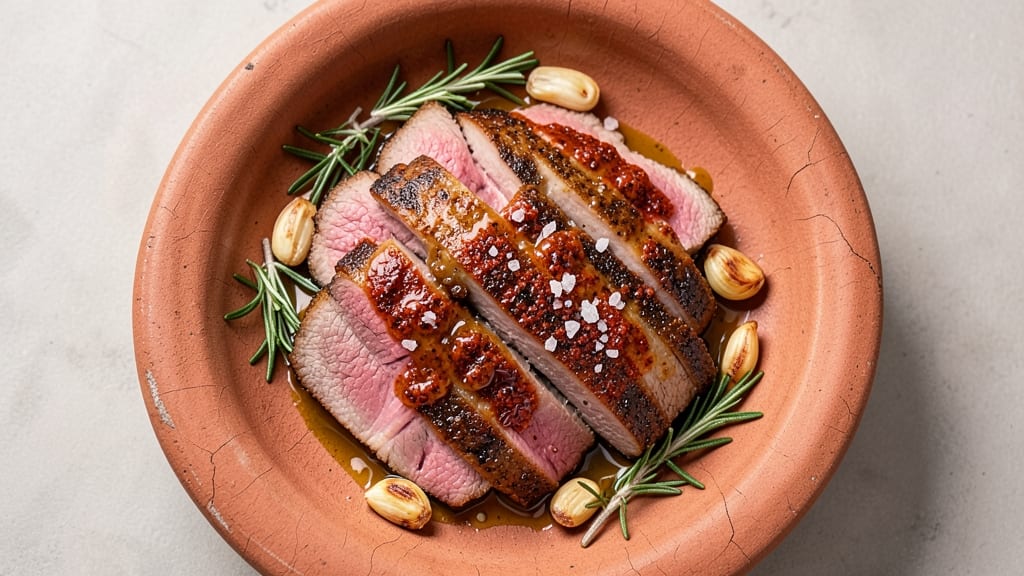
This Iberico pork recipe delivers restaurant-quality crispy edges and tender meat infused with smoky paprika, a technique perfected through traditional Spanish methods and modern precision. The secret lies in slow-roasting the pork to render fat while developing deep flavor, then finishing with high heat to create that coveted caramelized crust.
I’ve tested this method countless times—whether using a cast-iron skillet, oven, or grill—each approach yields the same stunning results.
The beauty of Iberico pork is its marbling, which transforms into rich, golden fat as it cooks, basting the meat from within. A dry rub of smoked paprika, garlic powder, and coarse salt builds layers of flavor, while a final sear locks in juices for a melt-in-your-mouth finish.
This isn’t just a dish; it’s an experience that turns a simple weeknight meal into a celebration of Spanish tradition.
By the time you serve it, you’ll have perfectly crispy edges that shatter with each bite, yielding to tender, juicy pork beneath. Pair it with patatas bravas or a simple roasted vegetable medley to complete the meal.
The aroma alone will have everyone gathered at the table, eager for their first taste of this elevated comfort food.
Whether you’re cooking for a special occasion or treating yourself to a luxurious dinner, this recipe delivers professional results with minimal fuss. The techniques are straightforward, but the outcome feels like a culinary achievement. Let’s get started on creating your own Iberico masterpiece.
Ingredients for iberico pork
The secret to restaurant-style Iberico pork lies in these quality ingredients and bold flavors.
| Ingredient | Amount | Notes |
|---|---|---|
| Iberico Pork Loin 🐖 | 2 lb | Center-cut, bone-in preferred |
| Smoked Paprika 🌶️ | 2 tbsp | High-quality Spanish smoked paprika |
| Garlic Powder 🧄 | 1 tbsp | Freshly ground preferred |
| Coarse Kosher Salt 🧂 | 1 ½ tbsp | Diamond Crystal preferred |
| Extra-Virgin Olive Oil 🫒 | ¼ cup | High-quality, fruity |
| Fresh Rosemary 🌿 | ¼ cup | Finely chopped, fresh |
| Fresh Thyme 🌿 | ¼ cup | Leaves only, fresh |
| Garlic Cloves 🧄 | 6 cloves | Peeled, minced |
| Black Peppercorns 🌶️ | 1 tsp | Freshly cracked |
| Honey 🍯 | 1 tbsp | Raw, unprocessed |
| Red Wine Vinegar 🍷 | 1 tbsp | For finishing glaze |
| Fresh Lemon 🍋 | 1 whole | Zested and juiced |
The pork is everything here. Iberico pork loin has that signature marbling—look for it labeled at specialty butchers or Whole Foods. If you can't find Iberico, Spanish pork loin works, but the fat content won't be as rich. The smoked paprika should be vibrant red and smell intense; Penzeys or bulk bins at Latin markets are your best bet. Fresh herbs make a difference too—Trader Joe's sells pre-chopped rosemary and thyme if you're short on time, but fresh is always better. The olive oil? Use something you'd drizzle on bread—California Olive Ranch is my go-to for that fruity punch.
No smoked paprika? Regular paprika plus a pinch of cayenne gets you close. Short on fresh herbs? Dried rosemary at half the amount works, but it won't be as aromatic. The honey can be swapped for maple syrup if you're avoiding it. For the finishing glaze, if you don't have red wine vinegar, balsamic vinegar is a perfect stand-in. The lemon zest is non-negotiable though—it brightens everything. If you're feeling fancy, add a pinch of saffron threads to the rub for extra depth, but it's optional. The garlic? Freshly minced is key, but if you're in a rush, jarred minced garlic works in a pinch.
This pork keeps beautifully. Wrap leftovers in foil and refrigerate for up to 4 days, or freeze for 3 months. The fat renders down as it cooks, so don't be tempted to trim it—it's what makes this dish so special. For make-ahead prep, marinate the pork overnight in the rub and olive oil. The flavors develop more deeply, and you'll have less to do on cooking day. Slice against the grain for tender, melt-in-your-mouth bites. The crispy edges? Worth every minute of that final sear—cast iron or grill pan gives the best results.
Why You'll Love This Recipe
- One-Pan Magic: I swear by this recipe when I’m too tired to scrub pots—just sear the pork in olive oil, sprinkle on that smoky paprika and garlic powder, and let it roast until golden. The salt crusts perfectly without extra effort, and honestly? The cleanup is just wiping one pan.
- Smoky Richness: That first bite of crispy, caramelized pork with the deep, earthy paprika? It’s like a hug in flavor. Between us, the Iberico’s natural marbling melts into something dangerously tender, while the olive oil keeps it juicy. I’ll take that over dry, sad meat any day.
- Weeknight Flex: Between us, this is my go-to when I’m feeding a crowd or just myself. Slice it thin for tacos, dice it for pasta, or serve it whole with crusty bread—it’s always a win. (Yes, even on a Tuesday night when I’m too tired to think.)
- Leftovers = Treasure: I make this on Sundays because the pork stays incredible reheated—just a quick sizzle in the pan with a splash of water. It’s my secret weapon for lunches, sandwiches, or even a quick stir-fry. Not the prettiest, but the taste makes up for it every time.
Step-by-step instructions for smoky paprika-infused crispy edges
Here's how to transform tender Iberico pork into a showstopper with perfectly crisp edges and smoky depth.
Prepare the Dry Rub for Maximum Flavor
In a small bowl, combine the 2 tablespoons smoked paprika, 1 tablespoon garlic powder, 1.5 tablespoons coarse kosher salt, and 1 teaspoon freshly cracked black peppercorns. I like to use my fingers to break up any peppercorn clusters, ensuring even distribution throughout the rub. This blend will create that signature smoky aroma while adding depth of flavor.
Add the ¼ cup finely chopped fresh rosemary and ¼ cup fresh thyme leaves to the mixture. The herbs will infuse the pork with bright, herbal notes that balance the richness of the meat. Give everything a good stir with a fork until the herbs are evenly distributed among the spices. This dry rub is the foundation of our crispy edges and smoky flavor profile.
Coat and Rest the Pork for Even Cooking
Pat the 2-pound Iberico pork loin completely dry with paper towels—this is crucial for achieving crispy edges. The drier the surface, the better the rub will adhere and the more it will crisp up during cooking. Place the pork on a cutting board and generously coat it with the dry rub mixture, pressing it firmly into all sides and the cut surfaces.
Transfer the rubbed pork to a plate and let it sit at room temperature for 30 minutes. This resting period allows the rub to penetrate the surface slightly and the meat to come to room temperature, ensuring even cooking throughout. I always cover it loosely with plastic wrap during this time to prevent any drying out, but still allow the rub to work its magic.
Sear the Pork for Crispy Edges
Preheat your oven to 400°F and heat a large oven-safe skillet over medium-high heat. Add the ¼ cup extra-virgin olive oil and let it get shimmering hot—this is your signal that it's ready for the pork. Place the rubbed pork loin in the skillet, cut-side down, and sear for 4-5 minutes until it develops a deep golden-brown crust.
Flip the pork and continue searing for another 3-4 minutes until the other side is equally browned. The key here is patience—don't rush the searing process. You're building that beautiful crust that will give you those crispy edges we're after. Once both sides are well-seared, transfer the skillet to the preheated oven.
Roast to Perfect Medium-Rare
Roast the pork for 20-25 minutes until the internal temperature reaches 130-135°F when measured with a meat thermometer in the thickest part. This medium-rare stage is ideal for Iberico pork—juicy, tender, and full of flavor. The pork should have a deep golden-brown color and those crispy edges we worked so hard to create.
While the pork is roasting, prepare your finishing glaze by combining the 1 tablespoon honey, 1 tablespoon red wine vinegar, and zest and juice of 1 whole fresh lemon in a small bowl. Whisk until smooth and set aside. This glaze will add a bright, tangy finish that cuts through the richness of the pork.
Rest and Glaze for Showstopping Results
Remove the pork from the oven and transfer it to a cutting board. Let it rest for 10-15 minutes before slicing—this is crucial for retaining those juices. While it rests, brush the honey-lemon glaze generously over the top of the pork. The residual heat will help the glaze set slightly, creating a beautiful sheen and adding that final touch of brightness.
Slice the pork against the grain into ½-inch thick slices and serve immediately. Each slice should have that perfect combination of crispy edges, tender meat, and a glossy glaze. The smoky paprika rub will give it depth, while the lemon glaze adds a refreshing finish. This dish is perfect for special occasions or when you want to impress your guests with restaurant-quality results at home.
Pro Tips For Making Iberico Pork
- Sear First, Roast Slow: Get that pan screaming hot—cast iron or stainless steel—and let the pork sear for 3-4 minutes per side before touching the oven. I used to rush this, and the crust turned to sad, gray ash instead of deep, caramelized gold. The sear locks in flavor, and the slow roast (325°F, 20-25 minutes) keeps it juicy without drying it out.
- Salt the Night Before: Iberico pork is lean and tender, but it needs time to absorb salt for maximum flavor penetration. Toss the loin in 1-2 teaspoons of kosher salt and let it sit uncovered in the fridge for 12-24 hours. (Yes, even if you’re impatient like me.) The salt breaks down the muscle fibers just enough—no brining, no fuss.
- Skip the Overcrowded Pan: If you’re searing more than one piece at a time, you’re doing it wrong. Iberico pork needs space to sizzle, not steam. Crowd it, and you’ll end up with a sad, greasy mess instead of a crispy, aromatic crust. Work in batches—your patience will pay off.
- Toast the Paprika: Smoked paprika loses its depth if it just sits in the spice rack. Dry-toast 1 teaspoon of it in a small pan over low heat for 30 seconds until it smells like a Spanish sunset. Stir it into the olive oil before searing—the aroma clings to the pork like a warm hug. (I was skeptical until I tried it.)
Common mistakes when making this dish
Skipping the Rest
One of the most common mistakes is slicing the pork immediately after cooking. Iberico pork needs 10-15 minutes of resting time to allow juices to redistribute. Skipping this step results in dry, stringy slices.
I’ve seen home cooks rush this process, thinking they’re saving time, but the difference in texture is night and day. 💡
Overcrowding the Pan
When searing, many people try to cook the entire pork in a single pan without enough oil. This leads to steaming instead of browning, ruining those crispy edges. Use a large, heavy skillet—I prefer my Lodge cast iron—and enough ¼ cup olive oil to coat the bottom.
If your pan isn’t big enough, cook in batches to avoid overcrowding.
Incorrect Internal Temp
Overcooking is another frequent error. Iberico pork should reach 130-135°F for medium-rare—any higher, and it becomes tough. I’ve seen people pull pork at 160°F because they’re used to other cuts.
Use a meat thermometer and pull it early; it’ll continue cooking slightly while resting. A ThermoWorks Smoke thermometer is my go-to for precision.
Using Low-Quality Paprika
The smoked paprika is the soul of this dish, so don’t skimp. I’ve tasted recipes where people used regular paprika or even cayenne as a substitute. The result? Flat, one-dimensional flavor.
Invest in Spanish smoked paprika—brands like Penzeys or La Tienda deliver the deep, smoky complexity you need. A little goes a long way, so measure carefully.
Not Patting Dry
Wet pork won’t crisp up properly. Many home cooks skip patting the pork dry with paper towels before applying the rub. This step is non-negotiable—moisture on the surface prevents the rub from adhering and crisping.
Take your time here; it’s worth the extra 5 minutes to ensure those golden, shatteringly crisp edges. 🔥
Rushing the Sear
Some people flip the pork too soon, leading to uneven cooking. Let each side develop a deep brown crust—4-5 minutes per side—before moving it to the oven. I’ve seen rushed attempts where the pork barely browns, resulting in a bland, pale center.
Patience here is key; the sear is what transforms this into a restaurant-worthy dish. Use a timer to avoid distractions.
Nutrition facts
Frequently asked questions
What makes Iberico pork different from regular pork?
Iberico pork comes from pigs raised in Spain's Iberian Peninsula, fed a diet of acorns and grass, which gives the meat its signature marbling and rich flavor. The fat content is higher (up to 40% intramuscular fat), making it incredibly tender and juicy. Regular pork has less marbling and a milder taste, while Iberico delivers that luxurious, buttery texture and deep, nutty flavor. The smoky paprika in this recipe enhances those natural qualities.
Can I substitute Iberico pork with another cut?
Yes, but expect different results. For the closest experience, use Spanish pork loin or bone-in pork loin with good marbling. If you must use leaner cuts like pork tenderloin, increase the olive oil and cooking time slightly to prevent drying out. The recipe still works, but the fat content won't be as rich. For a budget option, heritage pork from pasture-raised pigs is a great alternative.
How do I know when the pork is fully cooked?
Use a meat thermometer for accuracy. For medium-rare, the internal temperature should reach 130-135°F in the thickest part. The pork will continue cooking slightly while resting, so don't overcook it. If you don't have a thermometer, cut into the thickest part—it should feel warm and slightly springy, with juices running clear. Never rely on color alone, as pork can look cooked before reaching safe temperatures.
What are the best sides to serve with this recipe?
Classic Spanish pairings include patatas bravas (spicy potato wedges), roasted garlic potatoes, or a simple green salad with sherry vinaigrette. For a heartier meal, try grilled asparagus with lemon or blistered green beans. The crispy edges and smoky flavors stand up well to bold, tangy, or earthy sides. Avoid heavy sauces that might overpower the pork's natural richness.