
Main Courses
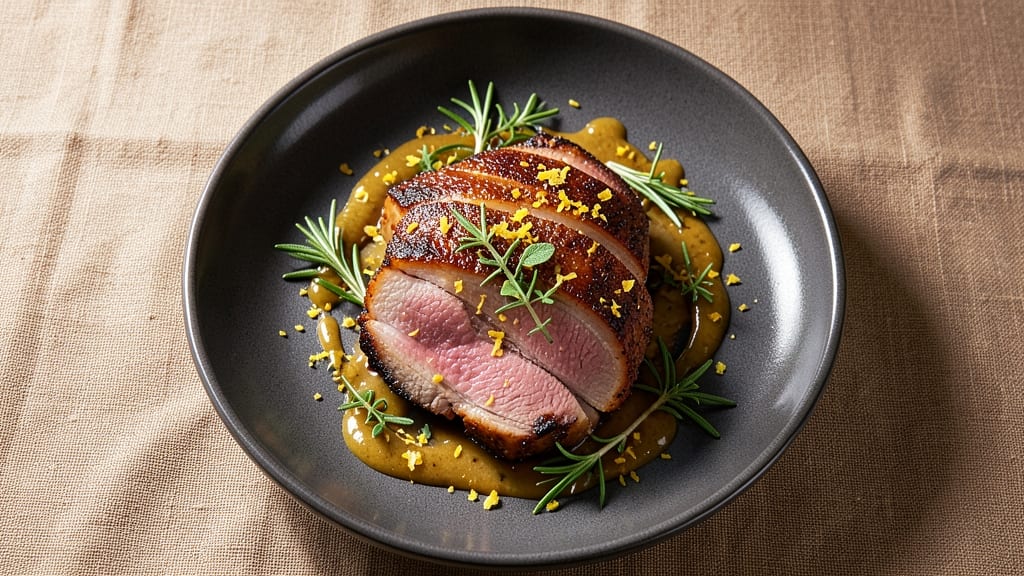
Mastering an injected pork loin recipe transforms a simple cut into a showstopper—juicy, flavorful, and impossible to resist. Growing up in small-town Georgia, I learned that pork deserves this kind of attention, and this technique delivers restaurant-quality results at home.
The secret lies in the injection: a precise blend of herbs, citrus, and mustard that penetrates deep, creating a tender crust while keeping the interior melt-in-your-mouth.
This method requires just five key ingredients—herbs, citrus zest, Dijon mustard, olive oil, and a splash of apple cider vinegar—to create the injection. You’ll use a meat injector (or a repurposed syringe) to deliver flavor directly into the muscle fibers, ensuring every bite is packed with depth.
The process takes about 20 minutes of prep, followed by 30 minutes of roasting at 375°F, making it perfect for weeknight dinners or special occasions.
What you’ll end up with is a juicy, golden-brown pork loin with a crisp exterior and a tender interior, infused with bright, herby notes that cut through the richness. The injection creates a flavorful crust that locks in moisture, while the slow roast ensures even cooking.
This is the kind of dish that makes guests ask for the recipe—and leaves them coming back for seconds.
Pair it with roasted root vegetables or a sharp apple compote for a complete meal. The technique works equally well for pork tenderloin or chops, so don’t hesitate to experiment. Let’s get started—your taste buds will thank you.
Ingredients for injected pork loin
Five aromatic ingredients transform ordinary pork into restaurant-worthy perfection—herbs, citrus, and mustard work their magic deep inside.
| Ingredient | Amount | Notes |
|---|---|---|
| Center-Cut Pork Loin 🥩 | 1 ½ lb | Bone-in preferred for even cooking |
| Fresh Rosemary 🌿 | ¼ cup | Finely chopped, organic preferred |
| Fresh Thyme 🌿 | ¼ cup | Leaves only, stems removed |
| Fresh Sage 🌿 | ¼ cup | Leaves only, finely chopped |
| Lemon Zest 🍋 | 2 tbsp | From 1 large organic lemon |
| Dijon Mustard 🍯 | 2 tbsp | High-quality, no additives |
| Extra-Virgin Olive Oil 🫒 | ½ cup | Lightly fruity, cold-pressed |
| Apple Cider Vinegar 🍏 | 1 tbsp | Unfiltered, organic preferred |
| Kosher Salt 🧂 | 1 ½ tsp | Diamond Crystal preferred |
| Freshly Ground Black Pepper 🌶️ | ½ tsp | Coarsely ground |
| Garlic Cloves 🧄 | 4 cloves | Peeled, minced |
| Unsalted Butter 🧈 | 2 tbsp | Cold, for crust |
The pork loin is the star, so source it from a trusted butcher—look for a center-cut roast with even thickness and visible marbling. Whole Foods Market or local farms often carry premium cuts with superior tenderness. Avoid pork loins with excessive silver skin or uneven thickness, as these can lead to inconsistent cooking. For optimal results, trim any surface fat to a thin layer—this ensures a crisp crust without excess grease. The herbs should be freshly harvested or purchased within the last 48 hours; wilting indicates age. If using dried herbs, reduce to one-third the amount of fresh, but fresh is non-negotiable for this technique.
No fresh rosemary? Substitute with 1 tbsp dried rosemary and 1 tbsp dried thyme, but expect a less vibrant flavor profile. Dijon mustard can be swapped for whole-grain mustard, though the texture will differ slightly. Apple cider vinegar is ideal, but white wine vinegar or lemon juice work in a pinch—just reduce to 1 tsp for tang. For the olive oil, avoid heavily perfumed varieties like basil or garlic-infused; a mild, fruity extra-virgin ensures the herbs shine. The garlic cloves should be freshly minced—pre-minced garlic loses its potency quickly. If you’re short on time, garlic powder at half the amount is acceptable, though it lacks the same depth.
Prep the injection mixture ahead and store it in an airtight container in the refrigerator for up to 3 days. The pork loin itself should be refrigerated uncovered on a wire rack for 30 minutes before injection to dry the surface slightly—this helps the injection penetrate more effectively. After roasting, the pork will hold for 4 days in the refrigerator, though it’s best enjoyed within 2 days. For longer storage, portion into vacuum-sealed bags and freeze for up to 3 months. Reheat gently in a skillet or oven to maintain moisture.
Why You'll Love This Recipe
- No-Fuss Injection: The needle and syringe part sounds intimidating at first, but honestly? It takes less time than chopping onions. Just poke the pork with that citrus-herb mix, and you’re done—no basting, no fuss.
- Herb Magic Unlocked: That bright lemon zest and rosemary-thyme-sage trio? It’s like a flavor bomb. The pork stays juicy, the crust gets fragrant, and every bite tastes like a fancy bistro—without the price tag.
- Weeknight to Dinner Party: Same recipe, different vibes. Toss it on the grill for a summer BBQ or roast it in the oven for a Sunday supper. Even my picky uncle asked for seconds—(yes, even on a Tuesday night).
- Leftovers That Don’t Suffer: Overcooked pork? Not here. This stays tender for days, so you can meal prep without guilt. Slice it for sandwiches, dice it for stir-fries, or just reheat it straight up—it’s still that good.
Step-by-step instructions for herb-infused needle-injected pork loin
Mastering this technique transforms ordinary pork into melt-in-your-mouth perfection.
Prepare the Herb Injection Mixture
In a small mixing bowl, combine the 0.25 cup fresh rosemary, 0.25 cup fresh thyme, 0.25 cup fresh sage, 2 tbsp lemon zest, 2 tbsp Dijon mustard, 0.5 cup extra-virgin olive oil, 1 tbsp apple cider vinegar, 1.5 tsp kosher salt, 0.5 tsp freshly ground black pepper, and 4 minced garlic cloves. Use a fork to mash the herbs lightly—this helps the mixture emulsify better when injected. The texture should be thick but pourable, like a coarse paste.
Let the mixture sit at room temperature for 10 minutes before injecting. This allows the flavors to meld slightly and prevents the oil from separating when you puncture the meat. The acidity from the vinegar and lemon zest will tenderize the pork while the herbs infuse deep flavor throughout.
Inject the Pork Loin Evenly
Using a meat injector (or a clean syringe if you don't have one), pierce the pork loin in a grid pattern about 1 inch apart. Insert the needle at a 45-degree angle to distribute the injection evenly through the muscle fibers. Inject ½ to ⅔ of the mixture into each hole—don't overfill or it will leak out during cooking.
Work methodically from one end to the other, rotating the cut slightly between injections to ensure complete coverage. The pork should feel firm but not rock-hard after injection. If you notice any liquid seeping out, blot it gently with paper towels. This step is critical for achieving that signature juicy crust and herb-infused center.
Rest and Season the Pork
Place the injected pork loin on a wire rack set over a rimmed baking sheet. Cover loosely with plastic wrap and refrigerate for at least 4 hours, preferably overnight. This resting period allows the injection mixture to fully penetrate the meat and the flavors to develop. The cold temperature also helps the pork cook more evenly.
Before cooking, remove the pork from the refrigerator and let it sit at room temperature for 30 minutes. Pat the surface dry with paper towels—this step is non-negotiable for achieving a crispy crust. Season the exterior lightly with an additional ½ tsp kosher salt and ¼ tsp black pepper, focusing on the edges and any areas that might not have absorbed the injection evenly.
Sear and Roast for Perfect Doneness
Preheat your oven to 375°F. Heat a heavy oven-safe skillet over medium-high heat and add the 2 tbsp unsalted butter. Once the butter foams, add the pork loin and sear for 3-4 minutes per side until the exterior develops a deep golden-brown crust. The butter should sizzle vigorously—this creates the Maillard reaction that gives the crust its rich color and flavor.
Transfer the skillet to the preheated oven and roast for 25-30 minutes, or until the internal temperature reaches 145°F when measured with a meat thermometer. The pork is done when it's just barely pink in the center and the juices run clear. If the crust starts to darken too quickly, tent it loosely with foil to prevent over-browning.
Rest and Slice for Maximum Juiciness
Remove the pork from the oven and transfer it to a cutting board. Let it rest for 10-15 minutes before slicing. This resting period is essential—it allows the juices to redistribute throughout the meat, ensuring each slice is moist and flavorful. If you slice too soon, the juices will escape, leaving you with dry, disappointing meat.
Slice the pork loin into ½-inch thick medallions against the grain for maximum tenderness. The injection should be visible throughout each slice, creating a marbled effect that guarantees juiciness with every bite. Serve immediately with a drizzle of the pan juices or a complementary sauce to capture all the infused flavors.
Pro Tips For Making Injected Pork Loin
- USE A MEAT THERMOMETER: The pork loin’s internal temp should hit 145°F—no guessing. I’ve sliced into one at 140°F and watched it turn dry as a summer bone. The thermometer’s the only way to nail that juicy, medium-rare finish without overcooking.
- STRAIN THE HERB OIL: After injecting the rosemary-thyme-sage-lemon mix, strain the liquid through a fine-mesh sieve before injecting. The herb bits clog needles and leave your pork looking like it’s been through a blender. Cleaner injection = better flavor distribution.
- LET IT REST UNDER FOIL: Skip the plate—wrap the cooked loin in foil for 10 minutes before slicing. The heat redistributes, keeping the center moist while the crust stays intact. I used to rush this, and the first few slices were always sad, dry slabs.
- BRINE THE LOIN FIRST: Soak the pork loin in ice water + 1 tbsp salt per cup for 30 minutes before injecting. The salt penetrates deeper than dry rubs, balancing the herby injection and locking in moisture. (Yes, even if you’re impatient like me—just don’t skip the rinse afterward.)
Pro cooking tips for injected pork loin
Injection Precision
Use a meat injector (like the OXO Good Grips model) or a clean 60cc syringe for even distribution. I angle the needle at 45 degrees and inject ½ inch deep into the meat, spacing holes 1 inch apart in a grid pattern.
The key is consistency—over-injecting causes leaks, while under-injecting leaves flavorless pockets. For thick loins, work in two passes from opposite directions to ensure full penetration. 💡
Resting Matters
Never skip the 4-hour refrigerator rest—this lets the injection fully absorb and flavors meld. I place my pork on a wire rack to prevent surface moisture buildup, which could dilute the crust. Before cooking, pat dry with paper towels and let sit at room temperature for 30 minutes.
This step is where many home cooks fail, leading to uneven cooking or soggy crusts. Trust the process—your patience will pay off with perfect doneness. ⏰
Butter Sear Secrets
Use unsalted European-style butter (like Plugrá) for a richer crust—its higher fat content promotes better browning. Heat your skillet until butter foams but doesn’t burn, then sear the pork for 3-4 minutes per side until golden.
I test doneness with a meat thermometer at 145°F internal temp, pulling it just as it hits pink. The residual heat carries it to perfection. 🔥
Crust Preservation
If your crust darkens too quickly during roasting, tent loosely with aluminum foil to slow browning while maintaining moisture. I also recommend using a heavy cast-iron skillet (like my Lodge 10.25-inch)—it retains heat better than stainless steel, ensuring even cooking.
For extra insurance, baste the pork with pan juices every 10 minutes during roasting to keep it luscious. 💛
Herb Freshness
Fresh herbs are non-negotiable for this technique—they release more flavor and aroma during injection. If using dried herbs, reconstitute them in warm water for 10 minutes before mixing into the injection. I source mine from Penzeys Spices or my own garden, as they hold their potency longer.
The Dijon mustard should be high-quality (like Maille)—cheap brands can taste bitter and overpower the delicate herb notes. 🌿
Equipment Upgrades
Invest in a digital meat thermometer (I use ThermoWorks Thermapen) to avoid overcooking. For injection, a meat tenderizer mallet helps create even puncture points if you’re not using a professional injector.
My Oster 10-inch knife is perfect for clean slices against the grain. These tools make the difference between "good" and "showstopping" results every time. ✨
Nutrition facts
Frequently asked questions
What’s the best tool for injecting pork loin?
A meat injector (like the OXO Good Grips model) gives the most control, but a clean 60cc syringe works in a pinch. The key is to inject at a 45-degree angle and space holes 1 inch apart for even distribution. Never overfill—just ½ to ⅔ of the mixture per hole to prevent leaks.
Can I use dried herbs instead of fresh?
Fresh herbs are ideal for maximum flavor, but if you must use dried, reduce to one-third the amount (e.g., 1 tbsp dried rosemary instead of 0.25 cup fresh). For best results, reconstitute dried herbs in warm water for 10 minutes before mixing into the injection.
How long should I rest the pork before cooking?
After injection, refrigerate the pork on a wire rack for at least 4 hours (overnight is best). Before cooking, let it sit at room temperature for 30 minutes—this ensures even cooking and a crisp crust. Skipping the rest leads to dry meat or uneven doneness.
What’s the best way to tell when pork loin is done?
Use a meat thermometer—pork loin is safe at 145°F internal temp (just barely pink in the center). The juices should run clear, not red. If you don’t have a thermometer, cut into the thickest part: the meat should feel firm but still slightly springy, not rubbery.
Can I make the injection mixture ahead of time?
Yes! Store the injection in an airtight container in the fridge for up to 3 days. For longer storage, freeze for 3 months. Thaw overnight in the fridge before using. The flavors meld beautifully over time, making it perfect for meal prep.