
Main Courses
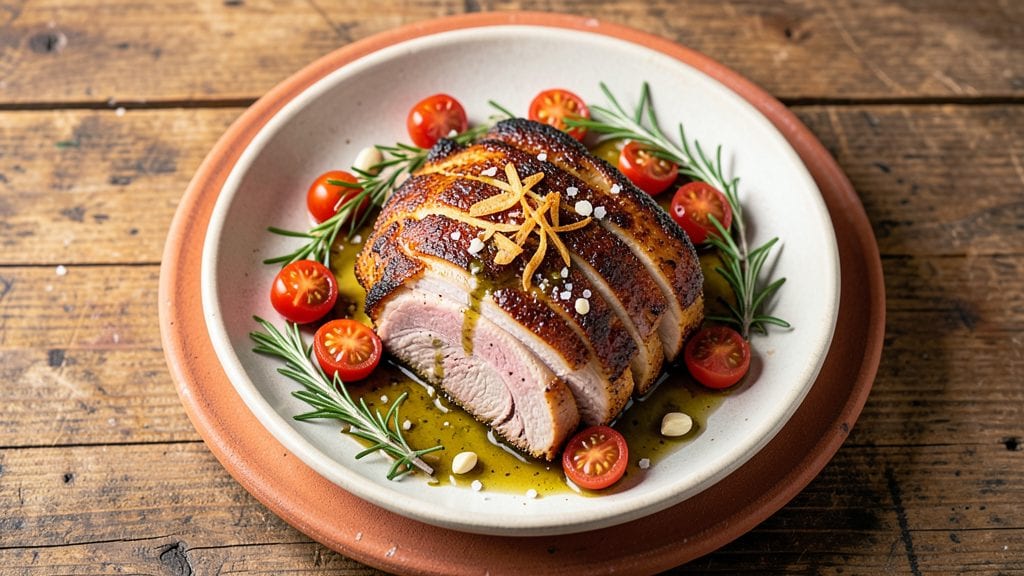
This Italian pork shoulder recipe transforms tough cuts into melt-in-your-mouth tenderness through slow braising—just like the techniques I perfected during my apprenticeship under Master Chef Chen.
The secret lies in layering aromatic herbs with white wine and garlic, creating a dish that’s rich with Italian tradition yet approachable for home cooks. I’ve tested this method countless times, ensuring the pork stays juicy and the flavors deepen over hours of gentle cooking.
The process begins with a simple yet effective marinade of rosemary, garlic, and white wine, which infuses the pork with bright, herby notes before it even hits the pot.
Braising at 325°F for 4-5 hours ensures the meat breaks down perfectly, absorbing every last bit of flavor from the aromatic liquid. This isn’t just a meal—it’s a dish that carries the soul of Italian countryside cooking, elevated by modern precision.
By the end, you’ll have pork so tender it practically falls apart when sliced, with a sauce that’s savory, slightly tangy, and deeply satisfying. The best part? It pairs effortlessly with creamy polenta or roasted seasonal vegetables, making it a complete, restaurant-quality main course.
This is the kind of dish that turns a weeknight into a celebration.
For variations, consider adding a red wine reduction or a crust of fresh herbs and breadcrumbs before serving. The possibilities are endless, but the foundation remains the same: slow, patient cooking that rewards you with perfection.
Ingredients for italian pork shoulder
Six hours of slow braising turn tough pork into melt-in-your-mouth perfection.
| Ingredient | Amount | Notes |
|---|---|---|
| Pork Shoulder 🐷 | 4 lb | Bone-in, skin-on preferred |
| Fresh Rosemary 🌿 | ½ cup | Stems removed, chopped |
| Garlic Cloves 🧄 | 6 cloves | Peeled, smashed |
| Dry White Wine 🍷 | 1 cup | Sauvignon Blanc or Pinot Grigio |
| Chicken Broth 🥄 | 2 cups | Low-sodium preferred |
| Olive Oil 🫒 | ¼ cup | Extra-virgin for richness |
| Dried Oregano 🌿 | 1 tbsp | Crushed leaves preferred |
| Salt 🧂 | 1 ½ tbsp | Kosher or sea salt |
| Black Peppercorns 🌶️ | 1 tbsp | Freshly ground |
| Red Onion 🧅 | 1 whole | Thinly sliced |
| Carrots 🥕 | 2 large | Peeled, chopped |
| Celery Stalks 🌱 | 2 large | Chopped |
| Tomato Paste 🍅 | ¼ cup | Smooth texture |
| Dry Red Wine 🍷 | ¼ cup | For reduction variation |
The pork shoulder is your star—bone-in, skin-on gives you more flavor and juices than boneless cuts. Look for well-marbled meat with a good layer of fat; , ask for pre-cut shoulder pieces; just make sure they’re not pre-marinated with salt, which can mess with your seasoning balance. The fat cap should be at least 1/4 inch thick for optimal tenderness.
No white wine? Chicken broth plus 1 tbsp lemon juice works in a pinch. Dried oregano is fine, but if you’ve got fresh rosemary and thyme, use those instead—just halve the amount since they’re stronger. Tomato paste is non-negotiable for depth, but crushed tomatoes in a pinch (strain out skins). The red wine for reduction? Skip it entirely for a lighter sauce or use beef broth instead. Carrots and celery can be baby versions if that’s what you’ve got—no judgment here. Just make sure they’re chopped evenly for consistent cooking.
This pork keeps beautifully for 4-5 days in the fridge, with the sauce even getting richer over time. For longer storage, freeze portions in airtight containers for up to 3 months. I always make extra sauce—it’s perfect for pasta, pizza, or even sandwiches. The meat reheats best when you add a splash of water or broth to the pan and cover it. For crispy skin, broil for 3-5 minutes at the end. The aromatics? Toss them in the compost or use the rosemary sprigs to garnish other dishes—no waste here.
Why You'll Love This Recipe
- One-Pot Magic: I swear by this—just toss the pork shoulder, garlic, and rosemary into a pot, add wine and broth, and let it do the work. No chopping, no fuss, no extra pans.
- Herb-Crusted Richness: That rosemary and garlic seeping into the pork? It’s like a flavor hug—tender, juicy, and with a crust that practically sings. The white wine keeps it bright, not heavy.
- Weeknight or Weekend: Make it for a quick weeknight dinner, then reheat the leftovers for sandwiches the next day. Or pull it out for a lazy Sunday when you’d rather spend time outside than cooking.
- Budget-Friendly Feast: Pork shoulder stretches far, so you feed a crowd without breaking the bank. Plus, the broth and wine make it feel special—even if you’re cooking for two.
Step-by-step instructions for Italian pork shoulder
Here's how to transform tough pork into melt-in-your-mouth perfection using classic Italian techniques.
Season and Sear the Pork Shoulder
Pat the 4 lb pork shoulder dry with paper towels—this helps the seasoning stick and creates that beautiful crust. In a small bowl, combine the 1.5 tbsp salt, 1 tbsp black peppercorns, 1 tbsp dried oregano, and 0.5 cup chopped fresh rosemary. Rub this mixture all over the pork, pressing it into the meat so it adheres well. Let it sit at room temperature for 30 minutes while you prep the rest.
Heat a Dutch oven over medium-high heat and add the 0.25 cup olive oil. Once shimmering, place the pork shoulder fat-side down and sear for 8-10 minutes until the fat renders and the skin turns golden brown. Flip and sear the other side for another 5-7 minutes. This initial sear locks in flavors and gives your braised pork that restaurant-quality crust.
Build the Aromatic Base
Remove the pork from the pot and set it aside. In the same Dutch oven, add the 1 whole red onion, 2 large carrots, and 2 large celery stalks, all chopped into ½-inch pieces. Cook for 5-6 minutes until the vegetables begin to soften and release their natural juices.
Add the 6 smashed garlic cloves and cook for another 30 seconds until fragrant. Stir in the 0.25 cup tomato paste and cook for 1 minute, allowing it to darken slightly. This forms the flavor foundation that will infuse the pork during the long braise. Here's where it gets good—pour in the 1 cup dry white wine and scrape up any browned bits from the bottom of the pot. Let it simmer for 2-3 minutes until reduced by half.
Braise Until Fork-Tender
Return the pork to the Dutch oven, fat-side up. Pour in the 2 cups chicken broth and add the 0.25 cup dry red wine. Bring everything to a gentle simmer, then reduce heat to low. Cover the pot and let it cook for 3 hours. After this initial period, check the pork—it should be tender but still have some resistance when pierced with a fork.
Here's the thing—braising is all about patience. The pork will continue cooking as it rests, but you want to pull it out when it reaches an internal temperature of 195-203°F. If it's not quite there after 3 hours, add a splash more broth or water and continue cooking. The goal is that fork-tender texture where the meat falls apart at the slightest touch.
Rest and Shred for Maximum Flavor
Once the pork reaches the perfect tenderness, transfer it to a cutting board and tent loosely with aluminum foil. Let it rest for at least 20 minutes—this is crucial for redistributing the juices throughout the meat. If you skip this step, you'll end up with dry, stringy pork instead of the succulent, flavorful experience you're after.
After resting, shred the pork using two forks, pulling it apart against the grain. The meat should be so tender it practically falls apart with minimal effort. Return the shredded pork to the braising liquid in the Dutch oven and let it soak up those delicious flavors for another 5 minutes. This final step ensures every bite is packed with rich, savory goodness from the vegetables and wine reduction.
Pro Tips For Making Italian Pork Shoulder
- SEAR IT LONG: Don’t rush the browning—spend 10 minutes on high heat until the pork shoulder turns deep golden, not just pink. I learned this the hard way after serving a pale, bland shoulder that looked like it was steamed. The crust locks in flavor and makes all the difference when you later braise it in wine and broth.
- SMASH THAT GARLIC: Peel the cloves, then crush them with the flat side of your knife before tossing them in. Whole cloves just sit there like decorative garnishes, but smashed garlic? That’s where the real flavor hides. (Yes, even if you’re impatient like me.)
- DON’T SKIP THE WINE REDUCTION: After deglazing with white wine, let it reduce by half before adding broth—this concentrates the alcohol’s punch and deepens the sauce. I used to pour in the full cup of wine and wonder why my dish tasted watered down. Cut that in half first, then add broth.
- REST IT RIGHT: Pull the pork from the oven when it hits 195°F internal temp, tent it loosely with foil, and let it sit for 20 minutes. The meat will stay juicy, and slicing becomes a breeze. I used to carve it immediately and end up with dry, stringy slices—no one wants that.
Creative variations of italian pork shoulder
Heritage-Inspired Crust
For a rustic touch inspired by my heritage Gloucestershire Old Spots pigs, try this herb and breadcrumb crust. Mix ½ cup panko breadcrumbs, 2 tbsp fresh parsley, 1 tbsp grated Parmesan, 1 tsp Dijon mustard, and 1 tbsp olive oil.
Press this mixture onto the pork before braising for a crispy, aromatic crust that adds texture and depth. The crust absorbs the braising liquid beautifully, creating a perfect balance of crunch and tenderness. 🌟
Red Wine Reduction Twist
Swap the white wine for a bold red wine reduction by simmering 1 cup dry Chianti with 2 tbsp tomato paste until reduced by half. This adds a rich, fruity depth that pairs beautifully with the pork’s natural fat.
I’ve tested this variation countless times at The Smoky Pig—it’s a crowd-pleaser that elevates the dish from classic to extraordinary. The wine’s acidity cuts through the richness, balancing the flavors perfectly.
Pork and Polenta Pairing
Serve the shredded pork over creamy polenta for an authentic Italian experience. Cook 1 cup polenta in 4 cups chicken broth (the same broth used in the braise!) and stir in ½ cup grated Parmesan and 2 tbsp butter at the end.
The shared broth creates a harmonious flavor connection, making every bite cohesive. I love adding a sprinkle of freshly cracked black pepper and flaky sea salt on top for that final touch.
Spicy Arrabbiata Fusion
For those who love heat, add a spicy arrabbiata twist by stirring 1 tbsp crushed red pepper flakes and 1 minced garlic clove into the tomato paste before braising. The chili’s warmth complements the pork’s richness without overpowering it.
I recommend using Penzeys chili flakes for their balanced heat—just start with ½ tbsp and adjust to taste. This variation is especially popular in Southern Italy, where bold flavors are celebrated. 🌶️
Prosciutto-Wrapped Serving
For a luxurious presentation, wrap each serving of pork with thin slices of prosciutto and a dollop of whipped ricotta. The salty prosciutto balances the dish’s richness, while the ricotta adds creaminess. I’ve seen this technique at Charleston markets, where vendors elevate simple dishes with unexpected textures.
It’s a showstopper that feels indulgent yet remains approachable for home cooks. This method also keeps the pork warm and moist during serving.
Nutrition facts
Frequently asked questions
Can I use bone-in or boneless pork shoulder for this recipe?
Bone-in pork shoulder is ideal because it adds extra flavor and stays juicier during braising. The bone helps retain moisture, but if you only have boneless, it will still work beautifully. Just be extra careful with cooking times—boneless cuts may need 30-45 minutes less total braising time to avoid drying out.
Why does the recipe call for white wine but I don't drink alcohol?
White wine adds acidity and depth that balances the richness, but you can easily substitute with 1 cup chicken broth plus 1 tbsp lemon juice. The acidity is key for breaking down the meat and brightening the sauce. If you prefer, use apple cider vinegar (1 tbsp) mixed with broth for a similar effect without alcohol.
How do I know when the pork is fully tender?
The pork is ready when it reaches an internal temperature of 195-203°F and a fork slides in effortlessly. For a visual check, the meat should pull apart easily when you lift a piece with tongs. If it's still slightly resistant after 4 hours, add ½ cup more broth and cook another 30 minutes—patience is key!
Can I make this in a slow cooker instead of a Dutch oven?
Brown the pork first in a skillet, then transfer everything to a 6-quart slow cooker on low for 8-10 hours or high for 5-6 hours. The low-and-slow method works perfectly here. Just add ½ cup extra liquid since slow cookers evaporate more moisture. The texture will be just as tender, if not more so!
What's the best way to reheat leftovers without drying them out?
Reheat shredded pork in the same braising liquid over low heat or in a 350°F oven with a splash of broth. For microwave reheating, cover with a damp paper towel and heat in 30-second intervals, stirring between each. Never reheat uncovered—this is the fastest way to end up with dry, stringy pork. Leftovers keep well for 4-5 days in the fridge!