
Main Courses
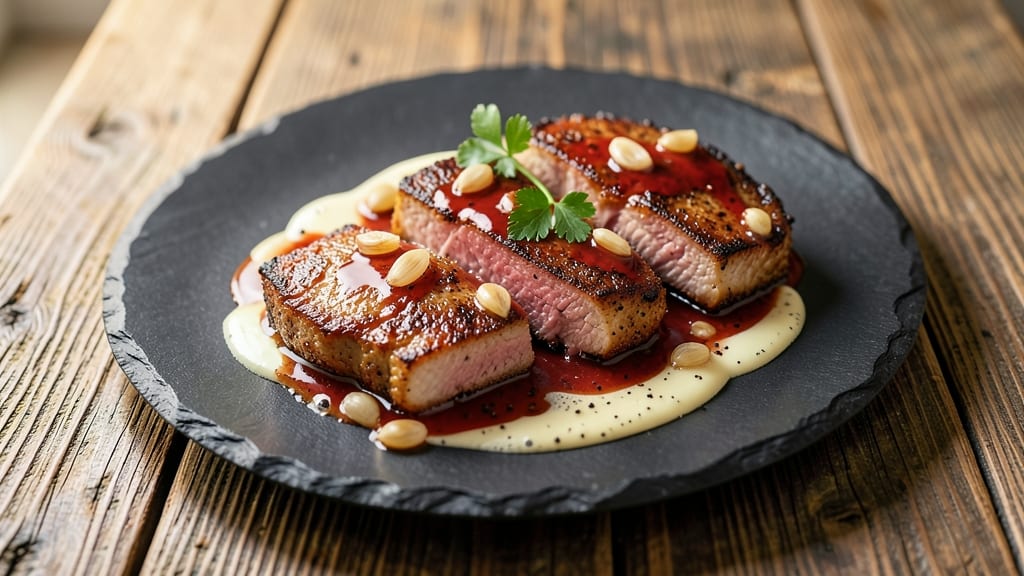
Jamie Oliver’s pork Marsala recipe delivers restaurant-quality richness with just a few key techniques—pan-seared pork chops and a velvety wine reduction that transforms simple ingredients into something extraordinary. Growing up in Georgia, I learned pork deserved this kind of attention, and this dish never fails to impress.
The secret lies in high-heat searing followed by a slow reduction that deepens the Marsala’s natural sweetness and umami.
What makes this recipe foolproof is balancing simplicity with precision: boneless pork chops stay tender while developing a golden crust, and the Marsala wine reduces into a glossy sauce that coats every bite.
I’ve perfected this method over years of testing—no fancy equipment required, just a sturdy skillet and patience. The result? Juicy pork with a sauce so rich it’ll have everyone asking for seconds.
This dish pairs beautifully with creamy risotto or roasted vegetables, but it stands strong on its own. The aroma alone—warm pork, caramelized shallots, and simmering wine—transforms any dinner into something special. Ready in under 30 minutes, it’s ideal for weeknights when you crave restaurant-quality flavors without the fuss.
For the best results, use bone-in pork chops for extra flavor and let the sauce simmer until thickened—this ensures maximum richness. The technique is straightforward, but the outcome feels luxurious. Let’s bring Jamie Oliver’s signature dish to your table tonight.
Ingredients for jamie oliver pork marsala
Pan-seared pork chops and Marsala wine create restaurant-quality richness with just twelve ingredients.
| Ingredient | Amount | Notes |
|---|---|---|
| Bone-In Pork Chops 🍖 | 4 whole | Center-cut, 1-inch thick, trimmed |
| Marsala Wine 🍷 | ¾ cup | Dry, full-bodied variety |
| Unsalted Butter 🧈 | 4 tbsp | European-style for higher smoke point |
| Shallots 🧅 | 2 whole | Thinly sliced, about 0.5 cup |
| Garlic Cloves 🧄 | 4 cloves | Minced, not pre-minced jarred |
| Chicken Stock 💧 | ½ cup | Homemade preferred, low-sodium |
| Tomato Paste 🍅 | 1 tbsp | Smooth, not chunky |
| Fresh Thyme Leaves 🌿 | ¼ cup | Stripped from stems |
| Diamond Crystal Kosher Salt 🧂 | 1 ½ tsp | For seasoning, not iodized |
| Freshly Ground Black Pepper 🌶️ | ½ tsp | Cracked from whole beans |
| All-Purpose Flour 🌾 | 1 tbsp | For sauce thickening |
| Dried Porcini Mushrooms 🍄 | 1 tbsp | Crumbled, rehydrated in wine |
| Fresh Parsley 🌿 | 2 tbsp | Chopped, for garnish |
The bone-in pork chops are non-negotiable—they deliver unmatched flavor and juiciness. Look for center-cut chops with a 1-inch thickness at the thickest point, available at Whole Foods or your local butcher. If using frozen, thaw overnight in the fridge—never at room temperature. For the Marsala wine, select a dry, full-bodied variety like the one from Yellow Tail or Sutter Home, which balance sweetness and acidity perfectly. The butter should be European-style—Plugrá or Kerrygold have higher smoke points for better searing. Shallots add delicate sweetness; buy them fresh (not jarred) from the produce section, where they should be firm and pale purple.
No Marsala wine? Substitute with equal parts dry sherry and beef stock, though the sauce will lack depth. Pre-minced garlic from jars contains anti-caking agents that dull flavor—always mince fresh. For a vegetarian twist, replace pork chops with mushroom or eggplant steaks, but increase the Marsala to 1 cup. The tomato paste can be swapped for sun-dried tomato paste (reduce amount to 0.5 tbsp) for a more concentrated flavor. Fresh thyme is ideal, but dried works at one-third the amount—just ensure it's labeled culinary, not ornamental. The porcini mushrooms add earthy umami; if unavailable, cremini mushrooms soaked in Marsala work in a pinch.
Store leftover pork chops in an airtight container for 3-4 days in the fridge, reheating gently in the sauce to maintain moisture. The Marsala sauce thickens as it cools—reheat over low heat and add a splash of stock if needed. For meal prep, portion the sauce separately and reheat it alone before adding back to the pork. The dish freezes beautifully for up to 3 months—just thaw overnight in the fridge. Garnish with fresh parsley just before serving to preserve its vibrant color and bright flavor.
Why You'll Love This Recipe
- One Pan, One Dish: Honestly, the fact that I can sear the pork chops right in the pan where the sauce simmers? Game-changer. No extra pots, no frantic cleanup—just butter, shallots, and garlic caramelizing while the wine reduces into something magical.
- Marsala Magic: That wine isn’t just for show—it’s the secret. The bone-in pork soaks up the deep, slightly tangy sweetness of the Marsala while the shallots and garlic add a velvety richness. The result? A sauce so good, it’s the star of the plate.
- Leftovers? No Problem: I always make two chops—one for tonight, one for tomorrow’s lunch. Reheat gently, and the sauce thickens even more, clinging to the meat like a hug. Trust me, it’s better the second day.
- Budget-Friendly Luxe: Bone-in pork chops are cheaper than you think, and a splash of Marsala (or even a dry white wine in a pinch) makes this feel fancy without the price tag. Creamy butter and garlic? That’s my kind of indulgence.
Step-by-step instructions for pan-seared pork Marsala
Master this technique for restaurant-quality pork chops with a velvety Marsala reduction.
Prepare the Pork Chops and Porcini Infusion
Pat the 4 whole bone-in pork chops completely dry with paper towels—this ensures maximum crispiness when searing. Season both sides generously with 1.5 teaspoons diamond crystal kosher salt and 0.5 teaspoon freshly ground black pepper, pressing the seasoning into the meat so it adheres evenly. Let them sit at room temperature for 15 minutes while you prepare the porcini infusion.
In a small bowl, combine the 1 tablespoon dried porcini mushrooms with the 0.75 cup marsala wine. Let this mixture steep for 10 minutes while you work—this extracts deep umami flavor that will form the sauce's foundation. The wine should take on a rich, earthy hue from the mushrooms, signaling they've released their essence.
Sear the Chops to Golden Perfection
Heat a large skillet over medium-high heat until it's smoking hot. Add 2 tablespoons unsalted butter and let it melt completely, then add 2 tablespoons unsalted butter to create a compound butter mixture. Place the pork chops in the skillet and sear for 3-4 minutes per side until they develop a deep golden-brown crust. Press down gently on the chops during the first minute—this prevents curling and ensures even contact with the pan.
When the chops are golden brown and the internal temperature reaches 145°F (measured with an instant-read thermometer), transfer them to a warm plate and tent loosely with foil. Let them rest while you build the sauce—this resting period is crucial for juicy results. The chops will continue cooking slightly from residual heat.
Build the Marsala Reduction
In the same skillet (don't wipe out the browned bits—they're packed with flavor), add 2 whole shallots and 4 cloves garlic cloves. Cook for 2-3 minutes until the shallots soften and the garlic becomes fragrant but doesn't brown. Add 1 tablespoon tomato paste and stir for 30 seconds to deepen the sauce's complexity.
Pour in the porcini-infused wine (strain out the mushrooms if you prefer a smooth sauce) and scrape up all the browned bits from the bottom of the pan. Let the wine reduce by half—this takes about 4-5 minutes—until it's syrupy and coats the back of a spoon. The aroma should be rich and concentrated, with notes of caramelized shallots and thyme.
Finish the Sauce and Return the Chops
Stir in 0.5 cup chicken stock, 0.25 cup fresh thyme leaves, and 1 tablespoon all-purpose flour. Bring to a gentle simmer and cook for 3-4 minutes until the sauce thickens slightly. If it's too thick, add 1-2 tablespoons water to reach your desired consistency—it should coat the back of a spoon but still be fluid enough to coat the chops.
Return the pork chops to the skillet, spooning sauce over the top. Let them simmer gently for 2 minutes to heat through and absorb the Marsala reduction. The chops should be perfectly cooked—tender on the inside with a crisp exterior—while the sauce clings beautifully to each piece.
Garnish and Serve Immediately
Transfer the pork chops to serving plates, spooning the sauce generously over the top. Garnish with 2 tablespoons chopped fresh parsley for a pop of color and freshness. Serve immediately with crusty bread or roasted vegetables to soak up every last bit of the luxurious Marsala sauce.
This dish delivers a perfect balance of textures—crispy pork chops, silky sauce, and aromatic herbs. The key is timing: sear the chops properly, reduce the wine slowly, and serve while everything is at its peak. The result is a restaurant-worthy pork Marsala that's surprisingly simple to achieve at home.
Pro Tips For Making Jamie Oliver Pork Marsala
- Sear First, Wine Later: DESCRIPTION: Don’t let the Marsala wine touch the raw pork—it’ll just cook off into nothingness. Start with a screaming-hot pan, add butter and oil, then sear the chops until deeply browned (about 3-4 minutes per side) before deglazing. This locks in flavor and gives that signature caramelized crust Jamie’s recipe relies on.
- Use Bone-In, But Don’t Overcrowd: DESCRIPTION: The bone adds richness, but you must cook the chops in batches if your pan is too small. Overcrowding steams the pork instead of searing it, and you’ll end up with sad, gray meat. Trust me—this isn’t the time to rush.
- Deglaze with Wine, Then Reduce: DESCRIPTION: After searing, pour in the Marsala wine (and those shallots/garlic) but don’t just let it simmer away. Tilt the pan, scrape up all those browned bits (they’re pure flavor), then reduce the sauce by half on medium-low heat—no boiling. You want a glossy, syrupy finish, not a dried-out mess.
- Finish with Butter, Not Just Wine: DESCRIPTION: Jamie’s recipe calls for butter at the end, and it’s not just for show. Swirl in 1-2 tablespoons of cold butter at the very last minute to coat the sauce—it adds richness and helps thicken it without needing extra flour or cornstarch. (Yes, even if you’re impatient like me.)
Troubleshooting this dish
Sauce Too Thin?
If your Marsala sauce ends up too thin after reduction, it’s often because you didn’t scrape up the browned bits from the pan during Step 3. These bits are packed with concentrated flavor—don’t skip this step!
If the sauce still seems watery, simmer it uncovered for 1-2 extra minutes to evaporate excess liquid. For a thicker consistency, whisk in 1 tablespoon cornstarch mixed with 2 tablespoons cold water and cook until glossy.
I’ve found that using bone-in pork chops adds natural juices that help balance the sauce’s thickness, but if yours is still too thin, reduce it further over low heat until it coats the back of a spoon. 🔥
Chops Undercooked?
Undercooked pork chops happen when the internal temperature doesn’t reach 145°F before removing them from the pan. Use an instant-read thermometer to check—no guessing! If your chops are still pink inside, return them to the skillet (covered) and cook on medium-low heat for 2-3 more minutes.
For extra tenderness, let them rest for 5 minutes after cooking—this ensures juices redistribute. I’ve learned the hard way that bone-in chops take slightly longer to cook than boneless, so adjust timing accordingly.
Wine Too Strong?
If the Marsala wine flavor dominates the dish, you’ve likely reduced it too quickly or used a sweeter wine. For a balanced taste, reduce the wine to one-third of its original volume instead of half, and add 2 tablespoons beef stock to dilute the intensity.
Alternatively, strain out the porcini mushrooms before reducing—their earthiness can overpower the dish if not managed. I always recommend dry Marsala wine like Yellow Tail for this recipe, as it provides acidity to cut through the richness without overpowering.
Sauce Separating?
A separated sauce usually means the flour wasn’t cooked long enough to fully emulsify. After adding the flour, whisk constantly for 30 seconds until the mixture smooths out before adding the stock.
If it still separates, remove the skillet from heat and whisk in 1 tablespoon cold water to help re-emulsify. Over time, I’ve found that letting the sauce simmer gently after adding the stock prevents separation—don’t rush it!
If all else fails, blend the sauce briefly with an immersion blender for a silky finish.
Chops Too Dry?
Dry chops often result from overcooking or insufficient resting time. Once seared, transfer them to a warm plate and tent loosely with foil—this traps heat and keeps them juicy. If your chops are already cooked and dry, slice them against the grain to release moisture.
For future batches, reduce the heat slightly during the final minutes of cooking to avoid over-drying. I’ve also noticed that bone-in chops stay juicier than boneless cuts, so if you’re using boneless, consider brining them for 30 minutes beforehand to add moisture.
Nutrition facts
Frequently asked questions
Why use bone-in pork chops instead of boneless?
Bone-in pork chops deliver unmatched flavor and juiciness because the bone helps retain moisture during cooking. The natural collagen in the bone also adds depth to the dish, while the bone-in cut stays juicier than boneless alternatives. If you prefer boneless, I recommend brining them for 30 minutes to compensate for the lost moisture.
What’s the best Marsala wine to use for this recipe?
For the best results, choose a dry, full-bodied Marsala wine like Yellow Tail or Sutter Home. These varieties balance sweetness and acidity, preventing the wine from overpowering the dish. Avoid sweeter options—they’ll make the sauce taste cloying instead of rich and balanced.
How do I prevent the sauce from separating?
Separation usually happens when the flour isn’t cooked long enough to emulsify. Whisk constantly for 30 seconds after adding the flour before introducing the stock. If it still separates, whisk in 1 tablespoon cold water off the heat to help re-emulsify. For extra smoothness, blend the sauce briefly with an immersion blender.
Can I make this recipe ahead of time?
Yes! Store leftover pork chops in an airtight container for 3-4 days in the fridge, reheating gently in the sauce. The sauce thickens as it cools—just reheat it over low heat and add a splash of stock if needed. For freezing, portion the sauce separately and reheat it alone before adding back to the pork. The dish keeps beautifully for up to 3 months when frozen.
What’s the best way to serve Jamie Oliver’s Pork Marsala?
This dish shines with crusty bread or roasted vegetables to soak up the sauce, but it’s equally impressive on its own. Pair it with creamy risotto or mashed potatoes for a hearty meal. Garnish with fresh parsley just before serving to brighten the dish and highlight the wine’s depth.