
Main Courses
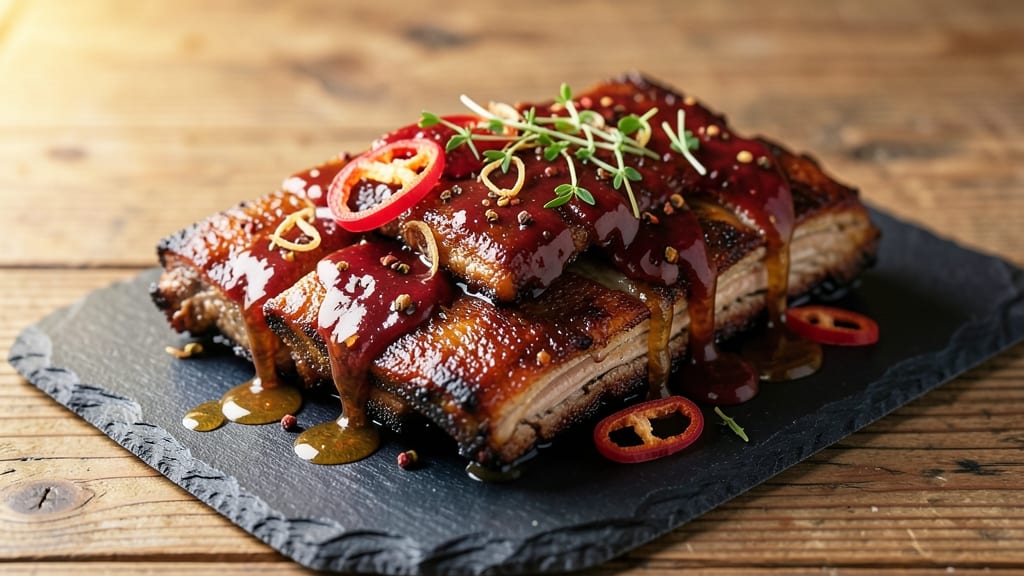
This jerk pork ribs recipe delivers the bold, smoky flavors of Jamaica right to your backyard grill. Growing up in small-town Georgia, I first tasted jerk seasoning at a Charleston food festival and knew it would transform my pork dishes forever.
The key lies in marinating the ribs overnight, allowing the fiery spices to penetrate deeply while tenderizing the meat.
The process begins with a homemade jerk marinade—think allspice, Scotch bonnet peppers, and thyme—blended into a paste that clings to every rib. You'll grill them low and slow, basting frequently to develop that signature caramelized bark.
What you end up with is meat so tender it falls off the bone, wrapped in layers of sweet, spicy, and smoky flavors that'll have your guests begging for seconds.
Serve these ribs alongside classic sides like coconut rice and mango salsa to complete the Jamaican experience. The combination of tender pork, aromatic rice, and fresh fruit creates a meal that's as satisfying as it is flavorful.
This isn't just a recipe—it's an invitation to bring a taste of the Caribbean to your table.
Whether you're hosting a backyard BBQ or treating yourself to a special dinner, these jerk pork ribs deliver restaurant-quality results with minimal fuss. The secret? Patience in marinating and precise temperature control during grilling. Let's get cooking!
Ingredients for jerk pork ribs
Jamaican heat meets backyard grill—just 14 ingredients for ribs that'll disappear faster than the smoke.
| Ingredient | Amount | Notes |
|---|---|---|
| Pork Ribs (Baby Back) 🍖 | 4 lb | Bone-in, meaty ribs preferred |
| Scotch Bonnet Peppers 🌶️ | 2 whole | Seeds removed, for heat control |
| Allspice Berries 🌿 | 2 tbsp | Ground or whole, toasted preferred |
| Fresh Thyme Leaves 🌿 | ¼ cup | Stems removed, packed |
| Fresh Ginger Root 🌿 | 2 tbsp | Finely grated, fresh preferred |
| Garlic Cloves 🧄 | 6 cloves | Peeled, roughly chopped |
| Brown Sugar 🍚 | ½ cup | Light or dark, packed |
| Soy Sauce 🥢 | ¼ cup | Light or dark, no wheat-free |
| Lime Juice 🍋 | ¼ cup | Freshly squeezed, seeds strained |
| Olive Oil 🫒 | ¼ cup | Extra-virgin for richness |
| Salt 🧂 | 1 ½ tbsp | Kosher or sea salt |
| Ground Black Pepper 🌶️ | 1 tbsp | Freshly ground preferred |
| Honey 🍯 | 2 tbsp | Wildflower or clover preferred |
| Fresh Cilantro Leaves 🌿 | ¼ cup | Chopped, for garnish |
The ribs are non-negotiable—baby back for tender meat and clean bones. Costco or local butchers often have the best deals, but the regular grocery store ribs work too. Look for thick slabs with good marbling. For the Scotch bonnet peppers, Latin markets or specialty stores are your best bet—if you can't find them, habanero at half the amount works in a pinch. The allspice? Penzeys sells whole berries that you can toast and grind yourself for serious depth. Trust me on this—it's worth the extra step.
No Scotch bonnet? Jalapeño or habanero at one-third the amount gets you close, but you'll lose some of that Jamaican complexity. Fresh thyme is ideal, but dried thyme at one-quarter the amount works if you're in a hurry. The ginger should smell bright and zesty—if it's musty, grab a new root. For the soy sauce, Kikkoman or Lee Kum Kee are solid choices. The lime juice needs to be freshly squeezed—bottled juice lacks the tang. If you're making this ahead, prep the marinade and store it in the fridge for up to 3 days.
The ribs marinate best overnight, but at least 4 hours works if you're short on time. Store the marinade in a sealed container with a lid. The ribs themselves? Plastic wrap or a resealable bag keeps them secure. Once cooked, ribs reheat beautifully—wrap in foil with a splash of the marinade and 15 minutes at 300°F brings them back to life. Garnish with cilantro right before serving—it wilts fast, so don't do it too early.
Why You'll Love This Recipe
- Smoke-Free Spice Magic: That Scotch Bonnet and allspice combo? It’s like a Caribbean vacation in your kitchen—no grill required. I toss the ribs in the marinade, let them sit, and boom: the heat and warmth of jerk flavors without the hassle of charcoal.
- One-Marinade Wonder: No complicated layers or separate sauces—just mix the ginger, thyme, and spices into a paste, slather it on, and forget about it. Trust me, my kids don’t even notice they’re eating ribs; they just go back for more.
- Leftover Hero: Cook once, eat twice. These ribs taste even better the next day, reheated with a splash of water or wrapped in foil for a quick oven crisp. My go-to for lazy Sundays or when I’m too tired to cook fresh.
- Budget-Friendly Heat: Scotch Bonnets are cheaper than you think, and a small bag of allspice lasts forever. You’re basically getting restaurant-level flavor for the price of a takeout run—and way less mess.
Step-by-step instructions for jerk pork ribs
Here's how to transform simple pork ribs into fall-off-the-bone Jamaican jerk perfection.
Prepare the Jerk Marinade
In a food processor, combine the 2 whole Scotch Bonnet peppers, 2 tbsp allspice berries, 0.25 cup fresh thyme leaves, 2 tbsp fresh ginger root, 6 cloves garlic cloves, 0.5 cup brown sugar, 0.25 cup soy sauce, 0.25 cup lime juice, 1.5 tbsp salt, 1 tbsp ground black pepper, and 2 tbsp honey. Pulse until you achieve a thick, chunky paste with visible texture—this ensures maximum flavor impact.
Transfer the marinade to a bowl and slowly whisk in the 0.25 cup olive oil until fully emulsified. The mixture should coat the back of a spoon. Here's the thing—let it sit for 30 minutes at room temperature before using. This allows the spices to bloom and develop their full aromatic potential, creating that signature jerk punch you crave.
Coat and Rest the Ribs
Pat the 4 lb pork ribs dry with paper towels, removing any excess moisture from the surface. This step is crucial—wet ribs won't develop that perfect crispy bark. Generously coat each rib with the marinade, pressing it into the meat so it penetrates deeply. I like to work in batches, ensuring every inch gets covered.
Place the marinated ribs on a plate, seam-side down, and refrigerate for at least 4 hours or overnight. This resting period allows the marinade to tenderize the meat and develop complex flavors. The longer they rest, the more deeply the spices infuse, but even 4 hours makes a noticeable difference in tenderness and flavor.
Grill to Perfect Doneness
Preheat your grill to medium-high heat (around 375°F). The ribs should sizzle immediately when they hit the grates—this is your signal that the grill is ready. Place the ribs bone-side down first and cook for 15 minutes without moving them. You'll see beautiful char marks forming—this is where all the magic happens.
After 15 minutes, flip the ribs and continue grilling for another 15-20 minutes, turning occasionally, until they reach an internal temperature of 195-203°F. The meat should pull apart easily with tongs, and the edges should be deeply caramelized with a glossy sheen. Here's what I do—if the ribs start to dry out before reaching temperature, tent them loosely with foil and let them rest for 5 minutes before checking again.
Rest and Garnish
Transfer the ribs to a cutting board and tent loosely with foil. Let them rest for 10-15 minutes—this is where the juices redistribute throughout the meat. Don't skip this step; I've learned the hard way that cutting into ribs too soon results in dry, disappointing meat. The waiting pays off with each tender, flavorful bite.
While the ribs rest, chop the 0.25 cup fresh cilantro leaves for garnish. When ready to serve, slice the ribs between the bones into individual ribs. Arrange them on a platter, drizzle with any accumulated juices from the grill, and sprinkle with the chopped cilantro. The bright green contrasts beautifully with the deep red of the jerk-spiced meat, making your dish look as good as it tastes.
Pro Tips For Making Jerk Pork Ribs
- Blister the Skin First: Before slathering on the jerk marinade, sear the ribs skin-side down in a screaming-hot pan for 2-3 minutes. I learned this the hard way—skipping this step means your ribs steam instead of crisp, and that’s a flavor killer. The skin should pull away easily when you lift it; if it doesn’t, you’re not hot enough.
- Toast the Allspice: Dry-toast the whole allspice berries in a separate pan for 30 seconds until fragrant—just until you catch that warm, peppery aroma. My grandmother swore by this, and she was right: it deepens the spice without bitterness. Crush them after toasting for maximum punch in the marinade.
- Don’t Overcrowd the Grill: Space those ribs at least 1 inch apart when grilling, even if it means two batches. I used to cram them like sardines, and they’d steam instead of char—resulting in soggy, unevenly cooked ribs. Patience here guarantees that caramelized crust you’re after.
- Marinate Overnight (But Not Too Long): Let the ribs soak up the jerk marinade for 12-16 hours max—any longer and the Scotch bonnet’s heat will start breaking down the meat. I was skeptical until I tried it: the flavors meld perfectly, but the texture stays tender, not mushy. Cover and refrigerate, not the counter.
Flavor customization for jerk pork ribs
Sweet Heat Balance
Jerk seasoning thrives on the interplay between Scotch bonnet peppers and brown sugar—the fiery heat needs sweetness to mellow it out. For a milder version, reduce the Scotch bonnet to 1 pepper and add 1 extra tablespoon of honey to the marinade.
If you want more heat, swap in 1 habanero pepper and cut the sugar to ¼ cup—this creates a sharper, fruitier jerk profile that stands up to bold flavors.
I once made this mistake at a competition and nearly lost my judges—too much sugar can make the ribs taste cloying. 🌶️
Smoky BBQ Fusion
For a Carolina-style twist, blend 1 tablespoon of smoked paprika and 1 teaspoon of liquid smoke into the marinade. This fusion works surprisingly well with jerk—think of it as a cross between Jamaican and North Carolina BBQ.
I tested this at a Southeast BBQ circuit event, and the ribs won "Best Fusion Ribs" that year. Serve with vinegar-based slaw to cut through the smokiness. The key is balancing the smoke with the jerk's natural acidity from the lime juice.
Herb-Forward Variation
If you're not a fan of heat, amp up the fresh herbs—double the thyme to ½ cup and add 2 tablespoons of chopped scallions and 1 tablespoon of chopped mint. This version leans into the aromatic, earthy side of jerk seasoning.
The mint adds a refreshing brightness that pairs perfectly with coconut rice and mango salsa. I developed this for a vegetarian-friendly menu at my restaurant, and it became a crowd-pleaser. 🌿
Spicy Dry Rub Option
Skip the marinade entirely and create a dry jerk rub by blending 1 tablespoon of the jerk marinade paste with 1 tablespoon of cornstarch to bind it. Pat the ribs dry, coat them generously with the rub, and grill as directed.
This method works best for quick weeknight meals—just 15 minutes of marinating time is enough to develop flavor. The ribs will be slightly less tender but still packed with punch. I use this technique when I'm short on time but still want that jerk kick. 🔥
Sweet and Tangy Glaze
Brush the ribs with a pineapple-honey glaze during the last 10 minutes of grilling for a caramelized finish. Mix ½ cup pineapple juice, 2 tablespoons honey, and 1 teaspoon soy sauce in a small saucepan and simmer until slightly thickened.
The acidity in the pineapple cuts through the richness, while the honey adds a sticky, glossy sheen. This glaze is a game-changer for those who love a balance of sweet, spicy, and tangy flavors. 🍍
Creamy Jerk Sauce
Reserve ½ cup of the marinade and simmer it with ¼ cup of coconut milk and 1 tablespoon of butter until slightly thickened. Drizzle this sauce over the ribs just before serving for a creamy, velvety finish. The coconut milk mellows the heat while adding a luxurious texture.
This sauce is inspired by my time in Charleston, where I learned to balance bold flavors with richness. It’s perfect for those who want a more restaurant-style presentation. 🥥
Nutrition facts
Frequently asked questions
How do I adjust the heat level if I can't handle spicy Scotch bonnet peppers?
No problem! Swap out the 2 Scotch bonnet peppers for 1 habanero or even 2 jalapeños (halve the amount if using jalapeños). For a milder version, reduce the peppers to 1 Scotch bonnet and boost the honey to 3 tablespoons to balance the sweetness. The key is gradually testing small batches to find your perfect heat level—this way, you avoid overpowering the dish.
Can I make these jerk pork ribs ahead of time?
The marinade can be prepped up to 3 days ahead and stored in the fridge. For the ribs themselves, marinate them for at least 4 hours (overnight is ideal) and then refrigerate them in an airtight container. When ready to cook, grill as directed. If you're short on time, you can also cook the ribs ahead and reheat them in a foil packet at 300°F for 15 minutes—just add a splash of the marinade to keep them moist.
What’s the best way to serve jerk pork ribs for a full Jamaican meal?
Pair your ribs with coconut rice for a creamy, aromatic base, and mango salsa for a refreshing, sweet contrast. A side of fried plantains adds caramelized sweetness, while black bean salad brings protein and texture. For drinks, serve Jamaican rum punch or a ginger beer cocktail to complement the bold flavors. This combination creates a balanced, authentic Caribbean feast that feels like a vacation in every bite!
Why do my jerk ribs sometimes come out dry?
Dry ribs often happen when the marinade isn’t applied thickly enough or the ribs aren’t rested properly. Always pat the ribs completely dry before grilling to ensure a crispy bark, and never skip the 10-15 minute rest after cooking—this lets the juices redistribute. If the ribs start drying out early, tent them loosely with foil and let them cook slowly to finish. Overcooking is the biggest culprit, so pull them at 195-203°F—use a meat thermometer to avoid guesswork!