
Main Courses
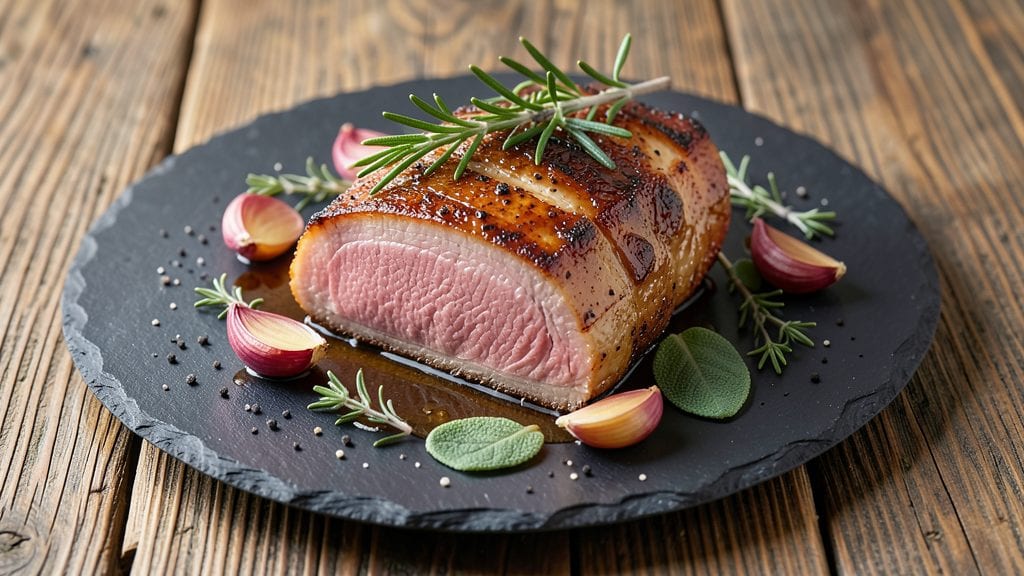
Mastering a large pork loin recipe with juicy pink centers is the difference between a dinner that impresses and one that disappoints—especially when you're feeding a crowd.
Growing up in small-town Georgia, I learned that pork isn't just protein; it's the heart of any meal, and this herb-crusted roast delivers that perfect balance of tenderness and flavor every time.
The secret lies in precise seasoning and a method that keeps the meat moist through the entire cooking process, even for a large cut.
This recipe transforms a tough cut into a showstopper with a fragrant herb crust that locks in moisture while creating a golden, crackling exterior.
What makes it special is the technique: a dry brine overnight, followed by a slow roast that ensures the center stays tender while the edges develop that coveted crust. No guesswork—just a foolproof method that delivers restaurant-quality results at home, even if you're new to roasting large cuts.
The result is a pork loin that slices effortlessly, revealing juicy pink centers and a crust packed with aromatic herbs. The aroma alone will have everyone gathering at the table, and each bite delivers that perfect harmony of savory, herby notes with tender meat.
This isn't just dinner; it's a centerpiece that turns a weeknight into a special occasion without the fuss.
Pair it with roasted root vegetables or a crisp apple salad for a complete meal, or serve it as the star of your holiday spread.
Here’s how to achieve that perfect roast every time—no overcooking, no dry meat, just juicy, flavorful pork that tastes like it came from a pitmaster’s smoker.
Ingredients for large pork loin
Six ingredients transform a tough cut into a juicy, herb-crusted centerpiece everyone will beg for seconds of.
| Ingredient | Amount | Notes |
|---|---|---|
| Pork Loin 🥓 | 4 lb | Center-cut, bone-in preferred |
| Kosher Salt 🧂 | 1 tbsp | Coarse grain for dry brine |
| Fresh Rosemary 🌿 | ¼ cup | Finely chopped, stems removed |
| Fresh Thyme 🌿 | ¼ cup | Leaves only, no stems |
| Fresh Sage 🌿 | ¼ cup | Leaves finely chopped |
| Garlic Cloves 🧄 | 8 cloves | Peeled, minced for crust |
| Extra-Virgin Olive Oil 🫒 | ¼ cup | For herb crust |
| Black Peppercorns 🌶️ | 1 tbsp | Freshly cracked |
| Mustard Powder 🍯 | 1 tsp | Dijon preferred |
| Honey 🍯 | 1 tbsp | For glaze finish |
| Unsalted Butter 🧈 | ½ cup | Cold, cubed for basting |
| Red Wine Vinegar 🍷 | 2 tbsp | For basting liquid |
| Fresh Parsley 🌿 | ⅛ cup | Chopped for garnish |
The pork loin is non-negotiable here—bone-in stays juicier, but boneless works if that's what you've got. Costco or local butchers usually carry the best cuts, often pre-trimmed for convenience. Look for a roast with even thickness and vibrant color—pale or grayish means it's been sitting too long. If you can't find center-cut, ask for the thickest end of the loin. The herbs? Trader Joe's sells pre-chopped ones in jars, but fresh is absolutely essential for that restaurant-quality flavor. Grab extra—you'll want it for garnish too.
No fresh rosemary? Dried works at half the amount, but it won't have the same punch. Out of Dijon mustard? Yellow mustard powder is fine, just skip the honey glaze—it won't stick right. The olive oil matters here—use something fruity and peppery, not that mild grocery store stuff. California Olive Ranch or Colavita are my go-tos. For the red wine vinegar, Balsamic vinegar in a pinch adds depth, but it's not the same. And if you're short on time, the dry brine can be cut to 4 hours instead of overnight—just don't skip it entirely.
This roast reheats like a dream—350°F for 15 minutes covered with foil brings it back to life. The herb crust freezes beautifully too: wrap tightly in plastic and foil, then bake straight from frozen at 375°F for 50-60 minutes. Leftovers keep 4 days in the fridge, but honestly? It's so good you won't have any. I always make double—one for dinner, one for sandwiches the next day. The crust gets even more flavorful after resting, so let it sit 10 minutes before slicing.
Why You'll Love This Recipe
- Minimal Prep Required: I swear by this—just a quick rub of salt, a handful of herbs, and a sear. No fancy marinades or hours of prep; the rosemary and thyme cling to the meat like it’s been there all day, even though it’s just a 10-minute job.
- Herb-Packed Magic: That crispy crust from the kosher salt? Irresistible. But the real star is the sage—it releases this earthy aroma when it hits the heat, turning a simple roast into something that feels like a restaurant-worthy dish. The pork stays juicy, too, because the herbs work their flavor deep while the outside stays golden.
- Weeknight or Sunday Feast: Between us, this cuts lunch prep in half for the next three days. Slice it thin for sandwiches, cube it for salads, or serve it whole for a dinner that actually impresses. (Yes, even on a Tuesday night when you’re exhausted.)
- Leftovers That Don’t Suck: Honestly, the best part? The second day is just as good. The pork holds up perfectly, and the herbs keep their brightness—no sad, dried-out meat here. I’ve turned it into tacos, pasta, and even a breakfast hash, and it’s never let me down. Budget-friendly? Absolutely. Reliable? Even more so.
Step-by-step instructions for herb-crusted pork loin roast
This method guarantees a perfectly juicy center with an irresistible herb-crusted exterior every time.
Prepare the Dry Brine for Maximum Flavor
Remove the pork loin from the refrigerator and pat it completely dry with paper towels. This step is crucial—any moisture on the surface prevents the crust from forming properly. Place the pork loin on a wire rack set over a rimmed baking sheet to allow air circulation on all sides.
In a small bowl, combine the 1 tablespoon kosher salt, 1 tablespoon black peppercorns, and 1 teaspoon mustard powder. Gently rub this mixture all over the pork loin, pressing it into the meat so it adheres evenly. The salt will begin drawing out moisture, which is why we dry-brine it. Place the seasoned pork loin back in the refrigerator uncovered for at least 4 hours or up to overnight. This step ensures the salt penetrates deeply and the meat stays incredibly juicy when roasted.
Create the Herb Crust Mixture
In a food processor, combine the 0.25 cup fresh rosemary, 0.25 cup fresh thyme, 0.25 cup fresh sage, 8 cloves minced garlic, and 0.25 cup extra-virgin olive oil. Pulse until the herbs are finely chopped and the mixture resembles a thick paste. The oil helps bind the herbs to the pork loin, creating that signature crust.
Spread this herb mixture evenly over the entire surface of the pork loin, pressing it gently but firmly into the meat. This ensures the crust adheres well and develops a beautiful golden-brown color during roasting. Return the pork loin to the refrigerator for 1 hour before cooking to allow the flavors to meld together.
Roast to Juicy Perfection
Preheat your oven to 425°F and position a rack in the lower third of the oven. Place the pork loin on the rack and roast for 30 minutes. After this initial sear, reduce the oven temperature to 325°F to ensure even cooking throughout the meat. This two-stage roasting method is key to achieving a juicy center.
Every 30 minutes during roasting, baste the pork loin with a mixture of melted 0.5 cup unsalted butter and 2 tablespoons red wine vinegar. This basting keeps the meat moist and adds another layer of flavor. Continue roasting until the internal temperature reaches 145°F when measured with a meat thermometer in the thickest part of the loin. This should take approximately 2 to 2.5 hours total, depending on the size of your pork loin.
Glaze and Rest for Maximum Juiciness
Once the pork loin reaches 145°F, remove it from the oven and transfer it to a cutting board. In a small saucepan, combine 1 tablespoon honey and 1 tablespoon extra-virgin olive oil over low heat. Simmer for 2 minutes until slightly thickened, then brush this glaze evenly over the surface of the pork loin. Return the pork loin to the oven for 5 minutes to caramelize the glaze.
The most important step is letting the pork loin rest for at least 20 minutes before slicing. This allows the juices to redistribute throughout the meat, ensuring each slice is incredibly juicy. Tent the pork loin loosely with aluminum foil and let it rest while you prepare your sides. When ready to serve, slice the pork loin into 1-inch thick pieces and garnish with 0.125 cup chopped fresh parsley. The result is a beautifully crusty exterior with a succulent, pink center that will impress everyone at the table.
Pro Tips For Making Large Pork Loin
- Dry the Meat First: Pat that pork loin thoroughly with paper towels—no wet spots—before salting or searing. I used to skip this, and my crust would turn to soup instead of golden perfection. Trust me, the extra 30 seconds now saves you from a sad, soggy exterior later.
- Salt in Layers: Don’t just sprinkle salt once. Coat the loin generously with kosher salt an hour before cooking, then re-season right before hitting the pan. The first layer seasons deep, while the second builds that flavorful crust. (Yes, even if you’re impatient like me.)
- Use a Meat Thermometer: Pull the pork at 140°F internal temp, not when it looks "done." I learned this the hard way—overcooked pork loin turns dry faster than you think. Let it rest 5–10 minutes under foil after pulling, or all that juiciness will run out.
- Sear Over High Heat: Crank your pan to medium-high and wait until it’s ripping hot—then sear the pork loin for 3–4 minutes per side without moving it. After burning three batches, I finally figured out: patience here means a crust that actually sticks, not a pale, greasy mess.
Flavor customization for this dish
Herb Variations
Swap out the classic rosemary, thyme, and sage for bold regional flavors. In Charleston, I love using smoked paprika and fennel fronds for a coastal twist—just replace half the herbs with 1 tbsp smoked paprika and ¼ cup chopped fennel.
For a Georgia-inspired version, add ½ cup chopped fresh mint and 1 tbsp ground coriander to the crust for a bright, Southern flair. Always keep the olive oil base—it’s the glue that makes the crust stick! 🌿
Spicy Kick Options
Crank up the heat with Cajun-inspired flavors by mixing 1 tbsp cayenne pepper and 1 tsp ground allspice into the dry brine. For a smoky heat, add 1 tbsp chipotle powder to the herb crust.
I once served this to a group of friends at The Smoky Pig—they couldn’t stop asking for seconds! If you’re sensitive to heat, start with ½ tsp cayenne and adjust to taste.
Sweet Glaze Twists
Skip the honey glaze and try a brown sugar and Dijon finish instead. Mix 2 tbsp brown sugar, 1 tbsp Dijon mustard, and 1 tbsp apple cider vinegar for a caramelized crust.
For a fruit-forward touch, brush with a reduction of ¼ cup apple juice and 1 tbsp balsamic vinegar—simmer until syrupy. This pairs beautifully with roasted apples on the side for a cozy fall meal.
Umami Boosters
Add depth with soy sauce or Worcestershire in the basting liquid. Replace half the red wine vinegar with 1 tbsp soy sauce or 1 tbsp Worcestershire for a savory punch. For extra richness, fold 1 tbsp grated Parmesan into the herb crust.
I learned this trick from Master Chef Chen—it’s a game-changer for pork dishes. Just don’t overdo it, or the crust will lose its herbal brightness.
Global Flavors
Transform this into a Mediterranean-style roast by adding 1 tsp dried oregano and ½ tsp cinnamon to the crust. For a Thai-inspired twist, marinate the pork in 2 tbsp fish sauce and 1 tbsp lime juice before applying the herb crust.
Both versions work wonders—just remember to balance the flavors. The herb crust still needs to shine, so keep the marinade light.
Make-Ahead Customizations
Prep the herb crust ahead and store it in an airtight container in the fridge for up to 2 days. For a smoked flavor, add ½ tsp liquid smoke to the basting butter.
If you’re short on time, use pre-minced garlic from a jar—it’s a lifesaver when fresh herbs aren’t an option. I often make extra crust and freeze it in portions for quick weeknight dinners. Just thaw before using!
Nutrition facts
Frequently asked questions
Why does the recipe call for a dry brine instead of just salting before cooking?
A dry brine works magic by allowing the salt to penetrate deeply into the meat over time, which keeps the pork loin incredibly juicy even when roasted. The salt draws out moisture from the surface, which then gets reabsorbed during cooking, resulting in a perfectly tender cut. Skipping this step can lead to dry meat, especially with a large roast. Trust me—this is a game-changer for pork!
Can I use boneless pork loin instead of bone-in?
Boneless pork loin works just fine, though bone-in stays juicier because the bone helps retain moisture during cooking. If you choose boneless, just make sure to trim any excess fat and pat it completely dry before seasoning. The herb crust will still form beautifully, and the cooking time will be slightly shorter.
How do I know when the pork loin is fully cooked without overcooking it?
Use a meat thermometer to check the internal temperature—it should reach 145°F in the thickest part of the loin. Insert the probe into the center, avoiding any fat or bone. If your thermometer doesn’t have a pork setting, 145°F is the safe target. The meat will continue to rise to 150°F as it rests, so don’t worry if it hits that mark during cooking.
What’s the best way to reheat leftover pork loin?
Slice the leftover pork loin and reheat it in a skillet over medium-low heat with a splash of broth or water until warmed through. Alternatively, wrap the slices in foil and bake at 350°F for 15 minutes. Avoid microwaving—it can make the meat dry. For sandwiches, lightly toast the bread and add a thin layer of mustard to keep things fresh.
Can I make this recipe in a slow cooker or Instant Pot?
While this recipe is designed for the oven, you can adapt it for a slow cooker by searing the pork first, then cooking on low for 6-8 hours with the herb crust. For an Instant Pot, use the high pressure setting for 30 minutes after searing, then finish with the honey glaze. However, the herb crust won’t be as crispy, and the texture will be more tender than roasted. Stick to the oven method for the best results!