
Main Courses
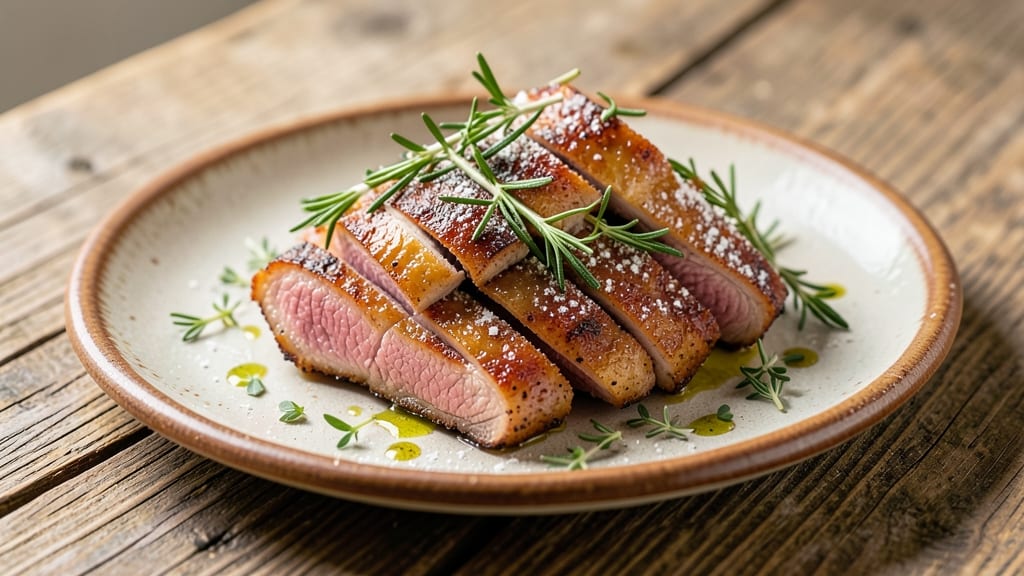
Transforming leftover pork loin into crispy pan-seared strips with a garlic-herb glaze is one of those kitchen skills that saves dinner—and makes it better. I learned this technique during my apprenticeship under Master Chef Chen, where we turned every scrap of pork into something extraordinary.
The key lies in thin, even slices and high-heat searing to restore that coveted texture while infusing fresh flavor.
This method works with any leftover pork loin, even if it's slightly dry from initial cooking. Thinly slicing against the grain ensures tender bites, while a quick sear in a hot pan creates that satisfying crispy crust.
The garlic-herb glaze—made with just a few pantry staples—elevates the dish from simple leftovers to a restaurant-worthy main course in under 15 minutes.
What you'll end up with is golden, aromatic pork strips that are tender inside and crisp at the edges, all coated in a bright, herby glaze. The aroma alone will have everyone at the table asking what's for dinner.
This recipe proves that leftovers deserve just as much attention as the original meal—sometimes more.
Pair with roasted vegetables, a fresh salad, or crusty bread to soak up every last drop of that flavorful glaze. The best part? No one will guess you're using yesterday's pork. Let's bring those leftovers back to life.
Ingredients for left over pork loin
Pantry staples and a few fresh herbs transform dry pork into crispy, aromatic strips.
| Ingredient | Amount | Notes |
|---|---|---|
| Leftover Pork Loin 🍖 | 1 ½ lb | Thinly sliced against grain |
| All-Purpose Flour 🌾 | ¼ cup | For dredging strips |
| Extra-Virgin Olive Oil 🫒 | ½ cup | High heat tolerance preferred |
| Garlic Cloves 🧄 | 6 cloves | Minced for glaze |
| Fresh Rosemary 🌿 | ¼ cup | Finely chopped, fresh preferred |
| Fresh Thyme Leaves 🍃 | 1 tbsp | Or 1 tsp dried thyme |
| Lemon Juice 🍋 | 2 tbsp | Freshly squeezed |
| Dijon Mustard 🍯 | 1 tbsp | For glaze depth |
| Honey 🍯 | 1 tbsp | For glaze balance |
| Salt 🧂 | 1 ½ tsp | Kosher or sea salt |
| Black Pepper 🌶️ | ½ tsp | Freshly ground |
| Vegetable Oil 🫒 | ¼ cup | For high-heat searing |
The pork is the star, so don't stress if it's slightly dry—thin slicing is everything. Slice against the grain for tender bites, and Costco or Whole Foods often have pre-sliced pork loin if you're short on time. Fresh herbs make all the difference here: Trader Joe's has great pre-washed rosemary and thyme bundles that save cleanup. If you're using dried herbs, double the amount—they're less potent. The garlic should be fresh, not that jarred stuff. Penzeys, but nothing beats fresh for this glaze.
No fresh rosemary? Dried oregano at half the amount works in a bind. Short on thyme? Fresh parsley or basil can mimic that bright herbal note. The Dijon mustard adds depth—no mustard? A splash of balsamic vinegar brings similar tang. Honey can be swapped for maple syrup if you're avoiding sugar. For the oil, avocado oil handles high heat better than olive oil, but extra-virgin olive oil works fine for the glaze. The pork strips need to be evenly thin—use a meat mallet if needed, especially for thicker cuts.
This glaze keeps for 3 days in the fridge, so make extra. The pork strips reheat beautifully—30 seconds in a hot pan restores that crispy edge. Store glaze components separately if making ahead: keep the dry herbs and garlic in a jar, and store the wet ingredients in a sealed container. Freeze the glaze for up to 3 months—just thaw overnight in the fridge before using. The pork itself reheats well for 2-3 days if stored properly in an airtight container.
Why You'll Love This Recipe
- No-Chop Needed: I swear by this trick—just slice the leftover pork into chunks (no fancy knife work), toss it in flour, and pan-fry. The flour gives that golden crust without any prep stress, and honestly? It’s the kind of recipe that makes me want to cook even when I’m exhausted.
- Herb-Packed Punch: That rosemary and garlic combo? It’s like a flavor hug for your pork. The crispy edges from the olive oil sear balance the tender center, and I’ll be real: my husband always asks for seconds before I even finish serving.
- Lunchbox Hero: Between us, this is my go-to for meal prep. Pack the slices cold in wraps with a smear of mustard or toss them in a salad for dinner—it’s the same great taste, just a different day. My kids grab these for school lunches, and they come back begging for more.
- Zero-Waste Winner: No sad leftovers here. If you’ve got slices of pork lingering, this recipe turns them into something new instead of another forgotten Tupperware. Plus, the ingredients cost pennies—flour, oil, and herbs are always on hand, so it’s a budget win every time.
Step-by-step instructions for crispy pan-seared pork strips with garlic-herb glaze
Transform your leftover pork loin into restaurant-quality strips with a perfect crispy crust and bright, aromatic glaze.
Prep the Pork for Maximum Crispiness
Slice the 1.5 lb leftover pork loin against the grain into ¼-inch thick strips. This ensures each bite has that satisfying texture contrast. Pat the slices completely dry with paper towels—any moisture will prevent that golden crust we're after. I like to season them immediately with 1.5 tsp salt and 0.5 tsp black pepper, pressing the spices into the meat so they adhere evenly.
Place the seasoned strips in a shallow dish and lightly dredge each piece in 0.25 cup all-purpose flour, shaking off any excess. The flour creates that beautiful crust during searing. Let them sit for 5 minutes while you prepare the pan—this gives the flour time to form a light coating without getting gummy.
Sear to Golden Perfection
Heat 0.25 cup vegetable oil in a large skillet over medium-high heat until it shimmers—you should see small bubbles forming around the edges. Add the pork strips in a single layer, leaving space between each piece so they don't steam. Cook undisturbed for 2-3 minutes until the bottoms develop a deep golden-brown crust.
Flip the strips carefully with tongs and cook another 2-3 minutes until they reach 145°F internally. The edges should be crispy while the centers remain juicy. If the oil starts smoking excessively, reduce the heat slightly—you want a sizzle, not a fire. Transfer the cooked pork to a plate and tent loosely with foil to keep warm while you make the glaze.
Make the Garlic-Herb Glaze
In a small bowl, combine 6 minced garlic cloves, 0.25 cup finely chopped fresh rosemary, 1 tbsp fresh thyme leaves, 2 tbsp lemon juice, 1 tbsp Dijon mustard, and 1 tbsp honey. This mixture creates the perfect balance of sweet, tangy, and herby flavors that complement the pork beautifully. Let it sit for 5 minutes while you finish cooking.
In the same skillet (no need to clean it—the browned bits add flavor), heat 0.5 cup extra-virgin olive oil over medium heat. Add the garlic-herb mixture and cook for 1-2 minutes until fragrant. The oil should be shimmering but not smoking. Pour in 2 tablespoons water and scrape up any browned bits from the bottom of the pan—this is where all the flavor hides.
Finish and Serve
Return the pork strips to the skillet with the glaze and toss gently to coat evenly. Cook for 1-2 minutes until the strips are fully glazed and heated through. The glaze should cling to the pork, creating a beautiful sheen. Taste and adjust seasoning if needed—you might want to add a pinch more salt or a splash of lemon juice for brightness.
Serve immediately while the pork is crispy and the glaze is still glossy. These strips work perfectly over a bed of fresh greens, with roasted potatoes, or even wrapped in tortillas for tacos. The contrast of crispy pork with the bright, herby glaze makes every bite unforgettable.
Pro Tips For Making Left Over Pork Loin
- CRUST THE PORK FIRST: Slice the leftover pork loin into ½-inch thick medallions, then dredge them in flour—shake off the excess—before hitting the pan. I learned this the hard way: dry flour clings better, and the crust forms faster. Skip this, and you’ll end up with soggy, uneven coating.
- USE COLD OIL, HOT PAN: Let your olive oil cool for 10 minutes after heating—just until it shimmers when you flick a drop. Too hot, and the pork sears unevenly; too cool, and the flour won’t brown. My grandmother swore by this, and she was right: the crust gets golden without burning.
- SMASH THE GARLIC: Don’t mince it—smash those cloves with the flat side of your knife first. The released oils infuse the pork faster, and the texture stays intact in the pan. I was skeptical until I tried it: the flavor sticks better, and cleanup is easier.
- REST THE PORK, THEN SEASON: Let the sliced pork sit uncovered for 15 minutes before coating—this evens out moisture so the flour sticks. Then season after dredging: salt and rosemary cling to the crust, not the raw meat. I skip this when I’m lazy, but the dish is noticeably better when I don’t.
Storing and reheating this dish
Refrigerator Storage
Store your leftover pork loin in an airtight container (I use glass Pyrex with snap-on lids) for up to 4 days at 40°F or below. The key here is speed—cool the pork within 2 hours of cooking to prevent bacterial growth.
I like to portion it into single-serving containers so you can reheat just what you need without dealing with a whole slab. 💪
If your pork has dried out slightly from initial cooking, don’t stress—thin slicing and the garlic-herb glaze will restore moisture and flavor. For extra protection, press plastic wrap directly on the surface before sealing the container to minimize air exposure.
Freezer Preservation
For longer storage, freeze the pork loin in single layers on a baking sheet before transferring to freezer bags or vacuum-sealed containers. This prevents freezer burn and keeps the slices separate for easy reheating.
Label with the date—it stays fresh for up to 3 months. I’ve found that quart-sized freezer bags work best for portion control. ❄️
Thaw overnight in the fridge before reheating. Never microwave frozen pork directly—this leads to uneven cooking and a sad, rubbery texture. Instead, plan ahead and let it defrost gradually.
Reheating for Crispy Results
The secret to restoring that crispy texture lies in high-heat pan searing. After thawing, pat the slices dry with paper towels and sear in 0.25 cup vegetable oil over medium-high heat for 2-3 minutes per side.
The flour coating will reactivate, creating that golden crust we all crave. 🔥
For a quicker method, use the oven broiler set to 450°F for 3-4 minutes—just watch closely to avoid burning. Add the garlic-herb glaze in the last 1-2 minutes to keep it bright and glossy.
Glaze Make-Ahead Tips
Prep the glaze components separately and store them in airtight containers in the fridge for up to 3 days. Keep the garlic, herbs, and dry ingredients in one container, and the wet ingredients (lemon juice, mustard, honey) in another. Mix just before using to preserve freshness. 🌿
For longer storage, freeze the glaze in ice cube trays—each cube reheats perfectly in 10 seconds under hot water. Thaw overnight in the fridge before using to maintain texture and flavor balance.
Serving Leftovers Creatively
Use these reheated pork strips in pork banh mi sandwiches with pickled daikon, jalapeño, and cilantro mayo. The crispy texture holds up beautifully against the soft bread. Alternatively, serve them over creamy polenta with a drizzle of the glaze for a cozy weeknight dinner. ✨
For a quick lunch, toss the strips into a stir-fry with bell peppers, snap peas, and a splash of soy sauce. The garlic-herb glaze adds depth without overpowering the dish.
Nutrition facts
Frequently asked questions
Can I use this recipe with pork loin that's been cooked and refrigerated for 3-4 days?
The thin slicing and high-heat searing technique works perfectly with pork that's been stored properly for up to 4 days. Just ensure it's been cooled within 2 hours of initial cooking and stored in an airtight container. The garlic-herb glaze will revive any slight dryness while creating that crispy texture we love.
What if my leftover pork loin is already dry?
Don't worry—thin slicing against the grain is your best friend here. The ¼-inch strips will stay tender, and the flour coating plus quick sear will create a crispy exterior that masks any dryness. For extra moisture, add 1 tbsp water to the glaze or brush the strips with a little olive oil before searing. The glaze will also add juiciness to each bite.
Can I make this recipe with frozen pork loin?
Yes, but thaw it overnight in the fridge first—never microwave frozen pork directly. After thawing, pat the slices completely dry before dredging in flour. The high-heat sear will restore that crispy texture even with previously frozen pork. For best results, use the broiler method (450°F for 3-4 minutes) to ensure even cooking.
What are the best sides to serve with these crispy pork strips?
These strips shine with anything that balances their richness. Try roasted sweet potatoes, a bright arugula salad with lemon vinaigrette, or creamy mashed potatoes. For a Southern twist, serve with cornbread and collard greens. The glaze pairs especially well with steamed broccoli or grilled asparagus to cut through the richness.
How do I adjust this recipe for a larger group?
Double the recipe and work in batches to avoid overcrowding the pan. Use two large skillets or a grill pan for even searing. For the glaze, make 2x the amount and keep it warm in a saucepan on low heat while you cook the pork in batches. The strips reheat beautifully, so you can serve them family-style straight from the pan.