
Main Courses
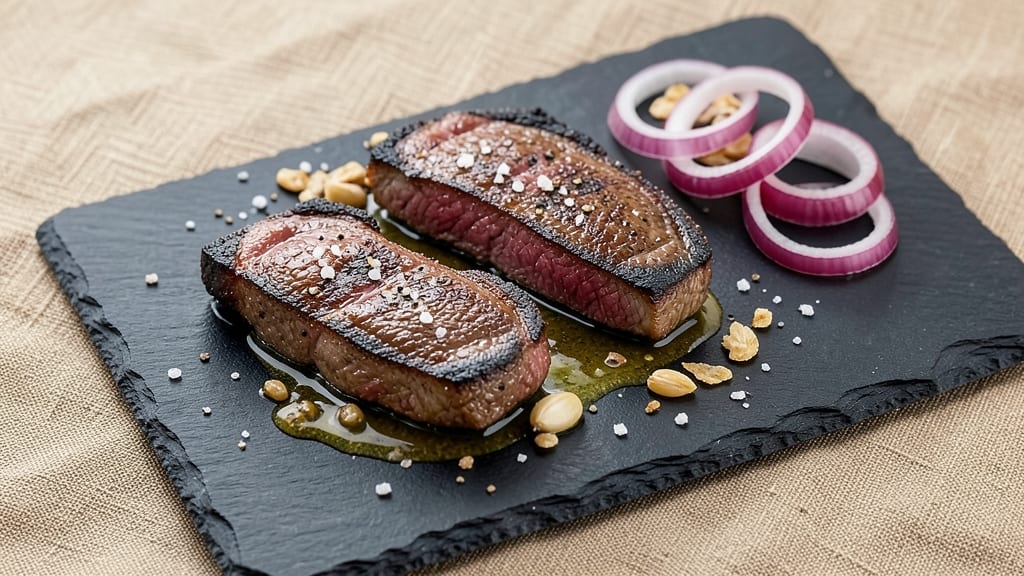
Mastering a loin top sirloin steak recipe means achieving that perfect balance of high-heat crisp and juicy center—something that separates home cooks from true grill masters. This cut demands precision, but the results are worth every minute of attention.
I’ve refined this method over countless grilling sessions, ensuring the steak stays tender while developing a caramelized crust that locks in flavor. The key lies in temperature control and timing, two factors that make all the difference between a good steak and a great one.
What sets this recipe apart is the combination of a dry brine for enhanced tenderness and a two-zone heat method that guarantees even cooking without overcooking. Whether you’re working with a cast-iron skillet or a high-end grill, this approach delivers consistent results every time.
The steak’s natural richness shines through, with just enough seasoning to complement rather than overpower. For those who prefer a more hands-off method, I’ll also include a reverse-sear technique that guarantees foolproof doneness.
By the time you’re done, you’ll have a steak with a crisp exterior and a juicy, pink center—the kind that melts in your mouth with each bite. The aroma alone will have everyone at the table anticipating dinner, and the texture will leave them asking for seconds.
This isn’t just a recipe; it’s a lesson in how to treat a steak with the respect it deserves. Let’s get started on perfecting your cut.
This method works equally well for weeknight dinners or special occasions, and I’ll share tips for pairing it with sides that won’t upstage the star of the show. Whether you’re a seasoned grill master or just starting out, these techniques will elevate your steak game to the next level.
The secret? Paying attention to detail—and trusting the process.
Ingredients for loin top sirloin steak
Four essential ingredients transform this tough cut into melt-in-your-mouth perfection—juicy center, crisp crust, and aroma that steals the show.
| Ingredient | Amount | Notes |
|---|---|---|
| Loin Top Sirloin Steaks 🥩 | 2 whole | 1.5-2 inches thick, dry-brined overnight |
| Kosher Salt 🧂 | 2 tbsp | Diamond Crystal preferred, coarse grain |
| Freshly Ground Black Pepper 🌶️ | 1 tbsp | Cracked over steaks, not pre-ground |
| Extra-Virgin Olive Oil 🫒 | 2 tbsp | High smoke point, fruity variety |
| Yellow Onion 🧅 | 1 whole | Thinly sliced, for serving |
| Garlic Cloves 🧄 | 4 cloves | Minced, for compound butter |
| Unsalted Butter 🧈 | ½ cup | Cold, cubed, for basting |
| Fresh Rosemary 🌿 | 2 sprigs | Woody stems removed, chopped |
| Fresh Thyme 🌿 | 4 sprigs | Leaves only, for compound butter |
| Cast-Iron Skillet 🔥 | 1 whole | Heavy, preheated to 400°F |
| Meat Thermometer 🌡️ | 1 whole | Instant-read, for precision |
| Wooden Spoon 🍴 | 1 whole | For basting, heat-resistant |
| Baking Sheet 🍽️ | 1 whole | For resting steaks |
The steak cut matters most here. Loin top sirloin (also called tri-tip) is leaner than ribeye but packs serious beefy flavor—Costco or Whole Foods carry it pre-trimmed, saving you time. Look for cuts with visible marbling (the white fat streaks) and ask the butcher to cut them 1.5-2 inches thick. Uneven thickness means uneven cooking, and that’s a rookie mistake. Pat the steaks dry with paper towels before seasoning—moisture is the enemy of a good sear. I always buy mine a day ahead to plan the dry brine.
No diamond crystal kosher salt? Morton coarse salt works in a pinch, but measure carefully—it’s finer. Fresh herbs are ideal, but dried rosemary at half the amount gets you close. For the compound butter, European-style unsalted butter (like Plugrá) melts better than American brands. Short on time? Skip the compound butter and just use extra-virgin olive oil for basting—it’ll still be delicious. The two-zone heat method requires patience: high heat for searing, indirect heat for finishing. No grill? Use your oven’s broiler function with a baking sheet on the lower rack for the indirect heat zone.
Steaks rest best on a wire rack over a baking sheet—keeps them warm without steaming. Cover loosely with foil if resting longer than 10 minutes. The compound butter keeps 2 weeks in the fridge, wrapped tightly in parchment. For leftovers (if there are any), slice against the grain and reheat in a skillet with a splash of beef broth—never microwave. The dry-brined steaks reheat beautifully, though they’re best enjoyed fresh. Store unused seasoning in an airtight container away from light for 6 months—but honestly, you’ll use it all before then.
Why You'll Love This Recipe
- I swear by this combo: just salt, pepper, and olive oil. That’s it. The steak’s natural richness shines when you let it be the star—no fancy marinades or sauces to distract.
- The secret’s in the sear: high heat, quick flip, and that onion caramelizing at the edges. You get a crust so golden it cracks when you cut in, with a juicy center that melts like butter.
Step-by-step instructions for loin top sirloin steak
Here's how to achieve that perfect high-heat sear with a juicy center every time.
Preheat and Season the Steaks
Place the two whole loin top sirloin steaks on the baking sheet. Pat them dry with paper towels—this ensures maximum crispiness when searing. Using the 2 tablespoons kosher salt and 1 tablespoon freshly ground black pepper, season both sides generously. I like to press the salt into the meat slightly so it adheres well. Let the steaks sit at room temperature for 30 minutes before cooking—this allows for even heat distribution throughout.
While the steaks season, preheat the cast-iron skillet over high heat until it's screaming hot. I test by flicking a drop of water onto the pan—if it sizzles and evaporates instantly, it's ready. This high heat is crucial for that perfect crust we're after. Keep the skillet uncovered during preheating to prevent steam from building up.
Sear the Steaks to Perfection
Add 2 tablespoons extra-virgin olive oil to the preheated skillet. Swirl it around to coat the entire surface evenly. Place one steak in the pan and let it sit undisturbed for 2-3 minutes. You'll see the edges start to crisp—that's your signal to press down gently on the steak with a spatula for 10 seconds to ensure even contact with the pan.
Flip the steak and sear the other side for another 2-3 minutes. For the final touch, add the 0.5 cup unsalted butter, 4 minced garlic cloves, 2 chopped rosemary sprigs, and 4 thyme leaves to the pan. Tilt the pan slightly and spoon the melted butter over the steak continuously for 30 seconds—this basting creates that luscious glaze. Repeat with the second steak.
Check Doneness and Rest Properly
Use the meat thermometer to check the internal temperature. For medium-rare, the steaks should read 130-135°F. If they're not quite there, return them to the skillet for another 30-60 seconds per side. The reason we aim for this temperature is that the steaks will rise about 5°F during resting, giving us that perfect medium-rare finish.
Transfer the steaks to the baking sheet and let them rest for 5-7 minutes. This resting period is absolutely critical—it allows the juices to redistribute throughout the meat instead of running out when you cut into it. Tent loosely with aluminum foil to keep them warm during resting.
Slice and Serve with Fresh Aromatics
While the steaks rest, thinly slice the whole yellow onion. Arrange the slices on a serving platter. When ready to serve, slice the steaks against the grain into ½-inch thick pieces. The grain direction will be visible as subtle lines in the meat—cutting against these lines makes each bite more tender.
Serve the steaks immediately over the sliced yellow onions. The onions add a fresh, crisp contrast to the rich, caramelized steaks. Each bite should deliver that perfect combination of crispy exterior and juicy center, with herbs and garlic butter enhancing every flavor. Enjoy with a side of roasted vegetables or a simple salad for a complete meal.
Pro Tips For Making Loin Top Sirloin Steak
- Pat Dry Like You Mean It: Grab a paper towel and scrub those steaks—no half-hearted pats. The more moisture you remove, the better the crust forms, and that’s how you get that perfect sear without steaming your onion caramelization. (Trust me, I once skipped this and got a sad, limp steak.)
- Salt the Onion First: Toss your sliced onion in salt before cooking—it draws out moisture, so it caramelizes instead of turning mushy. I used to skip this and end up with sad, watery onions in my pan. Now it’s non-negotiable.
- High Heat, Then Pull Early: Start your steaks on max heat until they’re screaming (yes, literally—you’ll hear it), then flip once and pull them off just before they reach your target temp. They’ll keep cooking off the heat, so you avoid overcooking. I learned this the hard way after burning my first batch.
- Rest Under Foil: Pop the steaks on a cutting board, cover loosely with foil, and let them rest for at least 5 minutes. This lets the juices redistribute—skipping it means dry, sad meat when you cut in. (I know, I know, it’s boring, but it works.)
Perfect pairings for these flavors
Classic Side Pairings
The richness of a perfectly cooked loin top sirloin steak calls for sides that balance its bold beefy flavor without overpowering it. I always serve it with garlic mashed potatoes—creamy and buttery, they soak up any residual juices beautifully.
For texture contrast, add roasted Brussels sprouts tossed with balsamic glaze and crispy pancetta. The sweetness of the glaze cuts through the steak’s richness while the pancetta adds a salty crunch. 🥔
Wine Pairings
A bold red wine complements the steak’s intensity perfectly. I reach for a Cabernet Sauvignon from Napa Valley—its dark fruit notes and firm tannins mirror the steak’s depth. For something lighter, a Malbec from Argentina offers juicy blackberry flavors that pair wonderfully with the garlic butter glaze.
Avoid heavy, oaky wines; they’ll clash with the steak’s natural beefiness. 🍷
Beer Matchups
For beer lovers, a dark amber ale with caramel and toasted malt notes works beautifully. I love Samuel Adams Noble Experiment—its roasted grain flavors complement the steak’s crust while the malt sweetness balances the savory richness.
If you prefer hoppier options, a Belgian-style dubbel with its spiced complexity adds an interesting contrast. 🍺
Fresh Garnishes
Brighten the plate with quick-pickled red onions—thinly sliced and tossed with apple cider vinegar, sugar, and a pinch of salt. Their tangy crunch cuts through the richness of the steak.
A sprinkle of fresh parsley adds a pop of color and freshness, while a drizzle of extra-virgin olive oil enhances the herbaceous notes from the compound butter. ✨
Global Variations
For a Mexican-inspired twist, serve the steak with charro beans and corn tortillas for dipping in the garlic butter. In Italy, pair it with creamy polenta and a simple arugula salad dressed with lemon. Each variation keeps the steak as the star while offering a fresh cultural perspective. 🌎
Nutrition facts
Frequently asked questions
What's the ideal thickness for loin top sirloin steaks?
For perfect cooking, aim for 1.5-2 inches thick. This thickness ensures a juicy center while allowing time to develop that crisp crust. Thinner cuts (1 inch) will overcook too quickly, while thicker cuts (> 2.5 inches) may not sear properly on the outside before the inside finishes.
Can I cook loin top sirloin steaks without a cast-iron skillet?
Use a heavy stainless steel or carbon steel pan that retains heat well. If grilling, a gas or charcoal grill works perfectly—just set up a two-zone heat method (high heat for searing, indirect heat for finishing). For oven cooking, broil on high for the sear, then finish in a 400°F oven until your desired doneness.
Why does my steak turn out dry even when cooked to 130°F
?
This usually happens from overcooking or not resting properly. The steak should rest 5-7 minutes after cooking to redistribute juices. Also, avoid cutting into it too soon—juices escape immediately when sliced prematurely. For extra tenderness, try a dry brine (season overnight) before cooking.
How do I adjust cooking time for thicker steaks?
Add 1-2 minutes per side for every ¼-inch thicker than 2 inches. For example, a 2.5-inch steak needs 3-4 minutes per side for medium-rare. Always use a meat thermometer—130°F for medium-rare, 135°F for medium. The crust will take slightly longer to form on thicker cuts.
What's the best way to reheat leftover loin top sirloin?
Slice against the grain and reheat in a skillet over medium-low heat with a splash of beef broth for 2-3 minutes per side. Never microwave—it dries out the meat. For extra flavor, baste with melted butter and garlic while reheating. Leftovers keep well for 3 days in the fridge or 3 months frozen.