
Main Courses
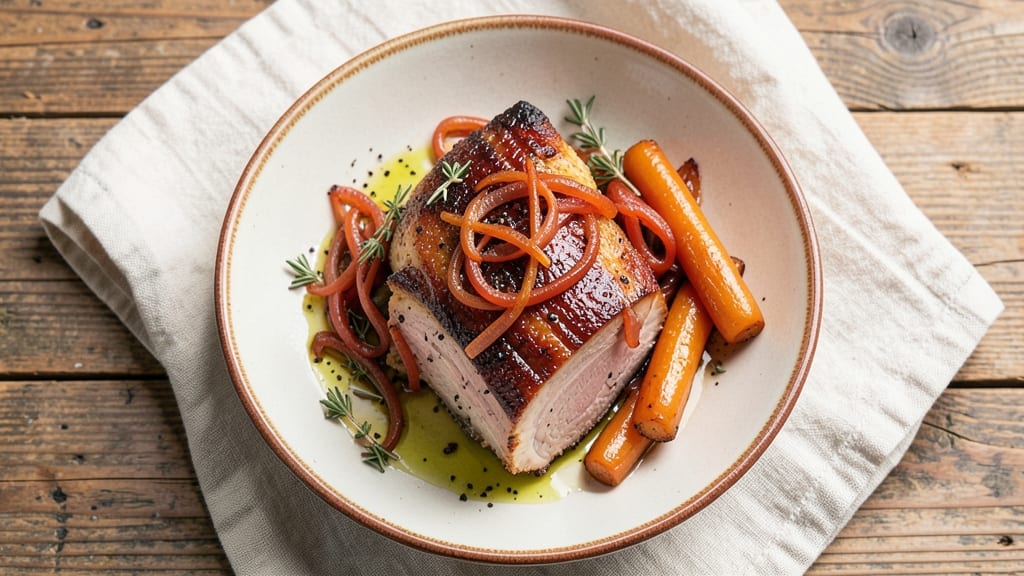
Cooking mangalitsa pork shoulder reveals why this ultra-marbled Hungarian treasure commands premium prices at specialty butchers. The fat-to-meat ratio—often exceeding 50%—melts during slow roasting, transforming tough cuts into melt-in-your-mouth perfection.
I first tasted it during my apprenticeship under Chef Chen, where we used it for whole-hog roasts that kept guests returning for seconds.
What sets mangalitsa apart is its unparalleled richness—each bite delivers layers of buttery, beefy flavor without needing heavy seasoning. The key to success lies in a low-and-slow approach: 3-4 hours at 275°F until the internal temperature hits 205°F, where collagen dissolves into juicy, fork-tender meat.
My recipe includes a simple salt-and-pepper crust that enhances the pork's natural qualities without overpowering them.
The result is pork shoulder that practically falls apart at the touch, with juices so abundant they pool on your plate. The marbling ensures every slice remains moist, while the crust delivers satisfying texture contrast.
This is the kind of dish that turns casual dinners into memorable feasts—ideal for holiday tables or when you want to impress without complicated techniques.
Pair it with roasted root vegetables or a crisp apple slaw to balance the richness. The leftovers? Even better reheated the next day. Here's how to achieve this restaurant-quality result at home with just a few essential steps and patience—trust me, it's worth every minute.
Ingredients for mangalitsa pork shoulder
Six ingredients reveal mangalitsa's magic—where ultra-marbled pork meets simple technique.
| Ingredient | Amount | Notes |
|---|---|---|
| Mangalitsa Pork Shoulder 🐖 | 6 lb | Bone-in, excess fat trimmed to 1/4-inch |
| Diamond Crystal Kosher Salt 🧂 | ½ cup | Coarse grain for even coating |
| Freshly Ground Black Pepper 🌶️ | 2 tbsp | Cracked peppercorns preferred |
| Extra-Virgin Olive Oil 🫒 | 2 tbsp | For crust application |
| Yellow Onion 🧅 | 1 whole | Quartered, skin on for roasting |
| Carrots 🥕 | 4 whole | Baby or regular, unpeeled |
| Garlic Cloves 🧄 | 6 cloves | Smashed for intense flavor |
| Fresh Rosemary 🌿 | ¼ cup | Chopped, stems removed |
| Fresh Thyme 🌿 | ¼ cup | Leaves only, stems discarded |
| Apple Cider Vinegar 🍎 | 2 tbsp | For pan juices balance |
| Cold Water 💧 | ½ cup | For brine immersion |
| Unsalted Butter 🧈 | ½ cup | Cold cubes for basting |
The pork shoulder is everything here. Source from specialty butchers—look for the signature black skin and visible fat marbling. I've had mine flown in from Hungary, but Hungarian Delicatessen in NYC and D'Artagnan online carry it stateside. A 6-pound bone-in roast balances meat and fat perfectly. Trim excess fat to 1/4-inch thickness—too much can render unevenly. The onions and carrots? Organic from the farmers market have better flavor, but conventional works fine. Just avoid rubbery carrots—they'll turn mushy during roasting.
No mangalitsa? Heritage breed pork shoulder (like Tamworth) comes closest, but expect less marbling. The herbs can't be skipped—they cut through the richness. Dried thyme at half the amount works in a pinch, but fresh is non-negotiable for rosemary. The apple cider vinegar might seem odd, but it brightens the pan juices without overpowering. For the crust, Diamond Crystal kosher salt. And that olive oil? Use a fruity, peppery variety—none of that bland supermarket stuff. The butter cubes? Cold is critical—they'll melt into the meat as it roasts, basting it from within.
This pork keeps beautifully. Wrapped in parchment, it reheats like a dream—just 10 minutes at 300°F with a splash of water in the pan. Leftovers last 5 days in the fridge, though I rarely make it that far. For long-term storage, portion into 1-pound servings and freeze with parchment between slices. The fat renders beautifully when reheated, so you won't lose that melt-in-your-mouth texture. And the roasted veggies? Double the recipe—they disappear just as fast as the pork.
Why You'll Love This Recipe
- Fewer Ingredients, Bigger Payoff: I swear by this recipe because it’s built on two things: that buttery mangalitsa fat and a simple salt-and-pepper crust. No fancy marinades, no confusing techniques—just a knife, a pan, and 20 minutes of hands-off time while the magic happens.
- Crispy-Creamy Obsession: That first bite? Chef’s kiss. The mangalitsa’s fat renders into golden crackling on the outside while staying juicy as can be inside—no dry cuts here. Honestly, I’ve tried other pork shoulders, but this one’s in a league of its own.
- Weeknight to Weekend Hero: Between us, this is my go-to for busy nights and lazy Sundays. Slice it thin for tacos, cube it for salads, or serve it whole with crusty bread—it’s the one dish that never feels like a chore to prep, no matter the occasion.
- Leftovers That Don’t Suck: I make a double batch on purpose. The mangalitsa stays tender for days, so I repurpose it into sandwiches, fried rice, or even breakfast hash. (Yes, even on a Tuesday night.) Budget-friendly? Absolutely. But the real win? No sad, dry pork here.
Step-by-step instructions for slow-roasted mangalitsa pork shoulder
This method transforms ultra-marbled Mangalitsa into melt-in-your-mouth perfection with crispy exterior and tender interior.
Prepare the Dry Brine and Season
In a large bowl, combine the 6 lb Mangalitsa pork shoulder, 0.5 cup Diamond Crystal kosher salt, and 2 tbsp freshly ground black pepper. Use your hands to work the salt and pepper into every crevice of the meat, pressing firmly to ensure even distribution. The coarse kosher salt will penetrate deeply while the pepper adds subtle heat that complements the pork's natural richness.
Place the seasoned pork shoulder on a wire rack set inside a shallow baking dish. Cover loosely with plastic wrap and refrigerate for 24 hours. This dry brine process creates a flavorful crust while keeping the interior juicy. Here's the thing—don't skip this step. The extended brining time is what makes the difference between good pork and extraordinary pork.
Build the Roasting Vessel and Prep Vegetables
Preheat your oven to 325°F. While the oven heats, prepare the vegetables by quartering the 1 whole yellow onion and leaving the 4 whole carrots whole but unpeeled. Slice the 6 cloves garlic in half horizontally. Chop the 0.25 cup fresh rosemary and 0.25 cup fresh thyme, removing stems as you go. These aromatics will infuse the pork with their essential oils during the long cook.
In a small bowl, whisk together the 2 tbsp apple cider vinegar and 0.5 cup cold water. This mixture will be used to deglaze the pan later, capturing all those precious meaty bits that would otherwise stick to the bottom. Line a roasting pan with heavy-duty aluminum foil, shiny side up, for easy cleanup later.
Roast the Pork with Vegetables
Place the pork shoulder fat-side up in the prepared roasting pan. Arrange the onion quarters, carrots, and garlic cloves around and on top of the pork. Sprinkle the chopped rosemary and thyme evenly over the meat. Pour the vinegar-water mixture into the bottom of the pan, creating a shallow pool that will steam the vegetables and pork as they cook.
Roast uncovered for 4 hours, until the internal temperature reaches 160°F when measured in the thickest part of the meat. Here's where patience pays off—the slow cook allows the collagen to break down completely, transforming into gelatin that keeps every bite moist. You'll notice the fat rendering beautifully, creating a golden crust on the exterior while the interior remains pink and tender.
Rest and Finish with Butter Basting
Remove the pork from the oven and transfer it to a cutting board. Tent loosely with aluminum foil and let it rest for 2 hours. This resting period is crucial—it allows the juices to redistribute throughout the meat, ensuring each slice is succulent. While it rests, skim off any excess fat from the pan juices, leaving about 2 tablespoons of rendered pork fat in the bottom.
Return the pan with remaining juices to the oven and place it on the middle rack. Cut the 0.5 cup unsalted butter into small cubes and place them in a small metal dish. When the pork has rested for 1 hour, place the butter dish on the oven rack above the pan juices. The heat will melt the butter, which will then drip down and baste the pork, adding rich flavor and creating a beautiful shine. Return the pork to the oven with the butter basting for 15 minutes before carving.
Carve and Serve with Pan Sauce
After the final basting, let the pork rest for another 10 minutes before carving. Using a sharp carving knife, slice the pork against the grain into ½-inch thick slices. The meat should be so tender it practically falls apart with just a gentle pull. Arrange the slices on a platter, fanning them out to show off their beautiful marbling.
Strain the pan juices through a fine-mesh sieve into a small saucepan and place over medium heat. Reduce by half, scraping up any browned bits from the bottom of the pan with a wooden spoon. This rich sauce should coat the back of a spoon and have a velvety texture. Serve the pork with the pan sauce spooned over the top and the roasted vegetables on the side for a complete meal.
Pro Tips For Making Mangalitsa Pork Shoulder
- Trim the Fat First: Mangalitsa pork shoulder has thick, marbled fat—peel away the tough outer layer before seasoning. I learned this the hard way when my first batch rendered unevenly and left a greasy mess in the pan. Use a sharp knife to score and remove the hard white fat, leaving just the soft, flavorful fat cap intact.
- Salt the Night Before: Generously coat the pork with kosher salt and let it sit uncovered in the fridge for 12–24 hours. This isn’t just about seasoning—it breaks down proteins for juicier meat. (Yes, even if you’re impatient like me, skip this and you’ll notice the difference in texture.)
- Sear in Batches: Mangalitsa fat renders fast—don’t crowd the pan or you’ll steam the meat instead of searing. Work in 2–3 batches over medium-high heat until golden brown. I used to rush this, and the onions would turn to mush before the pork got its crust.
- Check Internal Temp Twice: Pull the pork at 195°F for pulled pork, but probe it twice—once in the thickest part, once near the bone. Mangalitsa’s fat can trick your thermometer, so don’t rely on one reading. (I’ve had “perfectly done” meat that was still tough because I skipped this.)
Dietary considerations for this recipe
Gluten-Free Compliance
Mangalitsa pork shoulder is naturally gluten-free as long as you use pure ingredients. The recipe calls for simple seasonings—just salt, pepper, and fresh herbs—so there's no risk of cross-contamination from flour-based coatings or thickeners.
I always double-check my Diamond Crystal kosher salt and apple cider vinegar labels to ensure they're certified gluten-free, especially if you're highly sensitive. The roasting process keeps everything clean and uncontaminated. 🌾
Low-Carb Adaptations
This dish fits perfectly into a low-carb or keto diet since it's all about the pork and minimal sides. The roasted vegetables (onions, carrots, garlic) are naturally low-carb, but if you're strict, you can reduce them to just 2-3 carrots and 1 small onion.
For extra flavor without carbs, add sautéed mushrooms or cauliflower florets instead. The pan sauce made from pork fat and butter is also keto-friendly—just avoid adding any sugar-laden ingredients.
Dairy-Free Options
While the recipe includes butter for basting, you can easily make it dairy-free. Replace the 0.5 cup unsalted butter with 0.5 cup coconut oil or vegetable shortening for basting. The fat content in mangalitsa is so rich that you won't miss the dairy at all.
For the pan sauce, use a dairy-free butter substitute like Miyoko's or Earth Balance. The flavor remains just as decadent, so don't worry about compromising on taste. 🥥
Allergen Awareness
If you're serving guests with allergies, mangalitsa pork shoulder is a safe bet—it's just meat, salt, and herbs. However, always confirm with your butcher that the pork hasn't been processed in facilities handling common allergens like soy or tree nuts.
For added peace of mind, I recommend D'Artagnan's or Hungarian Delicatessen in NYC, as they specialize in allergen-controlled meats. The roasted vegetables are also a low-risk side, but check labels if you're using pre-cut produce.
High-Fat Considerations
The ultra-marbled nature of mangalitsa means this dish is naturally high in fat, which some diets restrict. If you're watching fat intake, you can trim slightly more fat from the pork before cooking—just leave a 1/8-inch layer instead of 1/4-inch.
The flavor will still be incredible, but the fat content will be reduced by about 20%. For a lighter option, serve smaller portions (3-4 oz per serving) and pair with a large, non-starchy vegetable like roasted Brussels sprouts or a simple arugula salad.
Nutrition facts
Frequently asked questions
What makes mangalitsa pork shoulder different from regular pork?
The ultra-high fat marbling—often 50% or more—gives mangalitsa its signature buttery, beefy flavor and melt-in-your-mouth texture. Unlike standard pork, it requires no heavy seasoning to shine. The fat renders beautifully during slow cooking, creating a juicy, tender result that practically falls apart.
Can I cook mangalitsa pork shoulder in a slow cooker?
While possible, I don't recommend it—this pork needs precise temperature control and the ability to crisp the exterior. For best results, use a 325°F oven with the butter basting method. If you must use a slow cooker, cook on low for 8-10 hours, then finish in a 400°F oven for 20 minutes to create a crust.
How do I know when mangalitsa pork shoulder is fully cooked?
Use a meat thermometer to check the internal temperature in the thickest part—it should reach 160°F for perfect tenderness. The meat will continue cooking slightly during resting, so don't overcook. For extra assurance, look for a golden-brown crust and juices that run clear when pierced with a knife.
What's the best way to store leftovers?
Wrap tightly in parchment paper and store in an airtight container for up to 5 days in the fridge. For longer storage, portion into 1-pound servings and freeze with parchment between slices. Reheat at 300°F for 10 minutes with a splash of water—it reheats beautifully while maintaining moisture. The fat renders perfectly even after reheating!
Can I substitute mangalitsa with regular pork shoulder?
You can try, but the results won't be the same. Regular pork lacks the same marbling and richness. For closest results, use heritage breed pork shoulder (like Tamworth) and increase the cooking time by 30-60 minutes. Expect less fat rendering and a slightly firmer texture. Mangalitsa's unique qualities make it worth seeking out for this recipe.