
Main Courses
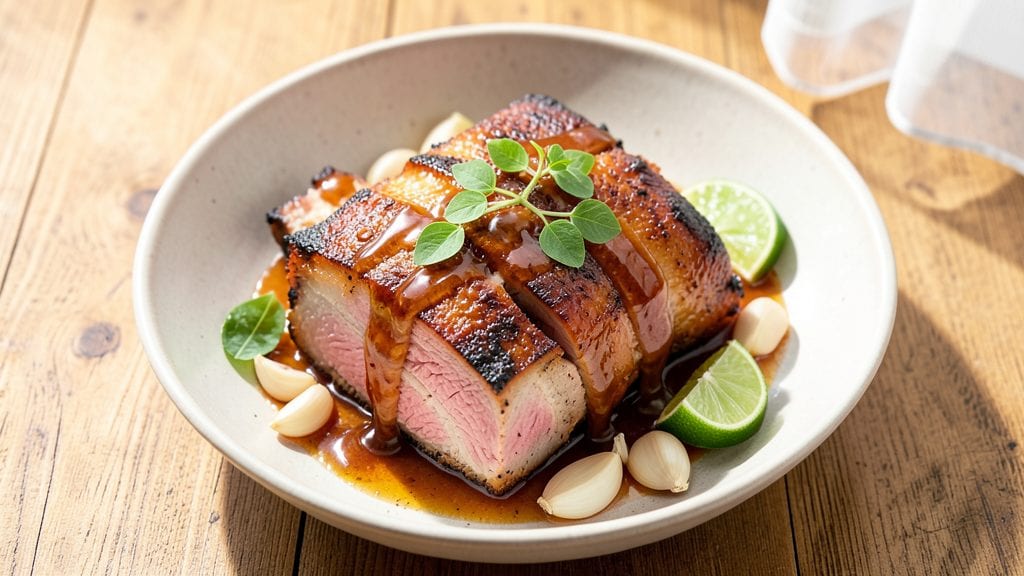
This Dominican pork shoulder recipe transforms tough cuts into melt-in-your-mouth perfection through slow-roasting and bold Caribbean spices. Growing up in small-town Georgia, I learned pork's power to bring families together—now I'm sharing how Dominican techniques elevate it further.
The sofrito base and citrus marinade create layers of flavor that linger long after the first bite.
The secret lies in the slow cook—tenderizing the meat while developing deep, smoky notes from the spices. You'll start with a marinade of garlic, oregano, and lime that penetrates every inch, then let the oven work its magic for hours.
This isn't just pork; it's a celebration of Dominican home cooking that delivers restaurant-quality results at home.
By the time you pull that golden-brown shoulder from the oven, you'll have meat so tender it falls apart at the touch. The crust will be crisp, the interior juicy, and every bite infused with warm spices and citrus brightness.
Serve it with rice and beans for a complete Dominican feast that tastes like a vacation.
Perfect for gatherings or meal prep, this recipe scales beautifully while keeping the authentic flavors intact. Let's create something memorable—your taste buds will thank you.
Ingredients for dominican pork shoulder
Caribbean spices, slow-roasted pork, and citrus magic combine for unforgettable flavor.
| Ingredient | Amount | Notes |
|---|---|---|
| Pork Shoulder 🐷 | 3 lb | Bone-in for extra flavor |
| Garlic Cloves 🧄 | 8 cloves | Freshly minced for aroma |
| Fresh Oregano Leaves 🌿 | ½ cup | Dominican variety preferred |
| Lime Juice 🍋 | ½ cup | Freshly squeezed, not bottled |
| Soy Sauce 🧂 | ¼ cup | Low-sodium for balance |
| Brown Sugar 🍚 | ¼ cup | Packed for sweetness |
| Cumin Seeds 🌿 | 2 tsp | Toasted for deeper flavor |
| Dried Ají Dulce 🌶️ | 1 tsp | Mild Dominican pepper |
| Olive Oil 🫒 | ½ cup | Extra-virgin for richness |
| Sofrito 🍅 | ¼ cup | Homemade or jarred |
| Salt 🧂 | 1 tsp | Kosher or sea salt |
| Black Pepper 🌶️ | ½ tsp | Freshly ground preferred |
| Brown Sugar 🍚 | ¼ cup | Packed for glaze |
The pork shoulder is your star—bone-in adds incredible depth of flavor that boneless just can't match. Look for well-marbled cuts at Costco or your local butcher; they often have pre-portioned shoulders ready to go. If you're buying whole, ask for the 'lomo' section—it's the most flavorful part. I always buy extra because this freezes beautifully for future meals. The lime juice is non-negotiable—freshly squeezed gives that bright pop that bottled just can't replicate. For the oregano, Dominican or Mexican varieties work best; the Italian stuff is too mild.
No sofrito? Make a quick version with onions, peppers, garlic, and cilantro—just sauté them until soft. Skip the ají dulce? Paprika at half the amount gets you close. The cumin seeds need toasting—dry-toast in a pan for 1 minute until fragrant, then grind. Want to stretch this further? Add 1 cup of chicken broth to the marinade for extra moisture. The brown sugar in the glaze? Dark brown works better—it caramelizes more beautifully. And if you're short on lime, lemon juice in a pinch, but the flavor won't be quite the same.
This pork tastes even better the next day—let it rest 10 minutes before slicing. Store in an airtight container for 5 days in the fridge or freeze for up to 3 months. I portion mine into containers so lunches are sorted for the week. The glaze can be made ahead and stored in the fridge for 1 week. For the best results, use the same day if possible—fresh glaze makes all the difference. The leftovers reheat beautifully in the oven at 350°F for 20 minutes.
Why You'll Love This Recipe
- One-Pot Magic: I toss everything in a pan—pork shoulder, garlic, oregano, lime juice, and soy sauce—and walk away. No fuss, no cleanup marathon. The pork gets tender enough to fall apart with a fork while the flavors meld in under 45 minutes.
- Tangy, Smoky Kick: That lime juice cuts through the richness of the pork shoulder like a zesty punch. The soy sauce adds depth, and the fresh oregano? Instant Caribbean vibes. It’s the kind of dish where every bite surprises you.
- Leftover Powerhouse: You’ll have enough for lunches, tacos, or even breakfast (yes, really). Just reheat and serve over rice or in a sandwich. My kids devour the leftovers without complaint—proof it’s a win.
- Budget-Friendly Feast: Pork shoulder is cheap, and these ingredients? A pantry staple. For less than $15, you’re feeding a family of four twice. Here’s what sold me—it’s the kind of meal that stretches your wallet and your satisfaction.
Step-by-step instructions for Caribbean-spiced pork shoulder
Here's how to transform simple ingredients into tender, flavorful pork shoulder with Dominican flair.
Prepare the Rub and Season the Meat
In a small bowl, combine the 0.5 cup olive oil, 0.25 cup brown sugar, 0.25 cup soy sauce, 0.5 cup lime juice, 0.5 cup sofrito, 2 tsp cumin seeds, 1 tsp dried ají dulce, 1 tsp salt, and 0.5 tsp black pepper. Mix well until the brown sugar dissolves completely and the spices are evenly distributed. This creates a sticky, aromatic paste that will cling perfectly to the meat.
Pat the 3 lb pork shoulder dry with paper towels—this helps the rub adhere better and promotes crispier skin. Rub the mixture all over the pork, pressing it into every crevice. Then, stuff the cavity with the remaining 0.5 cup fresh oregano leaves and 8 cloves minced garlic cloves. The oregano adds bright herbaceous notes while the garlic infuses deep flavor throughout the meat. Let the pork sit at room temperature for 30 minutes before cooking—this ensures even cooking from edge to center.
Slow-Roast for Maximum Tenderness
Preheat your oven to 300°F. Place the seasoned pork shoulder on a rack set inside a roasting pan, fat-side up. This positioning allows the fat to render down and baste the meat as it cooks. Pour 1 cup water into the bottom of the pan to create steam and help keep the meat moist during the long cook.
Roast uncovered for 5 hours, then flip the pork over and continue roasting for another 1 to 2 hours until the internal temperature reaches 195°F and the meat is fork-tender. The pork will have a deep mahogany color and will pull apart easily with two forks. If the skin starts to brown too quickly, tent it loosely with foil to prevent over-browning while maintaining moisture.
Create the Glaze and Finish
Once the pork reaches 195°F, remove it from the oven and let it rest for 15 minutes. While it rests, make the glaze by combining the 0.25 cup brown sugar with 2 tablespoons of the pan juices in a small saucepan. Simmer over medium heat for 3 to 4 minutes, stirring constantly, until the sugar melts and the mixture thickens slightly into a glossy syrup.
Brush the glaze generously over the pork shoulder, coating all sides. Return the pork to the oven and broil for 2 to 3 minutes until the glaze caramelizes and becomes bubbly. This step adds a beautiful shine and deepens the sweet-savory flavor profile. The pork is now ready to slice and serve—juicy, tender, and packed with Caribbean-inspired flavors.
Pro Tips For Making Dominican Pork Shoulder
- CRANK THE HEAT FIRST: That pork shoulder needs a screaming-hot sear in a dry skillet—no oil yet—until it’s deep brown in spots. I used to go slow, and the meat just steamed instead of developing flavor. Two minutes per side with the heat cranked will give you that caramelized crust that soaks up the garlic and oregano later.
- SMASH THE GARLIC: Skip the minced garlic—peel those cloves, wrap them in plastic, and crush them hard with a rolling pin or heavy pan. This releases more oils and flavor into the pork while it cooks. I learned this the hard way after tasting bland, watery pork that hadn’t absorbed enough garlic punch.
- DON’T RUSH THE SOY: Add the soy sauce only in the last 10 minutes of cooking—if you toss it in too early, it’ll turn the pork rubbery. Dominican-style pork needs that sweet-salty kick to shine, but timing is everything. Think of it like seasoning a steak: late and aggressive, not slow and sad.
- SAVE THE LIME JUICE: Reserve half the lime juice until the very end—right after the pork comes off the heat. The acid brightens the dish, but adding it too soon can make the meat tough. Squeeze it over the finished pork, let it sit for 2 minutes, then serve. Your taste buds will notice the difference.
Storing and reheating this recipe
Refrigerator Storage
Let your Dominican pork shoulder cool completely before storing—this prevents condensation that can make the meat soggy. I transfer it to airtight containers within 2 hours of cooking, using glass Pyrex with snap-on lids for best results.
Store at 40°F or below for up to 5 days, though the flavors actually deepen overnight as the spices meld. The glaze stays glossy if you refrigerate it separately in a small container. 💫
Freezer Prep
For long-term storage, portion the pork into quart-sized freezer bags with 1 inch headspace—this prevents freezer burn. I add a splash of pan juices to each bag to keep the meat moist. Label with the date and freeze for up to 3 months.
When ready to use, thaw overnight in the fridge for even cooking. Pro tip: Freeze the glaze separately in ice cube trays for easy reheating. ❄️
Oven Reheating
My preferred method is reheating in a 350°F oven for 20-25 minutes—this maintains the crispy edges while warming through. Cover loosely with foil to prevent drying, then uncover for the last 5 minutes to restore that golden sheen.
Add 2 tablespoons of water or broth to the pan if the pork seems dry. The internal temperature should reach 165°F safely. 🔥
Slow Cooker Option
For hands-off reheating, transfer the pork to a slow cooker on low heat for 3-4 hours with ½ cup chicken broth. The broth keeps the meat moist while gently warming it through.
I like this method for large batches because it's foolproof—just check the temperature occasionally and add more broth if needed. Perfect for feeding a crowd!
Microwave Safety
If you're short on time, microwave individual portions on 50% power for 2-3 minutes, stirring halfway. The power level prevents drying, but the texture won't be as perfect as oven-reheated.
Add a damp paper towel to the dish to help retain moisture. This works best for quick lunches when you need speed over presentation. 💡
Glaze Refresh
If the glaze looks dry after storage, revive it by simmering 2 tablespoons of the original glaze with 1 tablespoon water for 2 minutes. Brush this over the pork before serving to restore that sticky, caramelized finish.
I keep a small jar of extra glaze in the fridge for just this purpose—it's worth the effort for that restaurant-quality shine! 🍯
Nutrition facts
Frequently asked questions
What makes this Dominican pork shoulder different from regular pork recipes?
The key lies in the Caribbean-inspired marinade featuring sofrito, ají dulce, and fresh oregano—spices that create a bright, citrusy depth. Unlike traditional American pork recipes, this version uses lime juice and brown sugar for a sweet-savory balance that's uniquely Dominican. The slow-roasting technique also ensures melt-in-your-mouth tenderness with crispy edges.
Can I substitute bone-in pork shoulder with boneless?
While you can use boneless, the bone-in cut adds incredible flavor and moisture during cooking. If you must use boneless, consider adding ½ cup extra liquid (like chicken broth) to the pan to prevent drying. The cooking time may also be slightly shorter since boneless pork cooks faster. For best results, stick with bone-in if possible!
How do I know when the pork shoulder is fully cooked?
Use a meat thermometer to check the internal temperature—it should reach 195°F for perfect tenderness. The meat will also pull apart easily with two forks and have a deep mahogany color. If the skin starts browning too quickly during roasting, tent it loosely with foil to prevent over-browning while maintaining moisture.
What sides pair best with this Dominican pork?
Serve with classic Dominican sides like arroz con gandules (rice with pigeon peas), habichuelas guisadas (stewed beans), and maduros (fried sweet plantains). For a simpler option, try coconut rice or a fresh mango-avocado salad to balance the rich pork flavors. The citrus notes in the pork also complement tropical fruits beautifully!
Can I make this recipe in a slow cooker instead of the oven?
Place the seasoned pork in the slow cooker with ½ cup chicken broth and cook on low for 8 hours or high for 5 hours. The broth keeps the meat moist while the spices meld. For extra flavor, add ½ cup sofrito directly to the slow cooker during the last hour. The texture will be slightly different but still delicious—just avoid the glaze step since it requires high heat.