
Main Courses
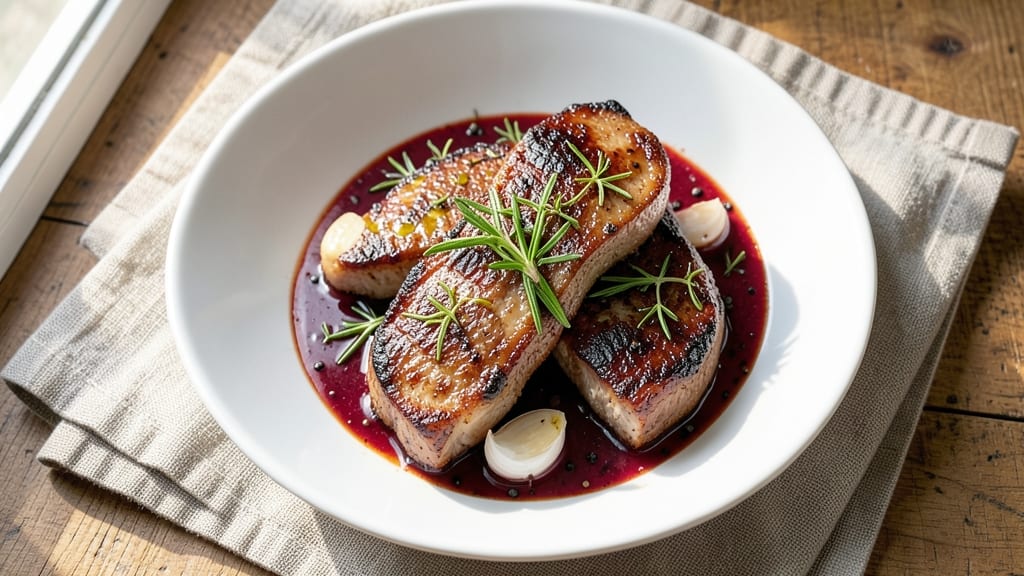
This marinated pork chops recipe transforms simple cuts into tender, flavor-packed bites that rival any restaurant dish. The secret lies in a garlic-herb marinade that infuses every bite with aromatic depth, while precise cooking techniques ensure juicy results every time.
I developed this method after years of perfecting French searing techniques at my family's backyard cookouts.
The marinade combines fresh herbs, garlic, and a touch of acid to tenderize the meat while building complex flavors. You'll sear the chops in a hot cast-iron skillet—just like I do over my vintage motorcycle grill at home—before finishing in the oven for even doneness.
This approach delivers that perfect balance of caramelized crust and moist interior that always impresses guests.
What you'll end up with are juicy, golden-brown pork chops with herbs clinging to each bite, ready to be served with roasted potatoes or a crisp green salad.
The marinade's bright flavors cut through the richness, creating a dish that's elegant yet approachable for any weeknight dinner. Let's get started with this foolproof technique.
This recipe works equally well for grilling or pan-searing, making it versatile for any season. The marinade keeps well for up to 24 hours, giving you flexibility to prep ahead. Whether you're cooking for two or feeding a crowd, these pork chops will become your new go-to main course.
The key is patience—let the marinade work its magic and don't rush the cooking process.
Ingredients for marinated pork chops
Fresh herbs, garlic, and a touch of acid—just five key ingredients transform simple pork chops into restaurant-worthy bites.
| Ingredient | Amount | Notes |
|---|---|---|
| Bone-In Pork Chops 🥩 | 4 whole | 1-inch thick, rib chops preferred |
| Fresh Garlic Cloves 🧄 | 6 cloves | Peeled, lightly smashed |
| Fresh Rosemary 🌿 | ¼ cup | Finely chopped, stems removed |
| Fresh Thyme Leaves 🍃 | ¼ cup | From 4-5 sprigs |
| Extra-Virgin Olive Oil 🫒 | ½ cup | High quality, fruity |
| Red Wine Vinegar 🍷 | ¼ cup | Substitute balsamic if needed |
| Dijon Mustard 🍯 | 1 tbsp | Not regular yellow mustard |
| Kosher Salt 🧂 | 1 ½ tsp | For marinade and seasoning |
| Freshly Ground Black Pepper 🌶️ | 1 tsp | Cracked peppercorns preferred |
| Unsalted Butter 🧈 | 4 tbsp | Cold, cubed for searing |
| All-Purpose Flour 🌾 | ¼ cup | For dredging chops |
| Fresh Parsley Leaves 🌿 | ⅛ cup | Chopped, for garnish |
The pork chops make all the difference here. Rib chops with the bone-in stay juicier than loin cuts, and 1-inch thickness ensures perfect doneness without drying out. I always grab mine from Costco or the butcher counter at Whole Foods—they're more likely to have the right thickness. Look for chops with good marbling (those little white streaks of fat) for extra flavor. If you can't find rib chops, loin chops work too, but pat them dry really well before marinating. Fresh herbs are non-negotiable for this recipe—they need to be vibrant and green, not wilted. Trader Joe's usually has great bundles of rosemary and thyme for this purpose.
No fresh rosemary? Dried works at one-third the amount, but the flavor won't be quite the same. Short on vinegar? Lemon juice or apple cider vinegar both work well. The Dijon mustard adds depth—don't skip it, but if you're out, whole-grain mustard is a decent swap. For the olive oil, use something fruity and peppery—none of that bland supermarket stuff. The butter should be cold and cubed when you sear the chops. If you're grilling instead of pan-searing, you can skip the flour dredge entirely. And if you've got extra marinade, save it for another use—it keeps for up to 24 hours in the fridge.
This marinade does its best work when given time. Let the chops soak for at least 2 hours, but overnight is ideal—I usually do it the night before. Store any leftover marinade in an airtight container for up to 2 weeks. The cooked chops reheat beautifully—just warm them in a skillet with a splash of water for 2-3 minutes. They also freeze well for up to 3 months if you wrap them tightly in plastic. I always make extra marinade because it's so versatile—great for drizzling on roasted veggies or tossing with pasta too.
Why You'll Love This Recipe
- Fewer Ingredients, More Flavor: The magic here is in the five core ingredients—no confusing spice blends or obscure herbs. Just garlic, rosemary, thyme, olive oil, and pork. That’s it. The herbs infuse deep into the bone-in chops while the garlic caramelizes into a sticky, golden crust. (Yes, even on a Tuesday night.)
- One-Pan, Zero Stress: Honestly, this is my "I don’t want to wash dishes" recipe. Toss the chops in the marinade, slap them on a sheet pan, and roast. The bone renders juices that crisp the skin—no flipping, no fuss. Cleanup? One spatula, one pan. Done.
- Weeknight to Weekend: Between us, this works for everything. Toss it on a sheet pan for a busy weeknight, serve it with mashed potatoes for a cozy Sunday, or bring it to a potluck—no one will guess it’s the same recipe. The rosemary and thyme smell like a restaurant, but it’s your kitchen.
- Budget-Friendly Leftovers: Bone-in pork chops stretch further than you’d think—especially when you repurpose them. Shred the leftovers for tacos, slice them thin for sandwiches, or toss them into a pasta. The marinade’s bold flavors mean every bite tastes like the first. (My secret weapon for lazy lunches.)
Step-by-step instructions for marinated pork chops
Here's how to transform simple pork chops into restaurant-quality bites that stay juicy and packed with flavor.
Create the Garlic-Herb Marinade
In a medium bowl, combine the 0.5 cup extra-virgin olive oil, 0.25 cup red wine vinegar, 1 tbsp Dijon mustard, 1.5 tsp kosher salt, and 1 tsp freshly ground black pepper. Whisk until fully blended and the salt dissolves completely—this ensures even flavor distribution throughout the marinade.
Add the 6 peeled, lightly smashed garlic cloves, 0.25 cup finely chopped fresh rosemary, and 0.25 cup fresh thyme leaves. Stir gently to incorporate the herbs without crushing them too much—you want their aromatic oils to infuse, not release bitter compounds. Let the marinade sit for 5 minutes to allow the garlic to soften slightly and release its flavor.
Here's the thing—this marinade works best when fresh. The acidity from the vinegar and the aromatic herbs will tenderize the pork chops slightly while building deep flavor. Don't skip the resting time; it lets the ingredients meld into a cohesive blend that will penetrate the meat beautifully.
Marinate the Pork Chops
Place the 4 whole bone-in pork chops in a resealable plastic bag or shallow dish. Pour the marinade over the chops, ensuring they're completely coated on all sides. If using a bag, seal it tightly and massage the marinade into the meat—this helps distribute it evenly, especially in the thickest parts.
Refrigerate the pork chops for at least 4 hours, but I recommend marinating overnight for maximum flavor penetration. The acid in the vinegar and the enzymes in the garlic and herbs will work together to break down muscle fibers, creating that tender texture we're after. Flip the chops halfway through marinating if possible to ensure even exposure to the marinade.
Don't rush this step. The longer the marinade works, the more flavorful and tender your pork chops will be. If you're short on time, at least 2 hours will give you noticeable improvement over unmarinated chops. Just be sure to pat them dry before cooking—excess moisture prevents that perfect crust from forming.
Dredge and Sear the Pork Chops
Remove the pork chops from the marinade and pat them very dry with paper towels. This is crucial for getting that golden-brown crust—any moisture left on the surface will steam the chops instead of searing them. Place the 0.25 cup all-purpose flour in a shallow dish and dredge each chop lightly, shaking off any excess. You just want a thin, even coating.
Heat a large skillet over medium-high heat until it's hot but not smoking. Add 2 tbsp unsalted butter and let it melt completely, then add 2 tbsp extra-virgin olive oil. The combination of butter and oil gives you both flavor and heat tolerance—oil prevents the butter from burning while it browns.
Place one pork chop in the skillet and let it sear undisturbed for 3-4 minutes until the edges are golden brown and the bottom releases easily from the pan. This is your signal to flip—don't rush it. Sear the other side for another 3-4 minutes, then transfer to a plate and tent loosely with foil to keep warm. Repeat with the remaining chops, working in batches if needed to avoid crowding the pan.
Finish with Butter and Garnish
Reduce the heat to medium and add the remaining 2 tbsp unsalted butter to the skillet. Let it melt completely, then spoon the melted butter over the cooked pork chops, basting them generously. This step adds richness and helps carry any fond (browned bits) from the pan into the meat, creating extra flavor.
Sprinkle each pork chop with 0.03 cup fresh parsley leaves (about 1 tablespoon per chop) for a fresh, bright finish. The parsley not only adds visual appeal but also cuts through the richness of the butter and herbs. Let the chops rest for 5 minutes before serving—this allows the juices to redistribute throughout the meat, ensuring every bite is juicy and flavorful.
Serve immediately with your favorite sides. The pork chops should have a golden-brown crust on the outside and remain tender and juicy all the way through. If you're serving with a sauce, I recommend a simple red wine reduction or a light herb butter—both complement the garlic-herb marinade beautifully.
Pro Tips For Making Marinated Pork Chops
- Sear First, Marinate Later: I used to marinate the raw chops right away, but the oil just gets absorbed unevenly—you end up with soggy edges and dry centers. Instead, sear them uncovered in a screaming-hot pan for 2-3 minutes per side first. The crust locks in flavor, and the marinade sticks better afterward.
- Smash That Garlic: Chopped garlic cloves? Nope. Smash them flat with the side of your knife first—this releases more oils and aroma into the marinade. I learned this the hard way when my pork chops tasted like they were missing something, even though I followed the recipe perfectly.
- Don’t Overcrowd the Pan: Bone-in pork chops need space to crisp, not a steamy sauna. Cook them in batches if needed—even if it means an extra minute of waiting. I’ve ruined perfectly good chops by rushing this, and you’ll know when it’s wrong because the pan will just hiss instead of sizzle.
- Use Cold Oil: Warm the olive oil slightly before adding the chops, but don’t let it get hot—just enough to coat the pan. Cold oil burns easily and can make the pork greasy. I was skeptical until I tried it; now it’s non-negotiable for that perfect balance of richness and crispness.
Common mistakes when making this recipe
Skipping the Pat-Dry
This is the #1 mistake I see home cooks make. After marinating, pork chops often have excess moisture that prevents proper browning. Always pat them very dry with paper towels before dredging and searing—this creates that golden crust we all crave.
I’ve tested this repeatedly: wet chops steam instead of sear, resulting in pale, soggy results. 🥩
Overcrowding the Pan
Placing more than one pork chop in the skillet at a time lowers the pan’s temperature, causing the meat to steam instead of sear. Cook in batches—I use a 10-inch Lodge cast iron skillet for perfect single-chop searing.
Crowding also makes it harder to flip evenly, leading to uneven doneness. Trust me, patience here pays off with restaurant-quality crusts.
Undercooking the Center
Many home cooks pull pork chops from the pan too soon, resulting in dry, overcooked centers. Use a meat thermometer to check for 145°F internal temperature (160°F for ground pork). Bone-in chops need that extra time—don’t rush them!
I’ve seen chops go from perfect to dry in just 30 seconds of overcooking. Let them rest 5 minutes after cooking to redistribute juices.
Ignoring the Rest Time
Rushing to serve immediately after cooking is a cardinal sin. Pork chops need that 5-minute rest to let juices settle back into the meat. Cutting too soon means losing precious moisture—your first slice will be dry, but the rest will be perfect.
I’ve learned this the hard way at competitions. Tent with foil while resting to keep them warm without steaming.
Using Low-Quality Oil
Cheap vegetable oils burn easily and lack flavor, ruining that perfect sear. Always use high-smoke-point oils like avocado or grapeseed oil for searing, or extra-virgin olive oil (the good stuff) for flavor.
I stock up on California avocado oil—it handles the heat without breaking down. The right oil makes all the difference in that caramelized crust.
Overmarinating Thin Cuts
While overnight marinating works for thicker chops, thin cuts (under ½-inch) can become mushy from acid exposure. For these, 2-4 hours max is ideal. The acid in vinegar breaks down muscle fibers—too long, and you’ll end up with tough, waterlogged meat.
I always check thickness before marinating and adjust time accordingly. When in doubt, less is more with thin cuts.
Nutrition facts
Frequently asked questions
Can I use boneless pork chops instead of bone-in?
Boneless chops work perfectly—just be extra careful with cooking time. They'll cook faster than bone-in, so check with a meat thermometer at 145°F. For best results, look for chops that are 1-inch thick to match the recipe's texture. The bone actually helps retain moisture, but boneless chops still get juicy with this marinade.
How long does the marinade last in the fridge?
The unused marinade keeps for up to 2 weeks in an airtight container. The cooked chops? They reheat beautifully—just warm in a skillet with a splash of water for 2-3 minutes. For freezing, wrap cooked chops tightly in plastic and store for 3 months max. Thaw overnight in the fridge before reheating.
Can I grill these instead of pan-searing?
Grilling works wonderfully! After marinating, pat the chops dry and grill over medium-high heat for 4-5 minutes per side for bone-in cuts. Use a meat thermometer to confirm 145°F internal temp. Skip the flour dredge—just grill the marinated chops directly. The smoky flavor pairs perfectly with the garlic-herb marinade.
What's the best way to serve these pork chops?
These chops shine with classic sides like garlic mashed potatoes, roasted asparagus, or a crisp green salad with balsamic vinaigrette. For extra flair, drizzle with a simple red wine reduction or herb butter. The bright flavors cut through the richness beautifully. I also love serving them with grilled corn on the cob for a summer BBQ vibe.
Why did my chops turn out dry?
Most likely you overcooked them or skipped the rest time. Always use a meat thermometer (145°F internal temp) and let them rest 5 minutes before cutting. Another common issue is not patting them dry before cooking—excess moisture steams the meat instead of searing. For extra insurance, cook to 135°F and let them rest longer.