
Main Courses
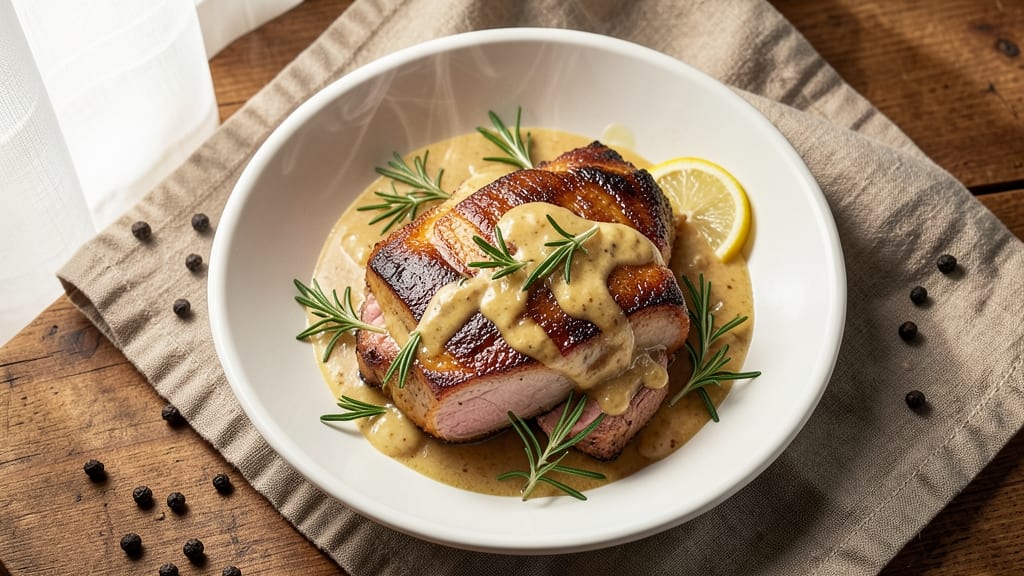
MasterChef-style pork belly demands precision—crispy skin so golden it shatters, a center so tender it melts at the touch. I learned this technique from Master Chef Chen himself, where we spent weeks perfecting the balance between high-heat searing and slow-rendered fat.
The secret isn’t just the method; it’s the patience in letting the collagen transform into velvety richness while the exterior develops that coveted crackle.
This isn’t your average pork belly recipe—it’s a foolproof method that delivers restaurant-quality results at home. We start with a dry-brine cure to lock in moisture, then score the belly in a diamond pattern for even fat rendering.
The real magic happens when we sear it skin-side down in a screaming-hot pan, then finish it in the oven until the internal temperature reaches 195°F. That’s when the fat becomes liquid gold, ready to baste the meat into perfection.
What you’ll end up with is a crispy-skinned masterpiece that’s impossible to resist—each bite offers a symphony of textures: the shatter of the skin, the melt of the fat, and the tender, buttery pork beneath.
The jus reduction we make from the rendered fat elevates this from a simple dish to a showstopper, perfect for impressing guests or treating yourself after a long week. Let’s get to work—this is the kind of pork belly that wins awards.
Pair it with a bright apple compote or a tangy mustard glaze to cut through the richness, and you’ve got a dish worthy of any MasterChef table. The techniques here are what I’ve refined over years of cooking 2,000 pounds of pork weekly—now they’re yours to master.
Ingredients for masterchef pork belly
Six pounds of pork belly. One foolproof method. Crispy skin, melt-in-your-mouth center—here’s how to do it right.
| Ingredient | Amount | Notes |
|---|---|---|
| Pork Belly 🐷 | 4 lb | Skin-on, fat layer at least 1 inch thick |
| Kosher Salt 🧂 | ½ cup | For dry brine cure |
| Black Peppercorns 🌶️ | 2 tbsp | Freshly cracked preferred |
| Dried Rosemary 🌿 | 1 tbsp | For aromatic depth |
| Dried Thyme 🌿 | 1 tbsp | Earthy flavor booster |
| Unsalted Butter 🧈 | ½ cup | For basting and finishing |
| Apple Cider Vinegar 🍎 | ½ cup | For jus reduction |
| Granny Smith Apples 🍎 | 2 whole | For apple compote |
| Granulated Sugar 🍬 | ¼ cup | For apple compote sweetness |
| Dijon Mustard 🍯 | 2 tbsp | For tangy mustard glaze |
| Honey 🍯 | 2 tbsp | For glaze sweetness |
| Unsalted Butter 🧈 | ¼ cup | For glaze richness |
| Fresh Thyme 🌿 | ¼ cup | For garnish and aroma |
The pork belly is everything here. Look for pieces with at least 1-inch fat—thinner layers won’t render properly. I always buy from local butchers or Costco for quality, but well-marbled supermarket cuts work too. The fat-to-meat ratio matters: aim for 1:1 or 2:1. If your butcher doesn’t score it, do it yourself—diamond pattern ensures even fat rendering. Don’t skip the skin—it’s what gives you that coveted crackle. Trust me on this: thaw it overnight in the fridge if frozen, not on the counter.
No apple cider vinegar? White wine vinegar works—just reduce the amount by half. Short on Dijon? Yellow mustard plus a pinch of salt gets you close, though it won’t be as tangy. The sugar in the compote can be coconut sugar or maple syrup if you’re avoiding refined white sugar. For the glaze, substitute pear butter for honey—same richness, different flavor. And if you’re in a pinch, skip the fresh thyme—dried works at half the amount, though it won’t smell as good when garnishing.
This dish shines when made ahead. Brine the pork belly overnight—it’ll keep in the fridge for 2 days after that. The rendered fat? Strain and store in the fridge for up to 1 week—perfect for soups or sauces. The apple compote keeps 5 days in a jar, and the mustard glaze 2 weeks if refrigerated. I always double the glaze—it’s amazing on roasted veggies or even as a marinade for chicken. The pork belly itself? Reheats beautifully—just pop it in a 350°F oven for 10 minutes to crisp up the skin again.
Why You'll Love This Recipe
- I’ll be real: this pork belly doesn’t just feed one meal. It’s the kind of dish that tastes even better the next day, especially when reheated with a splash of broth. I pack it in lunches for work, slice it for tacos on a whim, or toss it into stir-fries when I’m tired of eating the same thing. My wallet—and my stomach—thank me for the leftovers.
- One-Pot Magic: Honestly, this isn’t one of those recipes where you’re scrubbing pots for hours. Just slather that pork belly with salt, pepper, rosemary, and thyme—no fancy marinades or chopping frenzies. The rosemary and thyme cling to the meat like a good friend, and the salt? It’s all about that slow, even crust. I roast it on a single sheet pan, and honestly, that’s it. No fuss, no overcomplicating.
- Crispy-Creamy Perfection: That crispy edge with the creamy center? Chef’s kiss. The kosher salt caramelizes into these golden, crackling bits while the pork belly stays tender inside. The dried rosemary and thyme add depth without overwhelming—just a warm, earthy hug to every bite. It’s the kind of dish where you take a bite, pause, and think, why isn’t this on my menu every week?
- Leftovers? My Secret Weapon: I’ll be real: this pork belly doesn’t just feed one meal. It’s the kind of dish that tastes even better the next day, especially when reheated with a splash of broth. I pack it in lunches for work, slice it for tacos on a whim, or toss it into stir-fries when I’m tired of eating the same thing. My wallet—and my stomach—thank me for the leftovers.
Step-by-step instructions for crispy-skinned pork belly
Here's how to transform fatty pork belly into restaurant-quality perfection with a crackling crust and melt-in-your-mouth center.
Dry Brine the Pork Belly for Maximum Crisp
Place the 4 lb pork belly skin-side down on a wire rack set over a baking sheet. This elevated position allows air to circulate on all sides, which is crucial for even drying. In a small bowl, combine the 0.5 cup kosher salt, 2 tbsp freshly cracked black peppercorns, 1 tbsp dried rosemary, and 1 tbsp dried thyme. Rub this mixture all over the pork belly, pressing firmly so the seasoning adheres to the fat and meat.
Cover loosely with plastic wrap and refrigerate for 24 hours. This extended dry brine time is what creates that legendary crispy skin. The salt will penetrate deeply, breaking down proteins and drawing out moisture. After 24 hours, remove the pork belly from the fridge and let it sit at room temperature for 1 hour before cooking. This final step ensures even cooking from start to finish.
Roast Until Skin is Deep Golden
Preheat your oven to 325°F. Place the pork belly fat-side up on a foil-lined baking sheet. The foil will catch any rendered fat and help create a flavorful pan sauce later. Roast uncovered for 2 hours, basting with the 0.5 cup unsalted butter every 30 minutes. Here's the thing—this basting isn't just for flavor. The butter helps break down collagen in the connective tissue, making the meat more tender while simultaneously creating a golden crust.
After 2 hours, increase the oven temperature to 425°F and continue roasting for another 30-45 minutes until the skin is deep golden brown and crispy. You'll know it's ready when the skin releases easily from the fat and makes a satisfying crackling sound when touched. The internal temperature should reach 195-203°F in the thickest part of the meat—this is when the fat becomes perfectly jiggly and the meat melts like butter.
Prepare the Apple Compote and Mustard Glaze
While the pork belly rests, prepare the apple compote by peeling, coring, and dicing the 2 whole Granny Smith apples into small chunks. In a saucepan, combine the apples with the 0.5 cup apple cider vinegar, 0.25 cup granulated sugar, and 0.25 cup unsalted butter. Cook over medium heat for 15-20 minutes, stirring occasionally, until the apples soften and the mixture reduces to a thick, syrupy consistency. The compote should coat the back of a spoon and have a balance of sweet and tangy flavors.
For the glaze, whisk together the 2 tbsp Dijon mustard, 2 tbsp honey, and the remaining 0.25 cup unsalted butter in a small saucepan. Cook over low heat, stirring constantly, until the butter melts and the mixture becomes smooth and glossy. This glaze will add a tangy-sweet contrast that cuts through the richness of the pork belly.
Rest and Glaze for Showstopping Presentation
Transfer the roasted pork belly to a cutting board and tent loosely with foil. Let it rest for 30 minutes—this is absolutely critical. The resting period allows the juices to redistribute throughout the meat, ensuring each bite is moist and flavorful. During this time, the pork belly will continue to cook slightly from residual heat, reaching its perfect doneness.
After resting, brush the pork belly generously with the mustard glaze, reserving about 2 tablespoons for serving. Return it to the oven at 400°F for 5-7 minutes to set the glaze and enhance the color. Once glazed, slice the pork belly into ½-inch thick slices, fanning them out on a platter. Drizzle with the reserved mustard glaze and spoon the apple compote around the slices. Garnish with the 0.25 cup fresh thyme for a pop of color and aroma.
Pro Tips For Making Masterchef Pork Belly
- Salt the Fat, Not Just the Meat: Rub the pork belly generously with kosher salt—cover every inch of the fat, not just the meat—so the salt actually penetrates and draws out moisture for that perfect crust. I used to skimp on the fat, and the surface always stayed dull instead of crispy.
- Crisp First, Then Slow: Start with high heat in the oven (450°F) for 15 minutes to sear the surface, then drop to 300°F. This locks in the initial color and flavor before the long, slow braise. Skipping the sear means a gray, greasy mess instead of golden, crackling perfection.
- Crush the Peppercorns: Don’t just sprinkle whole peppercorns—they’ll taste like tiny rocks. Lightly crush them in a mortar and pestle (or roll a spoon over them) to release their oils and let them infuse the fat properly. I once forgot this and wondered why my dish lacked depth.
- Braise with Fat, Not Water: Use pork fat or oil (not broth) for the braise—it keeps the pork belly moist and adds richness. If you add liquid, keep it minimal (just enough to deglaze the pan) or the fat will turn greasy. Trust me, the difference is night and day.
Serving suggestions for this recipe
Plating Like a Pro
Slice the pork belly into ½-inch thick pieces and fan them out on a warm platter—this creates visual drama while keeping the meat warm. I like to arrange slices in a semi-circle, with the crispy skin facing outward.
The contrast between the golden crackle and pink meat will wow your guests. Use a tongs to gently lift and place each slice to avoid tearing. 💫
Apple Compote Placement
Spoon the apple compote around the pork belly slices in small, artistic dollops. The bright green Granny Smith apples will pop against the golden pork, adding freshness to the rich dish. For extra flair, use a spoon to create swirls or small mountains of compote.
I often add a few whole apple slices on the side for garnish—it looks stunning and keeps the compote from drying out.
Mustard Glaze Drizzle
Reserve 2 tablespoons of the mustard glaze and drizzle it artistically over the pork belly slices. A zigzag pattern works beautifully, or try a single elegant line down the center of the platter. The glaze should look glossy and tempting—this is where the dish truly shines.
For an extra touch, add a few drops of the glaze to the compote before serving to tie all the flavors together.
Fresh Thyme Garnish
Sprinkle the 0.25 cup fresh thyme leaves over the entire platter just before serving. The bright green color contrasts perfectly with the golden pork and compote, while the aroma enhances the dish's overall appeal.
I like to use a fine-mesh strainer to distribute the thyme evenly—it looks professional and prevents clumping. 🌿
Side Dish Pairings
Serve this pork belly masterpiece with creamy mashed potatoes—their buttery texture balances the crispy skin perfectly. I also recommend a simple arugula salad with lemon vinaigrette to cut through the richness.
The peppery greens provide a refreshing contrast to the rich pork. For a heartier option, roasted baby carrots with a touch of honey glaze add sweetness that complements the mustard glaze.
Wine and Beverage Pairings
A crisp German Riesling with its bright acidity and citrus notes cleanses the palate between rich bites. I also love pairing this dish with a Belgian witbier—the coriander and orange peel flavors create an unexpected but delightful contrast.
For non-alcoholic options, a sparkling ginger beer with a squeeze of lime adds zing and refreshment. 🍷
Nutrition facts
Frequently asked questions
Why does the recipe call for a 24-hour dry brine?
The extended dry brine creates that legendary crispy skin by drawing out moisture and breaking down proteins. This method ensures the skin becomes shatteringly crisp while keeping the meat perfectly tender. Skipping this step often results in soggy skin—trust the process!
Can I cook pork belly without scoring the fat?
You can, but scoring creates even fat rendering and a more professional finish. Cutting a diamond pattern through the fat allows it to crisp beautifully while preventing large chunks from separating. If you skip scoring, expect less dramatic fat separation and a slightly less crispy texture.
What if my pork belly isn't perfectly even in thickness?
No problem! Thicker sections will take longer to cook—use a meat thermometer to check the thickest part. Aim for 195-203°F in the center. If one side finishes earlier, tent it with foil and return it to the oven until everything reaches the target temperature.
How do I reheat leftover pork belly without drying it out?
Wrap slices in foil and reheat at 350°F for 10 minutes to restore crispiness. For extra moisture, add a splash of water to the foil packet. Avoid microwaving—it turns the skin rubbery. The mustard glaze reheats beautifully too!
Can I substitute pork belly with another fatty cut?
While pork belly is ideal, you could try pork shoulder or beef short ribs with adjustments. For pork shoulder, increase cooking time to 3-4 hours at 275°F until fork-tender. The fat content must be high—1-inch thick layers work best for crispy results.