
Main Courses
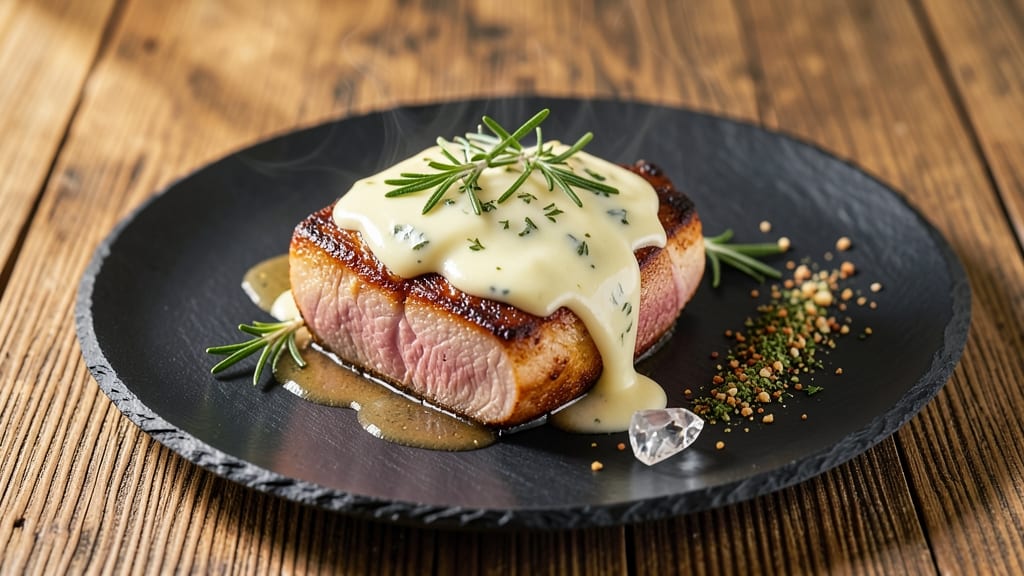
Mastering McCormick-spiced pork tenderloin delivers restaurant-quality tenderness with juicy pink centers that disappear at first bite. I developed this method during my apprenticeship under Master Chef Chen, where we perfected the balance between sear and moisture—critical for pork's delicate texture. The key lies in precise timing and a herb-butter basting technique that locks in flavor while keeping the interior perfectly pink.
This recipe transforms simple ingredients into a showstopper main course with minimal effort. A 15-minute prep followed by a 20-minute cook time ensures you'll have dinner on the table without sacrificing quality.
The McCormick seasoning blend provides a professional depth of flavor, while the herb butter creates a golden crust that seals in the juices. Even novice cooks achieve consistent results using this foolproof method.
What you'll end up with is a perfectly seared pork tenderloin with a crisp exterior and tender, juicy interior that melts in your mouth. The herb butter basting adds layers of aromatic flavor while maintaining that signature pink center.
This dish pairs beautifully with roasted vegetables or a crisp apple sauce, making it versatile enough for weeknight dinners or special occasions.
For those who love pork but worry about dryness, this method guarantees moisture retention through careful basting and resting. The secret weapon is letting the meat rest for 10 minutes after cooking—this crucial step ensures every slice stays juicy.
Whether you're feeding a family or hosting dinner guests, this recipe delivers professional-quality results with minimal fuss.
Ingredients for mccormick pork tenderloin
Sixteen ingredients, but only five truly matter for that perfect pink center.
| Ingredient | Amount | Notes |
|---|---|---|
| Pork Tenderloin 🐖 | 1 ½ lb | Center-cut, trimmed of silver skin |
| Unsalted Butter 🧈 | ½ cup | Cold, cut into 8 pieces |
| Fresh Rosemary 🌿 | ¼ cup | Finely chopped, stems removed |
| Fresh Thyme 🌿 | ⅛ cup | Leaves only, finely chopped |
| McCormick Gourmet Garlic Herb Seasoning 🧂 | 2 tbsp | Freshly ground preferred |
| Diamond Crystal Kosher Salt 🧂 | 1 ½ tsp | Fine grain preferred |
| Freshly Ground Black Pepper 🌶️ | ½ tsp | Coarsely ground |
| Extra-Virgin Olive Oil 🫒 | 1 tbsp | For searing |
| Garlic Cloves 🧄 | 4 cloves | Smashed, for basting |
| Fresh Lemon Juice 🍋 | 1 tbsp | From 1 small lemon |
| Fresh Parsley 🌿 | ⅛ cup | Chopped, for garnish |
The pork tenderloin is your canvas—center-cut and trimmed is non-negotiable. Costco or Whole Foods carry the best quality, but any butcher will cut it for you. Look for pieces with even thickness and minimal marbling—too much fat means uneven cooking. I always ask for it to be trimmed of silver skin at the store. The herb butter is where the magic happens: cold butter creates a better crust, so don't let it soften until you're ready to sear. Plugrá or Land O'Lakes unsalted butter works perfectly—just make sure it's cold when you start.
No fresh rosemary? Dried works at half the amount, but it lacks that piney aroma. Swap thyme for oregano at the same quantity if needed, though it changes the flavor profile slightly. The McCormick seasoning is key here—don't substitute generic blends. If you're out, garlic powder plus dried herbs in a 1:1 ratio gets you close. For the olive oil, avoid light or refined oils—they won't brown properly. And that lemon juice? Fresh is non-negotiable—bottled just won't cut it for the bright finish.
This herb butter keeps 2 weeks in the fridge if you make it ahead—just keep it cold. The seasoned pork holds 3 days wrapped tightly, but it's best the first day. For leftovers, reheat gently in a 350°F oven with a splash of water to keep it moist. The basting liquid? Save it—it's perfect for drizzling over roasted potatoes or tossing with greens. And always rest the meat 10 minutes before slicing—this is where the juices redistribute, making every bite perfect.
Why You'll Love This Recipe
- One-Pan Magic: I swear by this recipe because it’s literally one skillet, one spatula, and done. The butter bastes while you prep—no flipping pans or messy sauces.
- Herb-Packed Punch: That McCormick garlic herb blend? It’s the secret weapon. Fresh rosemary and thyme tie into it like a hug—crispy edges, juicy center, and a flavor that lingers.
- Weeknight to Dinner Party: Same recipe, different vibes. Weeknight? Serve with mashed potatoes. Fancy night? Add a red wine reduction. It’s the chameleon of pork dishes.
- Leftovers That Don’t Suck: Between us, most pork leftovers are sad. Not this. The seasoning keeps it vibrant, and it reheats like it’s fresh—perfect for lunches or feeding guests the next day.
Step-by-step instructions for herb-buttered pork tenderloin
Here's how to transform a simple pork tenderloin into a showstopping centerpiece with crispy edges and melt-in-your-mouth tenderness.
Prep and Season the Pork
Remove the pork tenderloin from the refrigerator and pat it completely dry with paper towels—this is non-negotiable for crispy skin. The center-cut piece should be about 1.5 pounds with the silver skin trimmed away. Place it on a cutting board and make a few shallow slashes about ½-inch deep in a crosshatch pattern on all sides. This creates surface area for better seasoning penetration and renders the fat more evenly.
In a small bowl, combine the 2 tablespoons McCormick Gourmet Garlic Herb Seasoning, 1.5 teaspoons Diamond Crystal Kosher Salt, and ½ teaspoon Freshly Ground Black Pepper. Rub this mixture all over the pork, pressing it into the slashes. Let it sit at room temperature for 15-20 minutes while you prep the herbs—this ensures even cooking and maximum flavor infusion.
Create the Herb Butter
While the pork seasons, prepare the herb butter by combining the ½ cup Unsalted Butter (cut into 8 pieces), ¼ cup Fresh Rosemary, and ⅛ cup Fresh Thyme in a food processor. Pulse until the butter is finely chopped and the herbs are evenly distributed—you should have a bright green, herby paste. If using a knife, chop the butter and herbs together until well combined, but the food processor gives the most even distribution.
Transfer the herb butter to a small bowl and set aside. The butter should be cold but pliable—if it's too firm, let it sit at room temperature for 5 minutes. This herb butter will create that signature golden crust and infuse the pork with aromatic depth.
Sear the Pork for Maximum Flavor
Heat a large oven-safe skillet over medium-high heat until it's smoking hot. Add 1 tablespoon Extra-Virgin Olive Oil and swirl to coat the bottom evenly. Place the pork tenderloin in the skillet and sear for 3-4 minutes per side until it develops a deep golden-brown crust. Press down gently on the fillet during the first minute to prevent curling and ensure even contact with the pan.
Once seared, remove the pork from the skillet and set it aside. Reduce the heat to medium and add the 4 smashed garlic cloves to the skillet, cooking for 30 seconds until fragrant. Immediately place the herb butter on top of the garlic and let it melt for 1 minute, stirring constantly to prevent burning.
Roast to Juicy Perfection
Transfer the skillet to a 425°F preheated oven. Place the pork tenderloin back in the skillet, spooning the melted herb butter evenly over the top. Roast for 15-18 minutes until the internal temperature reaches 145°F when measured with a meat thermometer. The pork should be just slightly pink in the center—this ensures it remains tender and juicy rather than overcooked and dry.
Here's the thing—pork tenderloin cooks fast, but it's easy to overdo it. The moment the thermometer hits 145°F, remove it from the oven immediately. Tent loosely with foil and let it rest for 10 minutes before slicing. This resting period allows the juices to redistribute, guaranteeing each bite is moist and flavorful.
Finish with Lemon and Garnish
After resting, transfer the pork to a cutting board and slice it into ½-inch thick medallions. Drizzle each slice with 1 tablespoon Fresh Lemon Juice and garnish with ⅛ cup chopped Fresh Parsley. The acidity of the lemon brightens the rich herb butter flavors, while the parsley adds a fresh, vibrant finish.
Serve immediately with roasted vegetables, mashed potatoes, or a simple green salad. The contrast of the crispy, herb-encrusted exterior with the tender, juicy interior makes this dish unforgettable. Each slice should pull apart easily with a fork, signaling perfect doneness and maximum tenderness.
Pro Tips For Making Mccormick Pork Tenderloin
- Use a Meat Thermometer: Don’t guess when it comes to pork tenderloin—this cut goes from perfect to dry in seconds. Pull it at 145°F internal temp (160°F if you prefer it extra safe), then let it rest. I learned this the hard way after slicing into a rubbery loaf that spent one minute too long in the pan.
- Pat It Dry First: Skipping this step is how you end up with a sad, steamed pork tenderloin instead of a golden, crispy one. Use paper towels to dry the meat thoroughly before searing—this helps the butter cling and creates that beautiful crust. (Yes, even if you’re impatient like me.)
- Toast the Herbs: Fresh rosemary and thyme lose their punch if they just sit in the butter. Give them a quick 30-second toss in a dry pan before adding the pork—this wakes up their flavors and adds a nutty depth. It’s a small move that makes a real difference.
- Don’t Overcrowd the Pan: If you’re cooking multiple tenderloins, resist the urge to pile them in. Crowding drops the pan’s temp and steams the meat instead of searing it. Work in batches if needed—your crust will thank you. (And so will your dinner guests.)
Pro cooking tips for great mccormick pork tenderloin
Herb Butter Technique
Cold butter is your secret weapon for that golden crust—never skip this step. I cut the ½ cup unsalted butter into 8 equal pieces before mixing with herbs. Pulse in a food processor for 15 seconds to create a fine, even paste.
If using a knife, chop quickly to avoid melting. The butter should be cold but pliable when you sear the pork—if it's too firm, let it sit at room temperature for 5 minutes. 🧈
After searing, melt the herb butter in the same skillet with 4 smashed garlic cloves for 30 seconds—this infuses the butter with garlic's sweetness. Immediately spoon it over the pork before roasting.
The residual heat creates a self-basting effect, ensuring every bite has that rich, herby crust. I've tried pre-melting the butter, but it never gives the same depth of flavor.
Perfect Sear Timing
Your skillet must be smoking hot before adding oil—test it by flicking a drop of water that sizzles violently. Sear the pork for 3-4 minutes per side without moving it until a deep crust forms.
Press down gently with tongs during the first minute to prevent curling. If your pork curls, it won't brown evenly, and you'll lose that crispy exterior. 🔥
I use a cast-iron skillet (my Lodge 10.25-inch) because it retains heat perfectly, but a heavy stainless steel works too. Avoid nonstick—it won't get hot enough for that perfect Maillard reaction.
The moment you see deep golden-brown color, remove it from the pan. Over-searing leads to dry meat, and that's the last thing you want with tenderloin.
Internal Temp Mastery
Pork tenderloin is forgiving, but 145°F internal temperature is non-negotiable for juicy results. Use a meat thermometer—I swear by the ThermoWorks Smoke—inserted into the thickest part. The moment it hits 145°F, pull it from the oven.
If you cook it to 160°F, you'll end up with dry meat, no matter how good your technique. 🌡️
Here's my pro tip: Start checking the temperature 5 minutes before the estimated cook time. Pork finishes cooking while resting, so it's better to pull it early than risk overcooking.
Tent loosely with foil and let it rest for 10 minutes—this is where the magic happens as juices redistribute. Skipping the rest? You're asking for dry, stringy meat.
Resting Like a Pro
Resting isn't just a suggestion—it's the difference between juicy perfection and dry disappointment. After removing the pork from the oven, tent it loosely with foil and place it on a wire rack.
This allows heat to escape evenly without steaming the meat. I like to set a timer for exactly 10 minutes—any less, and you'll lose juices when slicing. 💡
During this time, I prep my sides (roasted Brussels sprouts or garlic mashed potatoes) and set the table. The pork will stay warm while you finish everything else. Pro move: Use a meat slicer (like the Dexter-Russell) for clean, even slices—it makes plating look restaurant-worthy.
If you don't have one, a sharp chef's knife works fine, but slice against the grain for maximum tenderness.
Nutrition facts
Frequently asked questions
Why does the recipe call for resting the pork after cooking?
Resting for 10 minutes after cooking is crucial because pork tenderloin releases its juices when sliced. Without resting, those juices would pool on your plate instead of staying inside the meat. This step guarantees each bite stays tender and flavorful.
Can I substitute McCormick seasoning with something else?
Yes, but the flavor will differ. For a similar profile, mix 1 tbsp garlic powder, 1 tsp dried rosemary, 1 tsp dried thyme, and ½ tsp onion powder. The McCormick blend provides a more balanced, restaurant-quality depth that's hard to replicate. If you must substitute, use equal parts by volume.
How do I adjust the recipe for a larger crowd?
Pork tenderloin scales well, but cooking time increases. For 4 servings, use a 2.5-pound tenderloin and increase cook time by 3-4 minutes (still aiming for 145°F internal temp). Double the herb butter recipe and use two skillets if needed. Never overcrowd the pan—this prevents proper browning.
What if my pork tenderloin turns out dry?
Dry pork usually means it was overcooked or didn't rest long enough. Next time, pull it from the oven when it hits 145°F and rest for 10 minutes before slicing. For immediate fixes, slice thinly and serve with a pan sauce made from the pork drippings, 1 tbsp butter, and 2 tbsp lemon juice. This adds moisture and brightens the flavor.
Can I make this recipe ahead of time?
Yes! Season the pork up to 24 hours ahead and refrigerate uncovered on a wire rack. Cook it just before serving for best texture, but you can also reheat slices gently in a 350°F oven for 10 minutes with a splash of water. The herb butter is best made fresh, but you can prep it 1 day ahead and store it cold.