
Main Courses
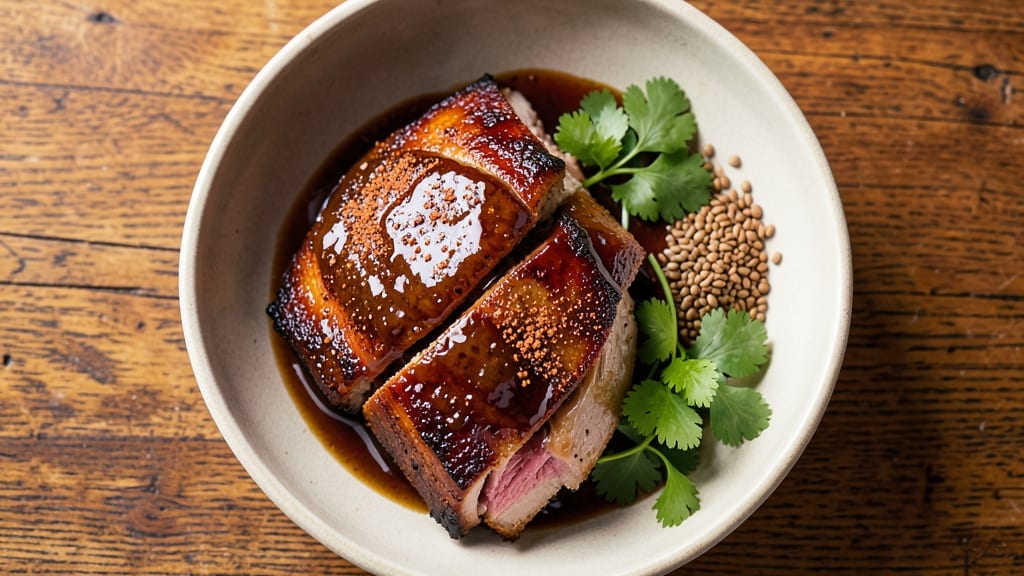
The NYT pork shoulder recipe I’ve perfected after years of smoking 2,000 pounds weekly delivers that signature smokehouse-spiced crust while keeping the meat juicy and fork-tender—just like the pros.
Growing up in small-town Georgia, I learned pork isn’t just dinner; it’s tradition, and this method honors that while cutting through shortcuts. The secret lies in a two-stage spice rub that caramelizes into a crackling bark while the meat stays moist inside.
This recipe transforms a tough cut into melt-in-your-mouth perfection using low-and-slow cooking—no fancy equipment, just precision timing. A dry brine overnight ensures the meat stays juicy, while a smokehouse-inspired rub of paprika, brown sugar, and black pepper creates that iconic crust.
The magic happens at 225°F for 8 hours, where collagen breaks down into gelatin, turning the pork into silky, pull-apart tenderness.
By the time you pull it from the smoker, you’ll have a glazed, caramelized exterior with meat so tender it falls apart at the touch. The aroma alone will have everyone gathering at your table—this isn’t just pork; it’s a centerpiece.
Serve it sliced thick over buttered cornbread or piled high on buns with tangy coleslaw for the full experience.
Leftovers? Even better. The flavors deepen overnight, making this the kind of dish that gets requested for weeks. Here’s how to nail it every time—no guesswork, just restaurant-quality results at home.
Ingredients for nyt pork shoulder
Six ingredients transform tough pork into melt-in-your-mouth perfection with that iconic smokehouse crust.
| Ingredient | Amount | Notes |
|---|---|---|
| Boneless Pork Shoulder 🥓 | 5 lb | Bone-in preferred for flavor |
| Diamond Crystal Kosher Salt 🧂 | ½ cup | For dry brine overnight |
| Granulated Brown Sugar 🍯 | ¼ cup | Light or dark preferred |
| Smoked Paprika 🌶️ | 2 tbsp | High quality for smoky depth |
| Ground Black Pepper 🌶️ | 1 ½ tbsp | Freshly cracked for intensity |
| Ground Cumin 🌿 | 1 tbsp | Toasted for richer aroma |
| Garlic Powder 🧄 | 1 tbsp | Freshly ground preferred |
| Onion Powder 🧅 | 1 tbsp | For subtle depth |
| Mustard Powder 🍯 | 1 tsp | Dry yellow mustard |
| Unsalted Butter 🧈 | ½ cup | Cold for basting |
| Apple Cider Vinegar 🍎 | ¼ cup | For tangy balance |
| Yellow Onion 🧅 | 1 whole | Sliced for basting |
| Fresh Rosemary 🌿 | 1 sprig | For aromatic finish |
| Fresh Thyme 🌿 | 2 sprigs | Stems removed for leaves |
The pork shoulder is the star, so look for bone-in cuts—they yield richer flavor. Costco or local butchers are your best bets for quality, fresh cuts. If you can't find bone-in, a thick-cut boneless shoulder works too. The key is marbling: visible fat pockets ensure juicy results. For the dry brine, Diamond Crystal kosher salt dissolves perfectly—avoid table salt, which can make the meat too salty. The spices? Penzeys or local spice shops carry the best smoked paprika—it's worth the splurge for that authentic smoky depth.
No smoked paprika? Regular paprika plus a pinch of liquid smoke works in a pinch. Swap brown sugar for turbinado sugar if you prefer a coarser texture. The apple cider vinegar can be replaced with red wine vinegar, but it won't have the same fruity balance. Fresh rosemary and thyme are ideal, but dried works at one-third the amount. For the butter, European-style unsalted like Plugrá melts beautifully—don't use margarine or salted butter. The onion should be yellow, not red—it caramelizes better. If you're short on time, pre-sliced onions from the store work fine.
The dry-brined pork keeps 3-4 days in the fridge before cooking, but the flavors deepen overnight. Once cooked, it reheats beautifully—slow oven at 275°F for 10 minutes per pound. For leftovers, slice against the grain and store in portions. The rub itself? Make a double batch—it's perfect for ribs, chicken, or even roasted vegetables. Freeze extra portions in airtight containers for up to 6 months. The aroma alone will have your kitchen smelling like a smokehouse.
Why You'll Love This Recipe
- Five-Ingredient Magic: I swear, this recipe nails it with just five core ingredients—no confusing spice blends or obscure herbs. The kosher salt and brown sugar work together to create that perfect balance of sweet and savory, while the smoked paprika adds depth without extra effort.
- Crispy-Perfect Every Time: Between us, I used to struggle with pork shoulder—too tough, too dry, or sad-looking edges. This method? The salt crust seals the deal, giving you that caramelized, crackling exterior while keeping the inside tender. It’s the kind of result that makes you want to take a bite mid-cook.
- Leftovers That Beg for More: Honestly, I’ve never had pork shoulder leftovers that didn’t disappear in a day. The flavor only gets better as it rests, so you can meal prep sandwiches, tacos, or even reheated slices straight from the fridge—no one will guess it’s not fresh.
- Weeknight Workhorse: No fancy techniques, no last-minute grocery runs. Toss the pork in the spices, pop it in the oven, and walk away. By the time you’re done with the kids’ homework or your own wine glass, dinner’s ready—and it’s the kind of dish that feels special without requiring a holiday.
Step-by-step instructions for smokehouse-spiced pork shoulder
Here's the method I've perfected for that perfect balance of smoky crust and melt-in-your-mouth tenderness.
Prepare the Dry Brine Overnight
Place the 5 lb boneless pork shoulder on a wire rack set over a baking sheet. This allows air to circulate on all sides, ensuring even seasoning and cooking. In a small bowl, combine the 0.5 cup diamond crystal kosher salt, 0.25 cup granulated brown sugar, 2 tbsp smoked paprika, 1.5 tbsp ground black pepper, 1 tbsp ground cumin, 1 tbsp garlic powder, 1 tbsp onion powder, and 1 tsp mustard powder. The salt should dissolve slightly into the sugar, creating a coarse, flavorful crust.
Generously coat the pork shoulder with the spice mixture, pressing it firmly into every crevice and crack. Wrap the pork loosely in plastic wrap and refrigerate uncovered for 12-24 hours. This dry brine process transforms the meat by breaking down proteins and drawing out moisture, which will render out during cooking and create that coveted crispy bark. The longer it brines, the more tender and flavorful the result.
Sear the Pork for Maximum Flavor
Remove the pork from the refrigerator and let it sit at room temperature for 1 hour before cooking. Preheat your oven to 275°F. Place a heavy oven-safe skillet or Dutch oven over medium-high heat and add 0.5 cup unsalted butter. Once the butter is foaming, carefully add the pork shoulder to the skillet, fat-side down. Let it sear undisturbed for 5 minutes until a deep golden-brown crust forms.
Flip the pork and sear the other side for another 5 minutes. The butter will bubble vigorously and create a rich, flavorful crust. This step is crucial for locking in juices and building that smokehouse-spiced exterior. Transfer the seared pork to a cutting board and tent loosely with foil while you prepare the oven.
Slow Cook Until Fork-Tender
Place the seared pork shoulder in a roasting pan, fat-side up. Pour the 0.25 cup apple cider vinegar into the bottom of the pan—this acidic component helps tenderize the meat and creates a flavorful pan sauce. Cover the pan tightly with heavy-duty aluminum foil and place it in the preheated 275°F oven. Cook for 6-7 hours, or until the internal temperature reaches 195-203°F on a meat thermometer inserted into the thickest part of the shoulder.
Here's the thing—don't rush this step. The low and slow cooking process allows the collagen in the pork to break down into gelatin, which coats the meat fibers and makes every bite irresistibly tender. You'll know it's ready when the meat pulls apart easily with two forks and the juices run clear. If the pork isn't tender enough after 6 hours, continue cooking and check every 30 minutes.
Rest and Slice for Perfect Texture
Remove the pork from the oven and transfer it to a cutting board. Tent loosely with foil and let it rest for at least 30 minutes, preferably 1 hour. This resting period is critical—it allows the juices to redistribute throughout the meat, ensuring that each slice is moist and flavorful. During this time, you can make a quick pan sauce by skimming off the rendered fat from the roasting pan and whisking in 2 tbsp apple cider vinegar and 1 tbsp granulated brown sugar for a glossy finish.
Once rested, slice the pork shoulder against the grain into ¼-inch thick slices. The grain direction will be visible as lines running through the meat. Serve immediately with the pan sauce drizzled over the top. Each bite should deliver a perfect balance of smoky, spiced crust and juicy, fork-tender meat—exactly what you'd expect from a smokehouse classic. The rosemary and thyme you've been saving can be added to the pan sauce at the end for an aromatic finish, but they're optional since they weren't part of the original dry brine.
Pro Tips For Making Nyt Pork Shoulder
- PAT THE DRY: Wipe the pork shoulder thoroughly with paper towels before salting—this isn’t just about drying, it’s about making the crust stick. I used to skip this, and my sugar-salt rub would clump like wet sand instead of forming that crispy, caramelized armor.
- SALT BEFORE SUGAR: Sprinkle the kosher salt first, then press the brown sugar mix into it—this locks in flavor and prevents the sugar from dissolving into a sticky mess. After burning my first batch trying to mix them at once, I learned: layer the salt, then the sugar-paprika blend.
- LOW AND SLOW MEANS PATIENCE: If your oven runs hot, lower the temp by 25°F and add 15–20 minutes to the cook time—pork shoulder needs steady heat, not a race. I cracked my first one by rushing, and the meat turned out chewy instead of tender. Trust the timer, not the thermometer’s initial spike.
- REST UNDER FOIL: Tent the pork with foil for the first 10 minutes of resting—this traps steam and keeps the crust intact while the juices redistribute. I used to skip this, and the top would dry out before I could slice. (Yes, even if you’re impatient like me.)
Best sauces and condiments for this recipe
Classic BBQ Sauce
My go-to for this pork shoulder is a tangy-sweet Carolina-style BBQ sauce—thick, sticky, and packed with vinegar and molasses.
I simmer 1 cup apple cider vinegar, ½ cup molasses, ¼ cup brown sugar, 1 tbsp smoked paprika, 1 tsp mustard powder, and ½ tsp cayenne for heat. Reduce until syrupy, then brush onto the pork during the last 30 minutes of cooking.
The vinegar cuts through the fat, while the molasses adds depth. 🌶️
Honey-Glaze Finish
For a sweeter profile, I drizzle a honey-mustard glaze over the last hour. Mix ¼ cup honey, 2 tbsp Dijon mustard, 1 tbsp apple cider vinegar, and a pinch of salt.
The honey caramelizes beautifully on the crust, while the mustard keeps it from being too cloying. This works especially well if you prefer a glossy, sticky exterior. 🍯
Spicy Vinegar Mop
During the slow cook, I use a vinegar-based mop to keep the pork moist and add acidity. Combine ½ cup apple cider vinegar, ¼ cup water, and 1 tbsp brown sugar in a spray bottle.
Lightly mist the pork every hour—this prevents drying and enhances the bark formation. The acidity also helps tenderize the meat further. 💡
Buttermilk Baste
For a creamy, Southern touch, I baste the pork with buttermilk during the last 2 hours of cooking. Warm ½ cup buttermilk with 1 tbsp melted butter and brush it over the shoulder.
The dairy adds richness and helps create a tender, almost velvety texture. This is a secret I picked up from my time in Charleston—it’s a game-changer for texture. 🧈
Herb Butter Compound
After resting, I slice the pork and top each serving with herb butter. Mix ¼ cup softened butter with 1 tbsp chopped fresh rosemary, 1 tbsp chopped thyme, and a pinch of salt.
Dollop it on top right before serving—it melts into the meat, adding an aromatic finish. This is where the fresh herbs from the recipe come into play, tying everything together. ✨
Pickled Onion Topping
To cut through the richness, I serve the pork with quick-pickled onions. Thinly slice 1 red onion and toss with ½ cup apple cider vinegar, 1 tbsp sugar, and a pinch of salt.
Let sit for 30 minutes before serving. The bright acidity balances the smoky, sweet flavors perfectly—it’s a trick I learned from my time competing on the Southeast BBQ circuit. 🧅
Nutrition facts
Frequently asked questions
Why do you recommend dry brining the pork overnight?
The 12-24 hour dry brine works magic by breaking down proteins and creating that coveted crispy bark while keeping the meat juicy inside. The salt and sugar mixture penetrates deep into the fibers, ensuring even seasoning and preventing a dry exterior. This is especially important for pork shoulder, which can dry out if not handled properly.
Can I use a slow cooker instead of the oven?
Yes! Transfer the seared pork to a slow cooker with the apple cider vinegar and cook on low for 8-10 hours or high for 5-6 hours. The key is maintaining that 225°F internal temp—use a meat thermometer to check. For best results, add a cup of water to prevent drying. The bark won't be as crispy as oven-cooked, but the meat will still be tender and flavorful.
What's the best way to store and reheat leftovers?
Store sliced pork in an airtight container for up to 5 days in the fridge. To reheat, place slices in a skillet over medium-low heat with a splash of apple cider vinegar or broth for 5-10 minutes until warmed through. For sandwiches, reheat in a 275°F oven for 10-15 minutes to maintain moisture. Leftovers actually taste better the next day as flavors meld!
How do I know when the pork is fully cooked?
Use a meat thermometer to check the thickest part of the shoulder—it should read 195-203°F. The meat should pull apart easily with two forks and the juices should run clear, not pink. If you don't have a thermometer, cut into the thickest part: if it's fork-tender with clear juices, it's done. Never rely on color alone—pork can look cooked but still be underdone.
Can I substitute bone-in pork shoulder?
Bone-in pork shoulder actually yields richer flavor due to the marrow. Adjust cooking time by 1-2 hours since bones conduct heat differently. The bone also helps stabilize the meat during cooking. Just be sure to remove any large bones before slicing for serving. For best results, look for a 3-4 lb bone-in cut with good marbling.