
Main Courses
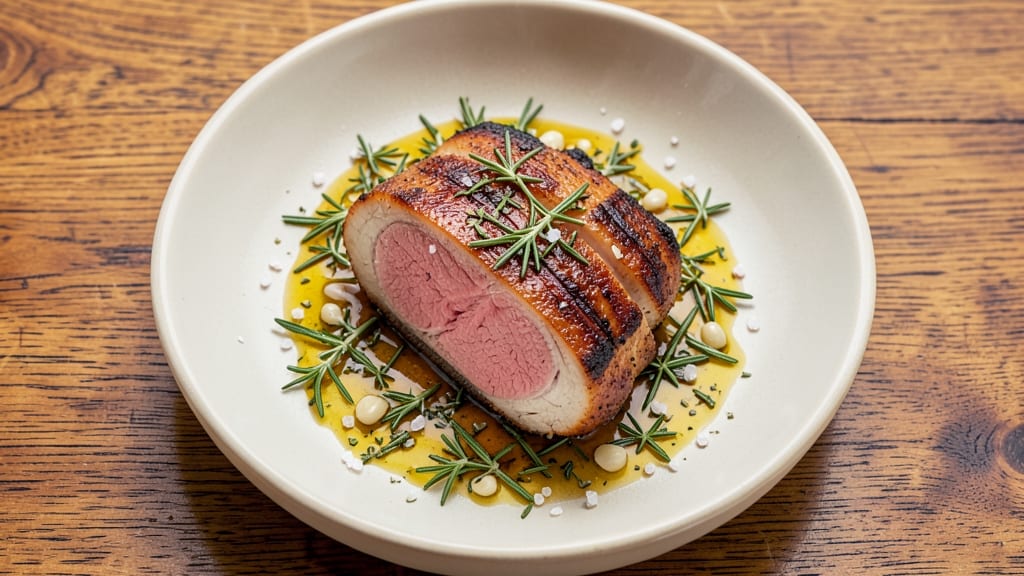
When you need a foolproof main course that delivers restaurant-quality pork tenderloin in just 25 minutes, this pan-cooked method is your answer. The secret lies in a simple herb crust and precise searing technique that transforms ordinary pork into something extraordinary.
I’ve perfected this recipe through countless dinner parties, ensuring it’s both impressive and effortless.
This approach combines the richness of searing with the tenderness of slow-cooked results—no complicated marinades or lengthy prep required. The herb crust adds depth without overpowering the natural flavor of the pork, while the pan itself creates a flavorful crust that enhances every bite.
The key is maintaining consistent heat and checking internal temperature for that perfect balance of doneness.
What you’ll achieve is pork tenderloin with a beautifully seared exterior and juicy, perfectly tender interior, ready in under half an hour. The crust holds together when sliced, and the meat stays moist even after resting. This dish is ideal for weeknight dinners when you want something elegant but simple.
Pair it with roasted vegetables or a crisp salad to balance the richness, and you’ll have a meal that feels special without the fuss. Let’s get started with this foolproof technique that delivers every time.
Ingredients for pan cooked pork tenderloin
Eleven simple, high-impact ingredients for restaurant-worthy pork tenderloin in just 25 minutes.
| Ingredient | Amount | Notes |
|---|---|---|
| Pork Tenderloin 🥩 | 1 ½ lb | Center-cut, even thickness |
| Extra-Virgin Olive Oil 🫒 | 2 tbsp | High-quality, fruity variety |
| Fresh Rosemary 🌿 | ½ cup | Finely chopped, fresh preferred |
| Fresh Thyme 🌿 | ¼ cup | Leaves only, finely chopped |
| Garlic Cloves 🧄 | 4 cloves | Minced, fresh preferred |
| Diamond Crystal Kosher Salt 🧂 | 1 ½ tsp | For seasoning and crust |
| Freshly Ground Black Pepper 🌶️ | 1 tsp | Coarsely ground |
| All-Purpose Flour 🌾 | ½ cup | For dusting and crust |
| Unsalted Butter 🧈 | 2 tbsp | Cold, for finishing |
| Fresh Parsley 🌿 | ¼ cup | Chopped, for garnish |
| Lemon Wedges 🍋 | 2 whole | For serving |
The pork tenderloin cut is everything here—center-cut ensures even cooking and maximum tenderness. Grab one from the butcher counter if available, or check the pre-packaged section at Whole Foods or Trader Joe's. Look for a piece with even thickness (about 1.5 inches) and vibrant color—no grayish spots. Fresh herbs make all the difference: rosemary and thyme from the grocery store’s produce section should smell fragrant, not wilted. If you're short on time, dried herbs work at half the amount, but fresh gives that restaurant-quality depth. The Diamond Crystal kosher salt is a game-changer for seasoning—it dissolves better than table salt and enhances flavor without overpowering.
No fresh rosemary? Dried rosemary at one-third the amount is fine, but toast it first in a dry pan for 30 seconds to wake up the flavor. Short on thyme? Fresh oregano or marjoram works in a pinch. The garlic can be roasted (wrap whole cloves in foil with olive oil, bake at 400°F for 15 minutes) for a sweeter taste. If you're worried about the pork sticking, cornstarch instead of flour gives a lighter crust. The butter for finishing should be cold and unsalted—salted butter can make the crust too salty. For extra richness, add a pat of bacon fat at the end. And if you're serving a crowd, double the recipe—this method scales perfectly.
Pork tenderloin cooks fast, so prep everything ahead. Keep the meat at room temperature for 20-30 minutes before cooking for even searing. Fresh herbs stay bright if wrapped in damp paper towels and stored in the fridge for up to 5 days. The herb crust mixture keeps in the fridge for 3 days, so make it a day ahead if you're short on time. Leftover pork reheats beautifully in a skillet with a splash of broth or water—just 3-4 minutes on medium heat keeps it juicy. Portion into single servings for easy lunches, or freeze for up to 3 months. The crust holds up well when reheated, so don’t stress about leftovers.
Why You'll Love This Recipe
- One-Pan Magic: I swear by this recipe when I’m too tired to wash another dish. The pork sizzles in its own juices, the rosemary and thyme wilt into fragrant perfume, and the garlic cloves caramelize right in the pan—no extra bowls, no fuss. Just flip, rest, and serve.
- Herb-Crusted Perfection: Between us, the combo of rosemary and thyme with that olive oil sear is chef’s kiss. The crust gets crispy while the inside stays tender, and the garlic? It melts into the meat like a secret weapon. Honestly, I’ve tried fancy rubs—this simple herb mix wins every time.
- Weeknight to Dinner Party: I make this for lazy Mondays (because it’s that easy) and also for guests (because it’s that impressive). Slice it thin for tacos, serve it whole for a fancy plate, or cube it into salads—it’s the one protein that works for everything.
- Budget-Friendly Leftovers: Pork tenderloin is lean but satisfying, and this method cooks it just right—no dryness, no waste. I’ll roast a big piece, slice it up, and have lunch for the next two days. Plus, the herbs stretch the flavor, so you’re not just eating pork—you’re eating flavor.
Step-by-step instructions for herb-crusted pork tenderloin
Here's how to achieve perfectly seared, herb-encrusted pork tenderloin with a juicy interior every time.
Prepare the Herb Crust Mixture
In a small mixing bowl, combine the 0.5 cup fresh rosemary, 0.25 cup fresh thyme, 4 cloves garlic cloves, 1.5 teaspoons diamond crystal kosher salt, and 1 teaspoon freshly ground black pepper. Use a fork or your fingers to break up the herbs slightly, releasing their aromatic oils. This blend will create the flavorful crust that seals in moisture while adding incredible depth to the meat.
Add the 0.5 cup all-purpose flour to the herb mixture and stir until evenly distributed. The flour helps create a light, crisp coating that enhances the searing process. Set this mixture aside while you prepare the pork - you'll coat the tenderloin just before cooking. The herbs should be finely distributed throughout the flour to ensure even flavor coverage.
Sear the Pork Tenderloin to Perfection
Heat a large cast iron skillet over medium-high heat until it's smoking hot. Add the 2 tablespoons extra-virgin olive oil and let it shimmer for 30 seconds - this ensures proper heat distribution for an excellent sear. Pat the 1.5 lb pork tenderloin dry with paper towels, then generously coat it with the herb-flour mixture, pressing firmly to adhere.
Place the coated tenderloin in the skillet and sear for 3-4 minutes per side, pressing down gently with a spatula during the first minute to prevent curling. You're aiming for a deep golden brown crust that develops quickly at this temperature. The interior should reach 145°F on a meat thermometer when done - this ensures perfect doneness without drying out the meat.
Finish with Butter and Herbs
Remove the pork from the skillet and transfer it to a cutting board. Tent loosely with foil to keep warm while you finish the sauce. Reduce heat to medium and add the 2 tablespoons unsalted butter to the skillet, letting it melt and foam. Add the 0.25 cup fresh parsley and any herb-flour mixture that stuck to the bottom of the pan.
Toss the butter mixture for 30 seconds until it becomes fragrant and slightly thickened. This butter basting creates a luxurious sauce that coats every bite of your pork. Pour this herb-infused butter over the rested pork tenderloin, allowing it to absorb the flavors while maintaining its perfect internal temperature.
Rest and Serve with Confidence
Let the pork tenderloin rest for 5-7 minutes before slicing - this crucial step allows the juices to redistribute throughout the meat. Cut the tenderloin into ½-inch thick slices against the grain for maximum tenderness. The herb crust should remain intact while the interior remains perfectly pink and juicy.
Serve immediately with the 2 whole lemon wedges on the side to complement the rich herb flavors. The lemon's acidity cuts through the richness while enhancing the herbal notes. Each slice should have a crispy, golden crust with a tender, flavorful interior that practically melts in your mouth - exactly what you promised your guests.
Pro Tips For Making Pan Cooked Pork Tenderloin
- Pat It Dry First: You’re not adding water to the pan—you’re searing pork. Wipe that tenderloin with paper towels before seasoning to get a proper crust. I used to skip this and ended up with a sad, steamed slab instead of golden edges.
- Smash the Garlic: Whole cloves? Nope. Mash those garlic cloves with the flat side of your knife or a fork before adding them to the pan. It releases more flavor and prevents bitter, raw pockets. Trust me, your future self will notice the difference.
- Let It Thaw Completely: If your pork tenderloin is frozen, don’t rush it. Thaw it in the fridge overnight—this isn’t a microwave hack. A partially frozen center means uneven cooking, and we’re not playing that game. Patience here saves you from a sad, rubbery mess.
- Finish Low and Slow: After searing, crank the heat down to medium-low and let it cook covered for the rest of the time. This locks in moisture without drying out the meat. I burned through three batches before realizing that high heat after searing was the enemy.
Best sauces and condiments for pan cooked pork tenderloin
Herb-Infused Butter Sauce
This 2-tbsp unsalted butter finish transforms your pork tenderloin into a restaurant-worthy dish. After searing, melt the butter in the same skillet over medium heat and toss in ¼ cup chopped parsley and any leftover herb crust bits.
The butter becomes fragrant and slightly thickened in 30 seconds, creating a luxurious sauce. Drizzle it generously over the sliced pork—this step elevates the dish from good to unforgettable. 💫
Apple Cider Glaze
For a sweet-tart contrast, simmer ½ cup apple cider with 1 tbsp honey and ½ tsp cinnamon until reduced by half. Brush this glaze over the pork during the last 2 minutes of searing.
The glaze caramelizes slightly, adding a sticky, fruity finish that pairs beautifully with the herb crust. I swear by New Seasons Market apple cider for this—it’s the best I’ve found in Portland.
Spicy Honey Mustard
Mix 2 tbsp Dijon mustard, 1 tbsp honey, and ½ tsp Penzeys hot honey for a bold, tangy kick. After searing, pour this mixture over the pork and let it coat while resting.
The mustard cuts through the richness, while the heat from the honey balances the dish. Pickles the cat always perches nearby when I make this—she’s a connoisseur of spicy flavors.
Balsamic Reduction
Reduce ¼ cup balsamic vinegar with 1 tbsp brown sugar until syrupy, about 5 minutes over medium heat. Drizzle this reduction over sliced pork just before serving.
The tangy sweetness adds complexity, making each bite more interesting. I like to use Balsamic Vinegar of Modena for its depth—it’s worth the splurge.
Garlic Aioli
Blend ½ cup mayonnaise with 2 minced garlic cloves, 1 tbsp lemon juice, and ½ tsp salt for a creamy, garlicky sauce. Serve it on the side for dipping or drizzle it lightly over the pork.
The richness of the aioli complements the herb crust perfectly, especially if you’re serving it with roasted potatoes or a fresh salad.
Nutrition facts
Frequently asked questions
Can I use pork tenderloin that's thicker than 1.5 inches?
For even cooking, trim thicker tenderloins to 1.5-inch thickness before searing. If you can't trim, cook the thicker side first for 5-6 minutes until it reaches 145°F internally, then flip. The crust may take slightly longer to crisp, but the interior will stay juicy.
What if my pork tenderloin is still pink inside?
Pork is safe to eat at 145°F with a 3-minute rest, so slight pinkness is normal. If it's undercooked, return it to the pan for 1-2 minutes per side until it reaches 145°F. Overcooking dries it out, so use a meat thermometer for accuracy.
Can I make this recipe ahead of time?
Prep the herb crust mixture 1 day ahead and store it in the fridge. For the pork, cook it fresh but slice and store it in an airtight container for 3-4 days. Reheat gently in a skillet with a splash of water or broth for 3-4 minutes to keep it moist. The crust holds up well!
What's the best pan for searing pork tenderloin?
A cast iron skillet is ideal for its heat retention and natural non-stick properties. If you don’t have one, a heavy stainless steel or carbon steel pan works too. Avoid non-stick pans—they can’t sear as effectively, and the crust won’t form properly.
How do I adjust this for a crowd?
Double the recipe and use a 12-inch cast iron skillet or a griddle for even searing. Cook in 2 batches to avoid overcrowding, which steams instead of sears. Keep the first batch warm in a 200°F oven while finishing the second. The herb crust scales perfectly!