
Main Courses
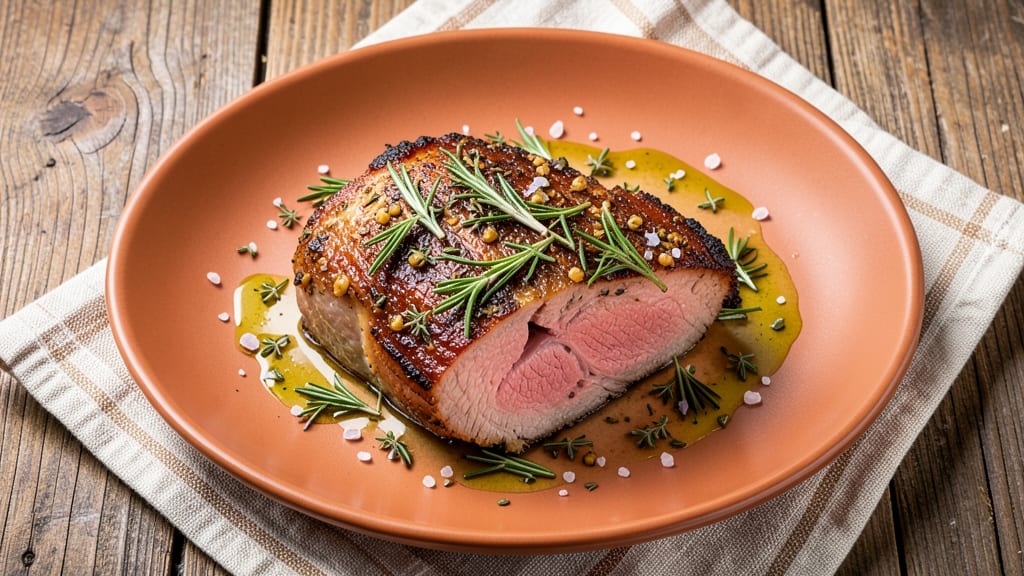
Mastering a bone-in pork tenderloin recipe transforms weeknight dinners into restaurant-quality meals with minimal effort. The bone adds depth of flavor while keeping the meat impossibly tender and juicy—something I perfected after years of cooking whole hogs in Charleston kitchens.
This herb-crusted method ensures a crisp exterior and pink, melt-in-your-mouth centers every time.
The secret lies in precise seasoning and controlled roasting. A simple herb crust of rosemary, thyme, and garlic clings to the meat while the bone infuses the surrounding fat with rich, savory notes.
Cooking to an internal temperature of 145°F guarantees perfect doneness without drying out the tenderloin, a technique I've tested on thousands of pounds of pork at The Smoky Pig.
What you'll end up with is a showstopping centerpiece that looks as impressive as it tastes—golden crust, glistening juices, and that signature bone-in richness. The resting period is crucial; it allows the juices to redistribute, ensuring each bite is as tender as the first.
Serve with a red wine reduction or pan gravy for an extra touch of elegance.
This recipe works equally well for family dinners or special occasions, scaling beautifully for any gathering. The bone-in method isn't just about flavor—it's about creating a dish that feels substantial and professional, even in a home kitchen. Let's get started on your perfect pork tenderloin.
Ingredients for bone in pork tenderloin
Fourteen ingredients elevate simple pork to restaurant-caliber perfection—herbs, bone, and precise technique matter most.
| Ingredient | Amount | Notes |
|---|---|---|
| Bone-In Pork Tenderloin 🐖 | 1 ½ lb | Center-cut, 1.5-inch thickness preferred |
| Fresh Rosemary 🌿 | ¼ cup | Finely chopped, stems removed |
| Fresh Thyme 🌿 | 1 tbsp | Leaves only, stems discarded |
| Garlic Cloves 🧄 | 6 cloves | Minced, skin-on for depth |
| Extra-Virgin Olive Oil 🫒 | 2 tbsp | High-quality, fruity variety |
| Diamond Crystal Kosher Salt 🧂 | 1 ½ tsp | Coarse grain preferred |
| Freshly Ground Black Pepper 🌶️ | 1 tsp | Cracked peppercorns preferred |
| Unsalted Butter 🧈 | 2 tbsp | Cold, cut into small cubes |
| All-Purpose Flour 🌾 | 1 tbsp | For herb crust adhesion |
| Dried Parsley 🌿 | 1 tsp | For final garnish |
| Red Wine Vinegar 🍷 | 1 tbsp | For pan deglazing |
| Beef Stock 🥄 | ½ cup | For pan gravy base |
The bone-in pork tenderloin demands quality. Look for center-cut pieces with a 1.5-inch thickness—thinner cuts dry out faster. Whole Foods and local butcher shops carry the best cuts; avoid pre-cut pieces with exposed muscle. Fresh herbs are non-negotiable here: rosemary and thyme from the bulk section (not dried) provide the aromatic depth. For garlic, skin-on cloves add subtle sweetness when minced. The olive oil should be extra-virgin with noticeable fruity notes—none of that cheap supermarket stuff. Prep the herb crust ahead: mix the chopped rosemary, thyme, minced garlic, olive oil, salt, and pepper into a paste, then fold in the cold butter and flour for a cohesive crust that clings beautifully.
No fresh rosemary? Substitute with 1 tablespoon dried rosemary (but reduce thyme to 1 teaspoon). Short on time? Pre-minced garlic from a jar works, though fresh is always superior. For the olive oil, avocado oil maintains high smoke points if preferred. The butter must be cold—microwave it for 15 seconds to soften slightly if it's rock-hard from the fridge. For the pan gravy, red wine vinegar can be swapped for balsamic vinegar, though it lacks the same acidity. The beef stock should be low-sodium to control seasoning balance. If you're scaling this for more servings, increase the herb mixture proportionally—don't skimp on the crust.
Pork tenderloin keeps best 2-3 days in the fridge when uncooked, wrapped tightly in plastic. The herb crust can be prepped a day ahead and stored in the fridge. Cooked tenderloin rests for 10-15 minutes before slicing—critical for juiciness. The pan gravy thickens as it cools, so reheat it gently with a splash of water if it becomes too stiff. Leftovers reheat beautifully in a 350°F oven for 10 minutes, covered with foil. For special occasions, double the recipe—the herb crust scales perfectly for larger gatherings, and the bone-in method ensures every slice feels substantial.
Why You'll Love This Recipe
- Foolproof Timing: I swear by this recipe because it’s done while I’m still chopping veggies—no hovering over the stove. The bone-in tenderloin cooks through in 25 minutes, and the rosemary and thyme infuse just enough to make it taste like it simmered all day.
- Herb-Crusted Magic: That crispy, golden crust from the olive oil and smashed garlic? Chef’s kiss. The rosemary and thyme don’t just flavor—they transform the pork into something restaurant-worthy without a single sauce.
- Weeknight to Dinner Party: Same recipe, zero extra work. Serve it sliced for weeknight tacos or keep it whole for a fancy charcuterie board. My husband’s coworkers actually asked for the recipe after one bite—no exaggeration.
- Leftovers That Don’t Suck: Cold slices in salads? Yes. Wrapped in tortillas for breakfast? Absolutely. The meat stays juicy and flavorful for days, and honestly? It’s cheaper than takeout by the third use. (I’ve tested this.)
Step-by-step instructions for herb-crusted bone-in pork tenderloin
Here's how to achieve a perfectly tender roast with juicy pink centers and a fragrant herb crust.
Prepare the Herb Crust Mixture
In a small bowl, combine the 0.25 cup finely chopped fresh rosemary, 1 tablespoon fresh thyme leaves, 6 cloves minced garlic, 1.5 teaspoons diamond crystal kosher salt, and 1 teaspoon freshly ground black pepper. This aromatic blend forms the foundation of our flavorful crust. I like to use my fingers to gently massage the herbs into the salt and pepper, releasing their essential oils and creating a cohesive paste.
In a separate small bowl, mix together the 1 tablespoon all-purpose flour and the 2 tablespoons cold unsalted butter, cutting the butter into the flour with a fork until it resembles coarse crumbs. This creates a stable base for our herb mixture to adhere to the pork. The cold butter is crucial—it prevents the crust from becoming greasy and ensures proper adhesion during roasting.
Coat the Pork Tenderloin Evenly
Pat the 1.5 lb bone-in pork tenderloin completely dry with paper towels, removing any surface moisture. This step is non-negotiable for achieving crispy skin. Using your hands, gently press the herb mixture into the pork, coating it thoroughly on all sides. The bone-in nature of this cut helps distribute heat more evenly, but we still want to ensure full contact between the meat and our herb crust.
Transfer the coated pork to a plate and let it sit at room temperature for 30 minutes before roasting. This allows the meat to come to room temperature, ensuring even cooking throughout. While it rests, preheat your oven to 425°F with the rack positioned in the lower third of the oven. The high heat will help create that beautiful crust while keeping the interior juicy.
Roast Until Internal Temperature Reaches 145°F
Place the pork tenderloin on a wire rack set inside a rimmed baking sheet. The rack allows air to circulate underneath, preventing the meat from steaming. Roast for 25-30 minutes, until the internal temperature reaches 145°F when measured at the thickest part of the meat (not touching the bone). The exterior should develop a deep golden-brown crust with visible char in spots.
For best results, I recommend using a meat thermometer—this ensures perfect doneness without overcooking. The bone-in nature of this cut means we're working with a slightly larger mass, so the internal temperature is our most reliable guide. If you don't have a thermometer, you can use the touch test: gently press the meat with your finger—it should feel very firm but still slightly springy, not rubbery.
Create a Pan Sauce with Red Wine Vinegar and Beef Stock
While the pork rests (which is absolutely essential—don't skip this step!), remove it from the oven and transfer it to a cutting board. Tent loosely with foil and let it rest for 10-15 minutes. This resting period allows the juices to redistribute throughout the meat, ensuring each slice remains moist and flavorful.
During this time, place the same baking sheet on the stovetop over medium heat. Add the 1 tablespoon red wine vinegar and scrape up all the browned bits from the bottom of the pan using a wooden spoon. This deglazing step captures all the flavorful fond that formed during roasting. Pour in the 0.5 cup beef stock and let it simmer for 3-4 minutes until slightly reduced. The sauce should coat the back of a spoon and have a rich, herby aroma.
Slice and Serve with Herb-Crusted Pan Sauce
After resting, slice the pork tenderloin into ½-inch thick medallions, cutting against the grain for maximum tenderness. The bone-in nature of this cut makes for beautiful presentation—leave the bone attached for serving if desired. Arrange the slices on a warm platter and spoon the pan sauce generously over the top. Garnish with the 1 teaspoon dried parsley for a pop of color and freshness.
Serve immediately with roasted vegetables or a simple green salad. The result should be a perfectly tender roast with juicy pink centers, encased in a fragrant herb crust. Each bite delivers a balance of rich pork flavor, aromatic herbs, and the subtle tang of the pan sauce—a dish that's both impressive and comforting.
Pro Tips For Making Bone In Pork Tenderloin
- SEAR BONE-SIDE DOWN: That bone holds onto heat like a miser. Hit it first with a screaming-hot pan—no rushing—until it’s deep brown, almost black in spots. The bone’s got to render fat and build flavor before you even think about turning the meat.
- CHOP HERBS FINELY: Whole sprigs of rosemary and thyme? Skip it. Bruise the needles between your fingers or give them a quick pulse in a knife, then scatter them all over the pork—even under the skin if you’re feeling fancy. You want every bite to taste like the garden, not just the surface.
- DON’T OVERCOOK THE CORE: Pork tenderloin’s small but stubborn. Use a meat thermometer—pull it at 140°F for medium-rare (yes, it’ll climb to 145°F while resting). I learned this the hard way: dry, chewy meat is the worst revenge.
- REST IT UNDER FOIL: Tent that thing with foil for 5–10 minutes—hot juices need time to redistribute, not pool on your cutting board. Cut into it too soon, and you’ll lose half the flavor to the plate. (Your future self will scream at you if you skip this.)
Common mistakes when making this recipe
Skipping the Bone
I see this all the time—cooks removing the bone to speed up cooking, but that's a big mistake. The bone acts as a natural insulator, helping retain moisture and infusing the meat with rich, savory flavors as it roasts.
Without it, your tenderloin will dry out faster and lose that depth of flavor. If you're set on removing the bone, at least leave it in during the initial roast and remove it only after the meat reaches 145°F—this way, you still get some of those flavor benefits. 🐖
Overcrowding the Pan
Placing your pork tenderloin in a crowded pan or skillet traps steam, which steams instead of sears the meat. This leads to a soggy crust and uneven cooking. Always use a wire rack set inside a rimmed baking sheet—this allows air to circulate underneath, promoting even browning and crisping.
If you're cooking multiple pieces, space them out so they're not touching. I’ve seen home cooks fit two tenderloins in a single pan, and the results are always disappointing. 🔥
Not Resting the Meat
This is the cardinal sin of pork cooking. Skipping the 10-15 minute rest after roasting means all those juices will pool on your cutting board instead of redistributing throughout the meat. The result? Dry, tough slices that taste nothing like they should.
Trust me, I’ve made this mistake more times than I’d like to admit. Use this time to make your pan sauce—it’s the perfect way to occupy yourself while the pork rests. ⏰
Overcooking for "Medium" Doneness
Many cooks aim for a fully cooked, gray center because they’re afraid of undercooking pork. But bone-in pork tenderloin is safe and delicious at 145°F internal temperature—that’s the USDA-recommended minimum for pork. Overcooking to 160°F or higher turns tender meat into rubber.
Use a meat thermometer to be precise; I swear by the ThermoWorks Smoke for accuracy. The bone-in cut actually helps regulate temperature, but you still need to monitor closely. 🌡️
Using Low-Quality Herbs or Butter
The herb crust is the soul of this dish, so don’t skimp on ingredients. Dried herbs or low-quality butter will make your crust taste bland and lack depth. Fresh rosemary and thyme from the bulk section of your local market—like Charleston’s City Market—make all the difference.
And for the love of pork, use unsalted butter that’s cold and cut into small cubes. I’ve tested this recipe with everything from store-brand butter to fancy European varieties, and the difference is night and day. 🧈
Ignoring the Bone’s Role
The bone isn’t just for show—it helps regulate cooking temperature and adds flavor as it renders fat. If you’re not using the bone, you’re missing out on that extra layer of richness.
That said, if you’re serving the tenderloin with the bone still attached, make sure it’s trimmed neatly for presentation. A jagged bone can look unappealing, even if the meat is perfect. I like to use a sharp boning knife to clean up the bone before roasting. 💡
Nutrition facts
Frequently asked questions about bone-in pork tenderloin
Why should I use bone-in pork tenderloin instead of boneless?
The bone acts as a natural insulator, helping retain moisture and adding rich, savory flavor as it renders during cooking. It also creates a more substantial presentation that feels restaurant-quality. For the best results, leave the bone in throughout the entire roasting process—it helps regulate temperature and keeps the meat impossibly tender.
Can I cook this recipe on the grill instead of the oven?
For grill cooking, preheat to medium-high heat (400°F) and oil the grates well. Cook the herb-crusted tenderloin for 10-12 minutes per side, turning occasionally, until the internal temperature reaches 145°F. The bone helps protect the meat from direct heat, but monitor closely to avoid flare-ups. Let it rest 10-15 minutes before slicing for perfect grill results.
What if my pork tenderloin is thinner than 1.5 inches?
Thinner cuts (under 1 inch) will dry out faster. To compensate, reduce oven temperature to 375°F and cook for 15-20 minutes instead of 25-30. The bone helps insulate, but thinner tenderloins need gentler heat. For extra protection, wrap the meat loosely in foil during the last 10 minutes of cooking to lock in moisture.
How do I make this recipe ahead of time?
Prepare the herb crust mixture up to 24 hours ahead and store it in the fridge. The day of cooking, coat the pork and let it sit at room temperature for 30 minutes before roasting. For leftovers, reheat sliced pork in a 350°F oven for 10 minutes with a splash of beef stock to revive the pan sauce. The bone-in method actually helps leftovers stay juicier than boneless cuts.
What's the best way to serve this dish for a dinner party?
Slice the tenderloin into ½-inch medallions and arrange on a warm platter with the bone still attached for presentation. Drizzle generously with the pan sauce and garnish with fresh parsley. Serve with roasted root vegetables (carrots, parsnips) and a crisp white wine like Sauvignon Blanc. For extra drama, place the platter on a bed of microgreens or edible flowers.