
Main Courses
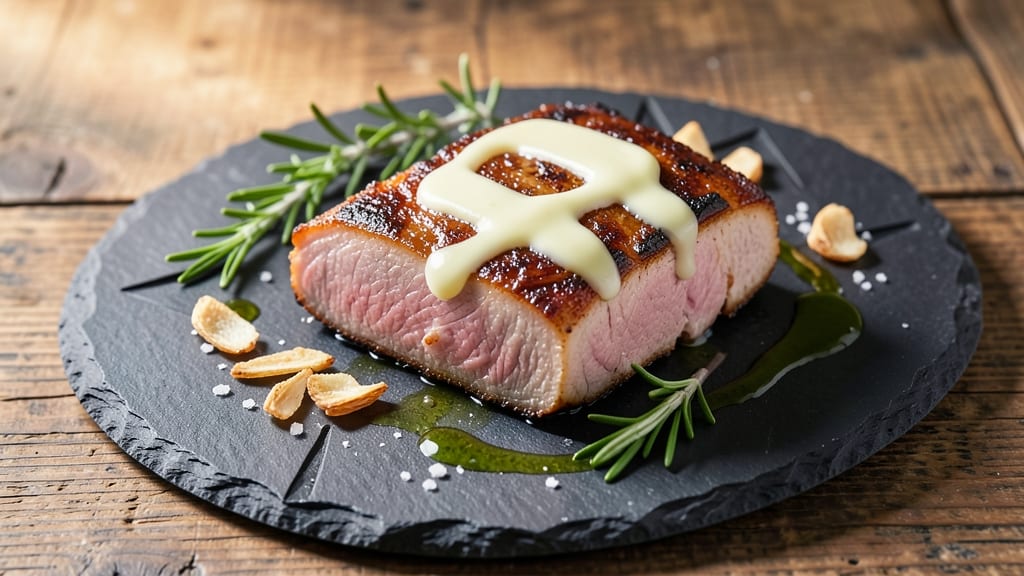
Mastering pan fried pork loin means achieving a golden crust that cracks open to reveal juicy, tender meat inside—something I perfected after years of testing techniques in my Atlanta kitchen.
Growing up in small-town Georgia, I learned pork cuts deserve respect, and this method delivers restaurant-quality results at home with just a cast iron skillet and precise timing.
The secret lies in proper prep: patting the meat dry, letting it sit at room temperature, and searing over medium-high heat until a deep crust forms. A simple seasoning of salt, pepper, and garlic powder enhances the natural flavor without overpowering it.
This isn't just another pork recipe—it's a technique that transforms a basic cut into something special.
By the time you slice into that perfectly seared loin, you'll be rewarded with meat that's tender enough to cut with a fork while maintaining a crisp exterior.
The aroma alone will have everyone gathering around the table. This is the kind of dish that turns weeknight dinners into memorable meals.
Pair it with roasted potatoes and a simple green salad for a complete meal that feels like a celebration. The leftovers reheat beautifully too—just warm them gently in the same skillet where they were cooked. Let's get started on this foolproof method that always delivers.
Ingredients for pan fried pork loin
Just six core ingredients transform simple pork loin into restaurant-worthy perfection.
| Ingredient | Amount | Notes |
|---|---|---|
| Center-Cut Pork Loin 🥩 | 1 ½ lb | Bone-in, 1.5-inch thick slices |
| Kosher Salt 🧂 | 1 ½ tsp | Diamond Crystal preferred |
| Freshly Ground Black Pepper 🌶️ | 1 tsp | Coarse grind for texture |
| Garlic Powder 🧄 | 1 tsp | Freshly ground preferred |
| Unsalted Butter 🧈 | 3 tbsp | Cold, cut into small cubes |
| Extra-Virgin Olive Oil 🫒 | 2 tbsp | High smoke point preferred |
| Fresh Rosemary 🌿 | 1 sprig | Small, for aroma only |
| Fresh Thyme 🌿 | 1 sprig | Leaves only, finely chopped |
| Red Bell Pepper 🍆 | ½ cup | Diced, for serving suggestion |
| Red Wine Vinegar 🍷 | 1 tbsp | For finishing drizzle |
| Honey 🍯 | 1 tsp | Wildflower preferred |
The pork loin is non-negotiable here. Center-cut with bone ensures even cooking and extra flavor—skip the pre-sliced packages at the grocery store. Look for cuts with visible marbling and a vibrant pink color. Butcher shops often have the best quality, but if you're shopping at Whole Foods or Kroger, ask for the freshest cut available. The thickness matters too—1.5 inches is ideal for perfect doneness without drying out. Pat it dry with paper towels before seasoning, and let it sit at room temperature for 30 minutes before cooking. Trust me, this step makes all the difference.
No fresh rosemary? Dried works at half the amount, but the aroma is totally different. Short on butter? Use ghee or bacon fat for extra richness. The garlic powder can be swapped for fresh minced garlic at double the amount, but the powder gives you more control. For the finishing drizzle, balsamic glaze works too—just reduce it slightly to thicken. The red bell pepper is optional but adds a nice pop of color and crunch when served. If you're feeling fancy, add a sprinkle of toasted sesame seeds or crushed red pepper flakes for heat.
This pork reheats beautifully—just warm it gently in the same skillet over low heat with a splash of water or broth. Keeps 3-4 days in the fridge, wrapped tightly in foil. For leftovers, slice thinly and serve on toasted sourdough with a fried egg on top. The crust gets softer when reheated, so I always save a slice or two to enjoy fresh. Freeze portions for up to 3 months by wrapping tightly in plastic wrap before sealing in a freezer bag.
Why You'll Love This Recipe
- Foolproof Timing: I swear by this—no thermometer needed. The butter sizzles, the pork sears in 5 minutes flat, then it rests while you finish the sides. Twenty minutes later, dinner’s done. (Yes, even on a Tuesday night when you’re exhausted.)
- Butter-Crisp Magic: That first bite? The outer edge gets this golden, crackly crust from the butter, while the inside stays juicy as can be. The garlic powder? It’s subtle but there—like a whisper of flavor that makes everything better.
- Leftovers That Don’t Suck: Cold pork loin the next day is actually good—slice it thin, toss with greens, or stuff it in a sandwich. Honestly, I make double portions just for this. (My lunchbox thanks me.)
- Pantry Staple Power: Five ingredients, zero specialty items. You’re not hunting for obscure spices or fancy cuts—just good pork, salt, pepper, and butter. Budget-friendly, reliable, and it never lets you down. My secret weapon for weeknight dinners.
Step-by-step instructions for pan fried pork loin recipe
Here's how to achieve that perfect golden crust while keeping the inside juicy and tender.
Prep the Pork Loin for Maximum Flavor
Pat the 1.5 lb center-cut pork loin completely dry with paper towels—this is non-negotiable for crispy skin. I mean really dry, especially around the edges and fat cap where moisture tends to linger. The drier the surface, the better the crust will form when we sear it.
Next, season both sides generously with the 1.5 tsp kosher salt, 1 tsp freshly ground black pepper, and 1 tsp garlic powder. Press the seasoning into the meat so it adheres well. Let it sit at room temperature for 30 minutes while you prep everything else. This resting period ensures even cooking and better flavor penetration.
Create the Perfect Searing Pan
Heat a large cast iron skillet over medium-high heat until it's smoking hot—this is your signal the pan is ready. Add the 2 tbsp extra-virgin olive oil and let it shimmer for 30 seconds. Then add the 3 tbsp unsalted butter cubes and let them melt completely, creating a flavorful fat layer.
Here's the thing—don't rush this step. You want the pan screaming hot before the pork touches it. If you add the meat to a cool pan, you'll steam it instead of sear it, and that's how you end up with gray, sad pork. The butter should foam and then settle into a golden liquid before you add the meat.
Sear the Pork to Golden Perfection
Place the pork loin in the skillet and press down gently with a spatula to ensure maximum contact with the hot surface. Sear for 4-5 minutes on one side until you see deep golden brown crust forming and the internal temperature reaches 145°F on an instant-read thermometer. Flip carefully and sear the other side for another 4-5 minutes.
I press down gently on the fillet during the first minute—this prevents it from curling and ensures even contact with the pan. You'll know it's ready to flip when the edges are deeply browned and the meat releases easily from the pan. The key is patience—rushing this step will give you uneven cooking.
Build the Herb-Infused Pan Sauce
Remove the pork from the skillet and let it rest on a cutting board for 10 minutes. This resting period is crucial—it allows the juices to redistribute throughout the meat instead of running out when you cut into it. While it rests, keep the skillet over medium heat.
Add the 1 sprig fresh rosemary and 1 sprig fresh thyme leaves to the skillet and let them sizzle for 30 seconds. Then pour in the 1 tbsp red wine vinegar and scrape up all those beautiful browned bits from the bottom of the pan with a wooden spoon. These bits are pure flavor—don't miss this step!
Finish with Honey and Serve
Return the pork to the skillet and spoon the pan sauce over the top. Add the 1 tsp honey and let everything heat through for 1-2 minutes. The honey will caramelize slightly, adding a beautiful gloss and subtle sweetness that balances the savory flavors.
Slice the pork loin into 1-inch thick slices against the grain for maximum tenderness. Serve immediately with the diced 0.5 cup red bell pepper on the side if desired. Each slice should be juicy, flavorful, and have that perfect golden crust we worked so hard to achieve. The pan sauce will coat each bite, tying everything together beautifully.
Pro Tips For Making Pan Fried Pork Loin
- PAT THE DRY: Wrap that pork loin in paper towels and press hard—this isn’t just about seasoning. A bone-dry surface means the butter will cling and brown instead of steaming into a sad, pale slab. I used to skip this, and my crust was always half-hearted.
- START HOT, END LOW: Sear the pork over max heat for 2–3 minutes per side until golden, then drop the heat to medium-low. Rushing the sear burns the butter before the meat cooks through, and leaving it too hot after flipping gives you a gray interior. Trust me, the thermometer’s your friend here—aim for 145°F.
- SALT THE GARLIC POWDER: Mix that garlic powder with a pinch of kosher salt before sprinkling it on. The salt cuts through the powder’s bitterness and helps it stick to the meat, so it doesn’t just slide off when you flip. (Yes, I’ve done that. No, it’s not fun.)
- BUTTER IN STAGES: Don’t dump all the butter in at once—add half first, let it melt and brown, then add the rest. This prevents a greasy mess and ensures the pork gets that rich, caramelized coating instead of swimming in liquid. Save the extra butter for basting if you’re feeling fancy.
Health benefits of this dish
Lean Protein Power
Pork loin is one of the leanest cuts of pork available, with about 165 calories per 3-ounce serving and just 3 grams of fat. This makes it an excellent choice for anyone watching their calorie intake while still getting high-quality protein—each serving delivers about 28 grams of protein.
I often serve this to my athletes at The Smoky Pig because it fuels muscle recovery without the heavy fat load of other cuts. 💪
Rich in Essential Vitamins
One serving of pork loin provides nearly 25% of your daily vitamin B12 needs, which is crucial for red blood cell production and nerve function. You'll also get a solid dose of niacin (vitamin B3), important for energy metabolism, and zinc, which supports your immune system.
My farm-raised Gloucestershire Old Spots pigs have particularly high levels of these nutrients compared to conventional breeds.
Iron for Energy
Pork loin contains 1.5mg of iron per serving, which helps transport oxygen throughout your body and prevents fatigue. This is particularly important if you're active or recovering from illness. The iron in pork is heme iron, which your body absorbs more efficiently than plant-based iron sources.
I always recommend this cut for my customers who are looking to boost their energy levels naturally.
Low-Fat with Healthy Fats
While pork loin is lean, it still contains beneficial fats like monounsaturated and polyunsaturated fats that support heart health. The fat distribution in pork loin is more even than in fattier cuts, making it easier to digest while still providing flavor.
When I pan-fry it with butter, we get the best of both worlds—lean protein with rich, satisfying flavor. 🧈
Versatile for Meal Planning
This cut reheats beautifully while maintaining its moisture, making it perfect for meal prep. I often cook a whole loin on Sundays and portion it out for lunches all week.
The protein and fat content help keep you full longer, reducing those mid-afternoon snack cravings. Plus, the leftovers taste just as good as the first serving when reheated properly.
Gluten-Free Friendly
Naturally gluten-free, pork loin works perfectly in gluten-free meal plans. I serve it at our restaurant with gluten-free sides like roasted vegetables and quinoa salads without any modifications. The simple seasoning profile makes it easy to adapt to various dietary needs while still delivering maximum flavor.
This is one of my go-to proteins for customers with gluten sensitivities. 🌱
Nutrition facts
Frequently asked questions
How do I know when my pork loin is properly rested before slicing?
The perfect rest time is 10 minutes after removing it from the pan. You'll know it's ready when the internal temperature drops just slightly (about 5°F) and the juices stop oozing visibly when you press a finger gently into the thickest part. Pro tip: Place it on a wire rack over a plate to catch any drips—this keeps your cutting board clean and prevents soggy crust.
Can I use pork loin that's thicker than 1.5 inches?
For best results, stick to 1.5-inch thickness—any thicker and the center may not cook evenly before the exterior burns. If you must use a thicker cut, reduce your heat to medium and increase cooking time by 1-2 minutes per side, checking with an instant-read thermometer for 145°F internal temp. The crust will be less crispy but still delicious.
Why did my pork loin turn out dry?
Overcooking is the #1 culprit—pork loin dries out fast when exposed to high heat too long. Always use a thermometer and stop at 145°F internal temp. Another mistake? Skipping the rest time or cutting into it too soon. Let those juices redistribute! For extra moisture, baste with the pan sauce every 2 minutes during cooking.
What's the best way to reheat leftover pork loin?
Gently reheat in the same skillet over low heat with a splash of water or broth to prevent drying. Cover the skillet to trap steam and reheat for 3-4 minutes until warmed through. Microwaving is possible but risks drying out the crust—if you must, use 50% power for 20-second bursts with foil tented over the plate.
Can I substitute butter with another fat?
For a lighter option, use ghee or bacon fat—they add rich flavor without dairy. Olive oil works too, but butter creates that signature golden crust. If you're avoiding dairy, try vegetable shortening (for crispiness) or avocado oil (for high heat stability). Just remember: fat = flavor and crust in this recipe.