
Main Courses
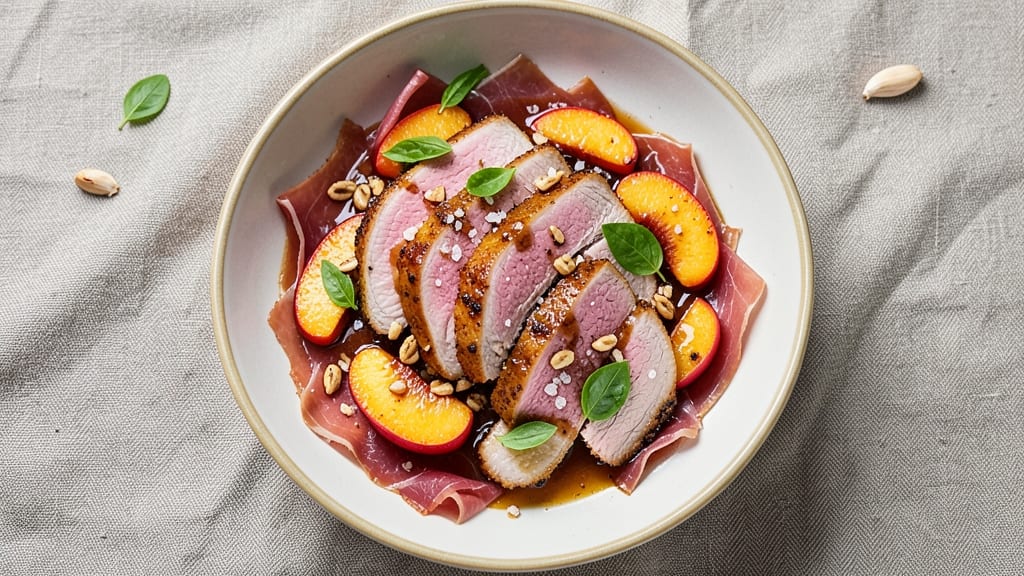
Creating a perfectly balanced peach pork tenderloin recipe transforms a simple weeknight dinner into a restaurant-worthy centerpiece. The marriage of sweet summer peaches with savory pork creates a harmony that feels both nostalgic and fresh—like a summer picnic on your dinner table.
I developed this method after years of experimenting with fruit-infused marinades, and the 35-minute timeline makes it ideal for busy evenings.
The secret lies in the preparation: tender pork seared to perfection, caramelized peaches that burst with flavor, and a balance of sweet and savory that keeps every bite exciting. This recipe uses fresh peaches for their natural sweetness, but you can substitute canned peaches in a pinch.
The marinade infuses the pork with just enough fruit flavor without overpowering its natural taste.
By the time you serve this dish, you'll have golden-brown pork with a tender, juicy interior and peaches that are caramelized to the perfect balance of sweet and tart. The combination creates a dish that's elegant enough for company but simple enough for a weeknight.
Serve it with a side of mashed potatoes or a fresh garden salad to round out the meal.
This recipe delivers restaurant-quality results with minimal effort, proving that you don't need complicated techniques to create a memorable dinner. The key is patience—letting the flavors meld during cooking and trusting the process. Let's get started on creating this summer-inspired dish that will impress everyone at your table.
Ingredients for peach pork tenderloin
Sweet summer peaches and savory pork come together in this restaurant-worthy dish.
| Ingredient | Amount | Notes |
|---|---|---|
| Pork Tenderloin 🥩 | 1 ½ lb | Center-cut, trimmed of fat |
| Fresh Peaches 🍑 | 2 whole | Ripe, firm, peeled and sliced |
| Extra-Virgin Olive Oil 🫒 | 2 tbsp | For searing and marinade |
| Brown Sugar 🍯 | 2 tbsp | Light or dark variety |
| Balsamic Vinegar 🍷 | 1 tbsp | For depth of flavor |
| Garlic Cloves 🧄 | 3 cloves | Minced for marinade |
| Fresh Rosemary 🌿 | ¼ cup | Chopped, finely |
| Salt 🧂 | 1 tsp | Kosher or sea salt |
| Black Pepper 🌶️ | ½ tsp | Freshly ground |
| Honey 🍯 | 1 tbsp | Wildflower preferred |
| Fresh Thyme Leaves 🌿 | ¼ cup | Chopped, or dried |
| Unsalted Butter 🧈 | 1 tbsp | For basting |
| Red Wine Vinegar 🍷 | 1 tbsp | For brightness |
The pork tenderloin is your star here—center-cut and trimmed for perfect tenderness. Grab one from the butcher counter if you can (they'll cut it for you), or pick up a pre-trimmed one from Costco or Whole Foods. Look for even thickness—about 1.5 inches—so it cooks uniformly. Fresh peaches should have vibrant color and give slightly when pressed. Local farmers markets often have the juiciest ones, but grocery store peaches work too if they're firm and fragrant. The rosemary and thyme? Grab fresh if you can—Penzeys or local herb shops have great options, but dried works in a pinch (use half the amount).
No fresh peaches? Canned peaches in juice (not syrup) work perfectly—just drain and pat dry. Subbing honey for brown sugar? Use the same amount, but add an extra pinch of salt to balance. The balsamic and red wine vinegar might be in the same bottle at your grocery store—check the Italian aisle. For the garlic, roast it first (wrap whole cloves in foil, bake at 400°F for 10 minutes) for a sweeter, deeper flavor. No fresh herbs? Dried oregano or marjoram at half the amount will do the trick. And if you're short on butter, olive oil works too—just reduce the amount by half.
Marinade keeps for 3 days in the fridge, but the pork should marinate no longer than 4 hours to avoid toughness. Cooked pork reheats beautifully—350°F for 10 minutes in a covered dish. Leftovers? Store in an airtight container for 4 days. The peaches caramelize quickly, so keep them on the counter until serving. This dish is perfect for meal prep—double the marinade and freeze half for next time. Trust me, it's worth the extra effort.
Why You'll Love This Recipe
- Foolproof Timing: I swear by this recipe when I’m staring at the clock at 6:30 PM. The pork tenderloin cooks in one pan with the peaches—no basting, no flipping drama—just 25 minutes of hands-off searing and simmering. Honestly, the only thing I stress over is whether to use white or yellow peaches (both work, but the juicier ones caramelize better).
- Sweet-Savory Magic: That balsamic glaze with brown sugar? It’s the secret weapon. The pork stays juicy while the peaches melt into a sticky, tangy-sweet sauce—like a cross between a summer picnic and a fancy dinner. I’ll be real: my picky husband actually licks his plate.
- Weeknight Hero: This feeds four but scales easily for six. Use half the pork for a quick lunch, or double the peaches for a crowd. I’ve served it at BBQs (it holds up in the heat) and as a lazy Sunday brunch (just add crusty bread). Not the prettiest, but the taste makes up for it every time.
- Budget-Friendly Luxury: Pork tenderloin is lean and affordable, and peaches are cheaper than berries in season. The olive oil and balsamic stretch far—save the leftovers for sandwiches or salads. Took me three tries to get the sugar balance right, but now it’s my go-to “I deserve this” meal for under $15.
Step-by-step instructions for peach pork tenderloin
Here's how to create a perfectly tender, sweet-tart masterpiece in just 35 minutes.
Prepare the Pork and Peaches
Pat the 1.5 lb pork tenderloin dry with paper towels—this ensures maximum browning. Using a sharp knife, make 4-6 shallow slits about ½-inch deep along the length of the meat. This allows the marinade to penetrate deeply and keeps the meat tender throughout.
While the pork rests at room temperature, peel and slice the 2 whole fresh peaches into ¼-inch thick wedges. Set them aside—their natural juices will infuse the pork with sweetness as it cooks. I like to work with ripe but firm peaches that hold their shape during cooking.
Create the Sweet-Tart Marinade
In a small bowl, whisk together the 2 tbsp extra-virgin olive oil, 2 tbsp brown sugar, 1 tbsp balsamic vinegar, 1 tbsp honey, 1 tbsp red wine vinegar, 3 minced garlic cloves, 0.25 cup finely chopped fresh rosemary, 0.25 cup chopped fresh thyme leaves, 1 tsp salt, and 0.5 tsp black pepper. This marinade balances sweet and tart flavors while keeping the pork incredibly tender.
Pour the marinade into a resealable plastic bag and add the pork tenderloin. Seal the bag and massage the marinade over the meat, coating it thoroughly. Let it marinate for at least 15 minutes at room temperature—this jumpstarts the flavor infusion and helps create that perfect crust when seared.
Sear the Pork to Perfection
Heat a large skillet over medium-high heat until it's hot but not smoking. Add the pork tenderloin and sear for 3-4 minutes on each side until it develops a beautiful golden-brown crust. The pork should release easily from the pan—this is your signal it's ready for the next step.
Remove the pork and set it aside on a plate. In the same skillet, add the 1 tbsp unsalted butter and the sliced peaches. Cook for 2-3 minutes until the peaches begin to soften slightly and release their juices. This step caramelizes the peaches and builds flavor in the pan.
Finish with Sweet-Tart Glaze
Return the pork to the skillet with the peaches. Pour any accumulated juices from the plate into the skillet and spoon them over the pork. Reduce the heat to medium and let everything cook together for 8-10 minutes, spooning the juices and peaches over the pork occasionally.
You'll know it's done when the internal temperature reaches 145°F and the pork is fork-tender with just a slight resistance. The peaches should be tender but still holding their shape, and the pork should be beautifully caramelized with that sweet-tart glaze coating it.
Rest and Serve
Transfer the pork to a cutting board and let it rest for 5 minutes before slicing. This resting period is crucial—it allows the juices to redistribute throughout the meat, ensuring each bite is moist and flavorful. Don't skip this step, even though it's tempting with such a delicious-looking dish.
Slice the pork into ½-inch thick medallions and arrange it on a platter with the peaches and any pan juices. The result is a perfect balance of tender pork with sweet-tart peaches and herby aromatics. Serve immediately with crusty bread or over a bed of fresh greens for a complete meal.
Pro Tips For Making Peach Pork Tenderloin
- SEAR FIRST, BAKE LATER: I used to try to roast the pork and peaches together from the start, but that leads to a sad, undercooked center. Instead, sear the pork tenderloin in a hot pan with olive oil for 3-4 minutes per side until golden—this locks in juices and builds flavor before it even hits the oven. Then finish baking with the peaches. The crust alone makes the dish.
- PEEL THOSE PEACHES: Fresh peaches are the star, but their skins can turn bitter when roasted. Take the 30 seconds to peel them—just slice off the top, pop out the pit, and slide the skin off with a paring knife. No one wants mushy, astringent fruit fighting for attention next to that tender pork. Trust me, the effort shows.
- DON’T OVERCOOK THE PEACHES: Peaches caramelize fast, and once they’re mushy, there’s no going back. Toss them in brown sugar and balsamic after the pork has been seared and halfway through baking—about 15 minutes in. They only need 10-12 minutes total in the oven, or they’ll turn into a syrup glaze. Check them early and pull them when they’re just softening, not collapsing.
- USE THE PEACH JUICE: After roasting, you’ll have a sticky, syrupy mess in your pan—don’t toss it. Deglaze with a splash of water, scrape up those caramelized bits, and drizzle it over the pork before serving. That’s where half the flavor hides, and it takes 30 seconds. Your guests will think you slaved over it for hours.
Wine and beer pairings for this recipe
White Wine Pairings
For this sweet-tart masterpiece, a crisp Italian Pinot Grigio from Alto Adige is my go-to choice. Its bright acidity and subtle citrus notes cut through the peach's sweetness while complementing the pork's savory depth.
I always keep a bottle of Santa Margherita Pinot Grigio in my fridge—it's reliable and never disappoints. The wine's clean finish ensures each bite of tender pork and caramelized peach shines without competition. 🍷
Red Wine Options
A light-bodied Chianti from Tuscany works beautifully when you want to add a touch of earthiness to the dish. Look for a Sangiovese-based Chianti with about 12-13% alcohol—it won't overpower the peach but adds a nice herbal backbone.
I've also enjoyed pairing this dish with a Gamay from Beaujolais, especially when served with a lighter side like arugula salad.
Beer Complements
For beer lovers, a Belgian Witbier like Hoegaarden brings refreshing citrus and coriander notes that mirror the peaches' tartness. The effervescence also cleanses your palate between each delicious bite.
If you prefer American craft beers, a hazy IPA with light fruit notes (like The Bruery's Peach Tree IPA) works surprisingly well—just avoid heavy hops that might clash with the dish's delicate balance. 🍺
Sweet Sparkling
When I'm serving this dish at summer gatherings, I reach for a Prosecco from Italy's Veneto region. Its natural sweetness and bubbles enhance the peach's flavor while keeping the meal light and refreshing.
A chilled La Marca Prosecco at $15-$20 is my secret weapon for effortless elegance. The effervescence also makes the meal feel more celebratory without overwhelming the dish.
Non-Alcoholic Options
Don't overlook sparkling water with a splash of peach nectar or ginger beer for a refreshing non-alcoholic pairing. I like to add a few drops of peach bitters to sparkling water for a sophisticated touch that mirrors the dish's sweet-tart profile.
For something more substantial, try a sparkling hibiscus tea—it adds a floral note that complements the rosemary in the marinade.
Pairing Pro Tips
Always serve your wine or beer slightly chilled—around 50-55°F for whites and 45-50°F for beers. I keep my wines in a wine fridge set to 50°F, but a regular fridge works in a pinch.
For the perfect pour, fill the glass only one-third full—this allows the aromas to concentrate as you swirl. The key is balance: let the beverage enhance the dish without stealing its spotlight. 💡
Nutrition facts
Frequently asked questions
Can I use frozen peaches instead of fresh?
Thaw frozen peaches completely, then pat them dry before slicing. For best results, use peaches in juice (not syrup) to maintain the natural sweet-tart balance. Frozen peaches work especially well in summer when fresh ones aren't in season.
How do I keep the pork tenderloin from drying out?
Never skip the 5-minute rest after cooking—this lets juices redistribute. Also, avoid overcooking: use a meat thermometer and stop at 145°F internal temperature. The marinade's olive oil and honey help lock in moisture, but don't exceed 4 hours of marinating time to prevent toughness.
What's the best way to store leftovers?
Store cooked pork in an airtight container for up to 4 days in the fridge. Reheat gently in the oven at 350°F for 10 minutes to maintain moisture. The peaches don't store well reheated—use them fresh or save them for smoothies. The marinade keeps for 3 days in the fridge if you want to prep ahead.
Can I make this on the grill instead of stovetop?
Yes! Grill the pork over medium-high heat for 12-15 minutes, turning occasionally, until it reaches 145°F. Caramelize the peaches in a separate skillet first, then serve them on the side. The grill adds a nice smoky depth that pairs beautifully with the sweet-tart flavors.
What if my peaches aren't ripe enough?
Place unripe peaches in a paper bag with a banana for 24 hours—the ethylene gas will help ripen them. For cooking, slightly underripe peaches hold their shape better, but they'll be less sweet. Add an extra ½ tbsp honey to the marinade to compensate.