
Main Courses
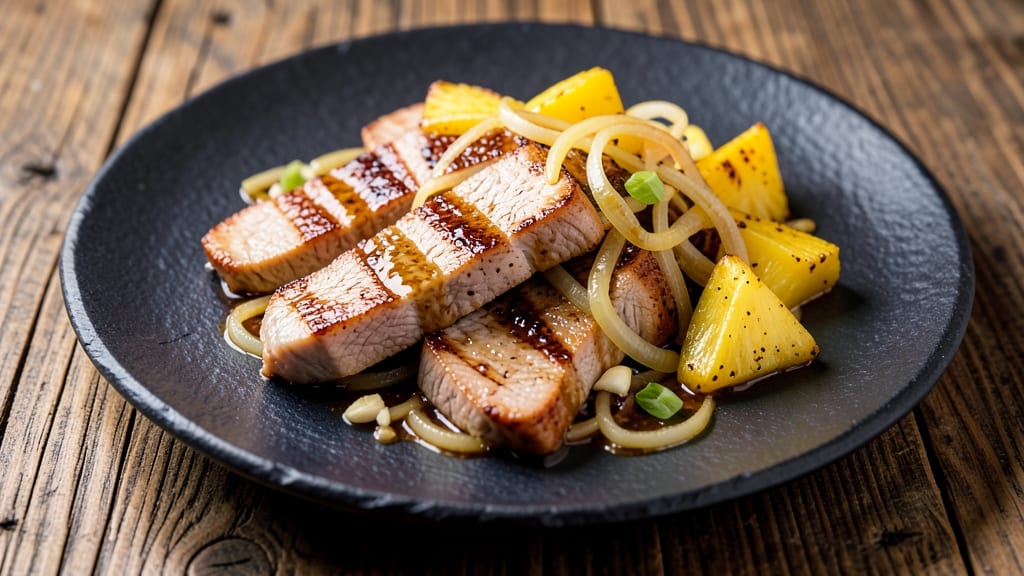
This pineapple-pork stir-fry recipe delivers the perfect balance of sweet and savory in under 30 minutes—no takeout required. Standing on a step stool in my grandmother’s kitchen in Sicily, I first learned how bold flavors transform simple ingredients into something extraordinary.
That lesson still guides me today, especially when I need a quick, restaurant-quality meal.
The secret lies in the marinade—a blend of soy sauce, honey, and garlic—that tenderizes the pork while building layers of flavor. Using tenderloin ensures quick cooking without sacrificing texture, and the pineapple adds just the right amount of sweetness to cut through the richness.
High heat and a well-seasoned pan create that signature wok hei—the smoky aroma that makes stir-fry so irresistible.
By the time you’re done, you’ll have perfectly caramelized pork, tender pineapple chunks, and a sauce that clings to every bite. The dish is hearty enough to stand alone but pairs beautifully with steamed rice or crispy dumplings for a full meal.
This is the kind of recipe that turns a busy weeknight into a flavor-packed celebration.
Whether you’re feeding a family or treating yourself, this stir-fry comes together faster than takeout but tastes like it was made with love. Let’s get cooking—your taste buds will thank you.
Ingredients for pineapple-pork stir-fry
Sweet, savory, and fast—this stir-fry comes together with ingredients you already love.
| Ingredient | Amount | Notes |
|---|---|---|
| Pork Tenderloin 🥩 | 1 ¼ lb | Boneless, cut into 1-inch slices |
| Fresh Pineapple Chunks 🍍 | 1 ½ cups | Fresh or canned in juice, drained |
| Yellow Onion 🧅 | 1 whole | Thinly sliced, about 1.5 cups |
| Garlic Cloves 🧄 | 4 cloves | Minced, fresh preferred |
| Ginger Root 🌿 | 1 tbsp | Freshly grated, not powdered |
| Low-Sodium Soy Sauce 🥢 | ½ cup | Kikkoman preferred for balance |
| Honey 🍯 | ¼ cup | Wildflower for floral notes |
| Sesame Oil 🫒 | 1 tbsp | Toasted, for aroma |
| Vegetable Oil 🫒 | 2 tbsp | High smoke point for stir-frying |
| Red Bell Pepper 🌶️ | 1 whole | Thinly sliced, seeds removed |
| Green Onion 🧅 | 3 whole | Thinly sliced, white and green parts |
| Cornstarch 🌾 | 1 tbsp | For tenderizing pork |
| Diamond Crystal Kosher Salt 🧂 | ½ tsp | For seasoning |
| Ground Black Pepper 🌶️ | ¼ tsp | Freshly cracked |
| Sesame Seeds 🌾 | 1 tbsp | Toasted for garnish |
The pork tenderloin is your star here. Look for a uniformly thick cut—it cooks faster and stays juicier. Costco or Whole Foods usually carry high-quality tenderloin, but any reputable butcher will do. If you can't find fresh pineapple, canned in juice works perfectly—just drain it well. The ginger and garlic? Freshly grated and minced make all the difference; pre-minced garlic lacks that bright punch. For the soy sauce, Kikkoman is my go-to—it's balanced and widely available, but any low-sodium brand will work.
No sesame oil? Avocado oil or neutral oil works in a pinch, but you'll miss that nutty aroma. Short on honey? Maple syrup or agave adds sweetness, though honey's floral notes are ideal. The cornstarch is key—it tenderizes the pork while keeping it from drying out. Arrowroot powder can substitute at the same ratio. For the bell pepper, red or yellow both work, but red adds a subtle sweetness that pairs beautifully with the pineapple. If you're feeling adventurous, swap in snap peas or broccoli florets for extra veggies—just cook them separately to avoid mushiness.
This stir-fry reheats beautifully—microwave for 30 seconds with a splash of water to keep it moist. Store leftovers in an airtight container for 3-4 days in the fridge or freeze for up to 3 months. I like to portion mine into single servings before freezing so I can grab and reheat exactly what I need. The sauce thickens as it cools, so if it seems too thin after reheating, just add a quick stir with a splash of water or a pinch of cornstarch.
Why You'll Love This Recipe
- One-Pan Magic: I swear by this recipe for lazy nights—just slice the pork, dice the onion, and toss it all in one hot pan. No fancy prep, no extra dishes, and still tastes like you slaved over it.
- Sweet-Savory Balance: That caramelized pineapple with the tender pork? It’s the kind of combo that makes you pause mid-bite. The ginger and garlic cut through the sweetness just enough to keep it bright, not cloying.
- Lunchbox Hero: Between us, this is my go-to for meal prep. The flavors actually improve the next day—pack it in containers, and you’ve got a lunch that’ll make coworkers ask for the recipe.
- Budget-Friendly Feast: Pork tenderloin stretches far here, and pineapple’s seasonal deals make this a steal. Plus, you’re using simple pantry staples—no specialty ingredients, just real flavor for less.
Step-by-step instructions for pineapple-pork stir-fry
Here's how to create a perfectly balanced stir-fry with tender pork and vibrant tropical flavors.
Prep the Pork for Maximum Tenderness
Cut the 1.25 lb pork tenderloin into 1-inch slices against the grain for optimal texture. Place each slice between two sheets of plastic wrap and pound gently with a meat mallet until they reach ¼-inch thickness. This ensures even cooking and prevents toughness.
In a small bowl, whisk together the 1 tbsp cornstarch, 0.5 tsp diamond crystal kosher salt, and 0.25 tsp ground black pepper. Toss the pork slices in this mixture, coating them evenly. Let them sit for 10 minutes while you prep the remaining ingredients. This step creates a crisp exterior while keeping the pork juicy inside.
Build the Stir-Fry Base with Aromatics
Heat 2 tbsp vegetable oil in a large skillet or wok over medium-high heat until shimmering. Add the 1 whole yellow onion and 1 whole red bell pepper, sliced thinly. Stir-fry for 3-4 minutes until the onions soften and the peppers begin to blister slightly. Remove them and set aside.
In the same pan, add 4 cloves minced garlic and 1 tbsp freshly grated ginger root. Cook for 30 seconds until fragrant—this releases their full flavor. Be careful not to let them burn, as they can quickly turn bitter. Here's where the foundation of your stir-fry's depth comes from.
Cook the Pork to Perfect Doneness
Working in batches if needed, add the pork slices to the hot pan. Cook for 2-3 minutes per side until they reach 145°F internally and develop a golden crust. The cornstarch coating will create a satisfying crunch while keeping the pork moist. Remove the pork and set aside with the vegetables.
Real talk: Don't overcrowd the pan. If you're cooking all the pork at once, reduce the heat slightly to medium to prevent steaming instead of searing. You want that caramelized crust on every piece for maximum flavor impact.
Create the Sweet-Savory Sauce
Return the pan to medium heat and add 1 tbsp sesame oil. Pour in the 0.5 cup low-sodium soy sauce and 0.25 cup honey, stirring to combine. Let the sauce simmer for 2-3 minutes until it thickens slightly and coats the back of a spoon. This is where the magic happens—the balance of sweet and salty that makes this dish irresistible.
Add the 1.5 cups fresh pineapple chunks and 3 whole green onions, sliced thinly. Cook for 1-2 minutes until the pineapple softens slightly but still holds its shape. The acidity from the pineapple will brighten the dish and cut through the richness of the pork.
Finish and Serve with Flair
Return the pork and vegetables to the pan, tossing everything together to coat evenly in the sauce. Cook for an additional 1 minute to heat through completely. The pork should be tender with a slight bounce, and the vegetables should be vibrant but still crisp.
Garnish with 1 tbsp toasted sesame seeds and serve immediately over steamed rice or noodles. The contrast of warm, tender pork with the bright, juicy pineapple creates a perfect balance of textures and flavors in every bite. This dish comes together faster than you'd expect while delivering restaurant-quality results.
Pro Tips For Making Pineapple-Pork Stir-Fry
- CRANK THE HEAT FIRST: Your wok or pan needs to scream before the pork hits the oil—think flames, not simmer. I learned this the hard way when my pork came out gray and sad instead of caramelized and juicy. Once the pork is seared (3-4 minutes), you can dial it back, but that initial blast locks in flavor like nothing else.
- CUT PINEAPPLE SMALLER THAN YOU THINK: Bite-sized chunks cook faster and release juices evenly, so your stir-fry doesn’t turn into a soggy mess. I used to eyeball it and end up with half the pineapple still raw while the pork dried out. Aim for ½-inch cubes—small enough to melt into the sauce but big enough to stay recognizable.
- SALT THE PORK BEFORE SEARING: A pinch of salt on the pork 10 minutes before cooking draws out moisture, which evaporates in the pan and creates that perfect crust. I skipped this for years, wondering why my stir-fry never had that restaurant-quality bite. Trust me, the salt isn’t just for flavor—it’s for texture.
- STIR-FRY IN BATCHES: Overcrowding the pan steams the pork instead of searing it, and your stir-fry turns out mushy. Work in two batches if needed—sear half the pork, set it aside, then repeat. Yes, it takes a little longer, but the difference in texture is worth it. (And if you’re short on time, at least sear the pork first, then toss everything together at the end.)
Regional styles of pineapple-pork stir-fry
Hawaiian Fusion Twist
Inspired by my grandmother’s love of bold flavors, I’ve adapted this stir-fry with a Hawaiian-inspired touch—swap the sesame oil for toasted coconut oil and add ½ cup crushed macadamia nuts at the end for crunch.
The pineapple-pork combo is already a natural fit, but the nutty richness of macadamia nuts takes it to another level. Serve with jasmine rice for a fragrant, tropical-inspired meal that feels like a vacation in your kitchen. 🌺
Thai-Inspired Heat
For a spicier kick, infuse the stir-fry with Thai flavors by adding 1 tbsp red curry paste to the sauce and a splash of fish sauce (about 1 tsp). The umami depth from the curry paste balances the sweetness of the pineapple beautifully.
Garnish with thinly sliced Thai basil and a sprinkle of crushed peanuts for texture. This version is a crowd-pleaser, especially if you serve it with steamed jasmine rice and a side of spicy mango chutney. 🌶️
Japanese Teriyaki Style
Transform this dish into a Japanese-style teriyaki stir-fry by replacing the honey with ¼ cup mirin and adding 1 tbsp sake to the sauce. Use 1 tbsp grated fresh ginger and 1 tsp grated daikon radish for extra umami.
Finish with a drizzle of reduced teriyaki sauce (simmer ¼ cup soy sauce, 2 tbsp mirin, and 1 tbsp sugar until thickened). Serve over steamed white rice and garnish with pickled ginger for a bright, tangy contrast. 🍶
Caribbean Jerk Fusion
Give this stir-fry a Caribbean twist by marinating the pork in 1 tbsp jerk seasoning (or a blend of 1 tsp each allspice, thyme, and cinnamon) along with the cornstarch. Add 1 tbsp lime juice to the sauce and a pinch of scotch bonnet pepper for heat.
Serve with coconut rice and a side of mango salsa for a sweet, spicy, and tangy explosion of flavors. This version is perfect for a weekend brunch or a flavorful dinner. 🌴
Korean-Inspired Bulgogi
For a Korean-inspired take, marinate the pork in 1 tbsp gochujang (Korean chili paste) and 1 tbsp brown sugar along with the soy sauce and honey. Add 1 tsp grated pear (or 1 tbsp pear juice) to tenderize the pork.
Serve over steamed short-grain rice and garnish with sliced green onions and sesame seeds. The sweet-spicy bulgogi flavors pair perfectly with the juicy pineapple. 🇰🇷
Modern American Shortcut
For a quicker version, use pre-cut frozen pineapple chunks and pre-sliced bell peppers and onions from the grocery store. Swap the fresh ginger for ½ tsp ground ginger and use store-bought teriyaki sauce to streamline the process.
This shortcut doesn’t skimp on flavor—it’s perfect for busy weeknights when you still want a restaurant-quality meal. Just remember, fresh ingredients always elevate the dish, but this version proves you don’t need to spend hours in the kitchen. ⏰
Nutrition facts
Frequently asked questions
Can I use pork shoulder instead of tenderloin?
Pork shoulder works but requires adjustments. Cut it into ½-inch thick slices and marinate for at least 1 hour (or overnight) in the cornstarch mixture. Cook at medium heat for 4-5 minutes per side until fully tender (160°F internal temp). The fat content adds richness but may need extra time to render.
How do I make this dish spicier?
Add ½ tsp red pepper flakes or 1 tbsp sriracha to the sauce, or stir in 1 tsp chili garlic sauce at the end. For heat lovers, swap ½ cup pineapple with diced jalapeños (seeds removed). Balance the heat with extra honey or a squeeze of lime.
Can I make this stir-fry ahead of time?
Yes! Cook the pork and veggies, then store them separately in an airtight container for up to 3 days. Reheat the pork in a pan with 1 tsp oil over medium heat for 2 minutes, then toss with veggies and sauce. For best texture, add pineapple fresh when reheating.
What if I don’t have fresh pineapple?
Use canned pineapple in juice (drained well) or frozen chunks (thawed and patted dry). For extra flavor, add ½ tsp vanilla extract to the sauce. Avoid syrup-packed pineapple—it’ll make the dish too sweet. The texture will be slightly softer but still delicious.
How do I prevent the pork from drying out?
Keep the heat at medium-high (not high) and avoid overcrowding the pan. Use a meat thermometer to check for 145°F internal temp. For extra moisture, add 1 tbsp water or broth to the pan when making the sauce. Let the pork rest for 2 minutes before serving.