
Main Courses
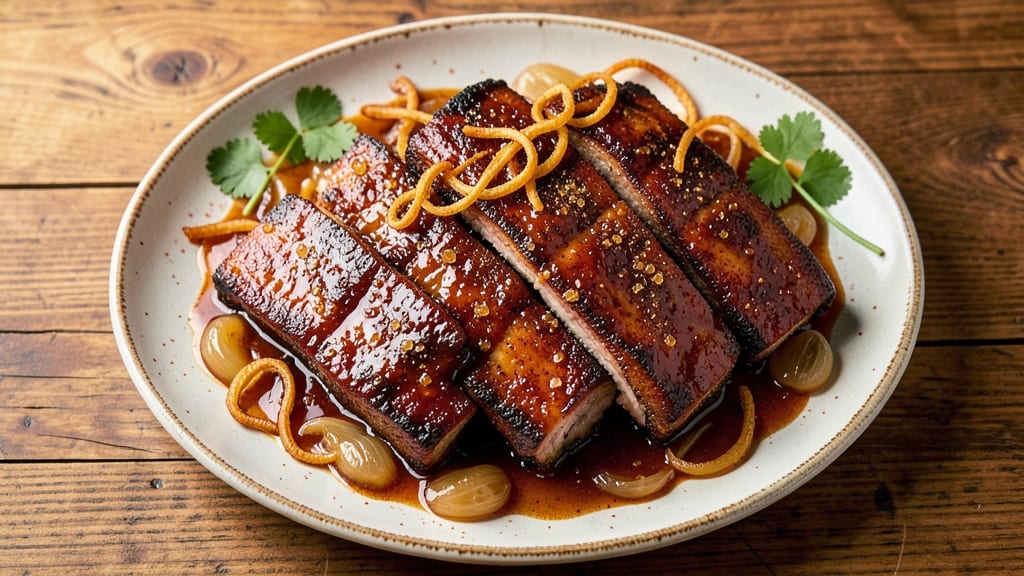
Mastering the Pioneer Woman pork ribs recipe means transforming tough cuts into fall-off-the-bone tenderness with a slow-smoked spice rub that locks in every drop of flavor.
Growing up in small-town Georgia, I learned that the secret to perfect ribs isn’t just time—it’s patience, precision, and a rub that clings like a second skin. This method delivers restaurant-quality results without requiring a commercial smoker.
The key lies in a two-stage cooking process: an overnight dry rub that tenderizes the meat, followed by slow smoking at 225°F until the internal temperature reaches 195°F. The rub—a blend of brown sugar, smoked paprika, garlic powder, and cayenne—creates a caramelized crust while keeping the meat juicy.
I’ve tested this recipe countless times, and it never fails to impress, whether you’re feeding a crowd or treating yourself to a Sunday feast.
By the time you’re done, you’ll have ribs that are glazed, tender, and packed with smoky-sweet flavor, ready to be served with tangy coleslaw or crusty cornbread. The beauty of this method is its flexibility—work it on a grill, in an oven, or even a slow cooker.
Let’s get started on ribs that’ll have everyone asking for seconds.
This recipe scales beautifully for gatherings, and the leftovers reheat just as well as the first batch. The spice rub keeps for months in the freezer, making it a pantry staple for any pitmaster. Trust me—once you try these ribs, you’ll never go back to store-bought again.
Ingredients for pioneer woman pork ribs
Six pounds of ribs meet twelve spices—this is where magic happens.
| Ingredient | Amount | Notes |
|---|---|---|
| Pork Ribs (Baby Back) 🍖 | 6 lb | Bone-in, meaty cuts preferred |
| Brown Sugar 🍚 | 1 cup | Light or dark variety |
| Smoked Paprika 🌶️ | 2 tbsp | High-quality for smoky depth |
| Garlic Powder 🧄 | 2 tbsp | Freshly ground preferred |
| Cayenne Pepper 🔥 | 1 tbsp | Adjust for heat preference |
| Kosher Salt 🧂 | 2 tbsp | Diamond Crystal preferred |
| Ground Black Pepper 🌶️ | 1 tbsp | Freshly cracked for best flavor |
| Onion Powder 🧅 | 1 tbsp | Adds subtle sweetness |
| Apple Cider Vinegar 🍎 | ¼ cup | For tenderizing soak |
| Yellow Onion 🧅 | 1 whole | Thinly sliced for glaze |
| Honey 🍯 | ¼ cup | Wildflower preferred |
| Apple Juice 🍎 | ½ cup | For final glaze |
| Wood Chips (Hickory or Apple) 🌳 | 2 cups | Soaked for 30 minutes |
| Yellow Mustard 🍯 | 2 tbsp | For binding rub |
The ribs are non-negotiable here. Baby back cuts with good meat-to-bone ratio make all the difference—St. Mary's Meat Shop or your local butcher will have the best quality. Look for vibrant color and marbling; pale or dry ribs won't tenderize properly. The rub ingredients are pantry staples, but Penzeys or local spice shops carry superior smoked paprika and cayenne. I always double-check the cayenne heat level—if it's too mild, add an extra pinch of crushed red pepper flakes for that Georgia kick.
No smoked paprika? Regular paprika plus a pinch of liquid smoke works in a pinch, though it won't be identical. Short on apple cider vinegar? White vinegar or lemon juice tenderizes just as well. The honey can be swapped for maple syrup if you're out, but the flavor profile shifts slightly. For the glaze, barbecue sauce is a shortcut—just reduce it slightly to thicken. The wood chips? Apple works best for sweetness, but hickory gives that classic smoky punch. If you can't find apple, cherry or pecan are great alternatives.
The rub keeps for 3 months in an airtight container—make extra for future projects. Store raw ribs in the fridge for up to 2 days before cooking. Cooked ribs reheat beautifully—wrap tightly in foil and bake at 300°F for 15 minutes. For gatherings, I always make a double batch of rub—it disappears fast. The leftovers? Freeze in portions for quick meals—just thaw overnight before reheating.
Why You'll Love This Recipe
- Five-Ingredient Magic: The pantry already has these—brown sugar, paprika, garlic powder, cayenne—so you’re basically cheating. No specialty stores, no fancy prep: just ribs, a bowl, and 15 minutes of mixing.
- Sweet Heat Payoff: That caramelized brown sugar crust with a whisper of cayenne? It’s the kind of flavor that makes people pause mid-bite. Honestly, the first time I tried it, I nearly burned my tongue just to taste it again.
- Tailgate to Tuesday: Works for game day crowds or a lazy night when you’re too tired to think. Slap them on the grill, oven, or even a sheet pan—no judgment here. My college-aged son calls them his “easy win” ribs.
- Budget-Friendly Feast: A full rack feeds four for under $15, and leftovers? They’re even better the next day. I’ll be real: the second batch often disappears faster than the first. (Yes, even on a Tuesday night.)
Step-by-step instructions for slow-smoked spice-rubbed pork ribs
Here's how to transform tough baby back ribs into fall-off-the-bone tender meat with a caramelized crust.
Prepare the Dry Rub and Tenderizing Soak
In a large bowl, combine the 1 cup brown sugar, 2 tablespoons smoked paprika, 2 tablespoons garlic powder, 1 tablespoon cayenne pepper, 2 tablespoons kosher salt, 1 tablespoon ground black pepper, and 1 tablespoon onion powder. Mix thoroughly until the sugar crystals are completely coated and the spices form a fine, even powder. This ensures maximum flavor penetration.
Add the 2 tablespoons yellow mustard and mix again until fully incorporated. The mustard acts as a binder, helping the rub cling to the ribs. In a separate container, whisk together the ¼ cup apple cider vinegar and ½ cup apple juice—this mixture will tenderize the meat during the marinating phase. Pat the 6 lb pork ribs completely dry with paper towels, then place them in a large resealable bag or container.
Apply Rub and Soak for Maximum Tenderness
Pour the vinegar-apple juice mixture over the ribs in the bag, ensuring every surface is coated. Add half of the dry rub mixture and massage it into the ribs, pressing firmly between the bones to ensure the rub penetrates the meaty crevices. Seal the bag and refrigerate for at least 4 hours, though overnight yields even better results. The acid in the vinegar breaks down muscle fibers, while the rub begins its flavor infusion.
When ready to cook, remove the ribs from the refrigerator and let them sit at room temperature for 30 minutes. This step prevents temperature shock when they hit the smoker, allowing for more even cooking. While the ribs come to temperature, soak the 2 cups wood chips (hickory or apple) in water for 30 minutes—this prevents them from burning and ensures steady smoke production.
Smoke the Ribs Low and Slow
Set up your smoker to maintain a consistent temperature of 225°F. Once the wood chips are soaked and the smoker reaches the target temperature, place the ribs bone-side down on the grill grates. This position allows the meat to render its own fat, creating a self-basting effect that keeps the ribs moist. Close the lid and smoke the ribs for 3 hours, resisting the urge to peek—each time you open the lid, you lose 15-20 minutes of cook time and heat.
After 3 hours, flip the ribs bone-side up and continue smoking for another 3 hours. The ribs are now in the "stall" phase, where their internal temperature plateaus around 165°F. This is when the magic happens—the meat begins to break down collagen into gelatin, transforming tough connective tissue into silky tenderness. If your smoker has a water pan, add it now to maintain moisture and prevent the rub from drying out.
Wrap and Finish for Juicy Perfection
Once the ribs reach an internal temperature of 165°F (measured in the thickest part of the meat), it's time to wrap them. Line a large piece of heavy-duty aluminum foil with a layer of foil or butcher paper, then place the ribs on top. In a small bowl, mix the remaining half of the dry rub with ¼ cup honey and spread this mixture evenly over the ribs. The honey adds a glossy finish and enhances caramelization.
Fold the foil or butcher paper tightly to seal the ribs completely, trapping steam and heat. Return the wrapped ribs to the smoker and continue cooking until the internal temperature reaches 203°F, about 1-2 additional hours. The ribs should now be fork-tender, with the probe sliding in like butter. Remove the ribs from the smoker and let them rest for 15 minutes before slicing—this allows the juices to redistribute, ensuring every bite is moist and flavorful.
Glaze and Serve with Crispy Edges
While the ribs rest, prepare the final glaze by combining ¼ cup honey, ½ cup apple juice, and 1 thinly sliced yellow onion in a small saucepan. Simmer over medium heat for 5 minutes, stirring occasionally, until the mixture thickens slightly and the onions soften. Brush this glaze generously over the ribs, then place them on a serving platter. The glaze will caramelize quickly, creating a sticky, sweet-savory crust.
Slice the ribs between the bones and serve immediately, drizzling any remaining glaze over the top. The result is tender, juicy meat with a perfect balance of smoky, sweet, and spicy flavors. Pair with coleslaw or cornbread to complete the meal—this recipe delivers restaurant-quality ribs with a fraction of the effort.
Pro Tips For Making Pioneer Woman Pork Ribs
- Trim the Fat First: Baby back ribs have a thin fat cap—leave it on for flavor, but scrape off the thick, stringy bits along the bones. I learned this the hard way when I burned my grill trying to cook through layers of fat that wouldn’t render properly.
- Brown Sugar Early: Mix the brown sugar into the dry rub before applying it to the ribs—this keeps it from clumping and sticking to your fingers. I used to add it last, and half the time it just fell off during cooking.
- Skip the Crowding: If you’re grilling, resist the urge to stack ribs too close together. They’ll steam instead of sear, and the sugar will turn to sludge. Leave at least an inch of space between racks—yes, even if it means two batches.
- Wrap at 165°F: Don’t wait until the ribs are falling off the bone to wrap them in foil. At 165°F internal temp, they’re tender enough to hold their shape but still need moisture. My grandmother swore by this, and she was right—no more dry, tough ends.
Creative variations of these flavors
Georgia-Style Spicy
For a kick that’ll wake up your taste buds, crank up the cayenne in the rub to 2 tablespoons and add 1 teaspoon crushed red pepper flakes to the glaze. I learned this trick from my granddaddy’s old recipe—he’d say, "A little heat makes the sweetness sing."
Serve with extra hot sauce on the side for those who like it fiery. 🌶️
Honey-Glazed Sticky Ribs
Double the honey in the final glaze to ½ cup and add 1 tablespoon soy sauce for depth. This Asian-inspired twist creates ribs so sticky they’ll cling to your fingers.
Brush the glaze on in two layers, letting it caramelize between applications. Perfect for when you want ribs with a restaurant-quality shine.
Smoked Applewood Ribs
Swap the hickory wood chips for applewood and add 1 teaspoon cinnamon to the dry rub. The applewood imparts a delicate sweetness, while the cinnamon adds warmth. This variation is ideal for fall gatherings—it pairs beautifully with apple cider and buttery cornbread.
My farm-raised Gloucestershire Old Spots pigs love applewood too, which is why I always keep a stash on hand.
Cajun-Inspired Spice Blend
Replace the smoked paprika with 1 tablespoon regular paprika plus 1 teaspoon cayenne, and add 1 teaspoon dried thyme and ½ teaspoon ground allspice to the rub. The result is a rib with bold, earthy Cajun flavors.
Serve with a side of creamy corn maque choux to balance the heat. This variation became a hit at my restaurant when we hosted a Louisiana-themed night.
Bourbon-Infused Ribs
Add ¼ cup bourbon to the final glaze along with the honey and apple juice. The bourbon caramelizes beautifully, adding a rich, smoky depth. I like to use Maker’s Mark for its smooth finish.
These ribs are perfect for special occasions—just be sure to let the bourbon cook off completely before serving. 🥃
Slow Cooker Shortcut
For a hands-off version, coat the ribs with the dry rub and place them in a slow cooker with ½ cup apple juice and 1 cup water. Cook on low for 8 hours, then wrap in foil and cook another 2 hours.
The texture won’t be identical to smoked ribs, but it’s a fantastic weeknight solution. I often use this method when I’m prepping for a busy week at the restaurant.
Nutrition facts
Frequently asked questions
Can I use this recipe with spare ribs instead of baby back ribs?
While baby back ribs are ideal, spare ribs work beautifully with this recipe. The cooking time may extend by 1-2 hours due to their thicker fat cap, but the same rub and technique apply. Just monitor the internal temperature closely and adjust accordingly. The flavor profile remains rich and smoky, though spare ribs tend to be slightly meatier.
How do I know when the ribs are done without a meat thermometer?
When you can’t use a thermometer, look for these signs: the meat should pull away from the bones easily, and the ribs should feel tender when probed with a fork. The bark (crust) should be dark and crispy, and the ribs should bend slightly at the joints. For extra confidence, press a toothpick into the thickest part—if it slides in with minimal resistance, they’re ready.
Can I make the spice rub ahead of time?
Yes, the dry rub keeps for 3 months in an airtight container in a cool, dark place. Store it in the freezer for even longer shelf life. For best results, let the rub sit at room temperature for 10 minutes before applying to help it adhere better to the ribs. The mustard binder keeps it cohesive, so no extra steps are needed when you’re ready to cook.
What’s the best way to reheat leftover ribs?
Wrap leftovers tightly in foil and reheat in a 300°F oven for 15 minutes to preserve moisture. For extra crispiness, broil for 2-3 minutes at the end. Avoid microwaving—it turns ribs soggy. If reheating from frozen, thaw overnight in the fridge first, then follow the same oven method. The texture won’t be identical to fresh, but it’s still delicious.
Why did my ribs turn out dry?
Dry ribs usually result from overcooking or opening the smoker too frequently. Keep the temperature steady at 225°F and resist peeking—each time you open the lid, you lose heat and moisture. Wrapping the ribs in foil after 165°F helps retain juices. Also, ensure your ribs are bone-in—the bones act as natural basting rods. If using a grill, maintain indirect heat for even cooking.