
Main Courses
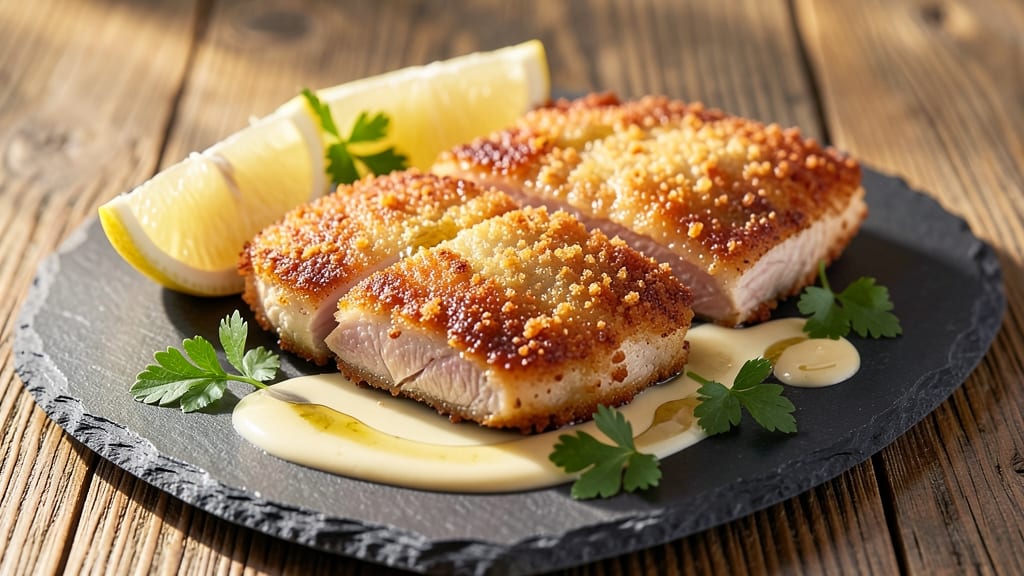
Recreating the Pioneer Woman's pork schnitzel delivers that golden crispy perfection we all crave—tender inside, shatteringly crisp on the outside, with herby butter basting every bite.
Growing up in small-town Georgia, I learned how a simple pork cut could transform into something restaurant-worthy with the right technique, and this recipe stays true to that tradition while adding my own professional touch.
The secret lies in the breading process: a precise balance of flour, egg wash, and panko creates that signature crispy panade, while the herby butter basting adds depth without overpowering the delicate pork.
This method works just as well for classic pan-frying as it does for air-frying—perfect for those who want restaurant-quality results without deep-frying mess.
By the time you flip that first schnitzel, you'll have a dish that's tender enough to melt in your mouth while maintaining that coveted crispy exterior.
The herby butter basting infuses every bite with aromatic flavors, making this more than just a main course—it's an experience that pairs beautifully with lemon wedges or a classic potato salad.
Whether you're serving a family dinner or hosting a gathering, this recipe delivers foolproof results every time. Let's get started with a technique that's been perfected through years of cooking pork the right way.
Ingredients for pioneer woman pork schnitzel
Pantry staples meet Southern tradition for this golden, crispy pork schnitzel masterpiece.
| Ingredient | Amount | Notes |
|---|---|---|
| Boneless Pork Loin Chops 🥩 | 4 whole | 1-inch thick, pounded even |
| All-Purpose Flour 🌾 | 1 cup | Sifted for light coating |
| Large Eggs 🥚 | 2 whole | Room temperature for even coating |
| Japanese Panko Breadcrumbs 🍞 | 1 ½ cups | Light and crispy texture |
| Unsalted Butter 🧈 | ½ cup | Cold, cubed for basting |
| Fresh Parsley 🌿 | ¼ cup | Finely chopped, stems removed |
| Fresh Dill 🌿 | 2 tbsp | Chopped, for herby flavor |
| Garlic Cloves 🧄 | 3 cloves | Minced for butter basting |
| Diamond Crystal Kosher Salt 🧂 | 1 tsp | Fine grain for seasoning |
| Ground Black Pepper 🌶️ | ½ tsp | Freshly cracked for heat |
| Extra-Virgin Olive Oil 🫒 | ¼ cup | For pan-frying |
| Lemon Wedges 🍋 | 4 whole | For serving |
The pork loin chops are non-negotiable—look for evenly thick cuts at your local butcher or grocery store's meat counter. Costco often has great deals on bulk pork loin, but any reputable market will work. Pounding the chops to an even thickness ensures they cook uniformly. If your butcher offers pre-pounded cuts, grab those to save time. The flour should be light and sifted—think King Arthur or Gold Medal for the best texture. Panko is a game-changer here; Japanese-style stays crispy while regular breadcrumbs get soggy. I always buy mine in bulk at Asian markets where it's cheaper and fresher.
No panko? Toasted breadcrumbs made from a baguette work in a pinch—just pulse in a food processor until fine. Fresh herbs are ideal, but dried dill at one-third the amount gets you close if you're short. The butter for basting needs to be cold and cubed—never melted. If you're air-frying, reduce the butter to 2 tbsp and melt it separately for basting. The olive oil should be light and fruity—California Extra Virgin is my go-to. For extra crispiness, double the panko on the second coat. And trust me, room temperature eggs coat better than cold ones.
Store leftover schnitzels in an airtight container for up to 3 days, but honestly? They're best fresh. The herby butter basting keeps for 1 week in the fridge if you make extra—just store it in a small jar. Reheat in a skillet over medium heat for 2-3 minutes per side until golden. These reheat beautifully, making them perfect for meal prep. For a crispy finish, broil for 1-2 minutes at the end. Serve with those lemon wedges—squeeze fresh over the top right before eating.
Why You'll Love This Recipe
- No-Fuss Coating: I swear by the flour-egg-panko combo—just three quick dredges, no rolling pin required. The panko stays crispy even when reheated, which is basically a miracle for lazy nights.
- Buttery Crisp Magic: That first bite? Crunchy panko shell gives way to tender pork, all thanks to the butter searing. It’s the kind of dish where the technique is simple, but the result feels fancy.
- Weeknight to Dinner Party: Same recipe works for Tuesday takeout or Sunday guests—just swap sides. I’ve served it with roasted potatoes one night, a simple salad the next. The schnitzel always steals the show.
- Budget-Friendly Protein: Pork loin chops stretch further than you’d think, and panko costs pennies at the store. Leftovers? Toss them in a wrap or panini—no one will guess they’re not fresh.
Step-by-step instructions for Pioneer Woman's pork schnitzel
Here's how to achieve that legendary golden crust and herby richness—every time.
Pound and Season the Pork Chops
Place each of the 4 whole boneless pork loin chops between two sheets of plastic wrap. Using a meat mallet, pound them to an even ½-inch thickness—this ensures even cooking and maximum crispiness. I press firmly but evenly, rotating the chops between each strike to maintain consistent thickness.
Season both sides generously with 1 teaspoon diamond crystal kosher salt and ½ teaspoon ground black pepper, pressing the seasoning into the meat so it adheres. Let the chops sit at room temperature for 15 minutes before breading. This step is crucial—it prevents cold spots that can make the breading fall off during frying.
Create the Triple-Layer Breading Station
Set up three shallow bowls or plates. In the first, place the 1 cup sifted all-purpose flour. In the second, crack the 2 whole large eggs into a bowl and whisk lightly with a fork—just enough to blend, but don't overbeat. In the third bowl, spread the 1.5 cups japanese panko breadcrumbs evenly.
I like to arrange these bowls in a triangle on my countertop for easy dipping. The order matters: flour first, then egg, then panko. This triple-layer technique creates that signature crispy, airy crust that stays intact even when lifting the schnitzel. Work with one chop at a time to avoid overcrowding the bowls.
Bread the Chops with Precision
Dredge each pork chop in the 1 cup all-purpose flour, shaking off any excess. Dip into the beaten eggs, letting any excess drip off, then press firmly into the 1.5 cups japanese panko breadcrumbs, coating both sides completely. I use my fingers to press the panko into the edges—this prevents the breading from lifting during frying.
Place the breaded chops on a wire rack set over a baking sheet. This allows air to circulate underneath, preventing sogginess. Let them rest for 5 minutes before frying. This brief rest helps the breading adhere better and creates a more stable structure when it hits the hot oil.
Fry to Golden Perfection
Heat ¼ cup extra-virgin olive oil in a large skillet over medium-high heat until shimmering but not smoking. Add the breaded chops and cook for 2-3 minutes per side until deep golden brown and crispy. I use tongs to flip them carefully—don't press down, or you'll crush the breading.
During the last minute of cooking, add ½ cup cold unsalted butter to the pan. The butter will foam and sizzle dramatically—this is when the magic happens. The butter bastes the schnitzel, infusing it with rich flavor and creating that glossy finish. Cook until the butter is golden and the chops register 145°F internally.
Finish with Herby Butter and Serve
Transfer the schnitzel to a paper towel-lined plate to drain excess oil. In the same skillet, melt the remaining ¼ cup cold unsalted butter over low heat. Add the 3 minced garlic cloves, ¼ cup finely chopped fresh parsley, and 2 tablespoons chopped fresh dill, cooking just until fragrant—about 30 seconds. Pour this herby butter over the schnitzel.
Serve immediately with the 4 whole lemon wedges on the side. The schnitzel should be crispy enough to stand up to a fork but still tender inside. The herby butter basting adds that restaurant-quality finish that makes this recipe truly special—each bite delivers that perfect balance of crunch, richness, and fresh herb brightness.
Pro Tips For Making Pioneer Woman Pork Schnitzel
- Pound to ½-inch Thickness: Pork loin chops are stubborn—thicker than they look. Use a meat mallet (or a heavy pan) to flatten them evenly, or you’ll end up with uneven cooking and a sad, undercrisped center. I learned this the hard way when my first batch turned out like a pork chop sandwich instead of a schnitzel.
- Chill the Pounded Chops: After pounding, pop the chops in the fridge for 20–30 minutes. Cold meat crisps better and stays together when you dip it in flour. Skip this, and your breading might slide off like a bad life choice.
- Double-Dip for Crunch: Press each chop into flour, dip in beaten egg, then press into panko—don’t just sprinkle. For extra crunch, do a second flour dip before the final panko layer. Sounds weird, but it works: your crust will be shatterproof, not flaky.
- Low-and-Slow Finish: Fry until golden (3–4 minutes per side), then transfer to a 300°F oven for 5–7 minutes. This cooks the center without burning the crust. I was skeptical until I tried it—no more dry, overcooked pork.
Pro cooking tips for this dish
Pounding Perfection
I can't stress enough how critical pounding your pork chops to an even ½-inch thickness is—this isn't just about aesthetics, it's about science. Uneven thickness means uneven cooking, and that's when you end up with one side crispy and another side raw.
I use a 1.5-pound meat mallet from Lodge—it's my go-to for years now. Place each chop between two sheets of plastic wrap first to prevent the meat from sticking or tearing. Strike firmly but evenly, rotating the chop after each strike to maintain that perfect consistency. 💪
Room Temp Secret
Skipping the 15-minute room temperature rest before breading is a rookie mistake. Cold meat draws heat away from your pan, causing the breading to fall off or cook unevenly. I pull my chops out of the fridge and let them sit on the counter while I prep everything else.
Pro tip: If you're in a hurry, place them in a bowl of warm water for 5 minutes—this speeds up the process without overcooking.
Breading Triangle
Setting up your breading station in a triangle isn't just organizational—it's a workflow efficiency hack. The flour goes first to create a base layer, the egg acts as a glue, and the panko provides that signature crunch.
I always use Japanese panko because it stays crispy while regular breadcrumbs get soggy. For extra crispiness, double the panko on the second coat, especially around the edges where breading often lifts. A quick press with your fingers ensures maximum adhesion. ✨
Oil Temperature Control
Your oil should be hot enough to sizzle when the chops hit the pan but not smoking—this is the 350-375°F sweet spot.
I use an instant-read thermometer to check, but you can also test with a breadcrumb: drop one in and if it sizzles immediately and turns golden in 30 seconds, your oil's ready. Overheating oil burns the breading, while oil that's too cool makes it greasy.
Medium-high heat is your friend here. 🌡️
Butter Basting Magic
The butter basting in the final minute is where this recipe goes from good to restaurant-quality. Add ½ cup cold cubed butter during the last minute of cooking—this creates a foamy, flavorful sauce that coats every crispy surface. I like to use Plugrá European-style butter for its higher fat content.
Don't skip the herby butter finish either: that combination of garlic, parsley, and dill elevates the dish to new heights. The butter should be golden and fragrant when poured over the finished schnitzel.
Air Fryer Adaptation
For a lighter version, use an air fryer at 375°F for 8-10 minutes, flipping halfway. I reduce the butter to 2 tablespoons and melt it separately for basting. The key is to spray the chops lightly with oil before air frying to help the breading crisp.
While not identical to pan-frying, it's a great option for weeknights. Just be patient—the air fryer takes a bit longer to get that perfect golden crust. 💡
Nutrition facts
Frequently asked questions
Can I use chicken breast instead of pork loin for this recipe?
While you can substitute chicken breast, it requires adjustments. Chicken dries out more easily, so pound it to ¼-inch thickness and cook at medium heat for 2 minutes per side—don't overcook! Use the same breading method, but reduce cooking time by 30 seconds per side to prevent toughness. The herby butter basting still works beautifully, though.
Why does my breading keep falling off during frying?
This usually happens from one of three issues: cold meat, rushed breading, or oil that's too hot. Always let your chops sit at room temperature for 15 minutes before breading. Press the panko firmly onto the edges, and let breaded chops rest for 5 minutes before frying. Oil should sizzle but not smoke—350-375°F is ideal. If it's too hot, the breading burns before the meat cooks.
What's the best way to reheat leftover schnitzel?
Reheat in a skillet over medium heat for 2-3 minutes per side until golden and crispy again. For extra crunch, broil for 1-2 minutes at the end. Avoid microwaving—it makes the breading soggy. If reheating from frozen, thaw overnight in the fridge first, then follow the same method. The herby butter can be reheated separately in the microwave for 10 seconds and drizzled back on top.
Can I make this recipe ahead of time?
While fresh is best, you can prep components ahead: bread the chops (store in fridge for 1 day), make the herby butter (lasts 1 week in the fridge), and pound the meat (keep wrapped in plastic for 24 hours). For full prep ahead, bread the chops, freeze on a tray, then transfer to a bag for up to 1 month. Fry straight from frozen, adding 1 minute per side to cooking time.
What's the secret to getting that perfect golden crust?
The golden crust comes from three key steps: even thickness (pound to ½-inch), hot oil (350-375°F), and Japanese panko (it stays crispy longer than regular breadcrumbs). Press the panko firmly onto the edges, and don't overcrowd the pan—cook one chop at a time for even browning. The butter basting in the final minute adds that restaurant-quality sheen.