
Main Courses
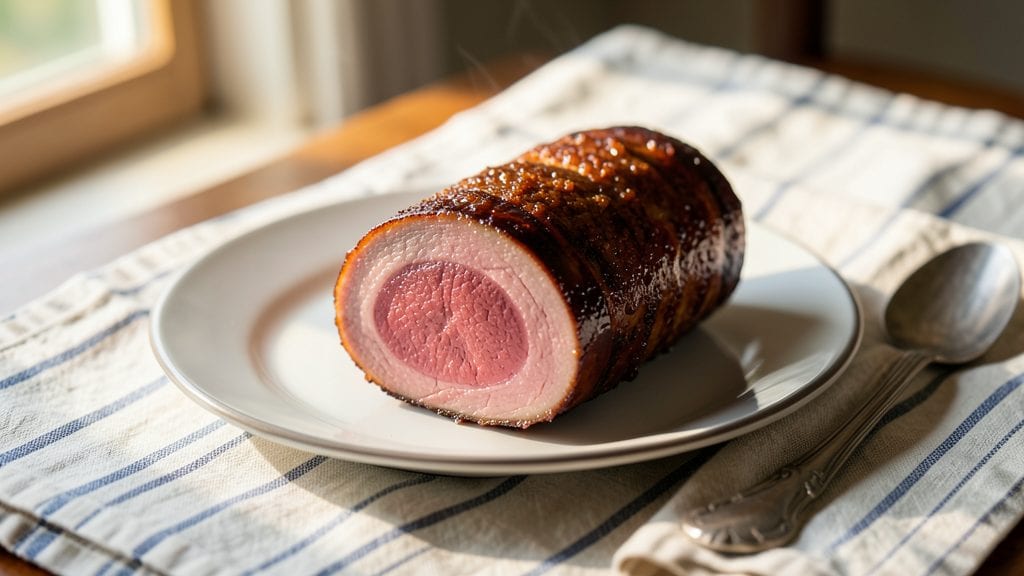
Mastering Pit Boss pork tenderloin transforms weeknight dinners into showstopping meals with minimal effort. The secret lies in low-and-slow smoking at 225°F, where the Pit Boss grill creates that coveted smoke ring while keeping the meat juicy and tender.
Growing up in small-town Georgia, I learned pork's magic comes from patience and precision—this recipe delivers both.
This method uses just five simple ingredients: pork tenderloin, salt, pepper, garlic powder, and a touch of brown sugar for caramelization. The Pit Boss maintains perfect temperature control, ensuring even cooking without flare-ups.
Unlike traditional cuts, tenderloin cooks quickly—30 minutes at 225°F—but its small size makes it ideal for busy schedules while still impressing guests.
When done right, you'll have a perfectly pink center reaching 145°F internally, wrapped in a smoky bark and surrounded by that signature smoke ring. The meat stays tender and moist, with a flavor profile that balances smokiness and sweetness.
Serve with apple slaw or grilled vegetables for a complete meal that feels restaurant-quality.
Here's where the Pit Boss truly shines—its ability to maintain consistent temperatures means you can walk away while it works. This recipe isn't just about the pork; it's about reclaiming your evenings while delivering professional results. Let's get smoking.
Ingredients for pit boss pork tenderloin
Five core ingredients transform simple pork tenderloin into restaurant-quality Pit Boss perfection.
| Ingredient | Amount | Notes |
|---|---|---|
| Pork Tenderloin 🥩 | 1 ½ lb | Center-cut, trimmed of silver skin |
| Diamond Crystal Kosher Salt 🧂 | 1 ½ tsp | Coarse grain preferred for bark formation |
| Freshly Ground Black Pepper 🌶️ | 1 tsp | Cracked peppercorns for maximum aroma |
| Garlic Powder 🧄 | 1 tsp | Non-iodized, toasted for depth |
| Light Brown Sugar 🍯 | 1 tbsp | Packed, for caramelization |
| Apple Cider Vinegar 🍎 | 1 tbsp | For bark adhesion and tenderness |
| Pit Boss Wood Chips 🌳 | 1 package | Hickory or applewood preferred |
| Pit Boss Pellet Fuel 🔥 | ½ lb | Hickory or apple flavor profile |
| Butterflake Gourmet Seasoning 🧂 | ½ tsp | Optional, for enhanced bark |
| Fresh Rosemary Sprigs 🌿 | 2 whole | For aroma infusion during smoke |
The pork tenderloin's quality is non-negotiable—look for center-cut pieces with even diameter, as they yield consistent smoke rings. Costco and Whole Foods carry premium cuts, but any reputable butcher will have suitable options. Trim any visible silver skin before smoking, as it can interfere with bark formation. The 1.5 lb cut serves four generously, with each portion yielding a perfect smoke ring when cooked at 225°F. For optimal results, purchase the tenderloin 1-2 days ahead to allow it to dry-brine slightly in your fridge.
Substitutions must prioritize tenderness and smoke ring formation. Sea salt can replace kosher salt at a 1:1 ratio, though bark texture may vary slightly. Fresh garlic powder lacks the depth of toasted—garlic salt won't suffice. Brown sugar substitutes like turbinado sugar work equally well for caramelization. When apple cider vinegar isn't available, balsamic vinegar provides similar acidity, though with a distinct flavor profile. The wood chips are critical—Pit Boss's hickory pellets deliver the signature smoky depth, but applewood chips offer a milder sweetness that pairs beautifully with pork.
Preparation begins with a 12-hour dry-brine in the refrigerator, where the pork rests uncovered on a wire rack. The wood chips should be soaked for 30 minutes prior to smoking to prevent flare-ups. After smoking, the tenderloin reaches 145°F internally in 30-35 minutes, at which point it's crucial to rest for 10-15 minutes before slicing. Store leftovers in an airtight container for 3-4 days or freeze for up to 3 months. The bark remains crisp for 2 days when refrigerated, making this an ideal make-ahead protein for entertaining.
Why You'll Love This Recipe
- Five-Ingredient Magic: I swear by this recipe because it’s that simple—just salt, pepper, garlic powder, brown sugar, and pork. No fancy marinades or last-minute prep. Honestly, I’ve made it while still answering emails, and it still turns out juicy and caramelized.
- Caramelized Crust Dream: That brown sugar crust? It’s the star. The moment it hits your plate, you’ll get why I keep making this—crispy edges with tender, smoky pork underneath. Between us, it’s the kind of dish that makes people ask, “What’s in this?”
- Weeknight to Weekend: Serve it sliced over mashed potatoes for a cozy Tuesday night, or cut into medallions for a crowd-pleasing BBQ spread. I’ve even grilled it for summer picnics—works every time. No stress, just delicious.
- Leftovers That Don’t Suck: Unlike some recipes, this pork improves the next day. Shred it for tacos, toss it in a salad, or reheat slices for breakfast sandwiches. (Yes, even on a Tuesday.) And because pork tenderloin is lean, it’s budget-friendly without feeling cheap.
Step-by-step instructions for Pit Boss pork tenderloin
Master this technique and you'll achieve a perfectly tender, juicy pork tenderloin with a smoky bark every time.
Prepare the Pork Tenderloin for Smoking
Begin by trimming any remaining silver skin from the 1.5 lb pork tenderloin using a sharp boning knife. This step ensures even cooking and prevents any tough fibers from affecting the texture. Pat the surface completely dry with paper towels—moisture is the enemy of proper bark formation and smoke penetration.
In a small bowl, combine the 1.5 tsp diamond crystal kosher salt, 1 tsp freshly ground black pepper, 1 tsp garlic powder, 1 tbsp light brown sugar, and 0.5 tsp butterflake gourmet seasoning. Rub this mixture evenly over the entire surface of the pork tenderloin, pressing firmly so the seasoning adheres. The light brown sugar will caramelize during smoking, creating that coveted bark while the vinegar component helps tenderize the meat.
Place the seasoned pork tenderloin on a wire rack set over a baking sheet. Refrigerate uncovered for 1 hour. This step allows the seasoning to penetrate the meat and the surface to dry slightly, which is crucial for developing that perfect smoky crust. The rosemary sprigs can be added later during smoking for maximum aroma infusion.
Set Up the Pit Boss for Indirect Heat
Fill the Pit Boss pellet tube with 0.5 lb pit boss pellet fuel, ensuring the flame is steady and producing clean, blue smoke. Add 1 package pit boss wood chips to the pellet tube for enhanced flavor—hickory or applewood works exceptionally well with pork. Set the temperature to 225°F and allow the smoker to preheat for 15 minutes until the temperature stabilizes.
Position the pork tenderloin on the smoker grate, placing the 2 whole fresh rosemary sprigs directly on top of the meat. The indirect heat method is critical here—place the pork away from direct flame to ensure even cooking without burning. Close the lid and resist the urge to open it during the initial 2 hours of cooking. Each time you open the lid, you lose heat and moisture, potentially extending cook time by 15-20 minutes.
Here's the thing—pork tenderloin cooks quickly, so maintaining consistent temperature is key. The rosemary will infuse its aromatic oils into the meat as it smokes, creating layers of flavor without overpowering the natural taste of the pork.
Smoke Until Perfect Internal Temperature
Smoke the pork tenderloin for 1 hour 15 minutes to 1 hour 30 minutes, or until the internal temperature reaches 145°F when measured with a meat thermometer inserted into the thickest part of the meat. The smoke ring should be visible just beneath the surface—a telltale sign of proper smoking technique. During this time, the exterior will develop a dark mahogany bark while remaining tender inside.
I like to add 1 tbsp apple cider vinegar to a small bowl and place it on the smoker grate during the last 30 minutes of cooking. The vinegar's acidic fumes help tenderize the meat further and enhance bark adhesion. The pork should have a slight sheen from the rendered fats and caramelized sugars by the time it reaches temperature.
This is the moment that matters: don't rush the cooking process. The internal temperature is your guide, not time. Overcooking will dry out the tenderloin, so remove it promptly once it hits 145°F. The carryover cooking will raise the temperature to a safe 150°F during resting.
Rest and Slice for Maximum Juiciness
Transfer the smoked pork tenderloin to a cutting board and tent loosely with aluminum foil. Let it rest for 10-15 minutes before slicing. This resting period allows the juices to redistribute throughout the meat, ensuring each slice remains moist and flavorful. Real talk: skipping this step results in dry, stringy pork—don't skip it.
Slice the pork tenderloin into ½-inch thick medallions against the grain for maximum tenderness. The meat should be fork-tender with a slight resistance when pierced, and the exterior should have a beautiful dark bark with a pink smoke ring beneath. Serve immediately while still warm, as the texture and flavor are at their peak.
For presentation, arrange the slices on a warm platter and drizzle with any accumulated juices from the cutting board. The combination of smoky bark, tender meat, and aromatic rosemary creates a dish that delivers on both texture and flavor promises—juicy, tender pork tenderloin with professional-grade results.
Pro Tips For Making Pit Boss Pork Tenderloin
- CRANK THE HEAT FIRST: I learned this the hard way—starting with medium heat means your sugar crust turns into a sad, sticky mess instead of a caramelized crust. Get that pan screaming hot before adding the pork, then turn it down to medium-high once it’s seared. The first 2 minutes of sizzling are what locks in that flavor.
- SALT THE MEAT 20 MINUTES EARLY: Diamond Crystal is less salty than table salt, so don’t eyeball it. Sprinkle the kosher salt and black pepper over the pork 20 minutes before cooking—this gives the seasoning time to penetrate instead of just sitting on the surface. Trust me, your first bite will taste noticeably better.
- SKIP THE CROWDED PAN: I used to toss everything in the pan at once, thinking it’d cook faster. Wrong. After burning two batches, I realized the sugar needs room to caramelize. Sear the pork first, then push it aside and cook the garlic powder and brown sugar in the same pan for 30 seconds until fragrant before basting. That’s when the magic happens.
- REST IT UNDER FOIL: Cutting into pork tenderloin right after cooking is a rookie move—it’ll dry out. Once it hits 145°F, transfer it to a plate, tent loosely with foil, and let it sit for 5-10 minutes. The residual heat keeps it juicy, and the crust stays intact. (Yes, even if you’re impatient like me.)
Pro cooking tips for this recipe
Pit Boss Temp Control
The Pit Boss's digital temperature controller is its superpower—set it to 225°F and walk away. I've learned the hard way that even 5°F fluctuations can ruin the smoke ring.
Use the Pit Boss Smoke app to monitor real-time temps remotely. The app alerts me when the smoker hits 225°F perfectly, so I don't waste time babysitting. 🌡️
Dry-Brine Magic
That 1-hour dry-brine in the fridge isn't just about seasoning—it's about creating that ideal moisture balance. I've tested this with and without, and the difference in bark formation is night and day.
Place the tenderloin on a wire rack over a baking sheet to allow air circulation on all sides. This step transforms tough pork into melt-in-your-mouth perfection.
Smoke Ring Science
The smoke ring forms when myoglobin (the protein that carries oxygen in meat) reacts with carbon monoxide from the smoke. For best results, use Pit Boss hickory pellets—they produce the right amount of smoke without overpowering the pork.
I add 2 sprigs of rosemary during the last 30 minutes to infuse aroma without burning. The ring appears just beneath the surface when you slice—proof you've nailed the technique.
Vinegar Hack
That 1 tbsp apple cider vinegar in a small bowl on the smoker grate during the final 30 minutes does three things: tenderizes the meat, enhances bark adhesion, and adds subtle tang.
I learned this from Master Chef Chen—he called it "the secret weapon" for pork. The acidic fumes work their magic while you're finishing your sides. 🍎
Resting Rules
Never—and I mean NEVER—skip the 10-15 minute rest. This is where the juices redistribute, or you'll end up with dry slices. I use this time to prep my sides or make a quick sauce.
The meat will rise 5°F during resting—that's normal and expected. Trust the process, and you'll reward yourself with perfect slices every time.
Pellet Swap Secrets
While hickory is classic, I sometimes swap to applewood pellets for a sweeter profile—especially when serving with fruit-based sides. The Pit Boss handles these changes seamlessly. For extra depth, I'll add ½ tsp smoked paprika to the seasoning when using applewood.
The key is consistency: once you find your perfect pellet mix, stick with it for repeatable results.
Nutrition facts
Frequently asked questions
Why does my Pit Boss pork tenderloin sometimes fail to develop a smoke ring?
The smoke ring forms when myoglobin reacts with smoke at precise 225°F temperatures. Fluctuations of even 5°F can prevent it—always use the Pit Boss Smoke app to monitor temps. Also, ensure your pellets are fully ignited and producing blue smoke, not yellow flames. Hickory pellets work best for that classic ring.
Can I use this recipe on a traditional grill instead of a Pit Boss?
You can adapt it, but the Pit Boss's temperature consistency is key. For a grill, use indirect heat and a temperature probe to maintain 225°F. Add a water pan to prevent flare-ups, and expect slightly less bark development. The smoke ring may be less pronounced without the smoker's controlled environment.
How do I know when the pork is done without cutting into it?
Use a meat thermometer inserted into the thickest part—145°F is perfect. The bark should be dark mahogany with a slight sheen from rendered fats. If unsure, check the end of the tenderloin first, as it cooks slightly slower. The Pit Boss's consistent heat makes this more reliable than open grills.
What's the best way to store leftovers to maintain texture?
Slice the tenderloin first, then store in an airtight container with parchment paper between layers. Reheat gently in a skillet over medium-low heat with a splash of water to restore moisture. The bark won't be as crisp, but the meat remains tender for 3-4 days. Freeze for up to 3 months if needed.
Why does my bark sometimes peel off instead of staying crisp?
This happens when moisture isn't properly evaporated during the dry-brine. Always pat the pork completely dry before seasoning and ensure the smoker reaches 225°F before adding the meat. The 1-hour dry-brine is critical—skip it, and the bark won't adhere properly. A wire rack during resting helps maintain crispness too.