
Main Courses
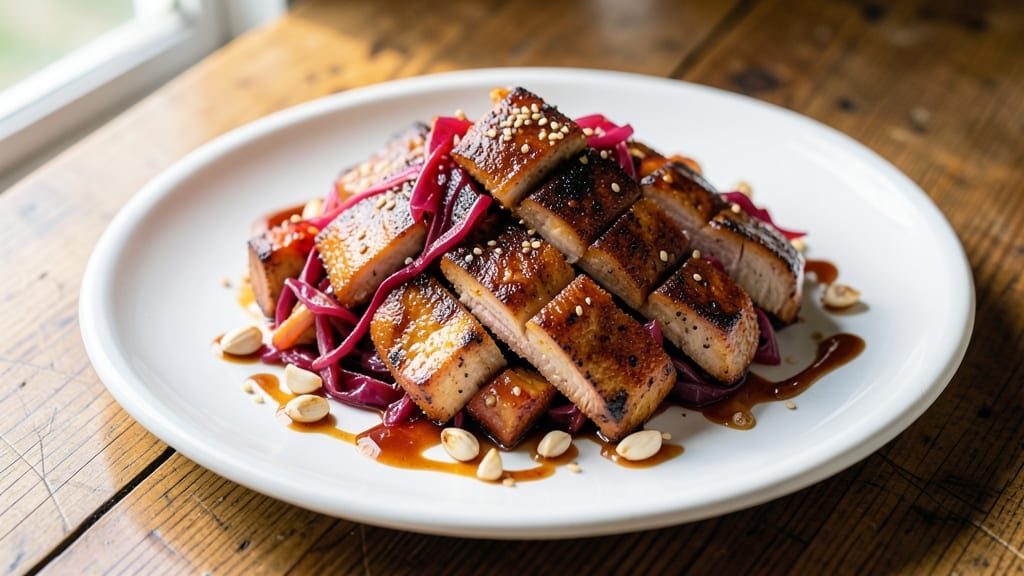
This pork and kimchi recipe delivers the perfect balance of spicy, tangy, and umami flavors that elevate humble ingredients into a showstopper dish. Growing up in Georgia, I learned that pork transforms any meal, and kimchi adds that signature Korean heat that makes every bite unforgettable.
The marriage of tender pork and fermented kimchi creates a harmony that’s both comforting and exciting—ideal for weeknights or special occasions.
What sets this recipe apart is the two-step cooking process: first, marinating the pork in a blend of gochujang, soy sauce, and sesame oil to infuse deep flavor, then braising it until fall-apart tender while simmering with kimchi.
This method ensures the pork stays juicy while absorbing the kimchi’s vibrant tang, creating a sauce that’s rich, sticky, and packed with character. The result is a dish that’s hearty enough for a main course but flexible enough to adapt into tacos, fried rice, or even a hearty soup.
By the time you serve this, you’ll have restaurant-quality pork with crisp edges and melt-in-your-mouth texture, all smothered in a glossy, spicy-sweet sauce. The aroma alone—smoky, garlicky, and slightly sweet—will have everyone at the table asking for seconds.
Serve it over steamed rice to soak up every last bit of that flavorful sauce, or pair it with buttery mashed potatoes for a fusion twist that feels both familiar and exciting.
This recipe is a celebration of contrast—bold flavors meeting tender textures, tradition meeting innovation. Whether you’re cooking for a crowd or treating yourself to a flavorful solo meal, the combination of pork and kimchi delivers satisfaction in every bite. Let’s get started—your taste buds will thank you.
Ingredients for pork and kimchi
The secret to this restaurant-quality pork and kimchi lies in balancing bold flavors with simple ingredients.
| Ingredient | Amount | Notes |
|---|---|---|
| Boneless Pork Shoulder 🥩 | 1 ½ lb | Cut into 1-inch cubes |
| Kimchi 🥬 | 2 cups | Freshly fermented, not watery |
| Gochujang Paste 🌶️ | ¼ cup | Korean chili paste, not spicy |
| Soy Sauce 🥫 | ¼ cup | Kosher salt reduced version |
| Sesame Oil 🫒 | 1 tbsp | Toasted, not flavored |
| Minced Garlic 🧄 | 4 cloves | Freshly minced, aromatic |
| Fresh Ginger 🌿 | 1 tbsp | Finely grated, zesty |
| Brown Sugar 🍯 | 2 tbsp | Light or dark, packed |
| Rice Vinegar 🍶 | 1 tbsp | White or seasoned |
| Vegetable Oil 🫒 | 1 tbsp | For searing pork |
| Green Onions 🧅 | 4 whole | Sliced, for garnish |
| Toasted Sesame Seeds 🌾 | 1 tsp | For finishing touch |
| Steamed White Rice 🍚 | 2 cups | For serving, cooked |
The pork shoulder is your star—look for well-marbled cuts at the butcher counter or pre-cut at Costco for convenience. I always grab the organic pork if budget allows, but regular works fine. The kimchi? Freshly fermented from the Korean market section (not the watery stuff in jars)—it’s worth the extra trip. If you can’t find authentic kimchi, substitute sauerkraut with extra garlic and gochujang. The gochujang paste is non-negotiable—Maesil Gochujang from Asian grocery stores has the best balance of sweet and spicy, but any quality brand works.
No sesame oil? Toasted sesame seeds plus a splash of neutral oil gets you close. Short on rice vinegar? Apple cider vinegar at half the amount works in a pinch. The brown sugar can be swapped for honey or maple syrup if you’re avoiding refined sugar. Fresh ginger is ideal, but ground ginger at half the amount works if you’re in a hurry. The green onions? Scallions or chives are fine, but the flavor’s slightly different. Pro tip: Toast your sesame seeds in a dry pan for 30 seconds—they’ll smell amazing and add crunch.
This dish tastes even better the next day—make extra and freeze portions. Store leftovers in an airtight container for up to 5 days in the fridge, or freeze for 3 months. The sauce thickens as it cools, so add a splash of water when reheating. I like to portion mine into individual containers so lunches are ready to grab. The rice? Cook it fresh or use day-old rice—it absorbs the sauce better.
Why You'll Love This Recipe
- One-Pan Magic: That pork shoulder practically cooks itself while the kimchi and gochujang caramelize into a sticky, spicy-sweet glaze. Honestly, I’ve made this with my hands in the sink—no stress, no mess.
- Flavor Bomb Combo: The gochujang and soy sauce team up to create this deep, umami-rich sauce that clings to the pork like it’s been braised for hours. (Between us, it’s the sesame oil finish that makes it ridiculously good.)
- Budget-Friendly Powerhouse: Pork shoulder is cheap, kimchi keeps for weeks, and a little gochujang goes a long way. I’ve fed four people for under $15, and they always ask for seconds. (Yes, even on a Tuesday night.)
Step-by-step instructions for pork and kimchi recipe
This fusion dish delivers bold flavors with minimal effort—let's bring it together.
Sear the Pork Shoulder for Maximum Flavor
Heat a large skillet over medium-high heat and add the 1 tablespoon vegetable oil. Once shimmering, add the 1.5 lb boneless pork shoulder cut into 1-inch cubes, working in batches if needed. Sear for 3-4 minutes per side until the pork develops a deep golden-brown crust. This step locks in juices and builds the foundation for rich flavor.
Don't crowd the pan—sear in single layers to ensure even browning. The pork should release easily from the pan when ready. Transfer the seared pork to a plate and set aside. You'll notice the aroma intensify as it cooks, signaling the Maillard reaction creating those delicious crusty edges.
Build the Spicy-Sweet Sauce
In the same skillet, reduce heat to medium and add 4 cloves minced garlic and 1 tablespoon fresh ginger. Sauté for 30 seconds until fragrant and just beginning to color. Add the 2 cups kimchi, breaking up any large chunks with a spoon. Cook for 2-3 minutes until the kimchi softens slightly and releases its juices.
Pour in the 0.25 cup soy sauce, 0.25 cup gochujang paste, 2 tablespoons brown sugar, and 1 tablespoon rice vinegar. Stir well to combine, then add the seared pork back to the skillet. The sauce should coat the pork completely as it simmers. Let it cook for 5-6 minutes until the flavors meld together beautifully.
Finish with Sesame Oil and Garnishes
Remove the skillet from heat and stir in the 1 tablespoon sesame oil. This step adds depth and a nutty aroma that ties all the flavors together. Taste and adjust seasoning if needed—you might want to add a pinch more brown sugar or soy sauce depending on your kimchi's spice level.
Transfer the pork and sauce to a serving dish. Garnish with 4 whole green onions sliced into 1-inch pieces and sprinkle with 1 teaspoon toasted sesame seeds. The contrast of fresh green onions against the rich, spicy-sweet pork creates a visually appealing dish that's just as delicious as it looks.
Serve Over Steamed White Rice
Ladle the pork and sauce over 2 cups steamed white rice, dividing evenly among four serving bowls. The rice acts as a neutral base that lets the bold flavors of the pork and kimchi shine. Serve immediately while the pork is still hot and the rice can soak up any remaining juices from the plate.
This dish tastes even better the next day as the flavors continue to meld. The combination of tender pork, spicy kimchi, and sweet-savory sauce creates a perfect balance that's both comforting and exciting. Enjoy with extra green onions on the side for those who love a little freshness with each bite.
Pro Tips For Making Pork And Kimchi
- Sear the Pork First: Hit the pork shoulder with a screaming-hot pan before adding kimchi—this locks in juices and builds flavor. I used to skip this, and the final dish always tasted flat; now it’s the foundation of depth.
- Drain, Then Chop Kimchi: Rinse and drain the kimchi thoroughly before dicing—excess brine dilutes the sauce and makes the pork soggy. My first batch turned into a watery mess, so now I squeeze it dry in a clean towel.
- Low and Slow Wins: After searing, drop the heat to medium-low and let the pork shoulder simmer uncovered for 45-60 minutes. Rushing it turns the meat tough; patience guarantees tender, pull-apart texture.
- Toast the Gochujang: Bloom the gochujang paste in the pan for 2-3 minutes before adding liquids—this deepens its smoky, caramelized flavor. I was skeptical until I tried it; now it’s the thing that makes the sauce sing.
Serving suggestions for leftovers
Rice Pairings
Steamed jasmine rice is my go-to base for this dish—its delicate floral notes complement the bold kimchi flavors without overpowering them. Cook 2 cups of rice in a rice cooker or pot with 2.5 cups water, letting it sit covered for 10 minutes after cooking to steam perfectly.
For extra richness, stir in 1 tablespoon butter and a pinch of salt while warm. 🍚
If you're feeling adventurous, try short-grain sushi rice—its stickiness helps hold the sauce better. Rinse 2 cups rice thoroughly before cooking, then simmer with 2.25 cups water and 2 tbsp rice vinegar for a tangy twist.
I also love serving this over cauliflower rice for a low-carb option, especially when I'm watching my carb intake after long BBQ days at the farm.
Crispy Sides
A crispy element cuts through the richness beautifully. Try Korean sweet potato noodles (dangmyeon) for a chewy, slightly sweet contrast. Boil 8 oz dried noodles for 4-5 minutes, then pan-fry with 1 tbsp sesame oil until golden. Toss with a pinch of sugar and serve alongside.
For something heartier, make crispy pork belly slices—slice ½ lb pork belly into ¼-inch thick pieces, marinate in 1 tbsp soy sauce and 1 tsp sugar, then pan-fry until golden. The contrast of crispy pork belly with tender braised pork creates a textural masterpiece.
Fresh Vegetable Accents
Bright, fresh vegetables balance the dish's richness. Thinly slice 1 cucumber and toss with 1 tbsp rice vinegar, ½ tsp sugar, and a pinch of salt. Serve chilled as a refreshing side.
I also love adding quick-pickled radishes—slice ½ lb radishes thin, soak in ½ cup vinegar with 1 tbsp sugar for 20 minutes. 🥒
For a warm option, sauté 2 cups baby spinach with 1 tbsp sesame oil and a splash of soy sauce until just wilted. The earthy greens provide a perfect counterpoint to the spicy-sweet pork. Garnish with extra sesame seeds for crunch.
Beverage Pairings
A crisp soju cocktail elevates the meal—mix 2 oz soju with 4 oz ginger beer and a squeeze of lime. Serve over ice with a lime wedge. The effervescence cuts through the dish's richness while complementing the kimchi's tang. 🍹
For non-alcoholic options, try yuja tea (citron tea) served warm or iced. Its citrusy notes enhance the dish's flavors without overpowering them. I also love pairing this with a cold green tea—the astringency refreshes the palate between bites.
Make-Ahead Garnishes
Prep garnishes ahead to streamline serving. Make a simple kimchi slaw by mixing 2 cups shredded cabbage with ½ cup kimchi juice, 1 tbsp sesame oil, and 1 tsp sugar. Store in the fridge for up to 3 days. 🥬
Toast sesame seeds in batches in a dry skillet over low heat for 2-3 minutes, stirring constantly until golden. Store in an airtight container—they'll keep for 2 weeks and add crunch to any dish. I always have a stash ready for quick garnishes when I'm hosting at the farm.
Nutrition facts
Frequently asked questions
Can I substitute regular pork chops for pork shoulder?
Pork shoulder is ideal because it stays tender and flavorful during slow cooking, but you can use boneless pork chops if needed. Cut them into ½-inch thick pieces and reduce the cooking time to 8-10 minutes after adding to the sauce. The texture will be slightly firmer, but still delicious. For best results, marinate the chops for 30 minutes first to enhance flavor.
How can I adjust the spice level in this recipe?
If your kimchi is too spicy, reduce the amount to 1 cup and add 1 extra tablespoon of brown sugar to balance the heat. For more heat, add ½ teaspoon of red pepper flakes or an extra ½ cup of gochujang paste. Always taste the sauce before serving and adjust gradually—kimchi flavors intensify as they cook.
What's the best way to reheat leftovers?
Reheat in a skillet over medium-low heat with 1 tablespoon water or broth to prevent drying. Cover and cook for 5-6 minutes, stirring occasionally, until heated through. For microwave reheating, cover with a damp paper towel and heat in 1-minute intervals until warm. The sauce thickens when cooled, so add a splash of water or kimchi juice if needed.
Can I make this recipe in an Instant Pot?
Sear the pork first in a separate pan, then transfer to the Instant Pot with all ingredients. Cook on high pressure for 15 minutes, then quick-release. Finish with sesame oil and garnishes. The Instant Pot version is even more convenient for weeknights—just 15 minutes of active time instead of stovetop monitoring.
What if I don't have gochujang paste?
Mix ¼ cup tomato paste with 1 teaspoon sugar, ½ teaspoon smoked paprika, and ¼ teaspoon cayenne pepper to mimic gochujang's sweet-spicy profile. For a simpler substitute, use 2 tablespoons of sriracha plus 1 tablespoon of honey. The flavor won't be identical, but it'll still deliver that signature tangy kick.