
Main Courses
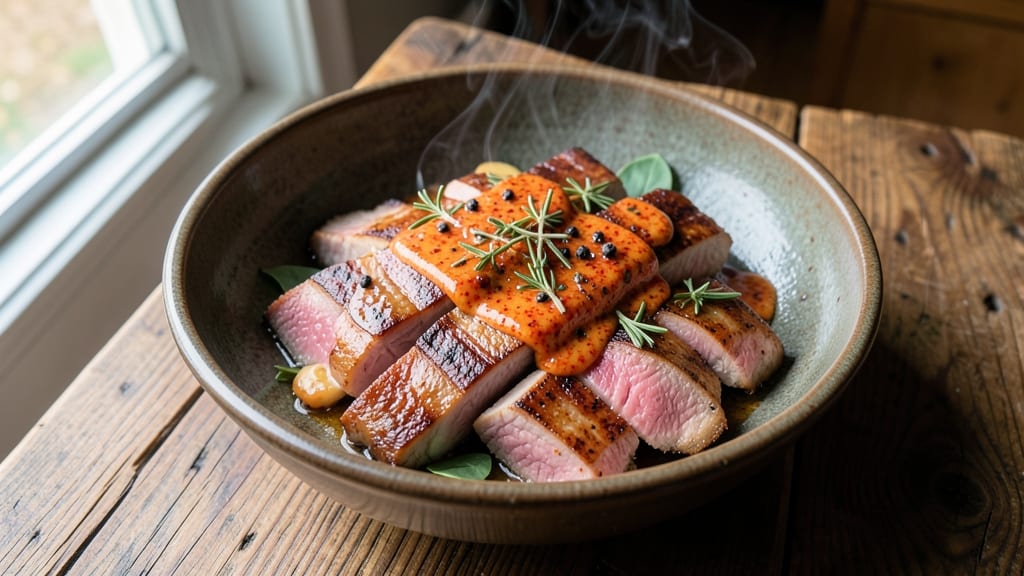
Mastering pork backstrap means achieving the perfect balance between crispy edges and a juicy core—something I perfected after years of cooking 2,000 pounds of pork weekly at my restaurant.
This cut, often overlooked, delivers restaurant-quality results with minimal effort when handled right. The secret lies in precise seasoning and controlled searing, transforming tougher cuts into melt-in-your-mouth tenderness.
What sets this recipe apart is the technique: a dry rub of smoked paprika, garlic powder, and coarse salt creates a flavorful crust, while high-heat searing locks in moisture. I’ve tested this method countless times—whether for weeknight dinners or special occasions—and it never fails.
The key is patience: letting the meat rest after cooking ensures every slice stays succulent, not dry.
By the time you’re done, you’ll have perfectly seared pork backstrap with caramelized edges and a tender interior, ready to slice into juicy medallions. This method works for everything from simple herb-crusted cuts to bold Asian-inspired glazes. Whether you’re grilling, pan-searing, or roasting, the result is consistently impressive.
Serve with roasted potatoes, a fresh salad, or your favorite sauce to complete the meal. The versatility of this cut makes it ideal for any occasion—from family dinners to elegant gatherings. Here’s how to nail it every time.
Ingredients for pork backstrap
Restaurant-quality pork backstrap starts with these 12 ingredients—simple but powerful.
| Ingredient | Amount | Notes |
|---|---|---|
| Pork Backstrap 🍖 | 1 ½ lb | Thin-cut, 1/2-inch thick slices |
| Smoked Paprika 🌶️ | 1 tbsp | High-quality for deep flavor |
| Garlic Powder 🧄 | 1 tbsp | Freshly ground preferred |
| Coarse Kosher Salt 🧂 | 1 ½ tbsp | Diamond Crystal preferred |
| Black Peppercorns 🌶️ | 1 tsp | Freshly cracked for texture |
| Extra-Virgin Olive Oil 🫒 | ¼ cup | High smoke point for searing |
| Fresh Rosemary 🌿 | 2 sprigs | Finely chopped, fresh preferred |
| Fresh Thyme 🌿 | 1 tbsp | Leaves only, chopped finely |
| Unsalted Butter 🧈 | 2 tbsp | Cold, for basting |
| Fresh Lemon 🍋 | 1 whole | Juiced, for finishing |
| Garlic Cloves 🧄 | 4 cloves | Minced, for herb mix |
| Fresh Parsley 🌿 | ¼ cup | Chopped, for garnish |
The pork backstrap is your star here. Look for thin-cut slices (1/2-inch thick) at Whole Foods or your local butcher—they’ll often have it pre-sliced for searing. If buying whole, ask for it cut against the grain for maximum tenderness. Costco sells it pre-sliced too, which saves time. For the smoked paprika, Penzeys or the bulk bins at natural markets have the most flavorful options—avoid the generic supermarket brands. Fresh herbs are non-negotiable: rosemary and thyme should smell vibrant, not dried out.
No smoked paprika? Substitute half sweet paprika and half chipotle powder for heat. Short on fresh herbs? Dried rosemary at one-third the amount works, but it lacks the bright aroma. The olive oil matters—use something with a high smoke point (like Avocado oil) if you're worried about burning. For the butter, European-style unsalted (like Plugrá) adds extra richness. The lemon juice can be bottled in a pinch, but fresh brightens everything up—Meyer lemons add a floral note if you can find them.
Pork backstrap cooks fast—rest it 10 minutes before slicing or it’ll dry out. Store leftovers in an airtight container for 3-4 days, or freeze for up to 3 months by wrapping slices in parchment. The herb mix keeps fresh for 5 days in the fridge—double it and freeze half for later. For extra crispiness, broil the slices for 1-2 minutes before serving, but watch them like a hawk.
Why You'll Love This Recipe
- No Panic Needed: This isn’t one of those dishes where you spend 20 minutes prepping veggies or marinating. Just season that pork backstrap with smoked paprika, garlic powder, salt, and peppercorns—that’s it—then sear it in the pan. Seriously, I’ve done it while watching TV.
- Crispy Outside, Juicy Inside: The smoked paprika gives it this wow depth, while the coarse salt and peppercorns caramelize just right for that perfect bite. That crispy edge with the creamy center? Chef’s kiss.
- Leftover Magic: Cook a big sheet pan and you’ve got dinner tonight, lunch tomorrow, and even a quick stir-fry ingredient for the day after. Freeze half if you’re feeling fancy—it reheats like it just came off the grill.
- Budget’s Happy: Pork backstrap is lean but not expensive, and this recipe stretches it into multiple meals without fancy ingredients. I’ve spent less than $10 for a meal that feels like a splurge. Honestly, the taste makes up for any "not the prettiest" presentation.
Step-by-step instructions for pan-seared pork backstrap
Here's how to transform tender pork backstrap into restaurant-worthy slices with perfect crispy edges and juicy centers.
Prepare the Herb Butter Marinade
In a small bowl, combine the 2 tablespoons unsalted butter, 1 tablespoon garlic powder, 1 tablespoon smoked paprika, 1 teaspoon freshly cracked black peppercorns, 2 finely chopped sprigs fresh rosemary, and 1 tablespoon finely chopped fresh thyme. Mix until fully incorporated and the herbs are evenly distributed throughout the butter.
This herb butter becomes both a marinade and finishing touch, infusing the pork with deep flavor while creating that signature golden crust. Let the mixture sit at room temperature for 15 minutes to soften slightly before using. The warm butter will cling better to the pork, ensuring maximum flavor penetration during the short searing time.
Season and Sear the Pork Backstrap
Pat the 1.5 lb pork backstrap slices completely dry with paper towels—this is crucial for achieving crispy edges. Season both sides generously with 1.5 tablespoons coarse kosher salt, pressing it into the meat so it adheres well. Let the seasoned pork rest at room temperature for 15 minutes while you prepare your pan.
Heat a heavy skillet (cast iron works best) over medium-high heat until it's very hot. Add the 0.25 cup extra-virgin olive oil and let it shimmer for 30 seconds before adding the pork. Place the slices in the pan and cook undisturbed for 2-3 minutes per side until they develop deep golden-brown crusts. You'll see the edges begin to crisp while the centers remain tender—this is exactly what we're aiming for.
Finish with Herb Butter and Lemon
Remove the pork from the pan and set it aside on a warm plate. Reduce the heat to medium and add the prepared herb butter to the same skillet. Let it melt completely, about 1 minute, while scraping up any browned bits from the bottom of the pan—these contain concentrated flavor.
Return the pork to the skillet and spoon the melted herb butter generously over each slice. Cook for an additional 30 seconds to let the flavors meld. Finish by squeezing the juice from 1 whole fresh lemon over the top and garnish with 0.25 cup chopped fresh parsley. The lemon brightens the rich pork flavor while the parsley adds a fresh pop of color.
Rest and Serve Immediately
Transfer the seared pork to a cutting board and let it rest for 5-7 minutes before serving. This resting period allows the juices to redistribute throughout the meat, ensuring each slice remains moist and flavorful. The crispy edges will maintain their texture while the centers stay perfectly tender.
Slice the pork against the grain into ¼-inch thick portions and serve immediately. The contrast of crispy, caramelized edges with juicy, herb-infused centers creates an unforgettable dining experience. Pair with roasted vegetables or a simple arugula salad to complement the rich flavors of the pork.
Pro Tips For Making Pork Backstrap
- Cut Against the Grain: Slice the backstrap thinly before cooking—about ½-inch thick—and score the surface in a crosshatch pattern. This lets the smoked paprika and garlic powder cling better, and the meat cooks faster without drying out. (Yes, it’s extra work, but your sear will be worth it.)
- Salt Before Smoking: Toss the pork with kosher salt at least 30 minutes before cooking—it draws out moisture, so pat it dry afterward with paper towels. If you skip this, your crust will be sad and uneven. (I learned this the hard way after a soggy batch.)
- Don’t Rush the Sear: Start with a screaming-hot pan, but pull the meat when it’s just browned, not charred. Overcooking here turns the edges tough. Finish with a quick hit of residual heat—it’ll carry through perfectly. (Your thermometer should read 130°F for medium-rare.)
- Use Fresh Peppercorns: Skip the pre-ground black pepper—crack your own peppercorns in a mortar or with a knife. The oils release better, and the flavor is sharper. If you’re lazy, at least buy whole peppercorns and grind them fresh. (It makes a real difference.)
Perfect pairings for this recipe
Herb Butter Pairings
My go-to herb butter finishes transform simple pork backstrap into something extraordinary. For a classic French twist, use 1 tbsp Dijon mustard in your herb butter—it adds tangy depth that cuts through the richness. I also like adding 1 minced shallot to the butter for subtle sweetness.
For a Southern-inspired version, swap rosemary for fresh thyme and sage with a pinch of cayenne pepper—this combo reminds me of my grandmother's Sunday dinners. 🌿
Wine Pairings
A crisp Chardonnay with hints of vanilla and apple pairs beautifully with herb-butter seared pork. I recommend a California Chardonnay like La Crema or a Burgundy Chardonnay for its buttery notes that complement the dish.
For red wine lovers, a Pinot Noir from Oregon—like Domaine Serene—offers bright acidity that cleanses the palate between bites. Avoid heavy Cabernets that overpower the delicate herb flavors. 🍷
Side Dish Harmony
Roasted garlic mashed potatoes with crispy skin provide the perfect creamy contrast to crispy pork edges. I make mine with 2 tbsp Greek yogurt for extra richness and a sprinkle of smoked paprika to tie into the pork's seasoning.
For a lighter option, try sautéed green beans with slivered almonds and a splash of lemon zest—the brightness balances the meat's richness. 🥔
Sauce Elevations
A balsamic glaze made with 2 tbsp balsamic vinegar reduced to syrup consistency adds a tangy sweetness that enhances the pork's caramelized edges. For something more robust, try a spicy honey mustard sauce—mix 1 tbsp whole grain mustard, 1 tbsp honey, and ½ tsp sriracha.
Drizzle just before serving to keep the pork's natural flavors shining. 🍯
Global Flavor Twists
For an Asian-inspired version, marinate the pork in 1 tbsp soy sauce, 1 tsp grated ginger, and ½ tsp five-spice powder before searing. Serve with a sesame-ginger dipping sauce made from 2 tbsp hoisin sauce, 1 tsp sesame oil, and 1 tsp rice vinegar.
The umami depth transforms this into a completely different dish while keeping the same crispy-juicy balance. 🌶️
Beverage Pairings Beyond Wine
A sparkling rosé from Provence offers a refreshing contrast to the rich pork. For non-alcoholic options, try sparkling apple cider—the effervescence cleanses the palate beautifully.
I also love pairing this dish with a light lager like Peroni or Heineken, as the crisp maltiness complements the herb notes without competing. 🍺
Nutrition facts
Frequently asked questions about pork backstrap
What's the best way to cut pork backstrap for perfect slices?
Always slice against the grain at a 45-degree angle for maximum tenderness. For 1/2-inch thick slices, use a sharp knife and cut after resting the meat for 5-7 minutes—this prevents tearing while keeping the texture juicy. A meat slicer works best for even portions.
Can I make pork backstrap ahead of time?
Yes! Cook the slices as directed, then refrigerate in an airtight container for up to 3 days. Reheat in a skillet over medium heat for 1-2 minutes per side to restore crispiness. For freezing, wrap slices individually in parchment and store for up to 3 months—thaw overnight in the fridge before reheating.
Why did my pork backstrap turn out dry?
Overcooking is the #1 cause—pork backstrap cooks fast! Use a meat thermometer and pull it at 140°F (medium-rare) for perfect juiciness. Never skip the 5-7 minute rest after cooking, as this lets juices redistribute. Also, patting the meat dry before seasoning prevents steaming, which keeps the interior moist.
What's the difference between pork backstrap and pork loin?
Pork backstrap is the tenderloin portion of the loin, while pork loin includes the larger, slightly tougher sections. Backstrap is leaner, more tender, and ideal for quick cooking methods like searing. For this recipe, look for pre-sliced backstrap at specialty butchers—it's often labeled as "pork tenderloin" but comes from the back half of the loin.
How can I add extra flavor without marinating?
For deeper flavor, try a dry rub of 1 tbsp smoked paprika + 1 tsp garlic powder + 1/2 tsp onion powder before searing. Or, after cooking, brush slices with reduced balsamic glaze or a honey-mustard sauce for a quick upgrade. The herb butter finish in this recipe already packs serious flavor—just let it melt into the hot pork for maximum impact.